You’ve done the Tower of London, the British Museum, Madame Tussauds and Westminster Abbey. But there’s so much more to London than our superstar tourist landmarks. I am often asked to put together a list of my secret, hidden and unusual London favourites, so here it is: an alternative guide to London’s museums and galleries by yours truly. Let’s go and discover 22 of the best alternative museums in London, from quirky and off-beat to historical and secret.
Sir John Soane’s Museum
Recommended for: Hogarth fans and those who like something a little bonkers.
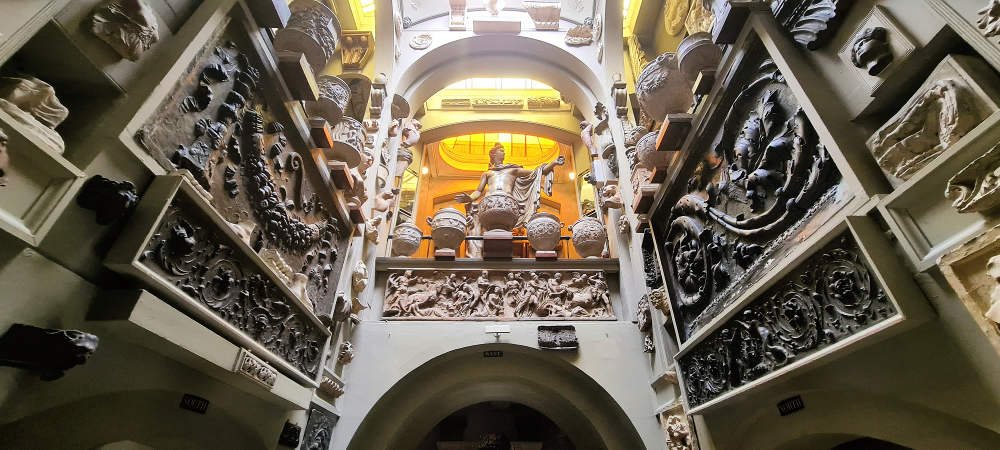
Let’s start with what I consider the best museum in London. I’ve lost count of how many times I’ve visited the Soane, drooled over the Hogarths in the Picture Room and gawped at the sarcophagus of Seti I, purchased by John Soane. The architect and collector inaugurated his new Egyptian purchase over a three-day candlelit party for the who’s who of Georgian London. Museums will never look the same after you’ve been to the Soane, which makes it one of the very best alternative museums in London. Just trust me with this one.
Sir John Soane’s Museum: 13 Lincoln’s Inn Fields, Holborn, London WC2A 3BP. Free entry.
Wallace Collection
Recommended for: admirers of Marie Antoinette and the rococo.
The Wallace is a close tie for first place among alternative museums in London. It has a superb collection of French furniture and rococo treasures, a Picture Gallery which will blow you away and one of the prettiest pink cafés in London. Make sure you go and say hello to The Laughing Cavalier. You can read more in my guide to the Wallace Collection.
Wallace Collection: Hertford House, Manchester Square, London W1U 3BN. Free entry.
Dennis Severs’ House
Recommended for: London time travel.
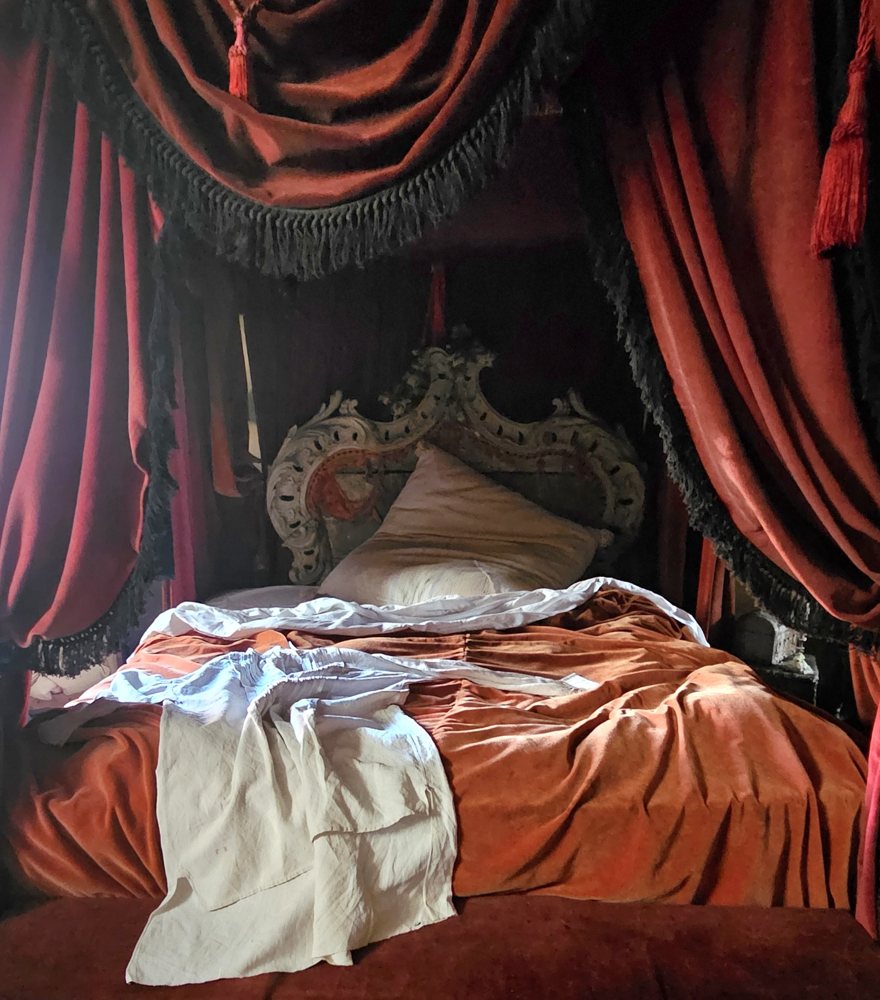
Is it a house, an exhibition or a piece of historical theatre? Visiting Dennis Severs’ House in Spitalfields is a unique immersive experience in which visitors step into the lives of a family of Huguenot silk weavers from 1724 to 1914. David Hockney has called it one of the world’s greatest operas. Try to book one of the evening tours or, even better, visit at Christmas. It’s one of the most unusual of all the alternative museums in London.
Dennis Severs’ House: 18 Folgate Street, Spitalfields, London E1 6BX.
18 Stafford Terrace
Recommended for: Victorian enthusiasts and time travellers.
Once home to Punch cartoonist and serial photographer Edward Linley Sambourne, 18 Stafford Terrace is now a rare example of the Victorian “aesthetic” interior from top to bottom. Take a tour with the Sambourne housekeeper and look out for the rude photos in the bathroom.
18 Stafford Terrace: London W8 7BH.
Museum of the Home
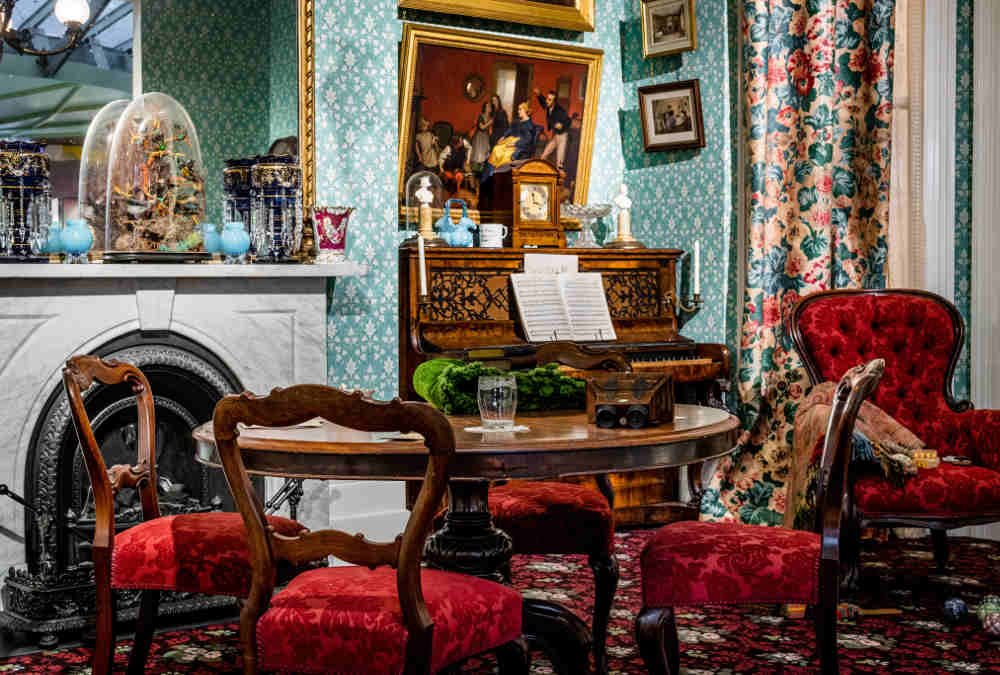
Image: Museum of the Home, credit Em Fitzgerald
Recommended for: interior design fans.
Once called the Geffrye Museum, the Museum of the Home explores the home from 1600 to the present day with a unique collection of period room displays. At Christmas the rooms get decked out with Christmas through the ages, and it’s one of my favourite places to visit during the yuletide season. Don’t forget to visit the pretty gardens and stop off for cake and a cuppa in the café, housed in a former Victorian pub. It’s a fine pick if you’re building your own list of alternative museums in London.
Museum of the Home: Geffrye Almshouses, 136 Kingsland Road, London E2 8EA. Free entry.
Horniman Museum and Gardens
Perfect for: curious minds and budding archaeologists.
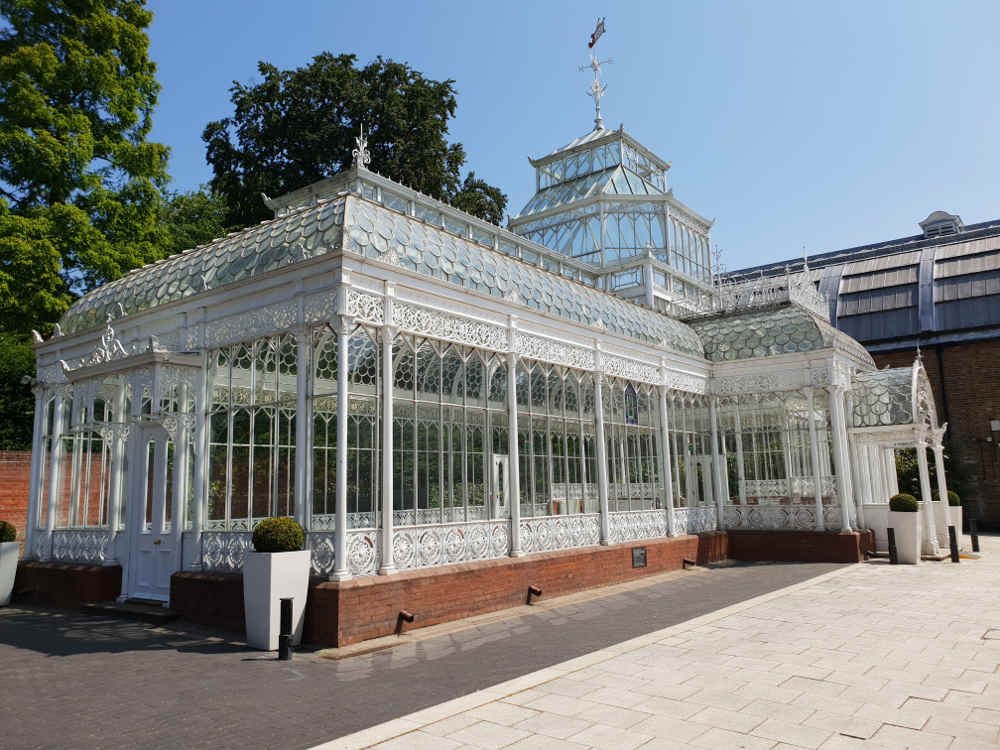
The Horniman in Forest Hill is famous for its anthropology, natural history displays and musical instruments, and is a great family alternative to the Natural History Museum. It’s also known for its large collection of taxidermied animals, in particular the Walrus, who is a celebrity in his own right. There’s also an aquarium, a lovely café and some of the prettiest picnic gardens in London. The Horniman may be a bit of a schlep from central London but it’s worth it, and it’s one of the best alternative museums in London for families. You can read more in my guide to the Horniman Museum and Gardens.
Horniman Museum and Gardens: 100 London Road, London SE23 3PQ. Free entry. You could combine a visit to the Horniman with the Dulwich Picture Gallery in one day.
Dulwich Picture Gallery
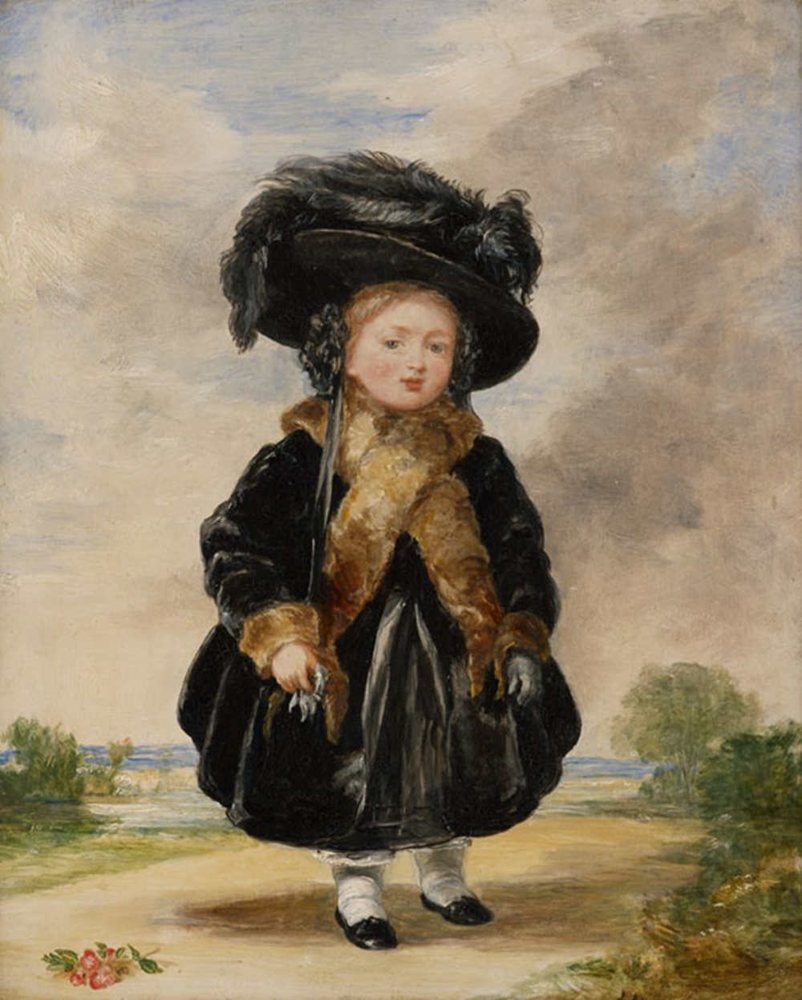
Princess Victoria aged four by Stephen Poyntz Denning, Dulwich Picture Gallery
Perfect for: baroque buffs.
Designed by Regency architect John Soane (see the first museum in this post), the Dulwich Picture Gallery is the world’s first purpose-built public art gallery. The iconic red telephone box was inspired by the gallery’s mausoleum dome, so make sure you look up when you visit. It houses a fascinating collection of Old Masters including Gainsborough, Canaletto, Reynolds, Rembrandt and Poussin. My favourite, though, is the tiny portrait of Princess Victoria, aged four, by Stephen Poyntz Denning. I’m also rather partial to a wander in the gardens and tea and cake in the café.
Dulwich Picture Gallery: Gallery Road, London SE21 7AD.
The Postal Museum
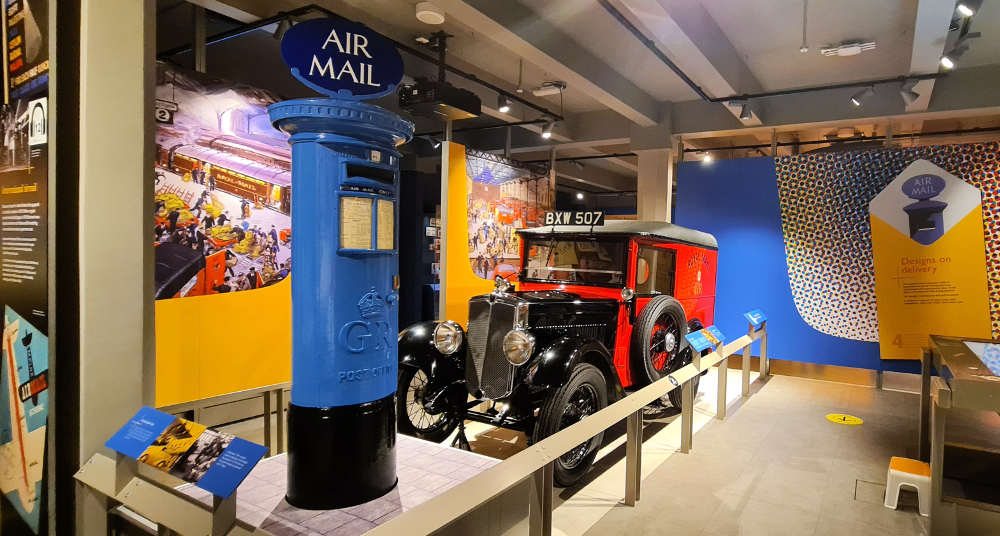
Recommended for: stamp collectors and British history lovers.
This quirky museum, one of the most fun alternative museums in London, is about much more than posting letters, including its fun Mail Rail, the closest thing you’ll get to a Disney ride in town. As you trundle along original Post Office Underground Railway tunnels and past forgotten platforms, you’ll be immersed in the story of the post office and how it all started. Head to the exhibition rooms to see historical post office vehicles, stamps, postcard displays and much more.
The Postal Museum: 15-20 Phoenix Place, London WC1X 0DA.
The Fan Museum
Recommended for: afternoon tea fans.
The Fan Museum is one of London’s most unusual museums, dedicated to the preservation of hand fans, with a collection said to date back as far as the eleventh century. There is also a delightful orangery where you can have one of the best-priced afternoon teas in London. Read more in my guide to the Fan Museum in Greenwich.
The Fan Museum: 12 Crooms Hill, London SE10 8ER.
Emery Walker’s House
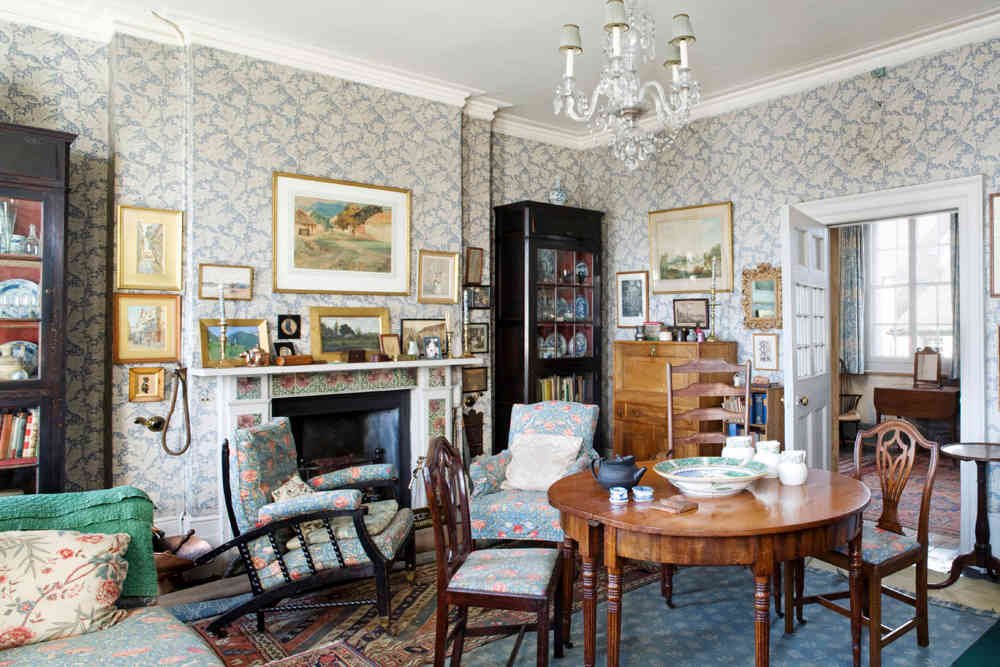
Recommended for: William Morris and Arts and Crafts fans.
This historic terraced house in Hammersmith was once owned by Emery Walker, a bosom buddy of William Morris and one of the leading figures in the Arts and Crafts movement. The house has barely changed since Walker died: it’s an Arts and Crafts love letter and a must-visit for anyone interested in all things Morris. Look out for the linoleum in the entrance hall, the Morris rug and the patterned wall hangings. Make sure you pop in to the William Morris Society afterwards (next door to Kelmscott House, where Morris lived and died).
Emery Walker’s House: 7 Hammersmith Terrace, London W6 9TS.
Keats House
Recommended for: poetry lovers.
Visit the house in Hampstead where Keats wrote “Ode to a Nightingale” and where he lived before his ill-fated journey to Rome. It’s here that he met and fell in love with Fanny Brawne, the girl next door.
Keats House: 10 Keats Grove, London NW3 2RR.
Strawberry Hill House and Garden
Recommended for: fans of Gothic literature.
Once the most famous pad in England, this house museum is a mini Gothic castle, complete with ghosts, a church-style library, damask-lined walls and a large dose of “gloomth”. This one tops the chart for the most quirky and unusual pad in London, so whatever you do, don’t leave town without a visit. It’s one of the most unusual alternative museums in London. You can read more in my guide to cake at Strawberry Hill House.
Strawberry Hill House and Garden: 268 Waldegrave Road, Twickenham TW1 4ST.
Royal Academy of Arts
Recommended for: art addicts.
I’ve included this one because most people wonder if the RA is open to the public. It absolutely is, and it’s a must-see when visiting London. Think RA and think Joshua Reynolds, J.M.W. Turner, John Constable and John Everett Millais, to name a few. It hosts the annual Summer Exhibition, an open art exhibition during which anyone can purchase a piece of original art. During the year the Royal Academy hosts some fantastic exhibitions, and its collection holds the only Michelangelo marble sculpture in Britain. The cafés are rather lovely too, and so are the loos if you need a stop-off in Piccadilly. Just saying.
The Royal Academy: Burlington House, Piccadilly, London W1J 0BD. Free entry (charge for seasonal exhibitions).
The Queen’s House
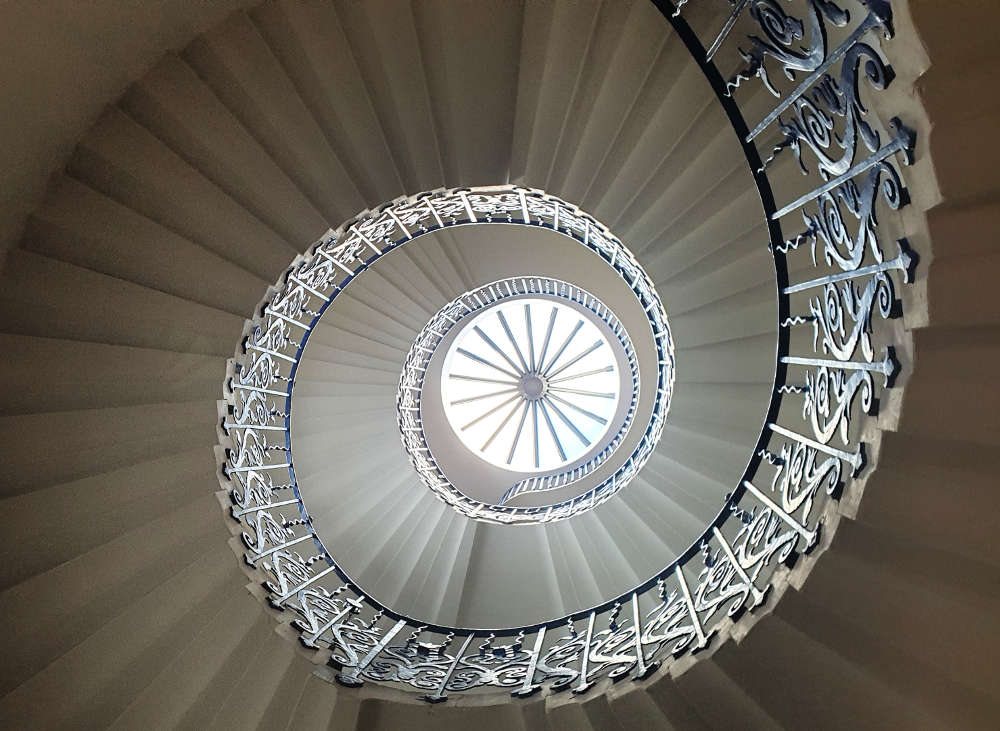
Recommended for: ghost hunters and Tudor history buffs.
The Inigo Jones masterpiece was built for Anne of Denmark, the queen of King James I. But the Queen’s House in Greenwich is more famous for its portrait of a queen who never lived there: Elizabeth I. You’ll be dazzled by the Virgin Queen’s bling in the Armada Portrait, not to mention how fierce she looks. Make sure you take the Tulip Stairs, the first self-supporting spiral staircase in Britain. Watch out, though, as it is thought to be haunted. Read more in my guide to Royal Museums Greenwich.
The Queen’s House: Romney Road, Greenwich, London SE10 9NF. Free entry.
Painted Hall at the Old Royal Naval College
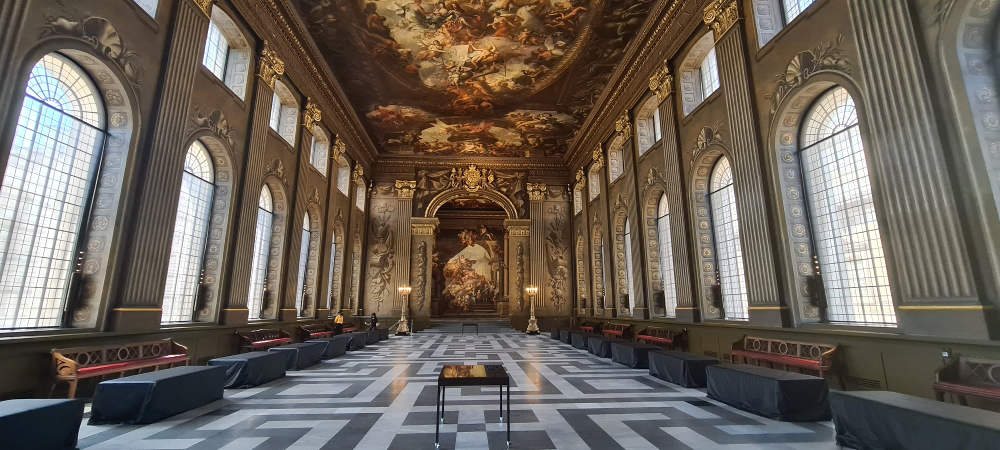
Recommended for: those who can’t get to the Sistine Chapel.
Staying in Greenwich, a jaunt over to the Painted Hall won’t disappoint. This epic masterpiece took the artist James Thornhill 19 years to complete, and it’s considered one of the finest baroque interiors in Europe, so it earns its place among the alternative museums in London.
Old Royal Naval College: Greenwich, London SE10 9NN.
Leighton House
Recommended for: maximalists.
More is more in this jaw-dropping home, which has some of the most spectacular rooms in London. It belonged to the Victorian artist Lord Frederic Leighton, who was also President of the Royal Academy of Arts. Leighton based his Arab Hall on a twelfth-century palace in Palermo and brought in tile designer William De Morgan to help with the Narcissus Hall, modelled on a house in Pompeii. One of my favourite designs is the drawing room fireplace with a window over it. I’ve never seen one of those before or since. It’s one of the best alternative museums in London for maximalists.
Leighton House: 12 Holland Park Road, London W14 8LZ.
Charles Dickens Museum
Perfect for: anyone who loves Dickens and Christmas.
Visit the house where Charles Dickens wrote The Pickwick Papers, Oliver Twist and Nicholas Nickleby and where he lived with his wife Catherine. My favourite time to visit is at Christmas, when the house is decked à la Dickens. There’s also a delightful garden café. Read more in my guide to Charles Dickens’ London.
Charles Dickens Museum: 48-49 Doughty Street, Holborn, London WC1N 2LX.
Handel and Hendrix in Britain
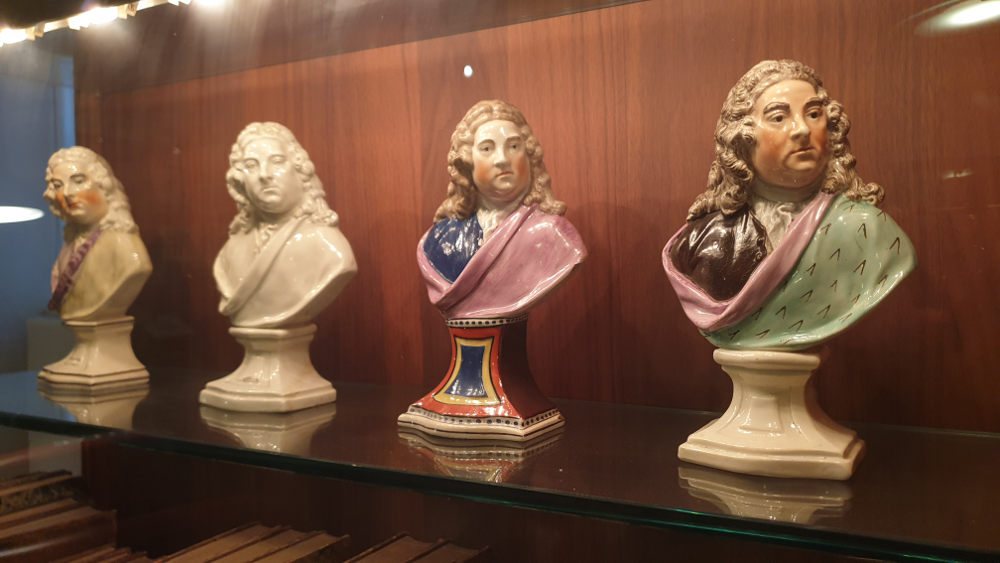
Perfect for: music lovers.
I’m more of a Handel than a Hendrix fan, but I love the idea of these two living next door to each other. You can visit Handel’s Mayfair home, where he lived for more than 35 years, wrote Messiah and died in 1759. Hendrix, whose flat you can also visit, lived here only briefly, but apparently he was quite the fan of the Georgian composer. Read more in my guide to Handel’s London.
Handel and Hendrix in London: 25 Brook Street, Mayfair, London W1K 4HB.
Old Operating Theatre
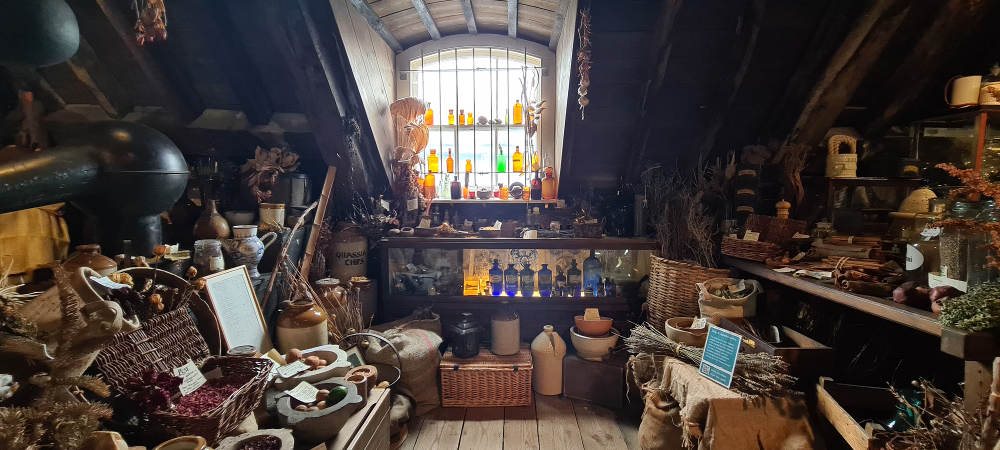
Perfect for: the history of medicine.
This Southwark museum is dedicated to surgical history and is one of the oldest surviving operating theatres in Europe. Climb up, up, up to the quirky garret museum, crammed with apothecary and medical curiosities. The operating theatre was once used for 18th century amputations (before anaesthetic!). You can practically smell the anguish as you wander around, which makes it one of the most atmospheric alternative museums in London.
Old Operating Theatre: 9a St Thomas Street, London SE1 9RY.
Museum of the Order of St John
Recommended for: knights in shining armour.
This unique museum is located in a 16th-century gatehouse which was once the entrance to the Priory of the Medieval Order of St John. The museum’s gallery is dedicated to the story of St John Ambulance, which was founded by the Order of St John in the nineteenth century. The collections include paintings and illuminated manuscripts, rare armour, a bronze cannon given by Henry VIII, ancient coins, decorative furniture, ceramics, silverware and textiles. Make sure you visit the twelfth-century crypt and the cloister garden, both open to visitors on tours. The range of herbs in the garden gives an idea of the medicinal gardens that would have been cultivated by the Knights Hospitaller in medieval times.
Museum of the Order of St John: St John’s Gate, St John’s Lane, Clerkenwell, London EC1M 4DA. Check the website for opening and tour details.
God’s Own Junkyard
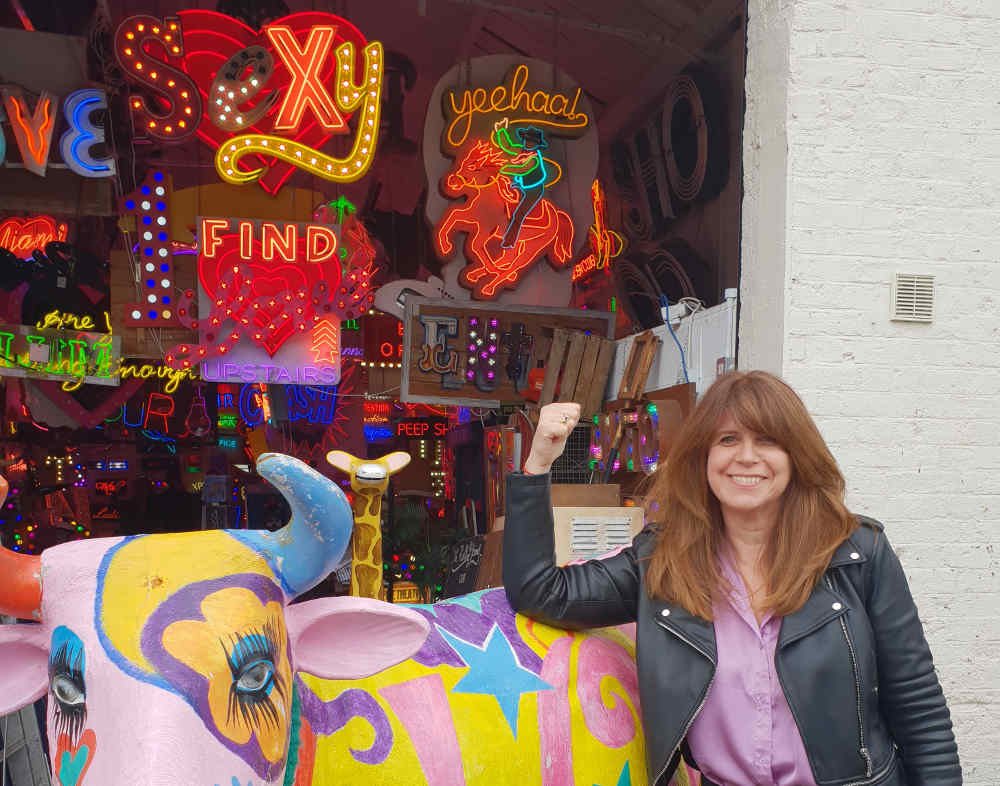
Perfect for: neon art admirers.
This fluorescent wonderland was the brainchild of the late British artist Chris Bracey, who also fashioned neon props for Hollywood. The collection includes all sorts of quirky and unusual props, lights, disco balls and figures, some of which you might find a little shocking. Make sure you stop off for a cuppa in the Rolling Scones café.
God’s Own Junkyard: Unit 12, Ravenswood Industrial Estate, Shernhall Street, Walthamstow, London E17 9HQ. Free entry.
Neasden Temple
Perfect for: Taj Mahal fans.
I’m finishing off with a temple rather than a museum: the Neasden Temple, or BAPS Shri Swaminarayan Mandir. This showstopper was the first traditional Hindu temple in Europe, built from hand-carved stone in India and then shipped to London. Make sure you stop off for a bite in the restaurant next door. Read more in my guide to the Neasden Temple.
Neasden Temple: Pramukh Swami Road, Neasden, London NW10 8HW. Free entry, but check the website for access details.
Know any other alternative museums in London I should add? I would love to hear from you in the comments below. For more house museums, see my guide to London’s best house museums.