Handel in London is a story of 47 years: George Frideric Handel was born in Germany but arrived here in his twenties and stayed for the rest of his life. He wrote some of the world’s most famous operas and oratorios in the capital and became the toast of London town. His patrons included a queen, two Georgian kings and friends who were the regal and artistic who’s who of the day. Come with me and the maestro and let’s take a baroque walk around the streets of London to the places where he lived, performed and worshipped.
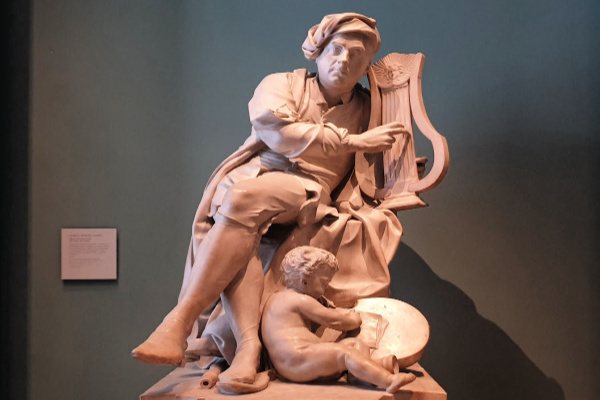
Handel in London: where he lived
Start with the homes and houses that shaped his London years.
25 Brook Street: the Handel and Hendrix Museum
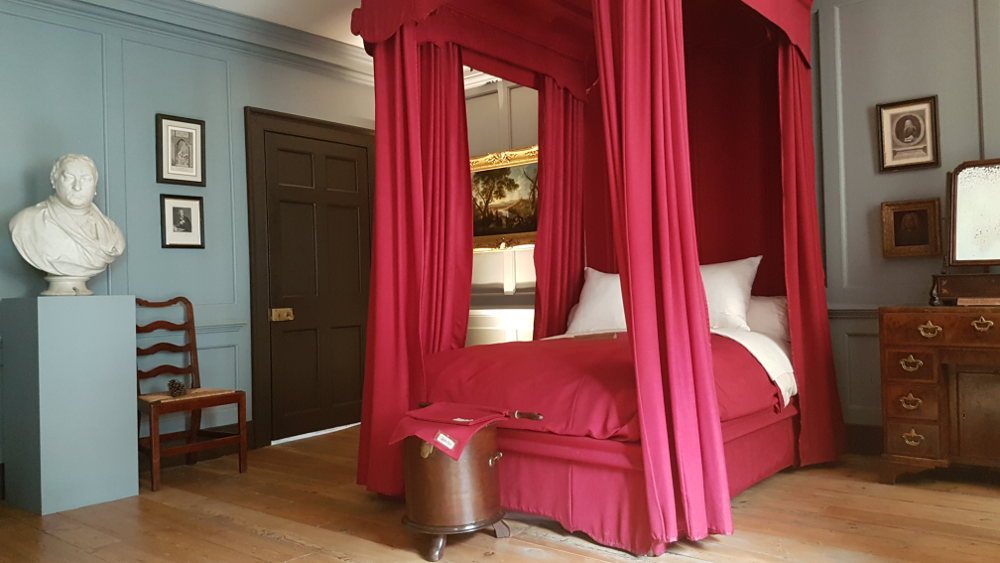
Handel’s bedroom at 25 Brook Street.
Let’s start with his home at No 25 Brook Street in Mayfair. It was Handel’s home from 1723 until his death in 1759, and some of his greatest works were composed here, including Messiah and Zadok the Priest. It’s now the Handel and Hendrix museum, because Jimi Hendrix lived in a flat at No 23 next door. I would pay good money to know what these two bedfellows would have made of each other. You can read more at the Handel and Hendrix website.
Burlington House (now the Royal Academy)
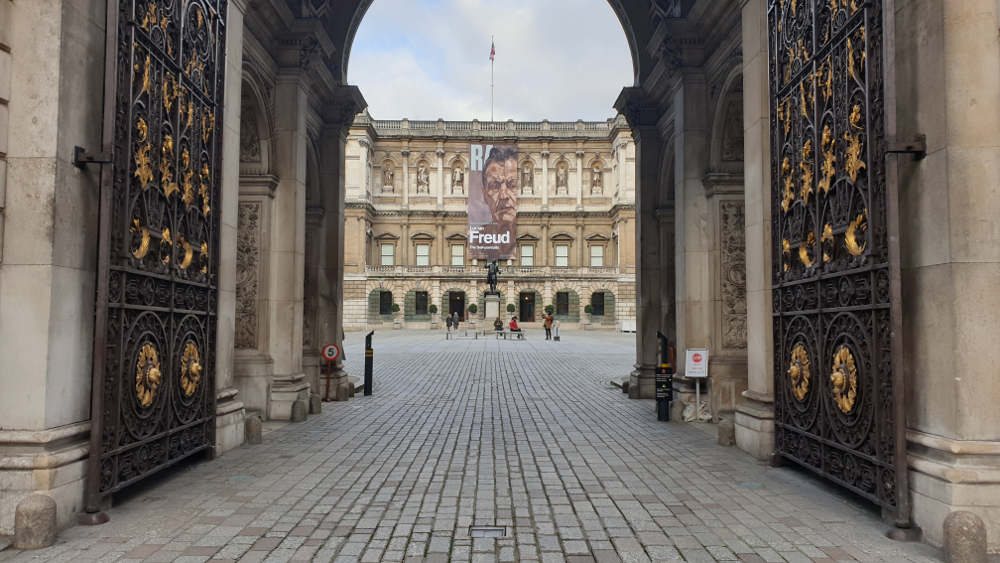
Richard Boyle, 3rd Earl of Burlington, was one of the most influential artistic patrons of the day (he was nicknamed the Apollo of the Arts). His circle included Alexander Pope, John Gay and Handel, who lived at Burlington House for a few years as a guest of the Earl. It’s now home to the Royal Academy, and it’s where Handel is said to have written his Ode for the Birthday of Queen Anne.
Chiswick House
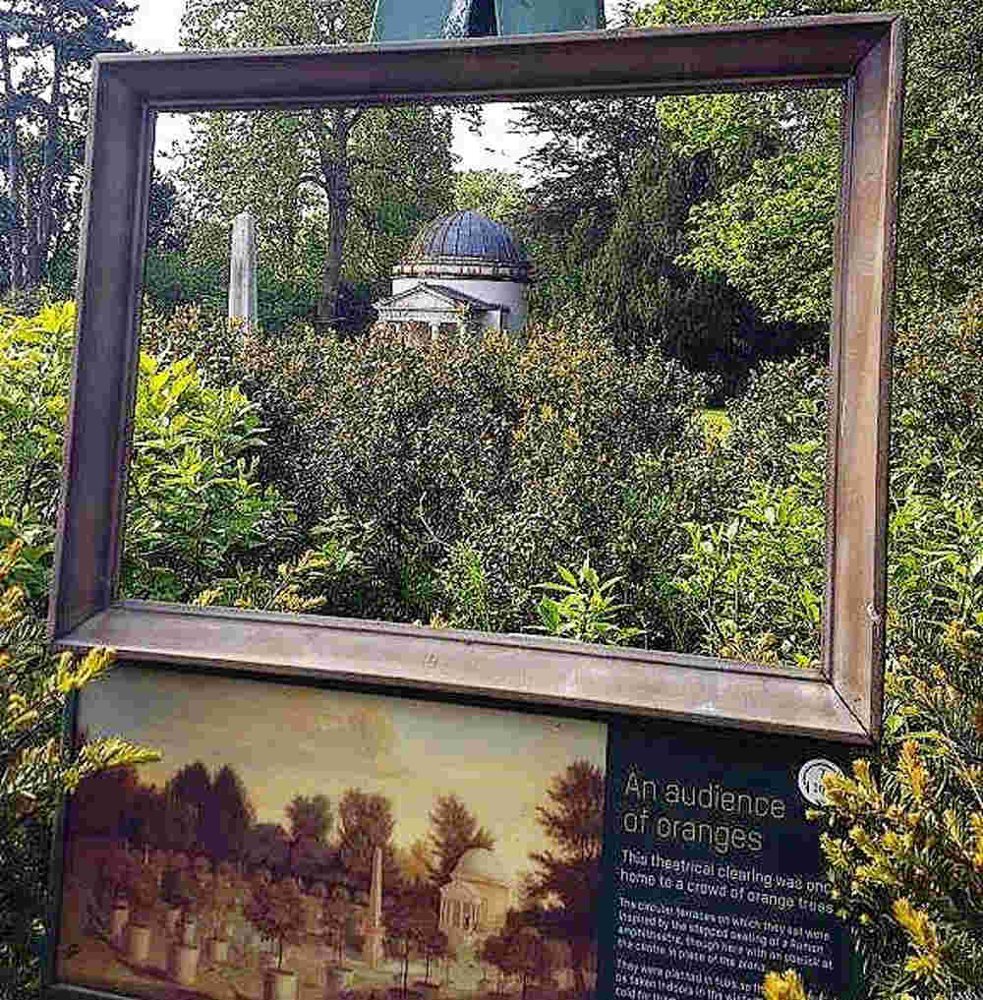
Another of Lord Burlington’s mega-pads is Chiswick House in leafy west London, a villa and garden that Handel also knew.
Handel in London: museums and galleries
Next, the places where you can see Handel for yourself.
The Foundling Museum
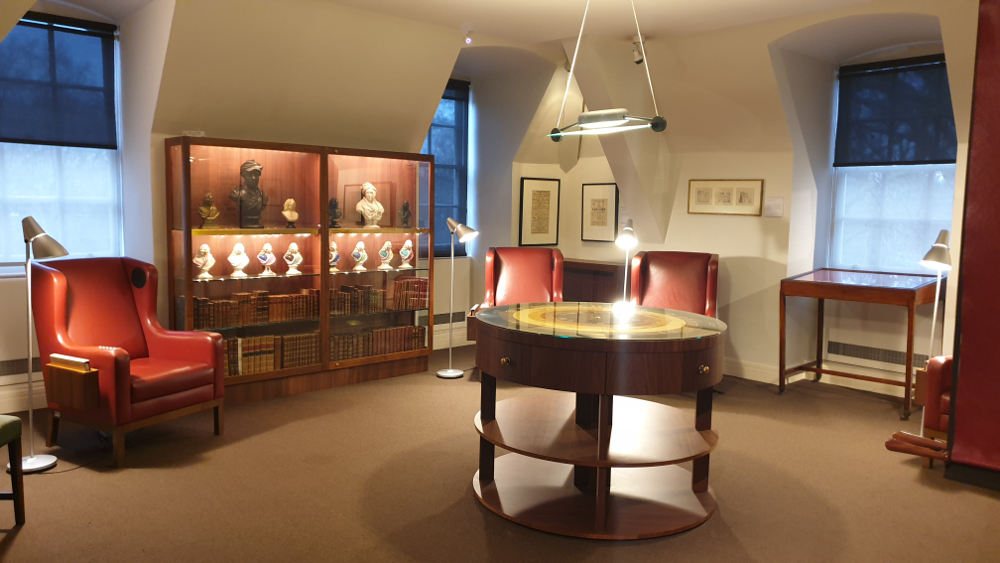
Handel was a benefactor and governor of the Foundling Hospital, Britain’s first home for abandoned children. He raised significant money for the Foundling with performances of Messiah and left a copy of the oratorio to the charity in his will. You can see Handel material at what is now a delightful museum, including the Gerald Coke Handel Collection, which can be consulted by appointment. Find out more on the Foundling Museum website.
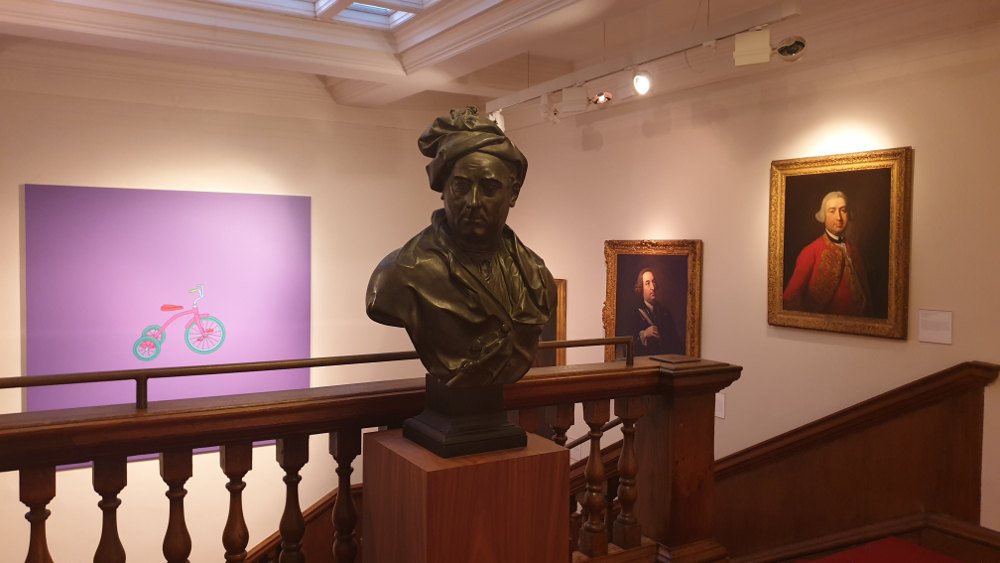
Fun fact: when Handel gave a concert in 1749 to raise money for the Foundling’s chapel, the ladies were reportedly told not to wear hoops and the men to leave their swords at home, to make as much room as possible for the expected crowds.
Handel at the Victoria and Albert Museum
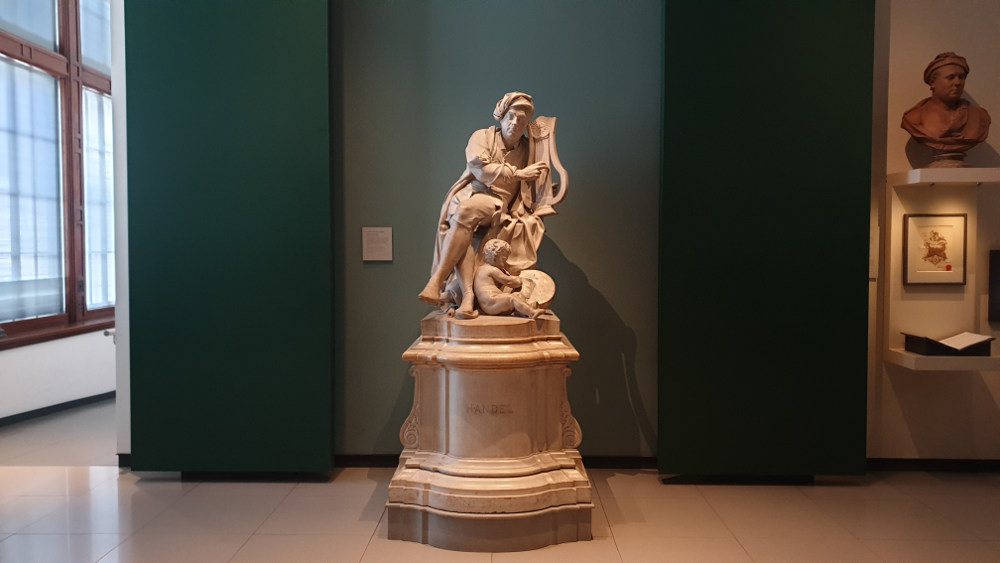
You can see Handel in all his marble glory at the V&A, in a statue by the French sculptor Louis-François Roubiliac. It was commissioned by Jonathan Tyers, the creator of the pleasure gardens at Vauxhall, and it stood there for many years. The sculpture helped to establish Roubiliac as an important artist, and he went on to make Handel’s monument in Westminster Abbey.
Handel at the National Portrait Gallery
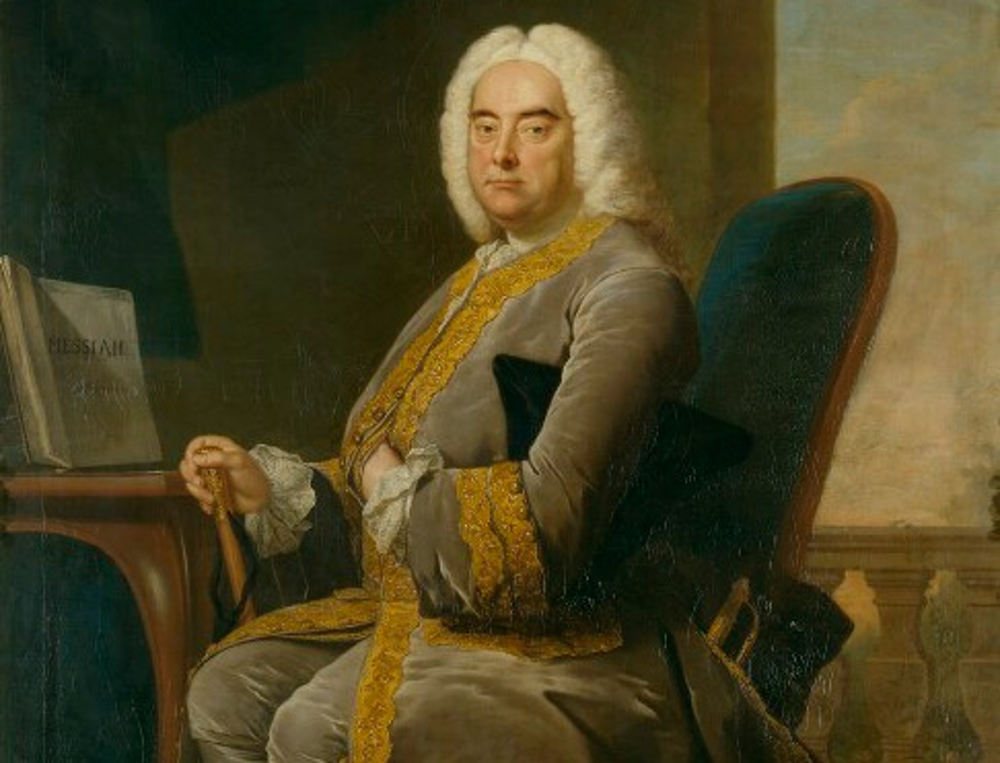
Thomas Hudson, George Frideric Handel, 1756. National Portrait Gallery, London.
Step into the National Portrait Gallery to see Handel’s iconic portrait by Thomas Hudson, then head next door to the National Gallery.
Handel at the National Gallery
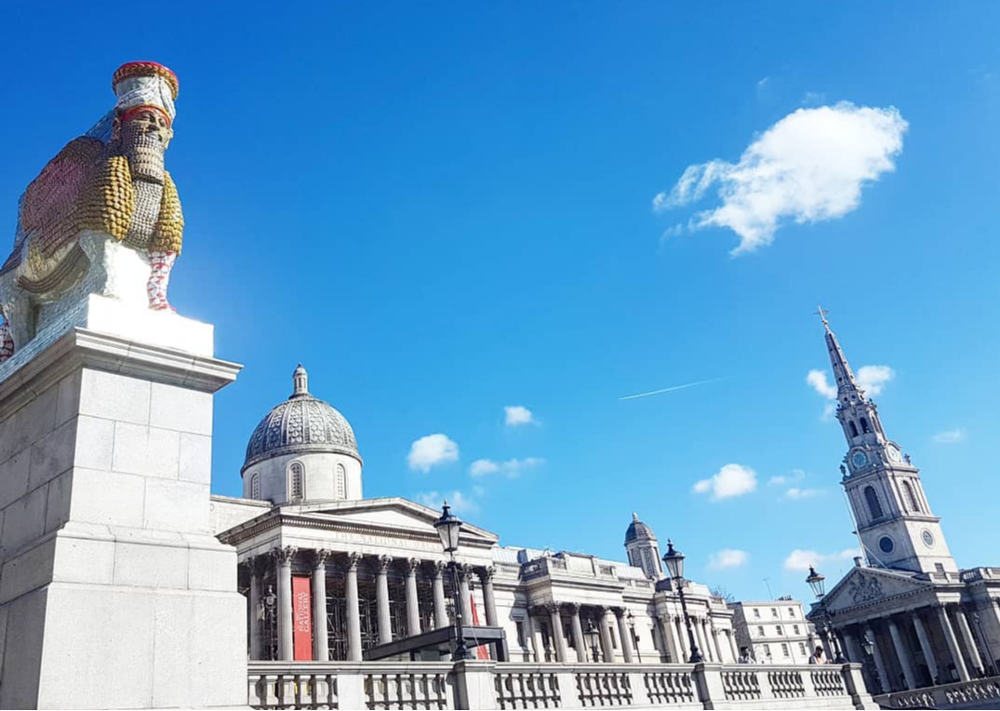
No need to go inside for this one: just look up at the portico columns. Some sources say they were once part of Cannons, the Edgware country estate of James Brydges, Duke of Chandos, though the National Gallery itself says its columns most likely came from Carlton House, so enjoy this one as a legend. What is certain is that the Duke was one of Handel’s early supporters, and Handel was the house composer at Cannons from 1717 to 1718. He wrote Esther and the Chandos Anthems there, and the Duke went on to help him establish the Royal Academy of Music.
Theatres and churches
Then the stages and pews where his music was heard.
Her Majesty’s Theatre, Haymarket
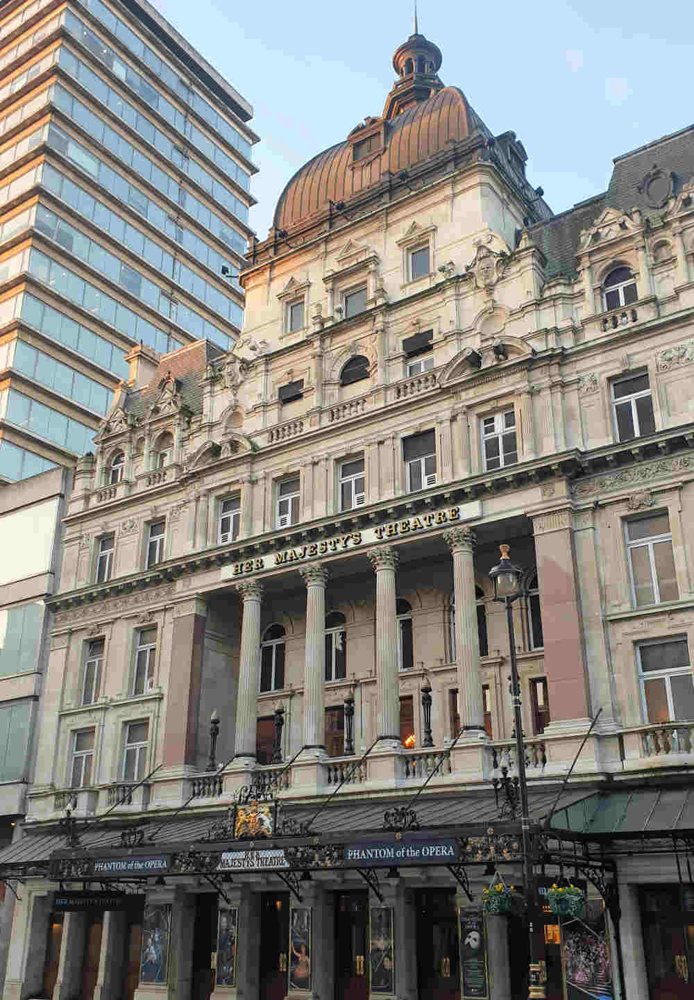
In 1711 London was treated to Handel’s Rinaldo at the Queen’s Theatre in the Haymarket. It starred the castrati Nicolo Grimaldi and Valentino Urbani and was a roaring success. Handel went on to stage many more operas at the theatre, which has changed its name several times (King’s Theatre, Her Majesty’s). The original burnt down in 1789 and the building you see today dates from 1897.
The Royal Opera House, Covent Garden
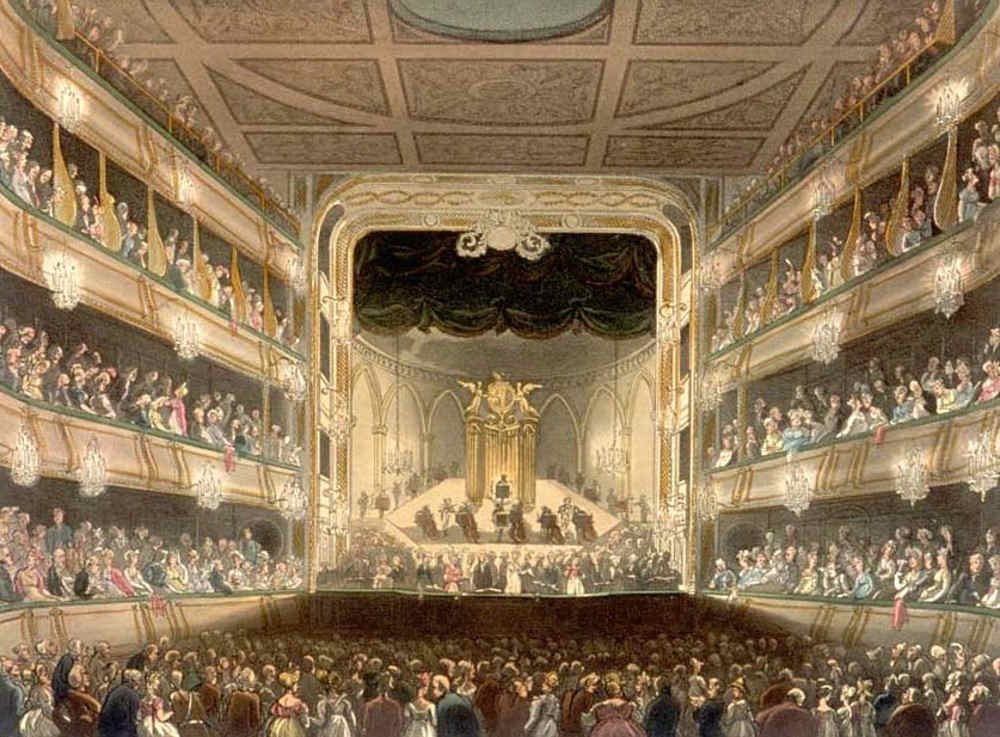
Covent Garden Theatre, an early 19th-century print.
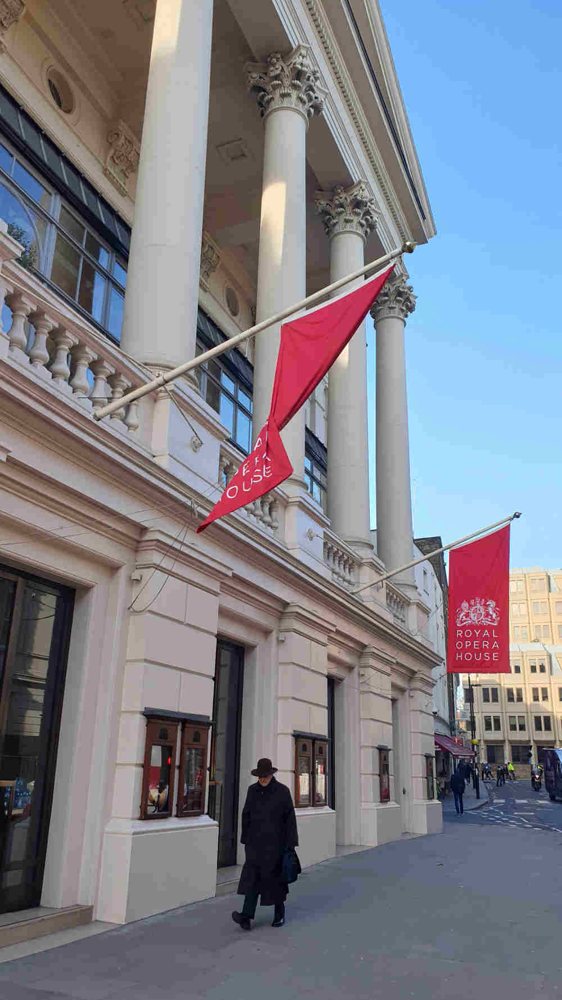
Handel worked closely with John Rich’s Covent Garden theatre, where many of his operas and numerous oratorios were staged. The current Royal Opera House dates from 1858, with substantial renovations in the 1990s and 2018. If you’re planning a night out, see my guide to restaurants near the Royal Opera House.
St George’s Hanover Square
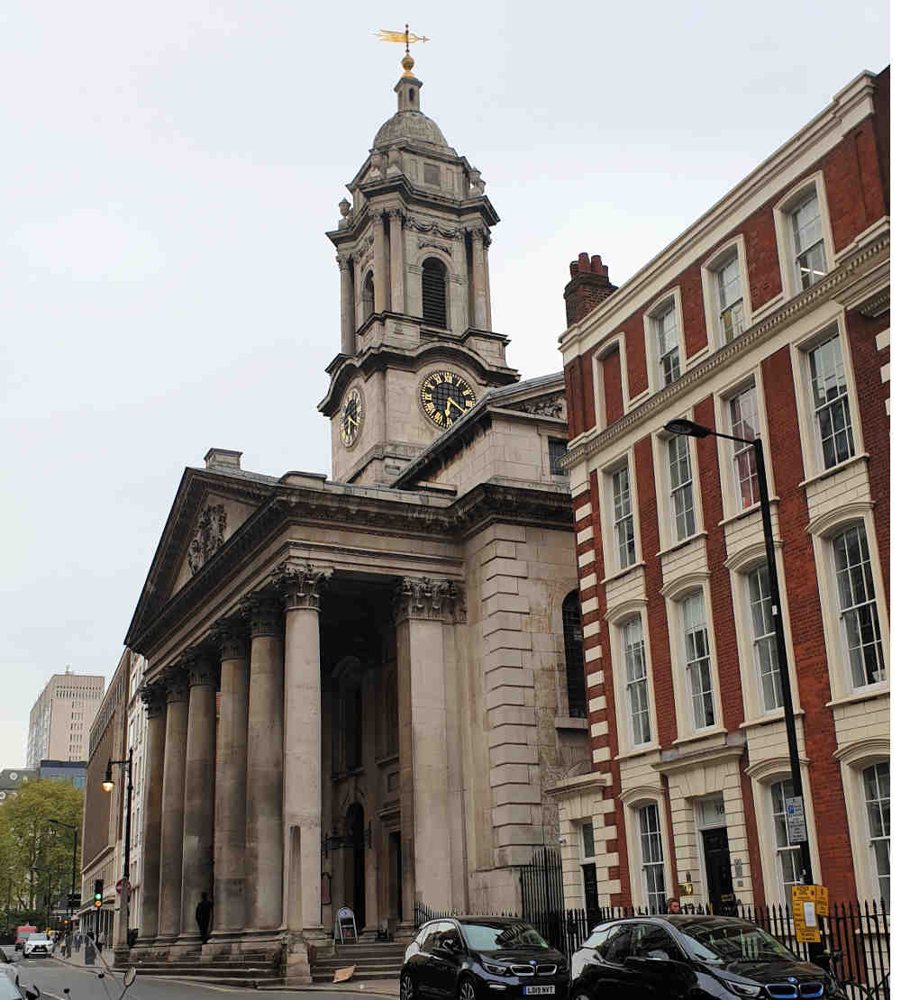
Handel was a regular worshipper at St George’s Hanover Square, in the heart of his Mayfair parish (it’s also the church of Alfred Doolittle’s wedding in My Fair Lady). Today it hosts the annual London Handel Festival.
St Lawrence’s Whitchurch, Stanmore
Staying with the Duke of Chandos, you might want to make a small trek from central London to Stanmore and St Lawrence’s Whitchurch. It was once the Duke’s church, and Handel may have first performed the Chandos Anthems here. Tucked away in the church is an organ which is thought to have been used by Handel.
St Paul’s Cathedral
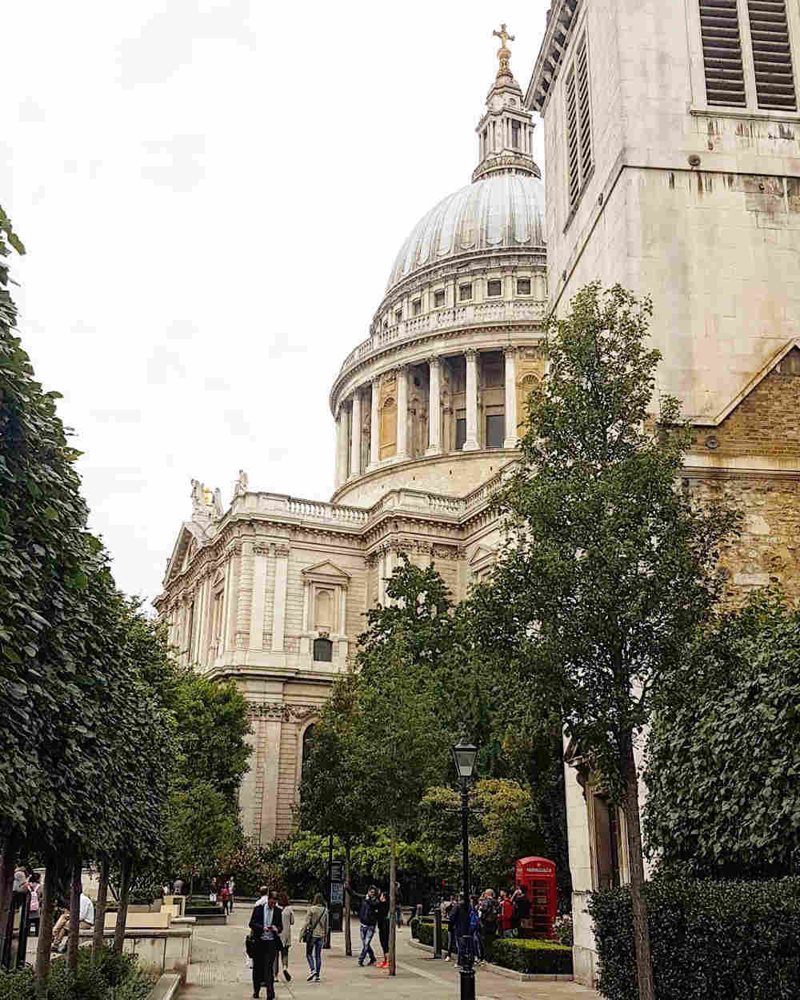
Handel played the organ at St Paul’s Cathedral and is said to have sometimes locked himself in for the night. He also liked a tipple at the Queen Anne tavern in St Paul’s Churchyard next door, which sadly no longer exists.
Royal London
Finally, the royal connections that made him a Londoner.
Kensington Palace
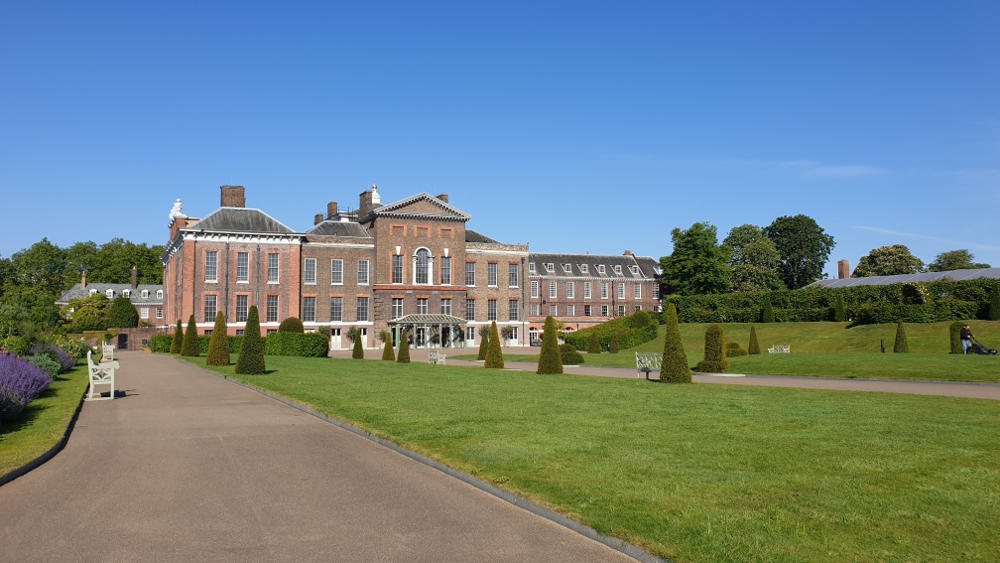
Handel composed several works for Queen Caroline, wife of George II, and gave music lessons to the royal children. He became a British subject in 1727, when an Act of Parliament granted him citizenship in the reign of George I.
Green Park
In April 1749 London was treated to a three-hour traffic jam. The cause? Some 12,000 Londoners trying to get to Vauxhall Gardens for a public rehearsal of the Music for the Royal Fireworks, which was performed in Green Park on 27 April to celebrate the end of the War of the Austrian Succession.
Westminster Abbey
Handel’s final resting place is in the Abbey’s south transept, a fitting place for the man who wrote the British coronation anthem. Around 3,000 people are said to have attended his funeral on 20 April 1759.
The British Library
The British Library holds a substantial collection of Handel’s works, including autograph scores of pieces such as Messiah.
Hungry for more Handel in London?
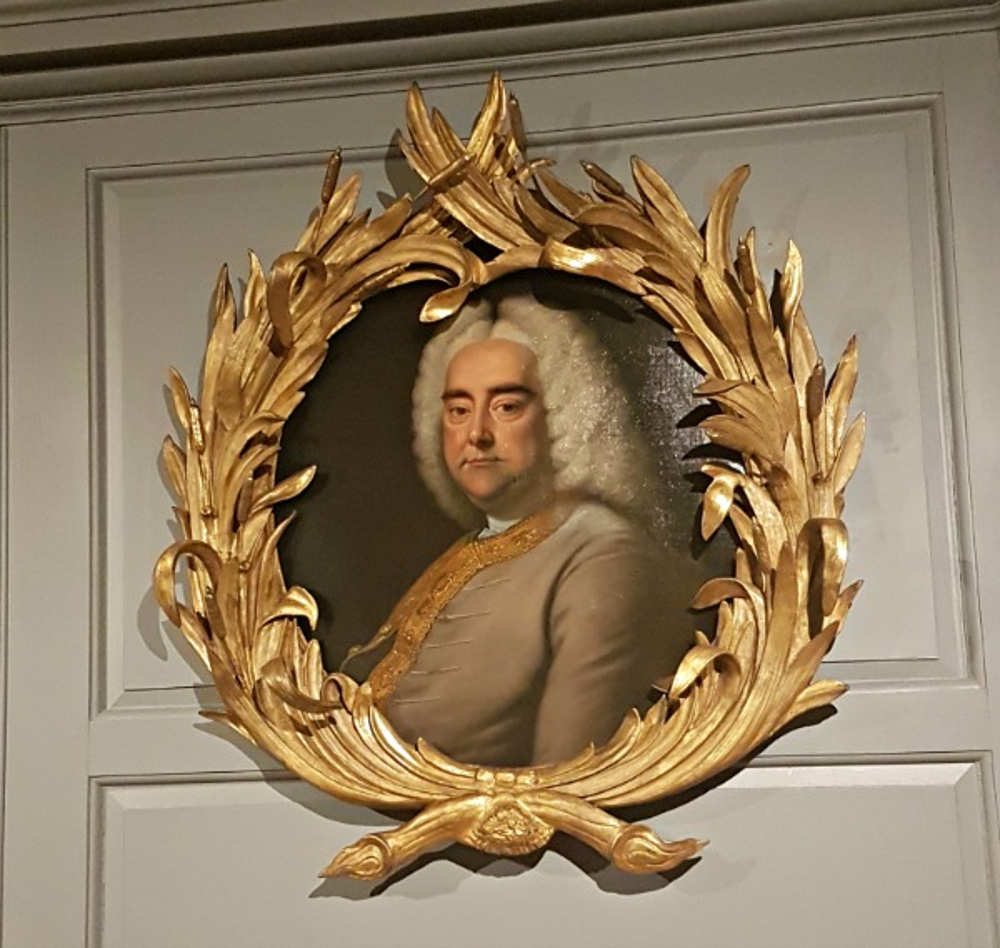
Make sure you check the events diary at Handel and Hendrix as well as the London Baroque Festival, the London Handel Festival and the Barnes Music Festival. The Foundling Museum puts on Handel concerts throughout the year. It’s also worth seeing if the Royal Opera House, the English National Opera, Opera Holland Park, the Barbican and Southbank have Handel productions on, and you can check classicalevents.co.uk for more. Opera tickets needn’t cost a fortune: here is how to get cheap and free London opera tickets.
I highly recommend the excellent book by Jane Glover, and if the Georgians have piqued your interest, Courtiers by Lucy Worsley is a fun read.
This post contains affiliate links, which means that I may receive a commission at no cost to you.