Many Londoners will never have heard of the Horniman Museum, one of the quirkiest museums in London and a historical and anthropological cabinet of curiosities. It’s home to the most famous walrus in the world and you’ll even see a fake merman. It houses a fabulous aquarium, one of the prettiest conservatories you will see in London, a Butterfly House and 16 acres of garden, perfect for a picnic with the family. It’s a smaller version of the Natural History Museum but without the crowds. Let’s go visit this eclectic wonderland of the weird and wonderful.
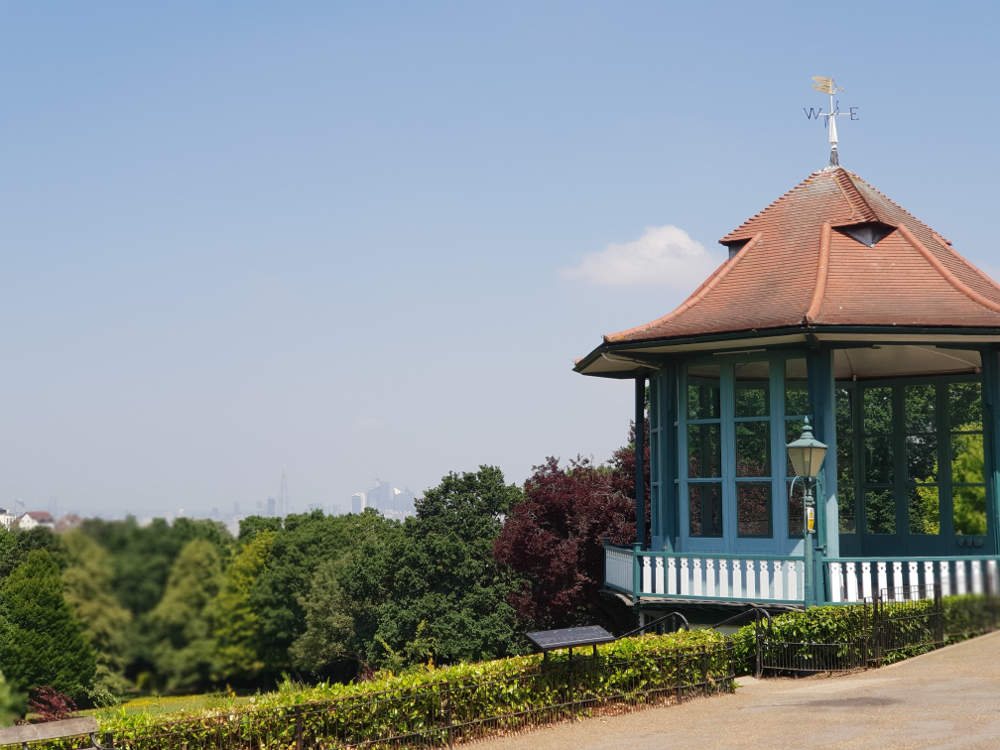
Horniman Museum: a weird and wonderful museum
Frederick Horniman
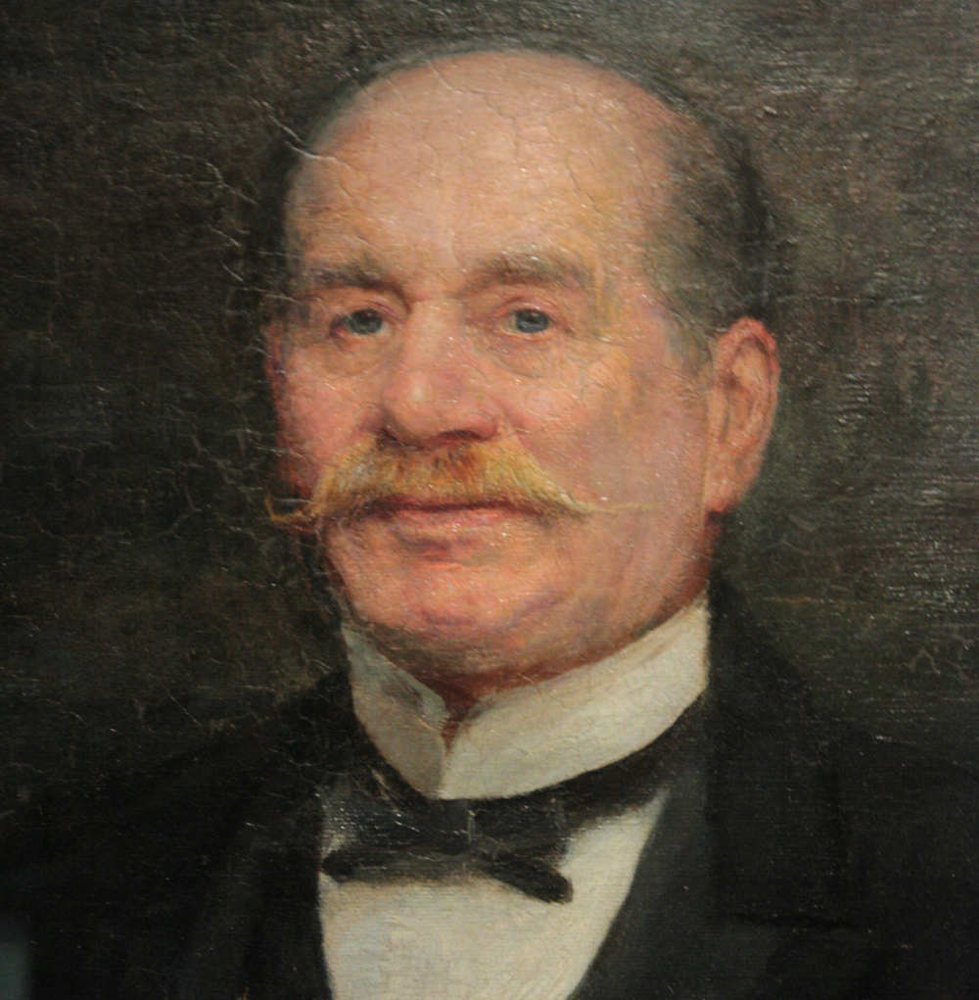
Frederick Horniman, by Trevor Haddon (detail).
Frederick Horniman (1835-1906) was one of the world’s most successful tea traders and a philanthropist. Thanks to bulging coffers he travelled the world, to far-flung destinations such as Burma, Egypt, Sri Lanka, China, Japan and North America, and brought back souvenirs ranging from musical instruments to anthropological finds and cultural curios. Horniman wanted to “bring the world to Forest Hill”.
As the collection grew, his wife is said to have told him: “either the collection goes, or we do.” The museum was born at the family home, Surrey House, and opened to the public on 24 December 1890. Eight years later Horniman enlisted the architect Charles Harrison Townsend to build a new and larger building, which opened in 1901. Horniman gave the museum and grounds to “the people of London for ever, as a free museum for their recreation, instruction and enjoyment”.
Today it has a Natural History Gallery with skeletons, specimens in fluid, fossils and some serious taxidermy, an Aquarium, a Music Gallery with instruments from around the world, a Butterfly House and 16 acres of garden with a pagoda, a medicinal garden, an interactive sound garden and a sundial trail.
Highlights of the Horniman Museum
Natural History Gallery
The very quirky Natural History Gallery is a real cabinet of curiosities, packed full of fossils, taxidermy and skeletons. It’s a fascinating gallery for kids (and adults), and it is free to visit.
The Horniman Walrus
The star of the gallery is the Horniman Walrus, sitting pretty on his own iceberg. Horniman bought him after seeing him at an 1886 exhibition about the British colonies. Bizarrely, there isn’t a wrinkle in sight, because the Victorian taxidermists who worked on him had no clue that a real walrus might be a tad wrinkly. He looks like he’s had a serious session with a Botox needle.
Music Collection
The Horniman has one of the largest collections of musical instruments in the world, with over a thousand on display. The Music Collection is free to visit.
Inside the World Gallery
The World Gallery is a titanic hoard of curios, with thousands of objects on display. A dolphin skull, a cat mummy and a fake merman are some of the strange curiosities with which Horniman returned to his Victorian London. The World Gallery is free to visit.
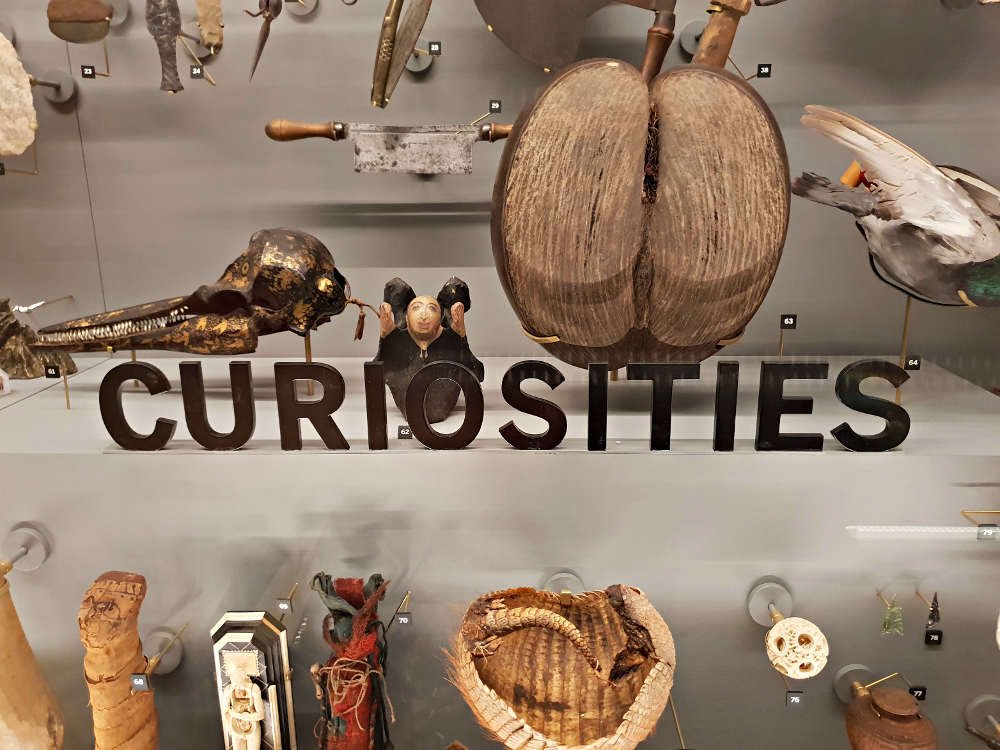
Oceania and the Pacific
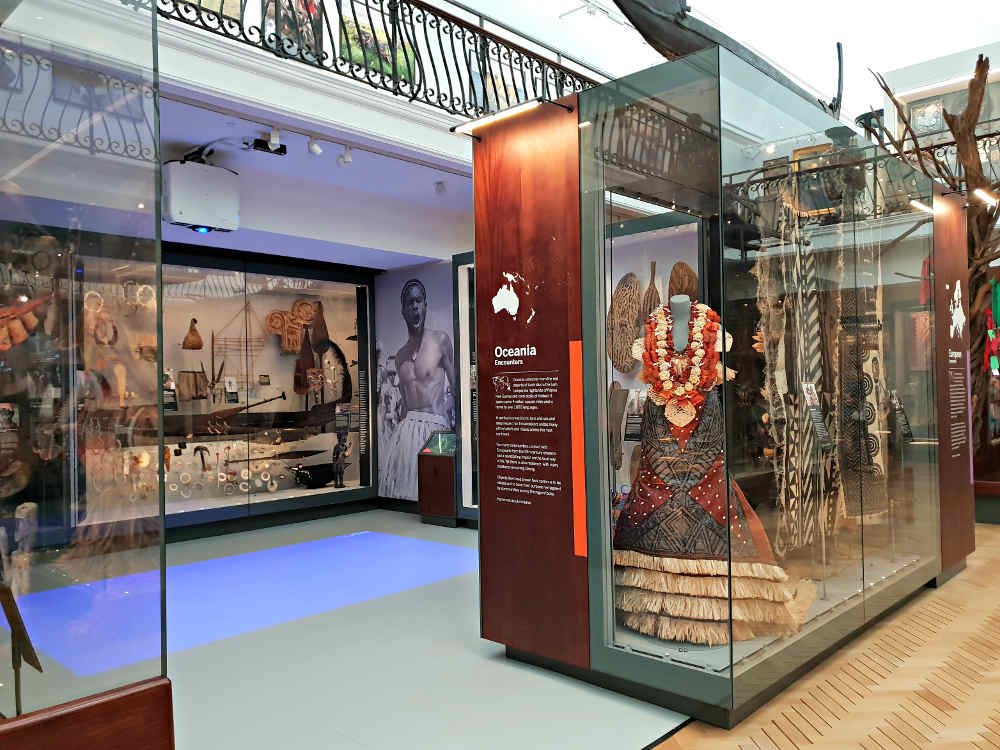
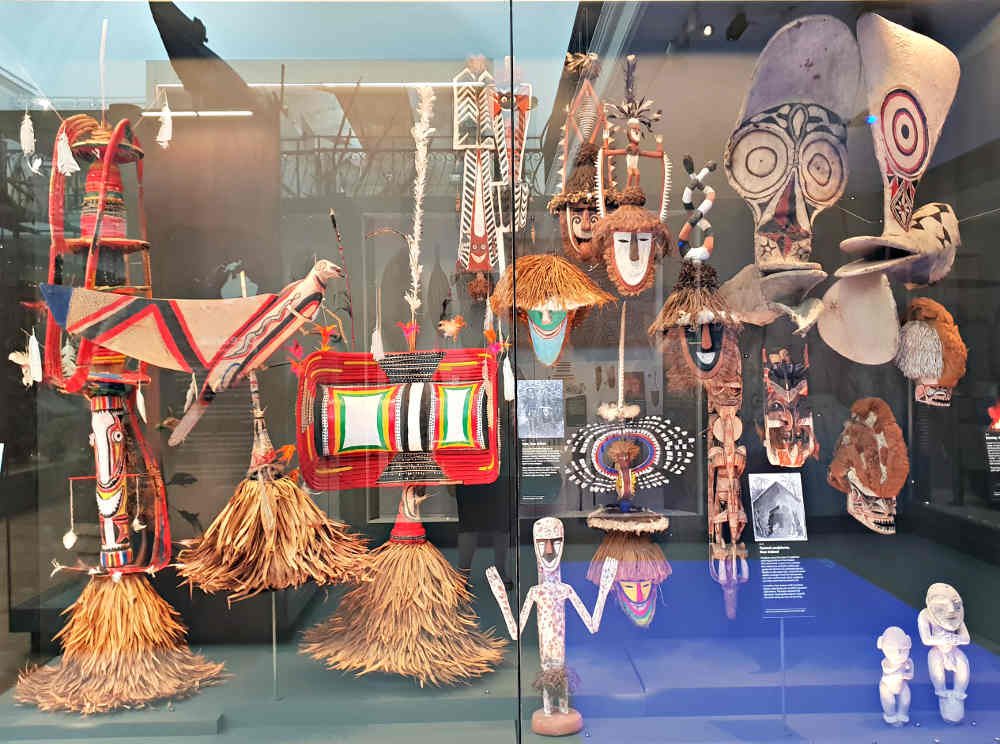
The Oceania section covers cultures from Australia, Fiji, Papua New Guinea and other islands in the Pacific Ocean. The area spans some 4 million square miles and is home to an astonishing 1,000 languages. The dress in the foreground is a backcloth, worn by Fijians for their 1st and 21st birthdays.
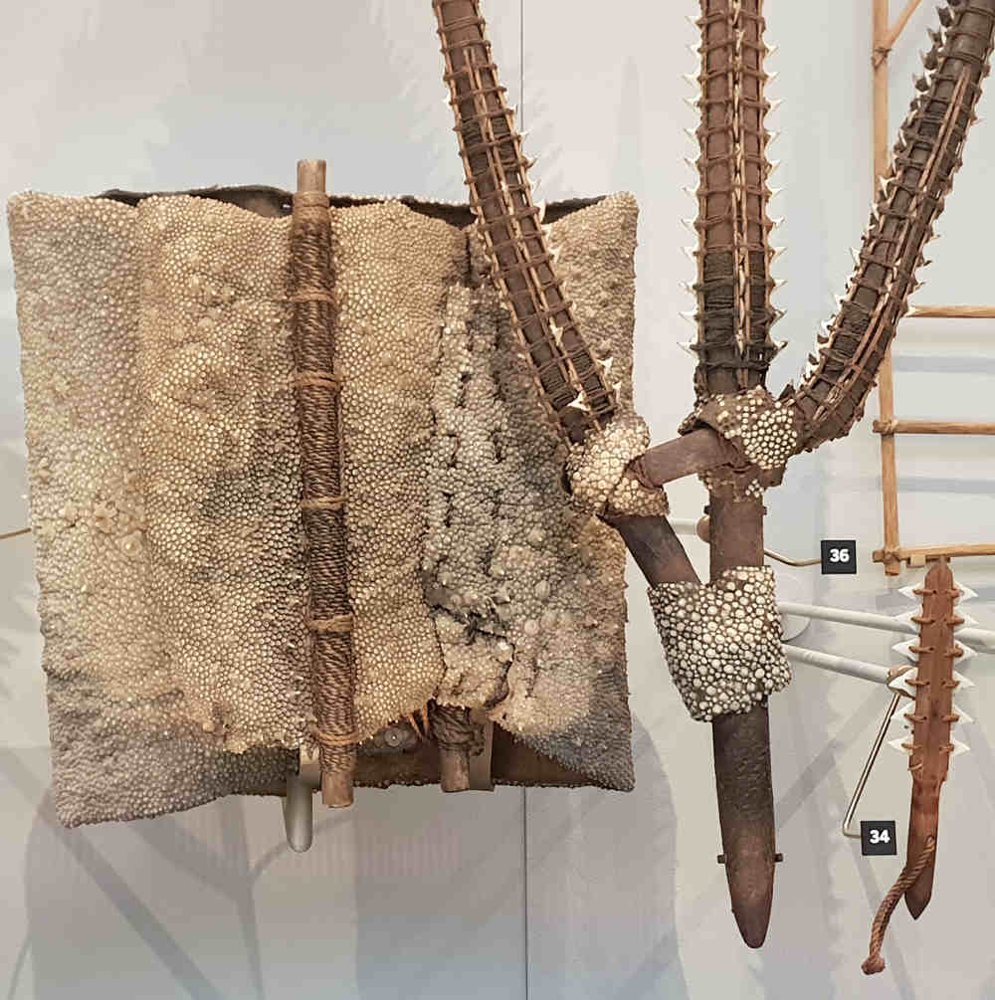
Pacific Islanders know how to work with, not against, Mother Nature, which allowed them to settle the remotest of islands. A ray-skin body belt, which forms part of a Kiribati warrior’s armour, adds extra power thanks to the poisonous characteristics of the animal.
Africa: the Lagos market
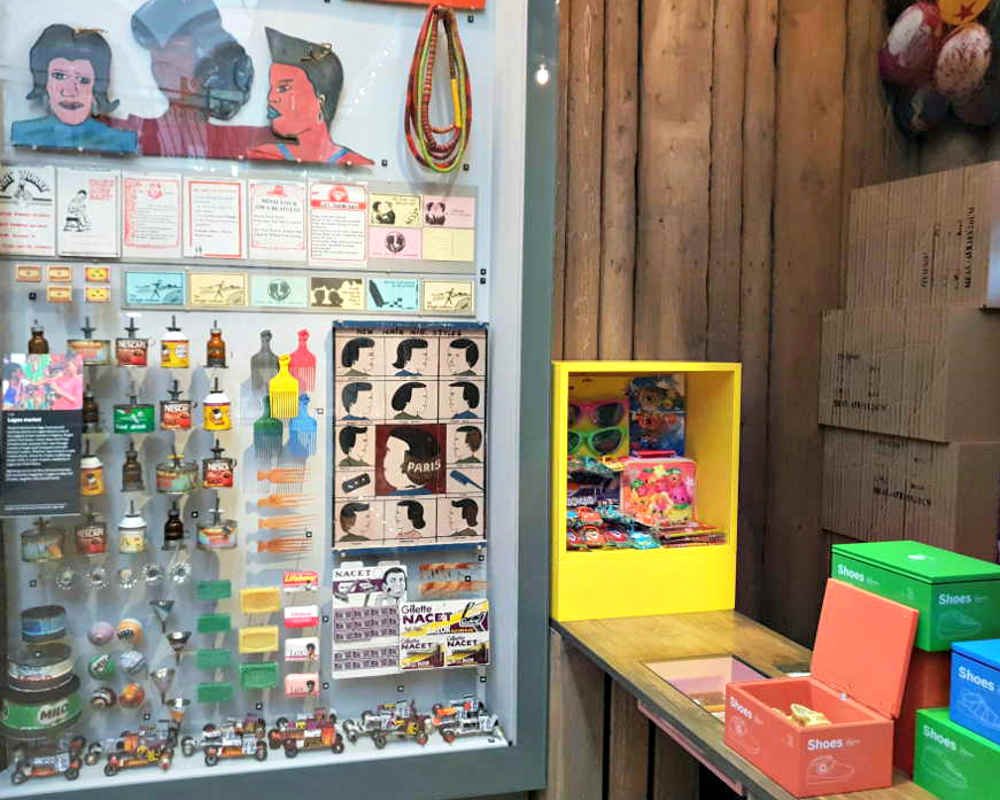
Over in Africa it’s fun for the kids to explore the everyday objects sold in a Lagos market, one of the biggest street markets in Nigeria. Just be prepared for some serious haggling!
The Tuareg
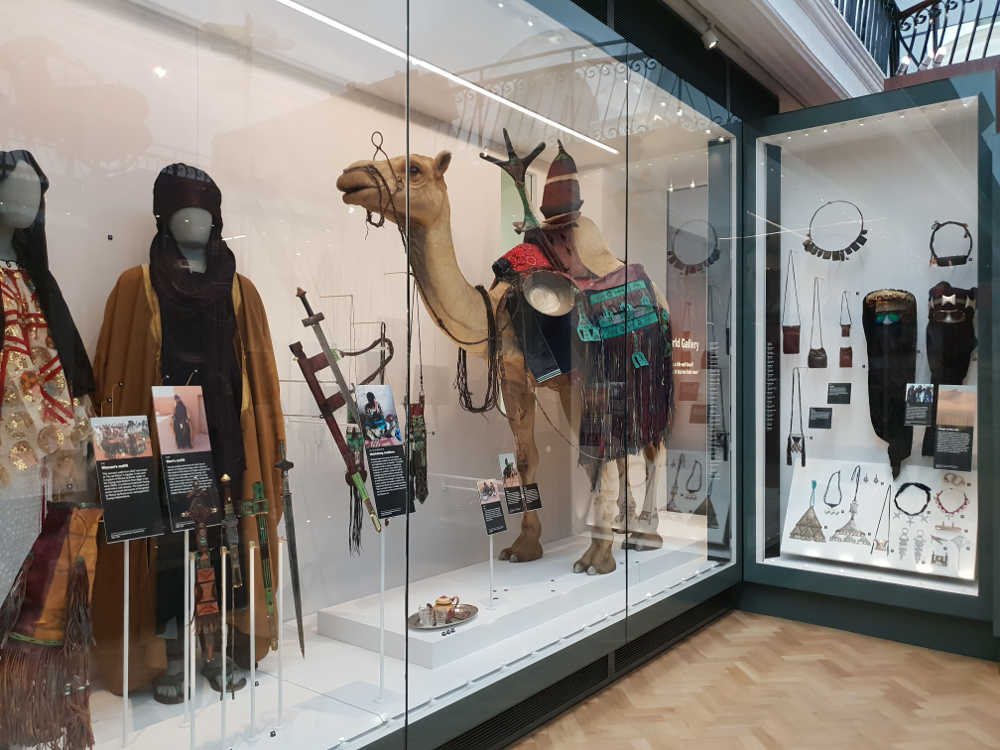
The Tuareg, who come from Algeria, Mali, Niger, Libya and Burkina Faso, have a shared cultural identity. Bags, swords, tents, jewellery, clothes and sandals are ornately decorated with distinctive colours and patterns. The camel saddle is made from two carved pieces of wood held in place with the soft skin of the cow’s underbelly. There are more than 50 different terms for camel, indicating age, colour, temperament and gait.
Thai masks
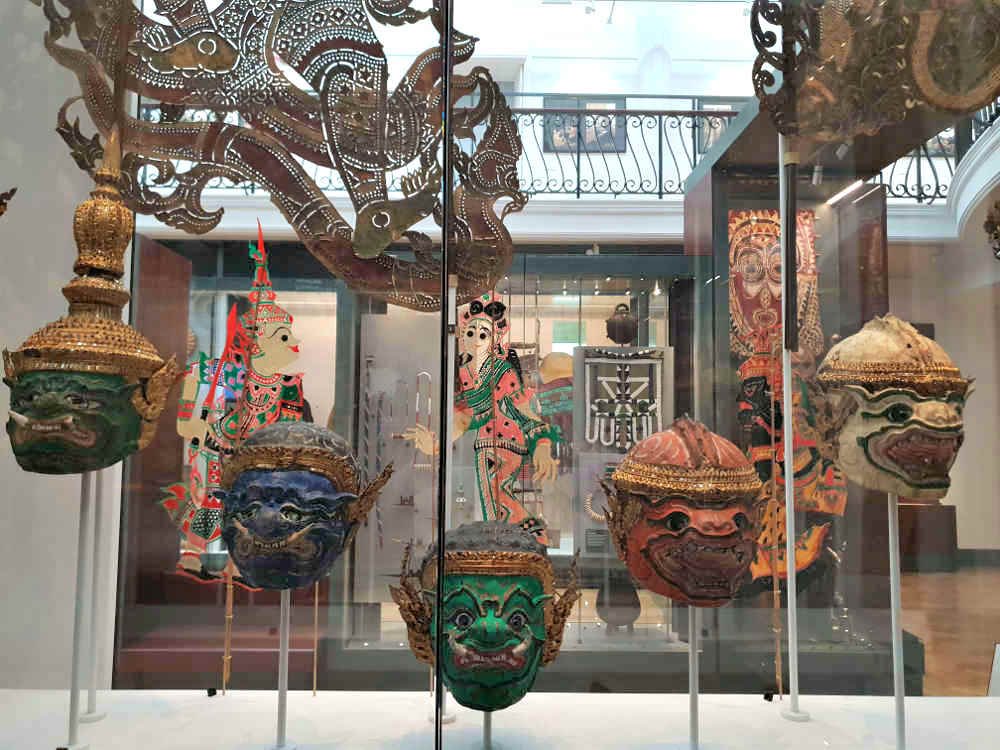
These Thai masks are used in the Ramakien, a sacred masked dance composed in the 18th century by the Thai king and performed at the royal court.
American Northwest Coast
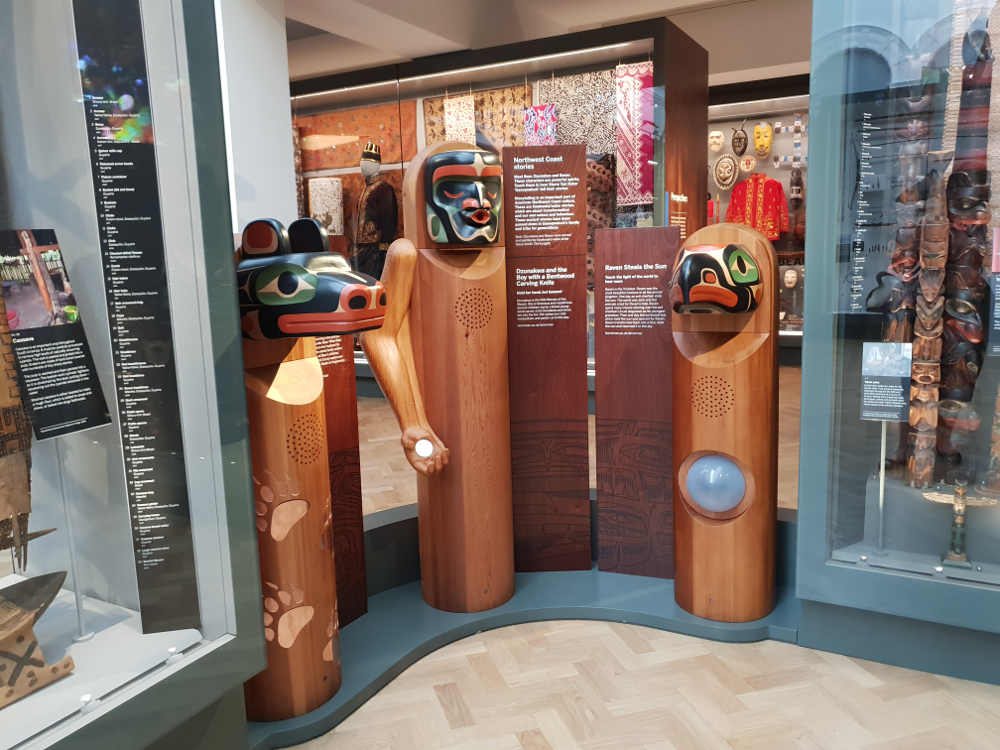
Storytelling is a part of the fabric of the American Northwest Coast. These carvings represent the powerful spirits Bear, Dzunakwa and Raven. Touch them and listen to how Raven stole the sun and returned it to the sky, or how the ashes of Dzunakwa, the Wild Woman of the Woods, morphed into mosquitoes and how she plagues us with her bites to this day.
The Cloutie tree
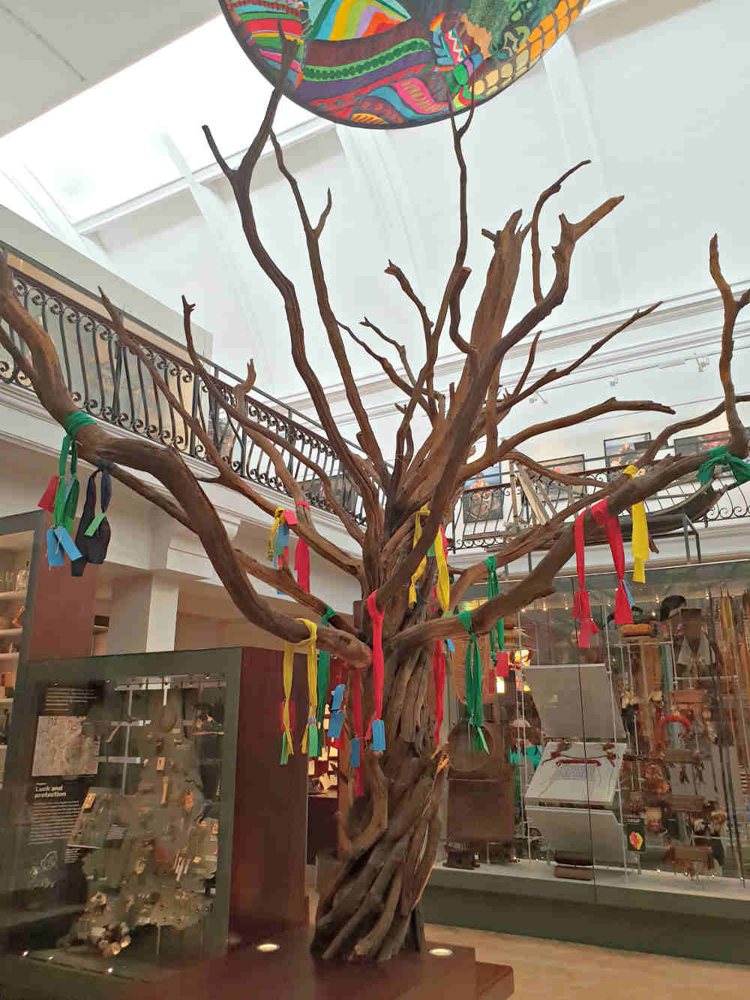
The Cloutie tree is adorned with pieces of fabric, each representing a wish or a note of gratitude. The tradition comes from sacred wells and springs, where scraps of fabric are tied as wishes. Add your own message of gratitude.
The Presepe
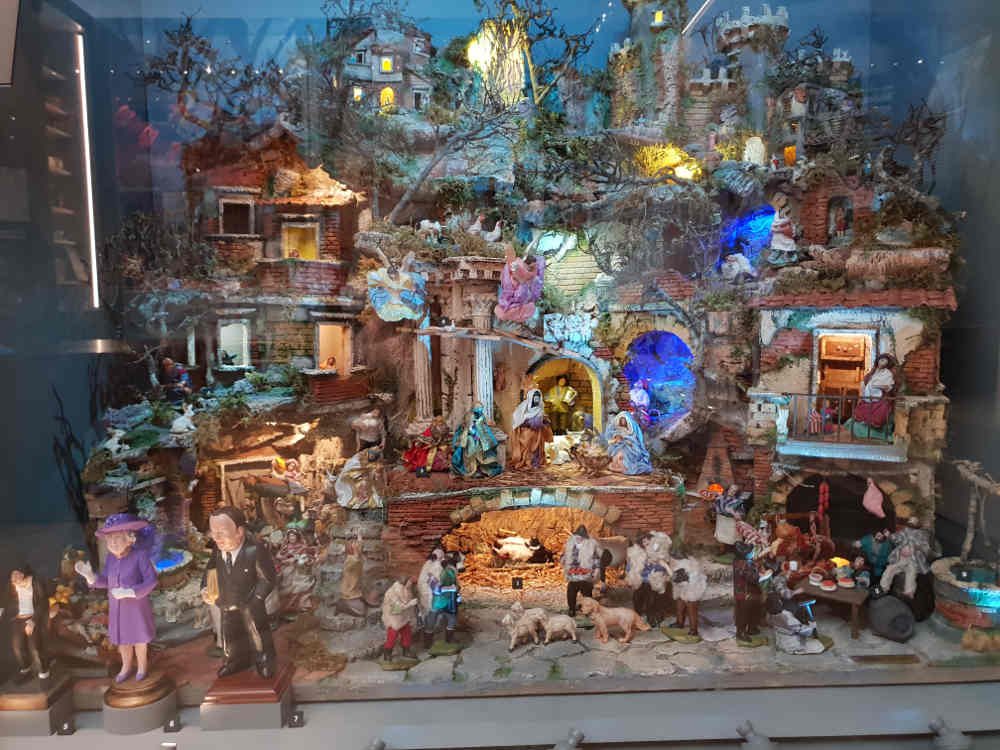
The Presepe, or Nativity scene, represents the birth of Jesus. This one was made in Naples in 2017 by Katugasthotage Dimutu Lasantha and Giovanni Giudice, and it features such strange guests as Michael Jackson, Queen Elizabeth II and Silvio Berlusconi.
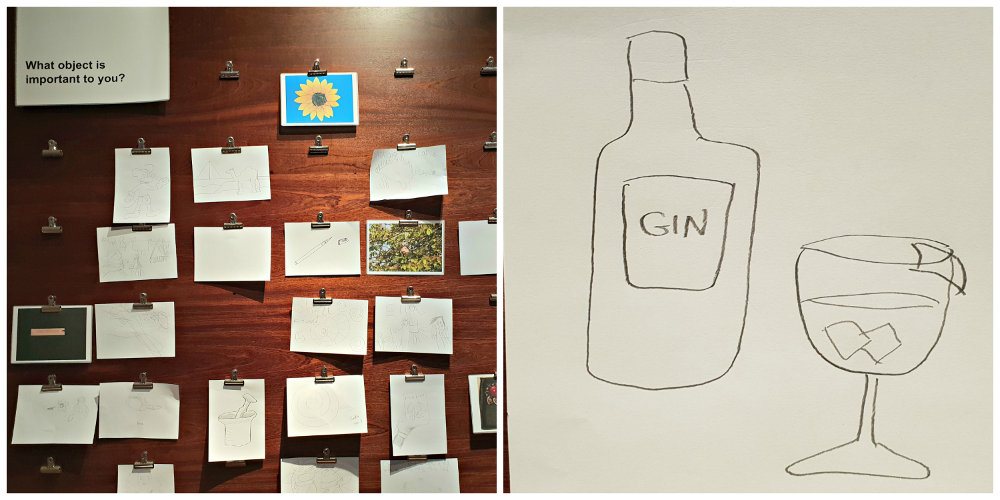
Clearly, one of the visitors has a sense of humour.
Horniman Museum Gardens
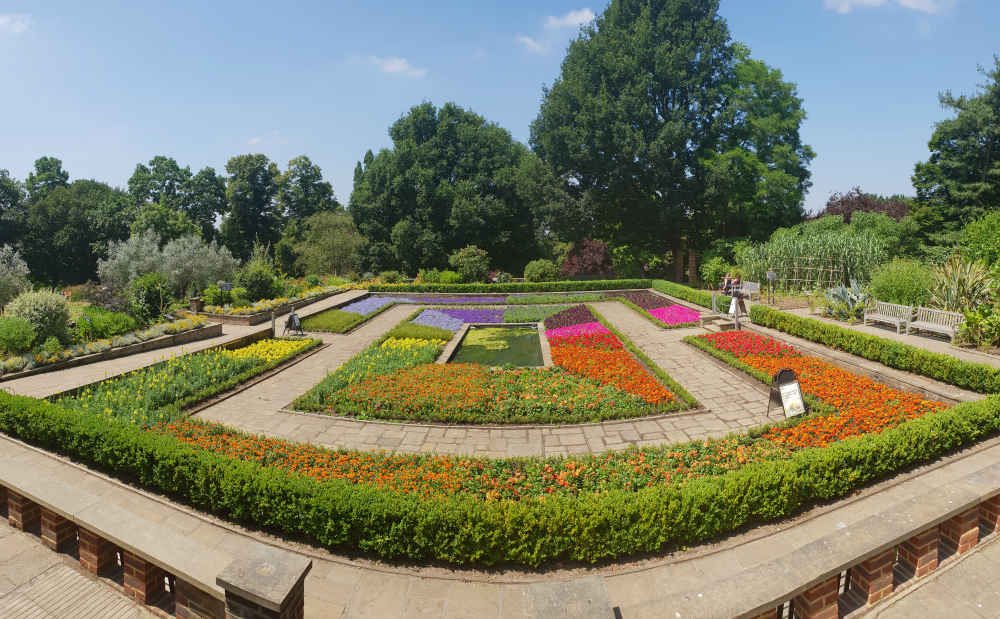
Don’t miss a wander around the stunning 16 acres of gardens. There’s a Grasslands Garden, a Wildlife Garden, botanical display gardens, a handsome conservatory and a bandstand with killer views of London. The Horniman Nature Trail is one of the oldest in London and runs for half a mile on the site of the original Crystal Palace and South London Junction Railway.
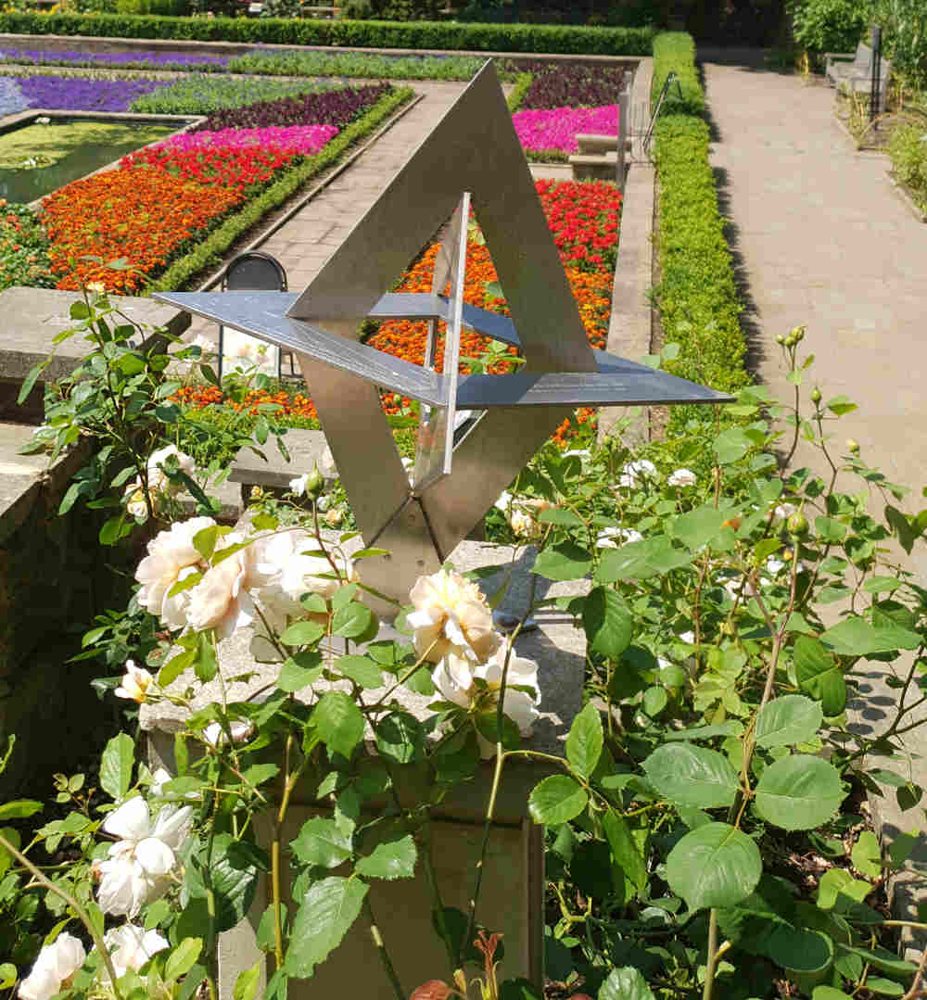
And if that isn’t enough, there’s a Sundial Trail with a dozen sundials to locate.
The Conservatory
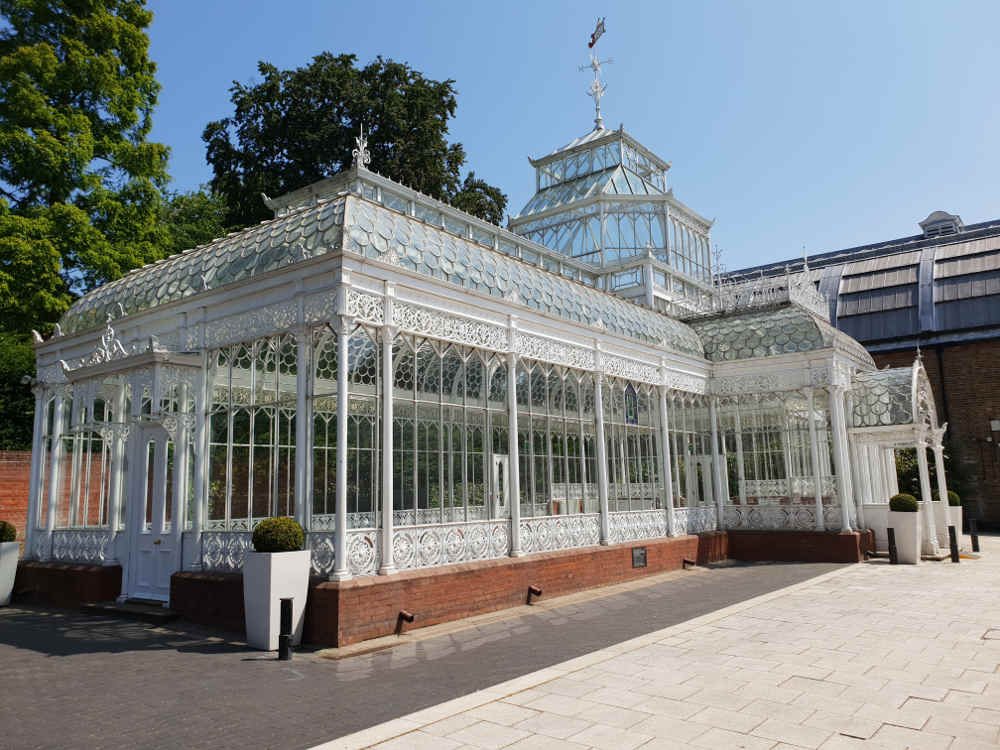
The Grade II listed Conservatory was originally erected in 1894 at the Horniman family home in Coombe Cliff, Croydon. It’s based on the Crystal Palace, built for the Great Exhibition of 1851 in Hyde Park. Today it is used for special events and as the setting for the museum’s arts and crafts markets.
Café and picnics
The Horniman has a fantastic sustainability programme, and the café plays by the same rules, with plant-based alternatives to single-use plastic. It serves delicious food and snacks and caters for vegan and gluten-free diets, and the Bandstand kiosk serves hot and cold drinks with a view. You could also grab a grassy pew and bring your own picnic to one of many idyllic spots in the gardens, or head for the Dutch Barn if it rains.
Visit the Horniman Museum: practical information
Where: 100 London Road, Forest Hill, London SE23 3PQ. The closest station is Forest Hill, and several buses stop outside.
Entry: the museum and gardens are free to visit, but there is a charge for the Aquarium, the Butterfly House and some exhibitions. Opening times and events change, so check the official website and its what’s on page before you go.
You could hit two birds with one stone and combine your trip with a visit to the Dulwich Picture Gallery. For more oddities, see my guide to quirky alternative museums.