I do enjoy a jaunt outside of London. Throw in a castle, anything about Henry VIII and a historical pub, and I’m there quicker than you can throw a jousting stick. And Hever Castle in Kent isn’t just any old castle: it was the Boleyn family seat and Anne Boleyn’s childhood home. Fast forward to the 20th century and it was William Waldorf Astor’s turn to move in and weave his magic on the old place. You’ll be ooing and wowing as you tread in Anne and William’s footsteps, and the gardens are jaw-dropping too. Here is why you need to visit, and a perfect excuse for a day trip outside of London.
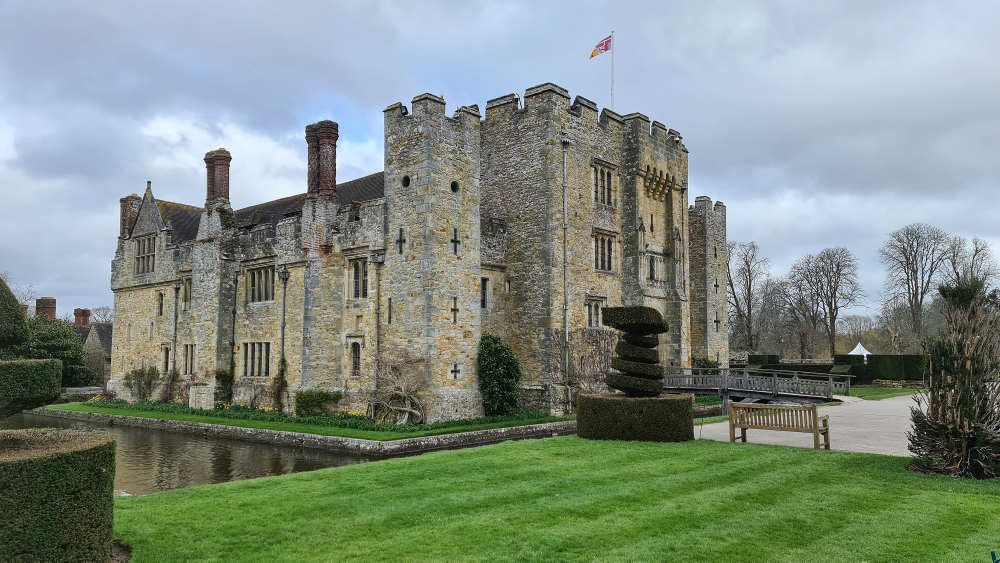
Hever Castle: more than 700 years of history
The medieval castle was originally built in 1270 and was the seat of the Boleyn family (originally known as Bullen) from 1462 to 1539. Thomas Boleyn was a favourite of Henry VIII and one of his most gifted diplomats. He moved into the castle in 1505 and gave it all of its Tudor flourishes.
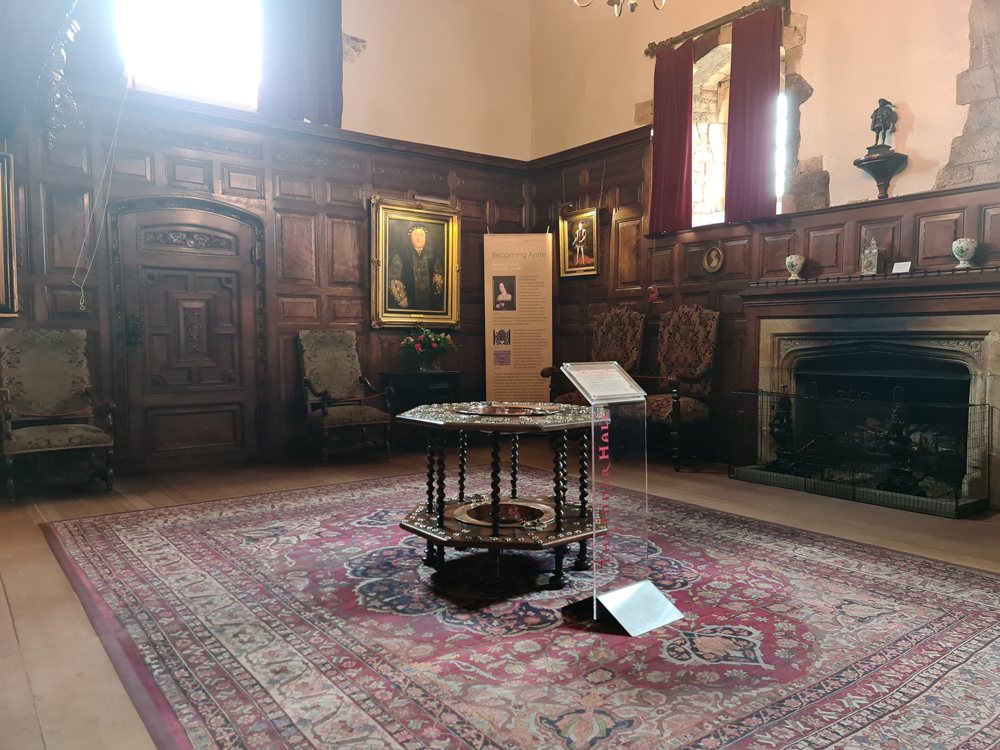
The Inner Hall was the kitchen in Thomas Boleyn’s time. Above the fireplace is a replica of a clock which Henry VIII gave to Anne Boleyn as a wedding present.
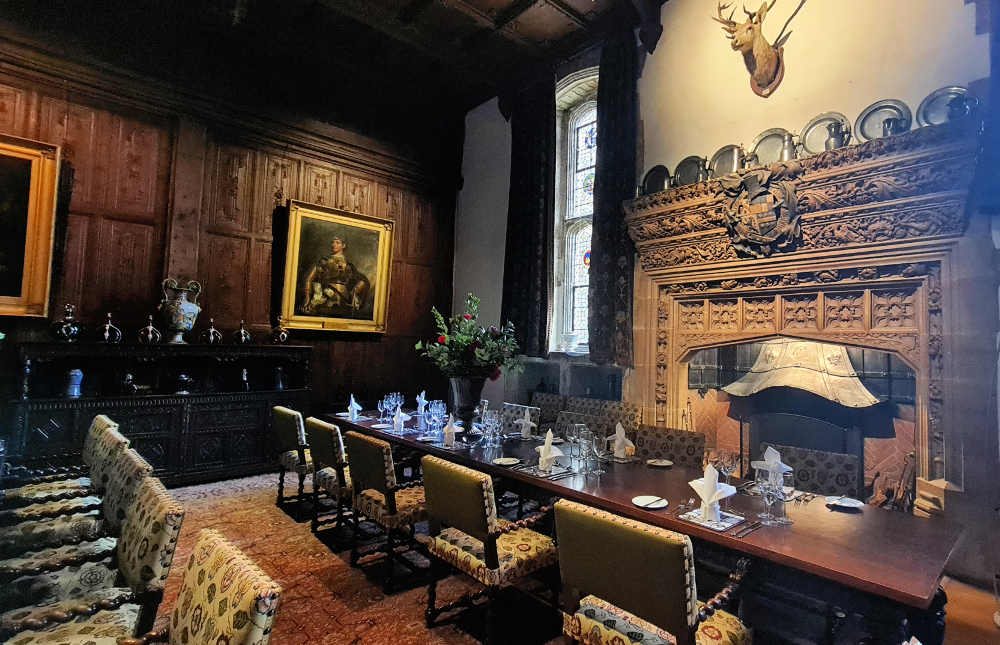
The Dining Hall was once the Great Hall. The fireplace hood has Tudor rose detailing.
One of the oldest working portcullises in England
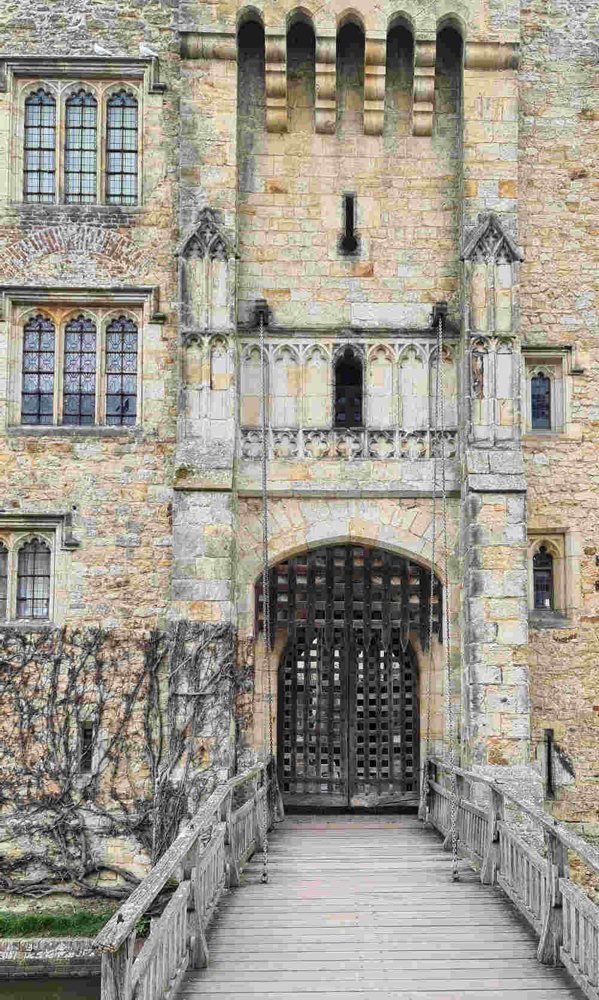
Entrance to the courtyard is via a drawbridge which was reinstated by Astor in 1905. The two portcullises are some of the oldest in England, and one of them can still be operated.
Anne Boleyn’s childhood home at Hever Castle
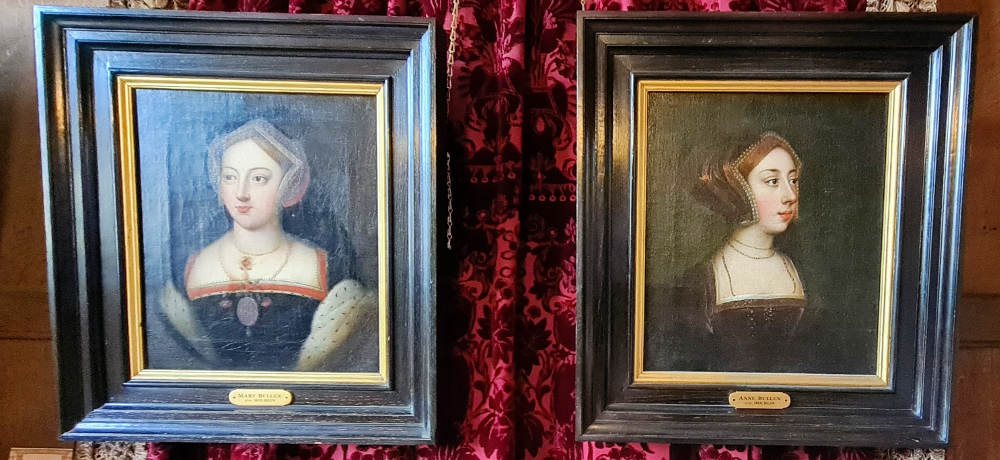
Anne spent several of her childhood years here with her siblings Mary and George. Thanks to a close diplomatic relationship between Thomas Boleyn and Margaret of Austria, the young Anne Boleyn was sent abroad to join Margaret’s court. It kick-started a brilliant international education for the future queen, completed in France during her time in the Queen’s household there.
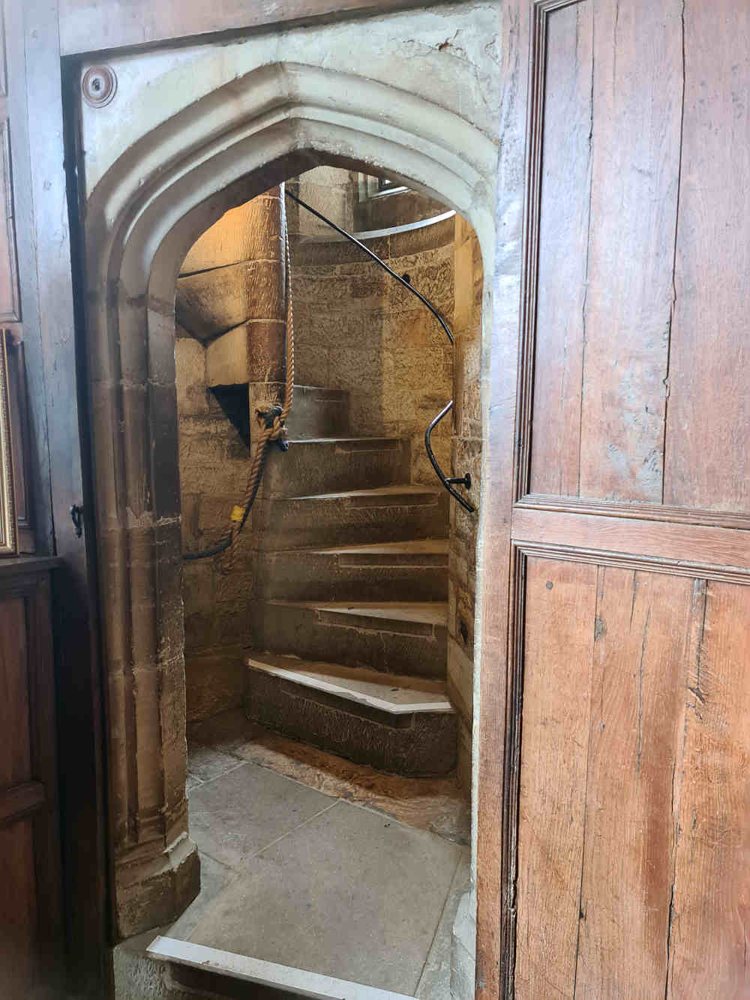
Walk in Anne Boleyn’s footsteps as you wander around her childhood home.
Two of Anne Boleyn’s prayer books
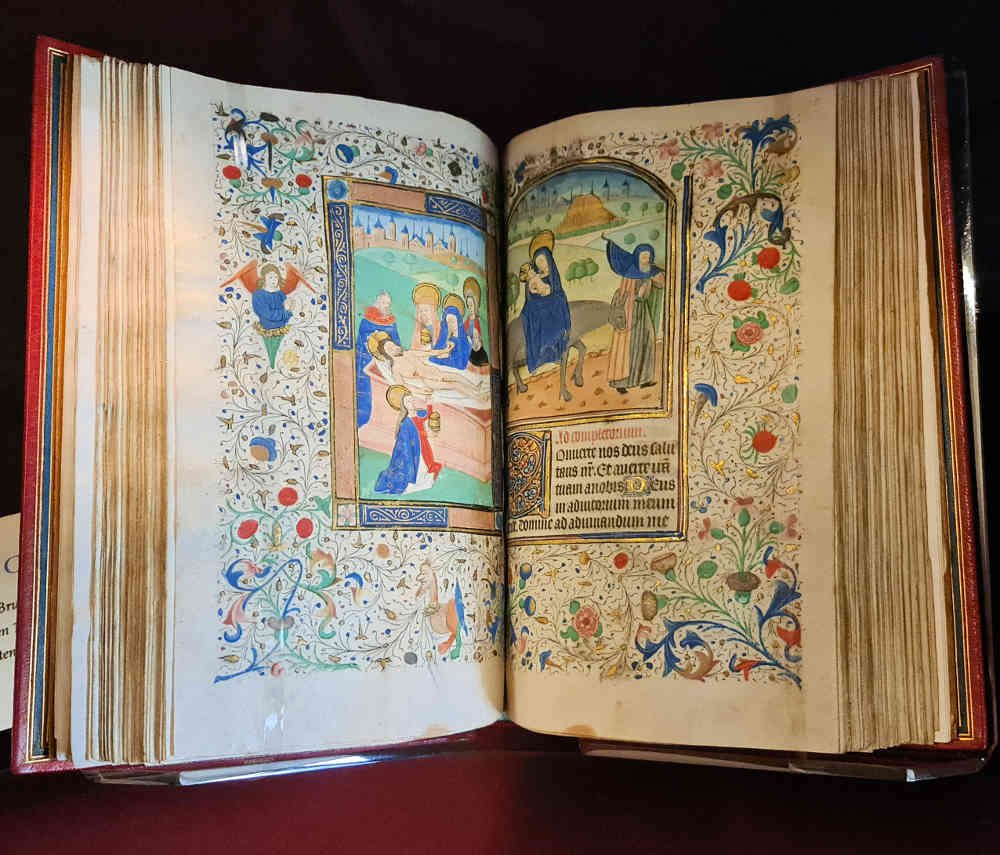
Two prayer books belonging to Anne Boleyn are on display, both of which bear her signature. On the opening page of one Book of Hours Anne wrote Le Temps Viendra, je Anne Boleyn (The Time will Come, I Anne Boleyn). On the other she wrote: “remember me when you do pray / that hope doth lead from day to day.” One of these Books of Hours is said to have been taken by Anne to her execution at the Tower of London.
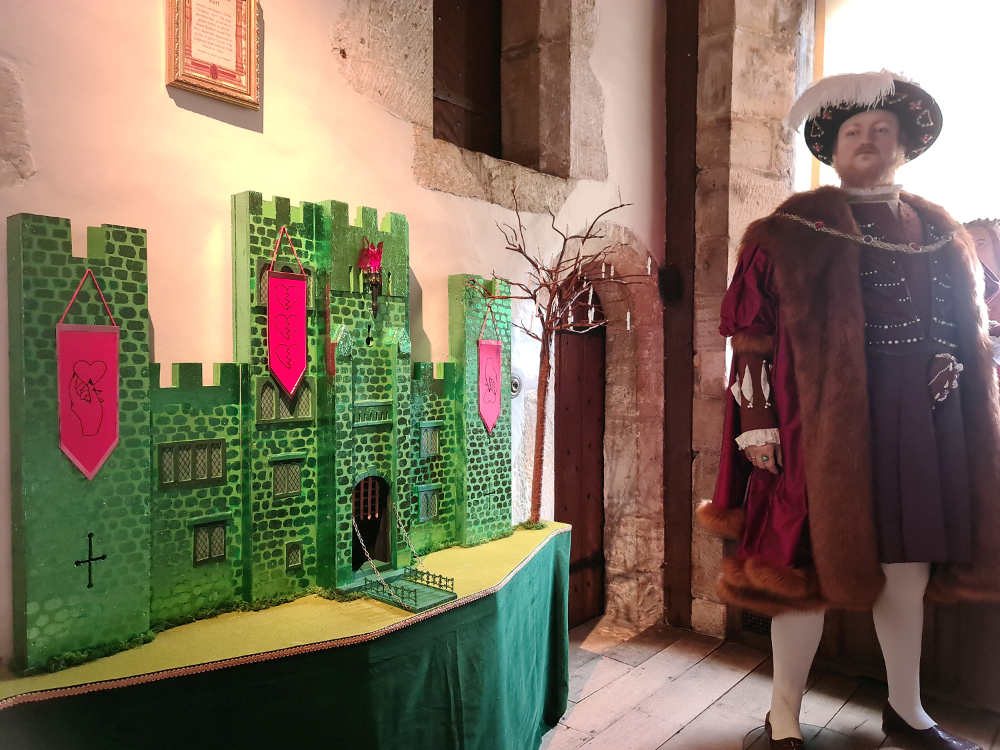
A reproduction of the Château Vert set, the pageant where Anne Boleyn made her debut at the Tudor court.
Anne made her debut at the Tudor court during the famed Château Vert pageant. The set included a temporary fort covered in hundreds of pieces of green foil, and eight ladies of the court were cast in the show, with Anne taking the role of Perseverance. Henry was in the show too, in the lead of course.
Tudor treasures inside the castle
Anne of Cleves lived here too
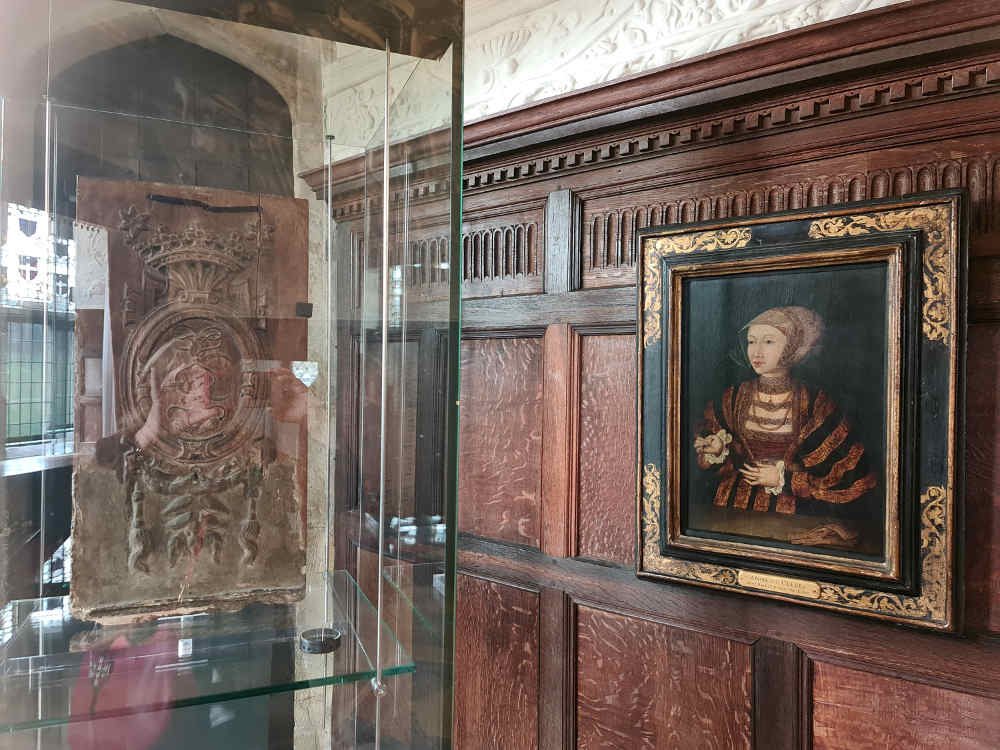
When Thomas Boleyn died the castle came into Henry VIII’s possession. He gifted it to Anne of Cleves as part of their divorce settlement, and she kept it for 17 years. The Anne of Cleves panel is one of the few surviving artefacts that belonged to her, and the design was reproduced for her tomb in Westminster Abbey.
One of Henry VIII’s working locks
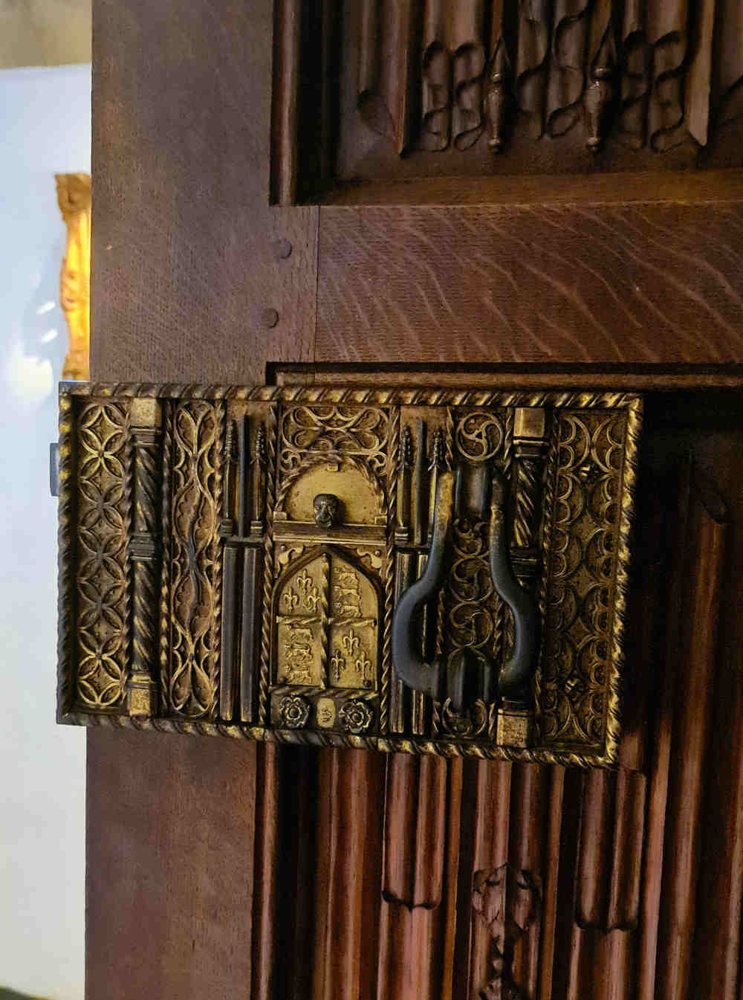
Henry VIII travelled across the country with his own door locks, and Astor bought one believed to have belonged to the Tudor king. It’s still in working order, and you can have a tinkle with it in the Dining Hall.
One of the best Tudor portrait collections
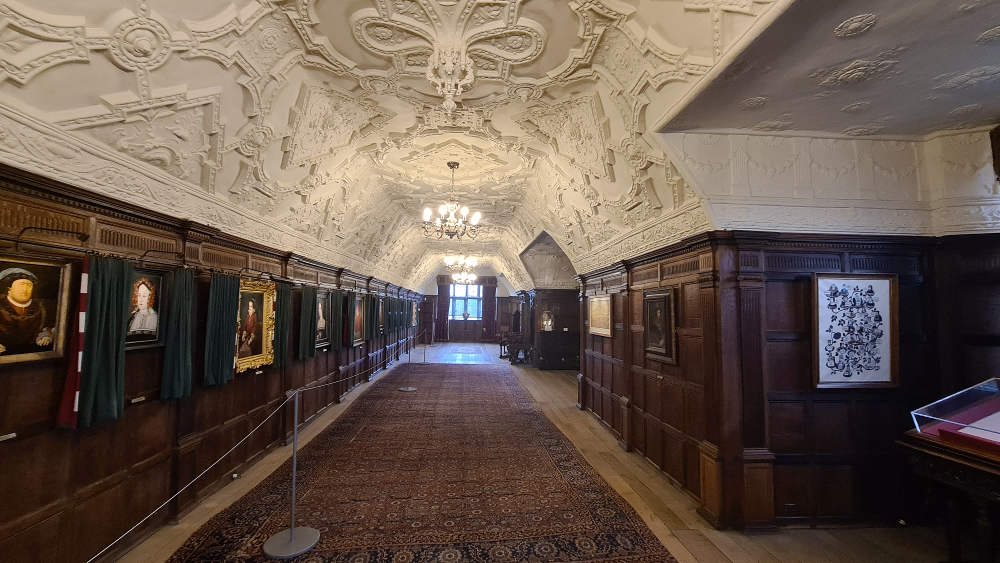
The Long Gallery’s Tudor-style ceiling was made in London and brought to Hever on a steam train.
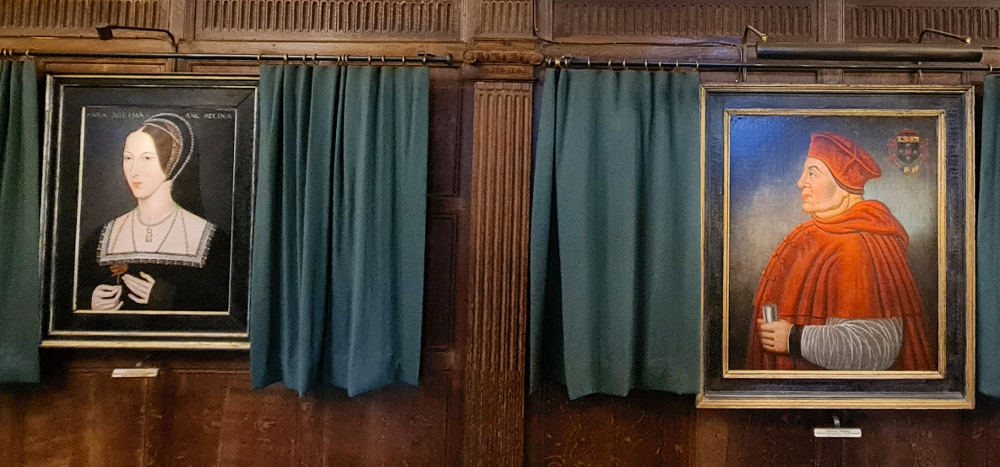
Foes to the death: Anne Boleyn and Thomas Wolsey in the Long Gallery.
The Long Gallery dates from the Boleyns’ time and was used for entertaining and for exercise. It is thought to hold one of the best collections of Tudor portraits outside the National Portrait Gallery, and you can see portraits of all of Henry’s wives. If only walls could talk.
Astor’s Hever Castle: interiors and gardens
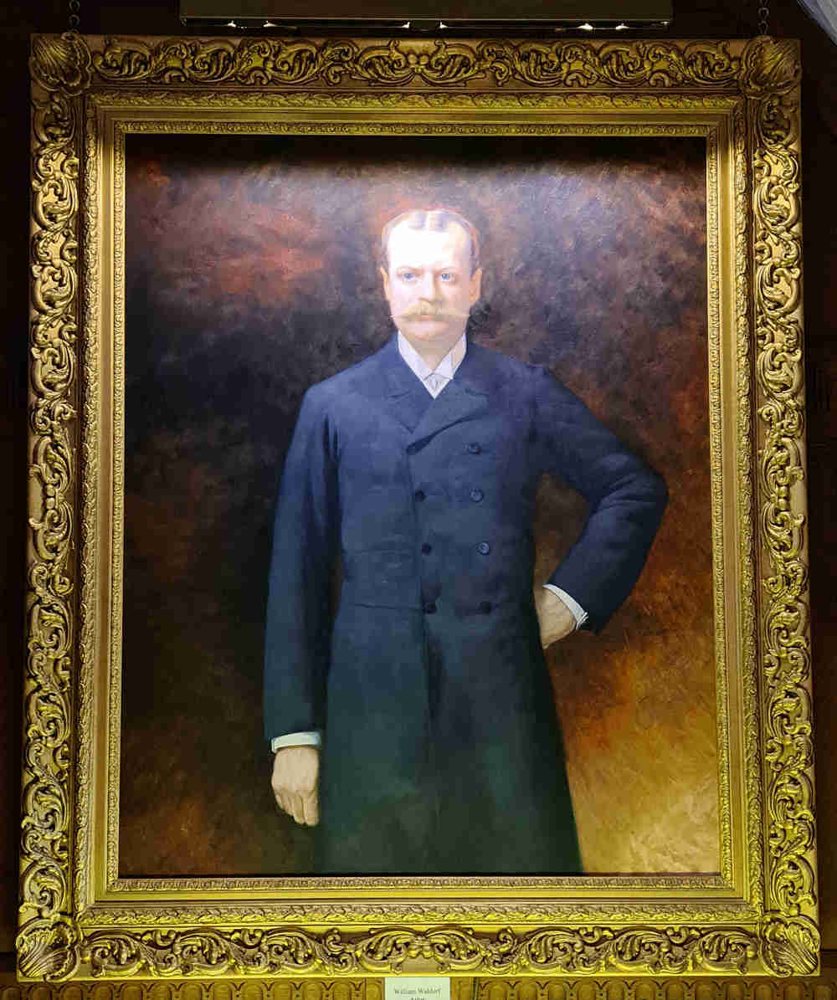
Hever Castle fell into disrepair and, as happy fate would have it, in stepped the American tycoon William Waldorf Astor (you may know his jaw-dropping interiors at Two Temple Place in London). Between 1903 and 1908 Astor and his architect Frank Loughborough Pearson transformed the run-down Tudor mansion into the spectacular castle you see today, drawing inspiration from Tudor and Elizabethan architecture. About 750 men worked on the castle while a further 800 excavated the man-made lake.
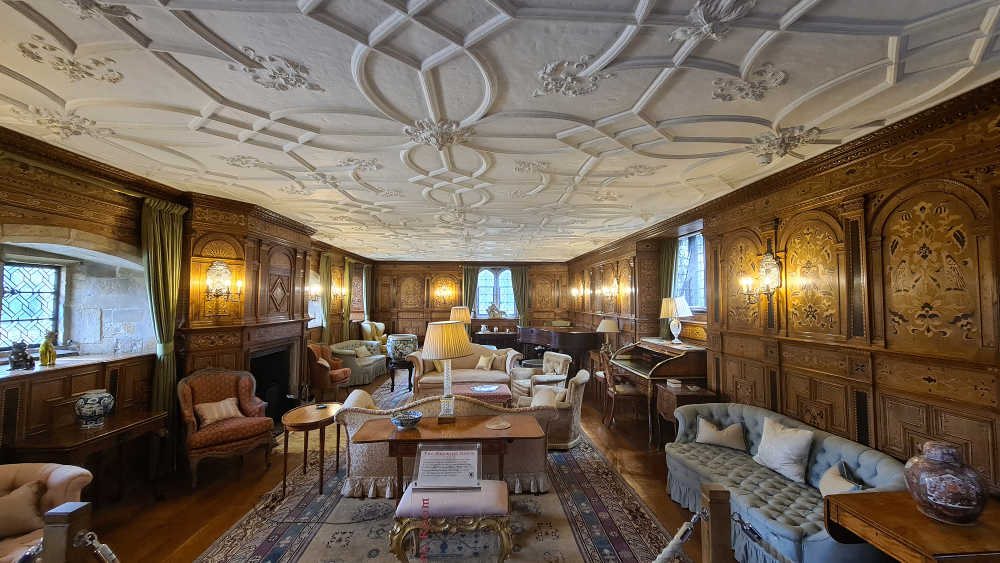
The Drawing Room would originally have contained the Tudor domestic offices. The oak panelling was inspired by the Elizabethan Chamber at Sizergh Castle in Cumbria.
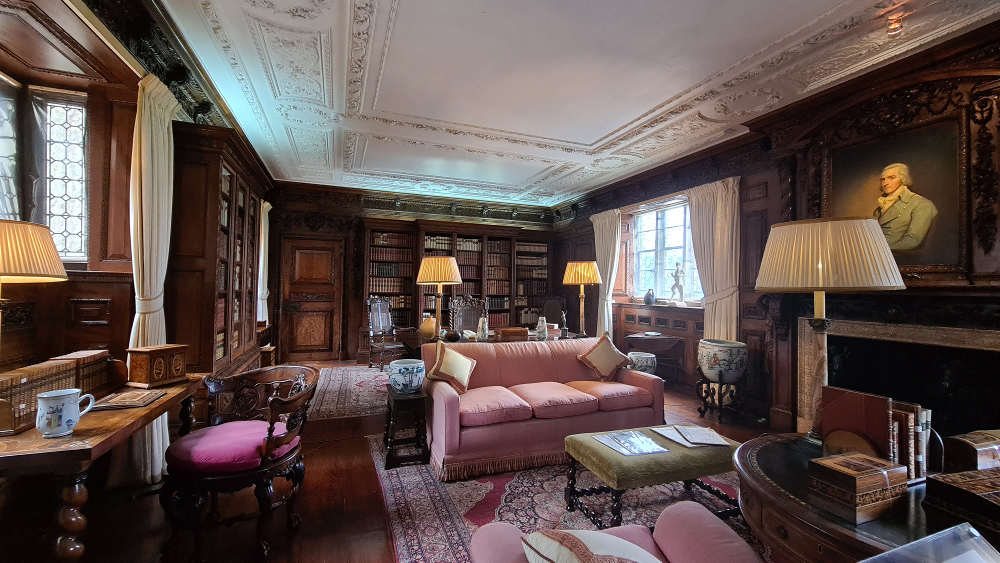
The Library originally contained the administrative offices. The bookcases are copies of those once owned by the diarist Samuel Pepys.
A spectacular garden
A workforce of over 1,000 worked on Astor’s 125 acres of gardens. The result is a Rose Garden with 4,000 bushes, a 38-acre lake, an English Yew Maze, a Japanese Tea House and a Tudor Garden. Don’t miss the Chess Garden with its giant set.
You can sleep here
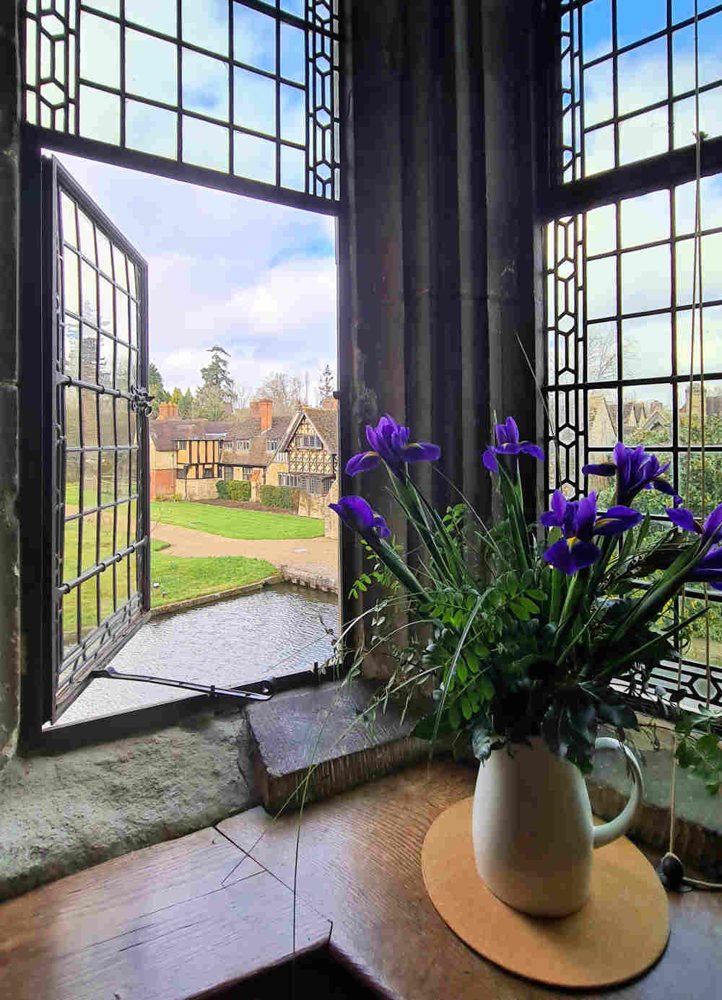
Yes, you read that right. The Tudor Village was built by Astor as an accommodation wing. It’s now known as the Astor Wing and is where you’ll stay if you decide to bunk in for a night or two. You could also take over Medley Court, a holiday cottage within the castle grounds.
Events all year round
The castle is a beehive of activity all year round, with an open-air theatre season in the grounds and the annual Hever Festival, with its magnificent lake setting. For classical music enthusiasts there are noteworthy performances, and there’s even opera and jazz. Check the what’s on page for the latest events and exhibitions.
Lunch in a pub fit for a king
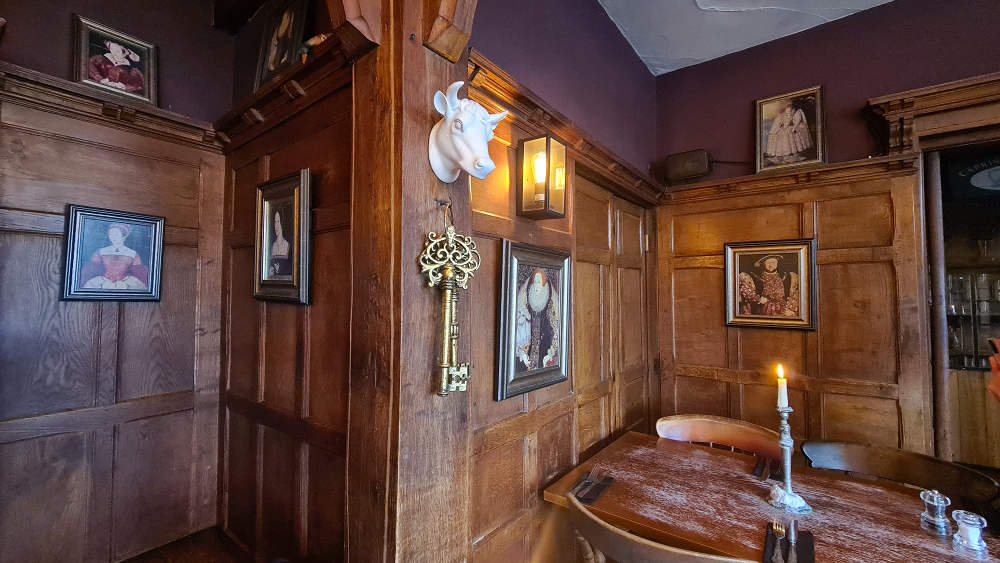
When I visited most of the dining outlets were closed and it was too cold for a picnic. I love my historical pubs, so I headed into Hever village to the Henry VIII pub instead. It’s a gem of a pub and has been serving locals since 1597. It has a great menu, caters for gluten and dairy-free fusspots like me, and you’ll enjoy soaking up the historical atmosphere. Make sure you book, as it was very busy when we went.
Visit Hever Castle: practical information
Where: Hever Castle, Hever, Edenbridge, Kent TN8 7NG. The nearest stations are Hever and Edenbridge Town.
Tickets: prices and opening times change through the year, and you can book a ticket for the castle and gardens (or gardens only) on the official website.
Love a Tudor day out? Read my guides to Eltham Palace and the lost dress of Elizabeth I at Hampton Court.