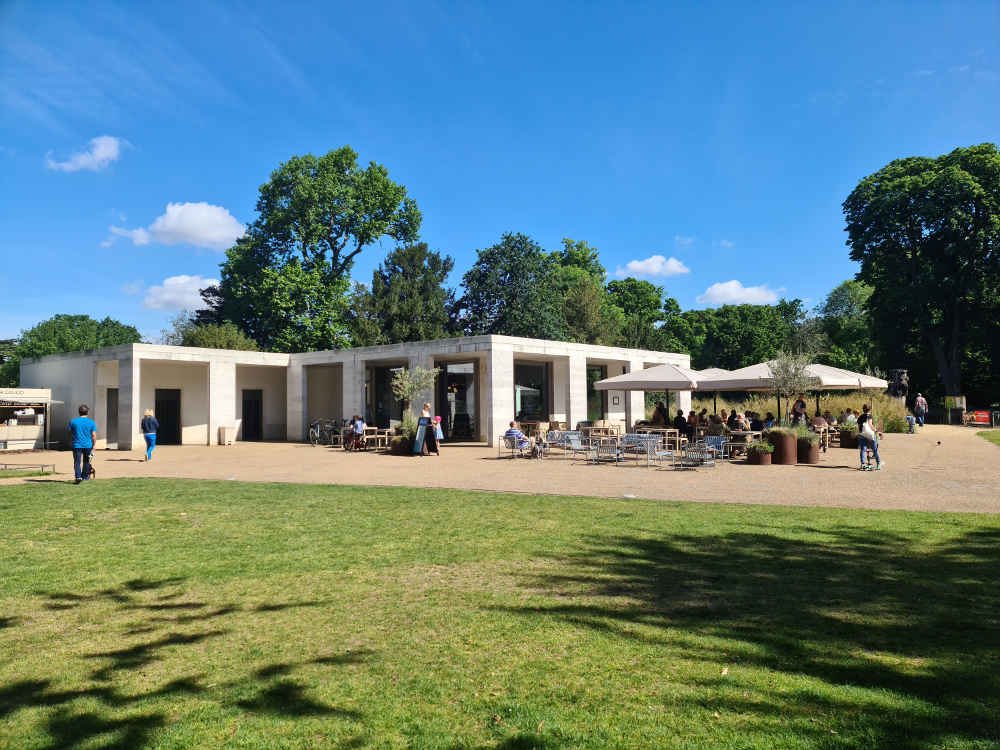
Chiswick House and Gardens, with its neo-Palladian villa and 65 acres of exquisite park, makes for a wonderful day out in west London. Explore Lord Burlington’s house, visit the Kitchen Garden, meander around the lake teeming with birdlife, marvel at the 18th century landscaping by William Kent and stop off for coffee or lunch in the café. A visit means stepping in the footsteps of Georgiana, Duchess of Devonshire, Handel, Queen Victoria and the Beatles. This London landmark really needs to be on your must-see list.
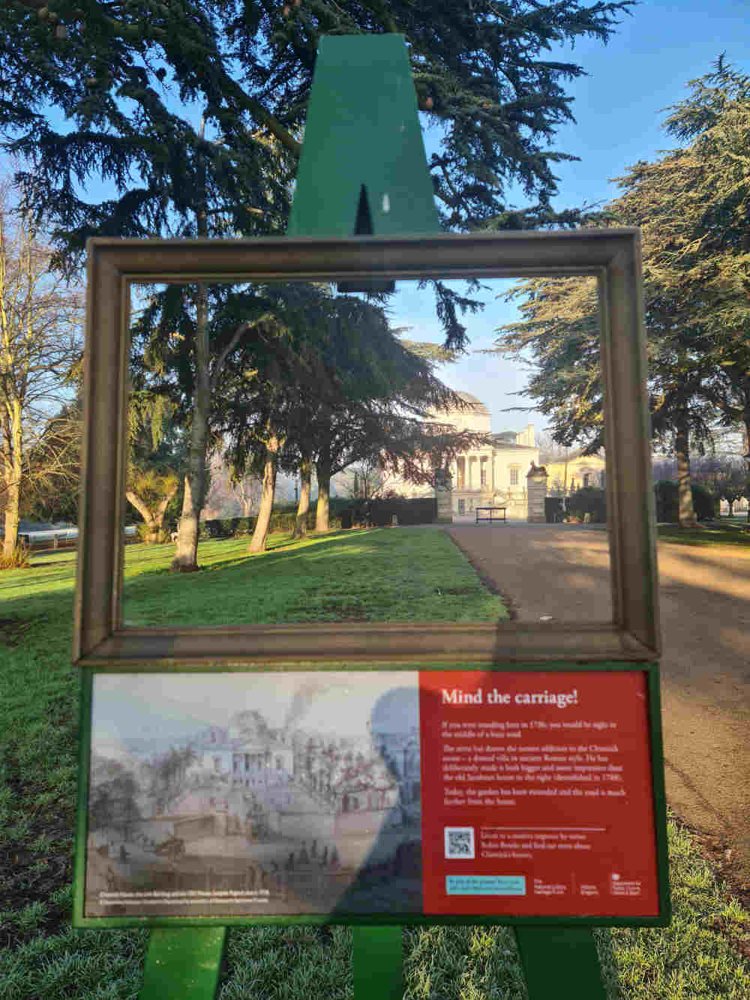
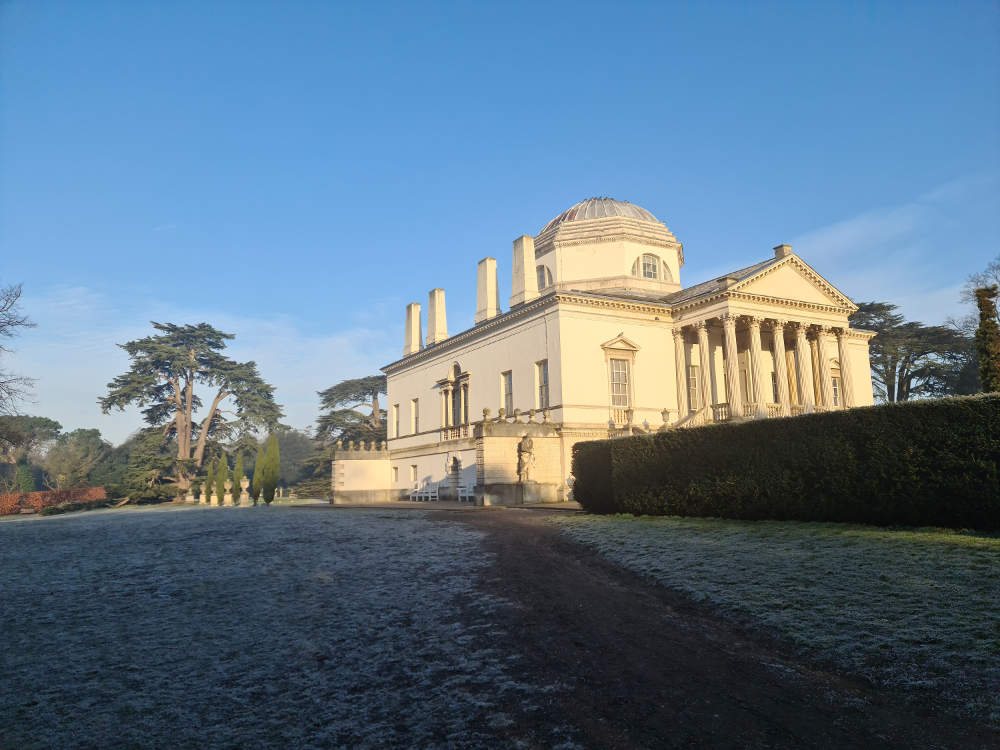
A potted history of Chiswick House and Gardens
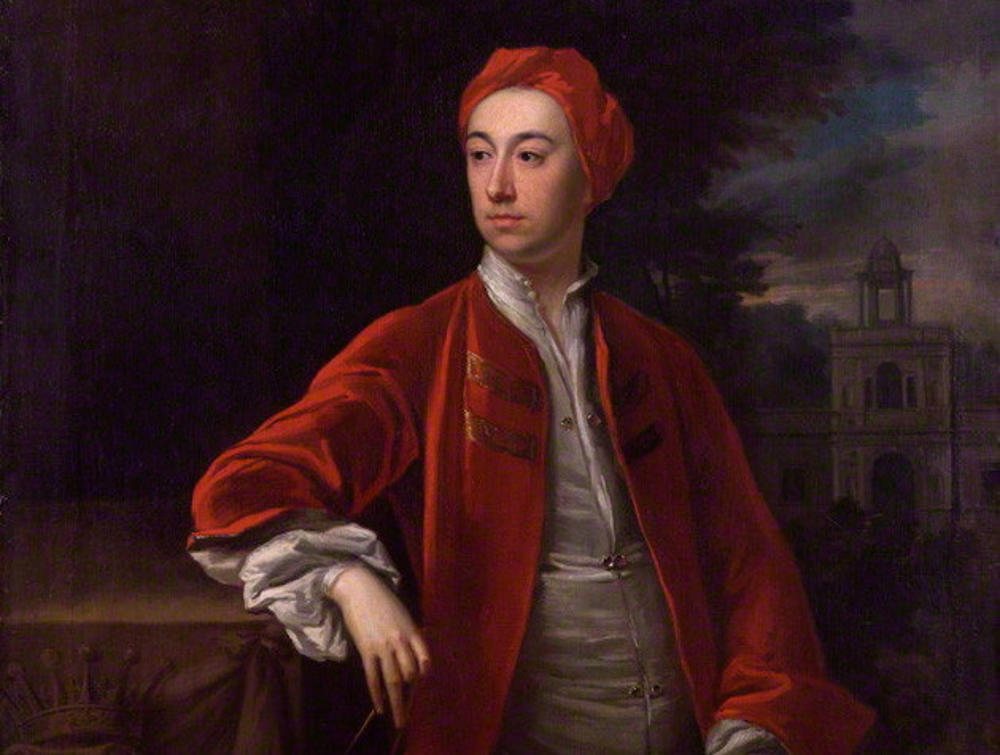
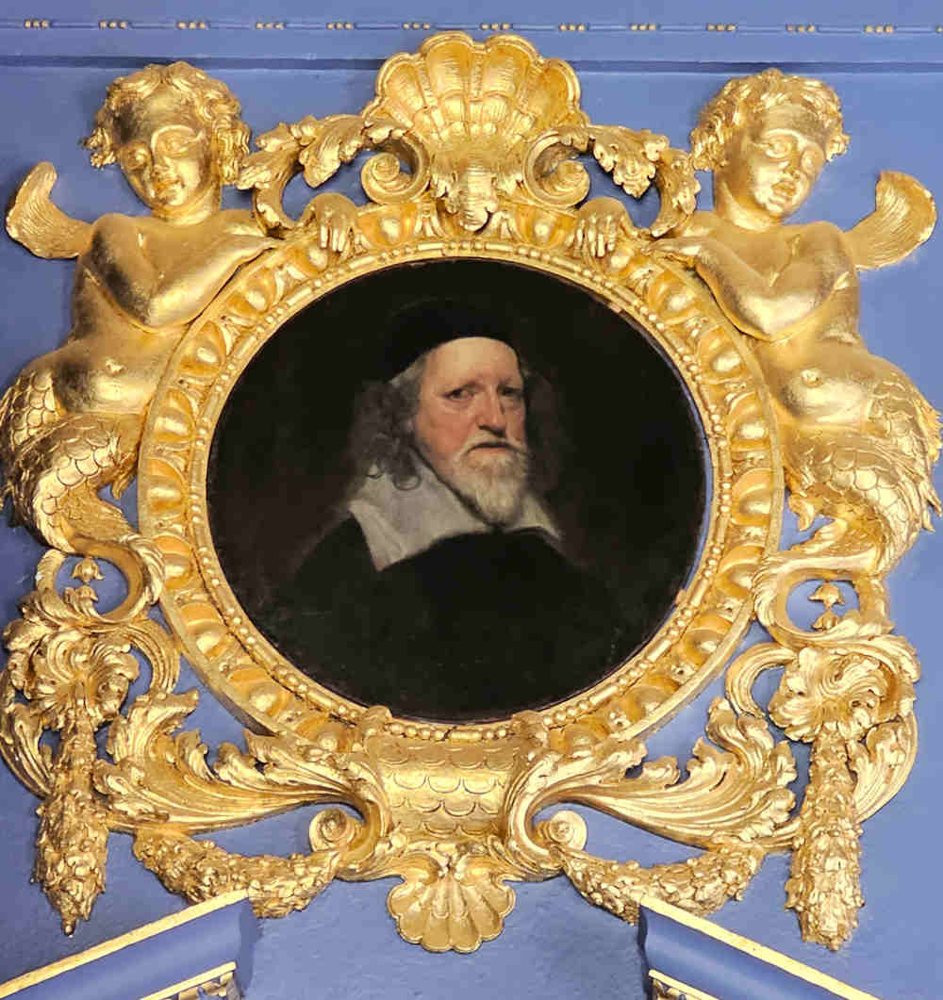
Richard Boyle, 3rd Earl of Burlington.
The history of Chiswick House is a complex one, but it centres on Richard Boyle, the 3rd Earl of Burlington. He was a mere ten years old when he inherited the estate. He was dubbed the “Apollo of the Arts” for his passion for architecture, landscaping, music and art. Burlington House (now the Royal Academy of Arts) was also the brainchild of Richard Boyle, and you can follow the composer who lived there in my guide to Handel in London.
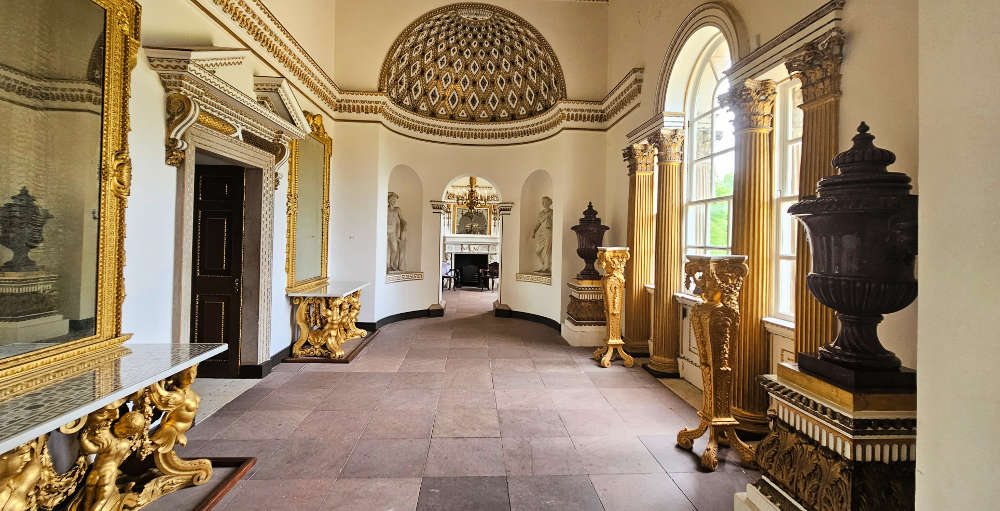
Chiswick House was designed as a show house and repository for the many objects Lord Burlington acquired on his Grand Tours. He never meant to live here and did not even have a kitchen installed.
Inigo Jones and Palladio
Armed with designs by the 17th century architect Inigo Jones and his passion for all things Andrea Palladio from his travels in Italy, Lord Burlington started building his own house in Chiswick in 1726.
William Kent
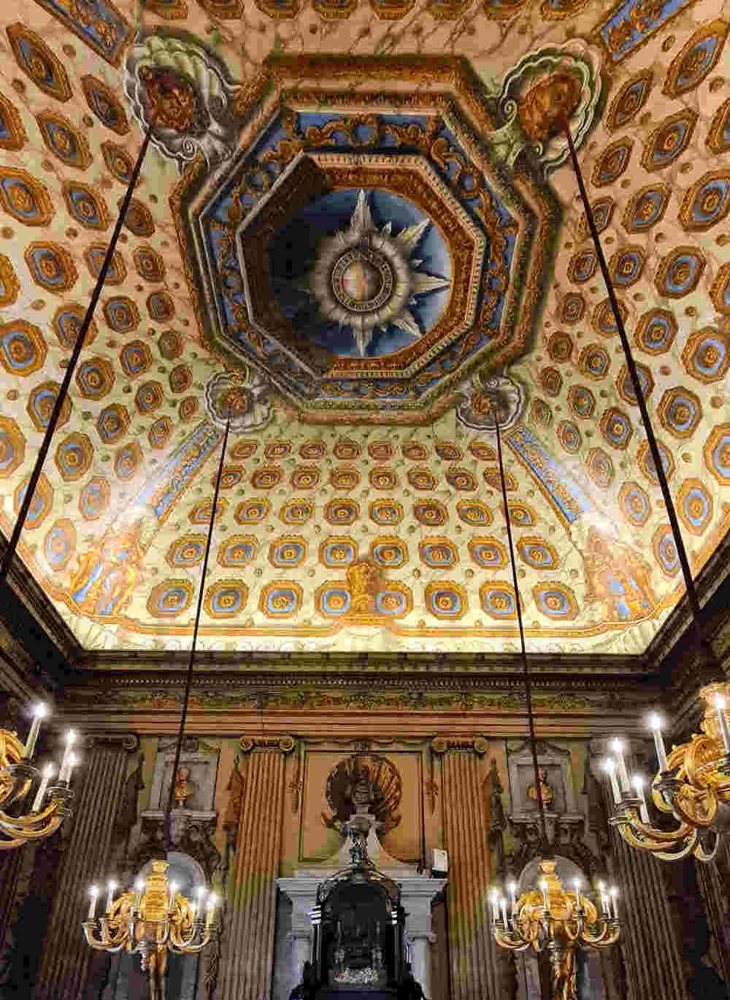
William Kent’s Cupola Room at Kensington Palace.
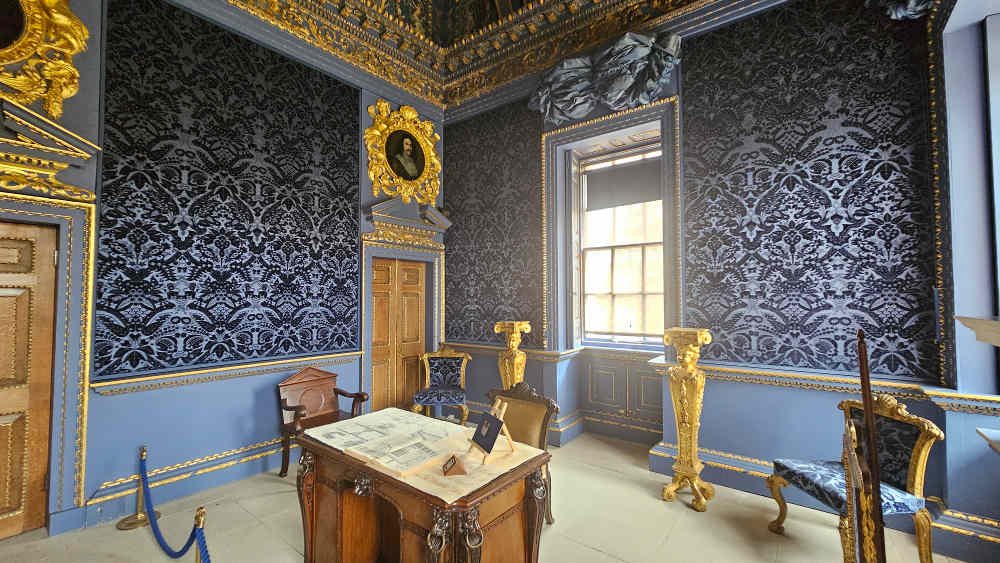
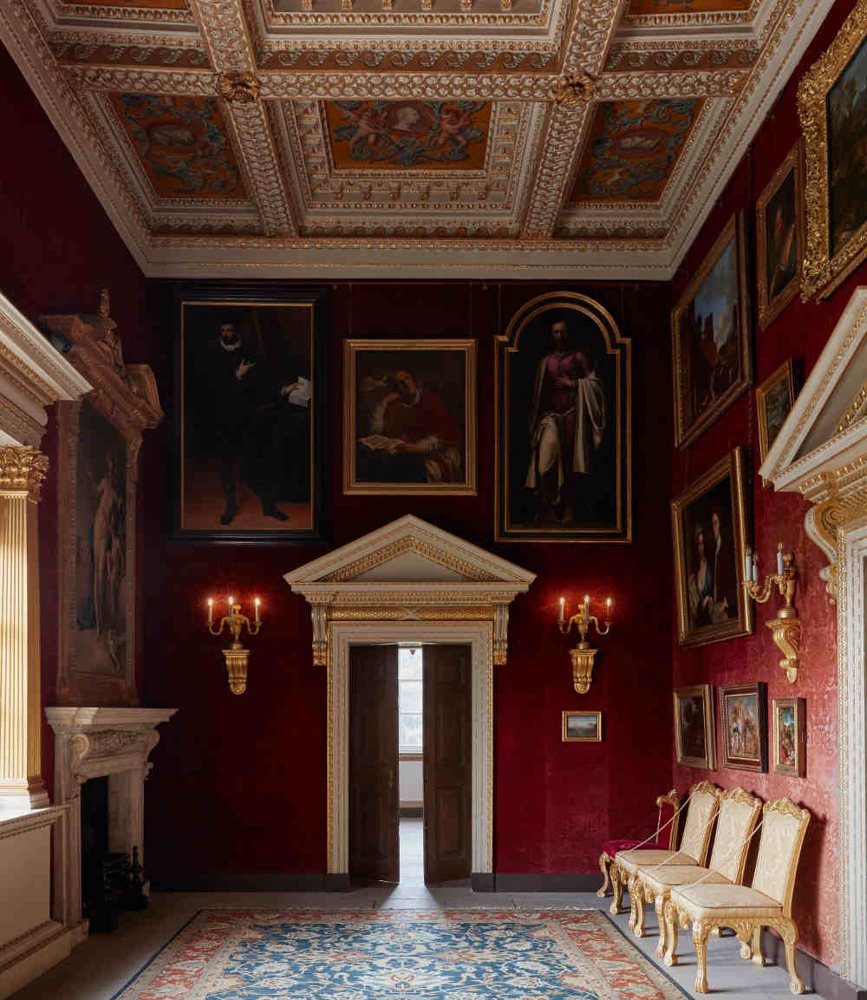
Lord Burlington went on three Grand Tours and met the English architect and painter William Kent on one of them. The friendship lasted a lifetime and resulted in the creation of the house and gardens you see today. Kent is also the man behind the King’s Staircase and Cupola Room at Kensington Palace (see my fun facts about Kensington Palace), and he designed Prince Frederick’s Barge at the National Maritime Museum. He helped to popularise the Palladian style in Britain and was one of the first to introduce the naturalistic style of garden.
Georgiana, Duchess of Devonshire
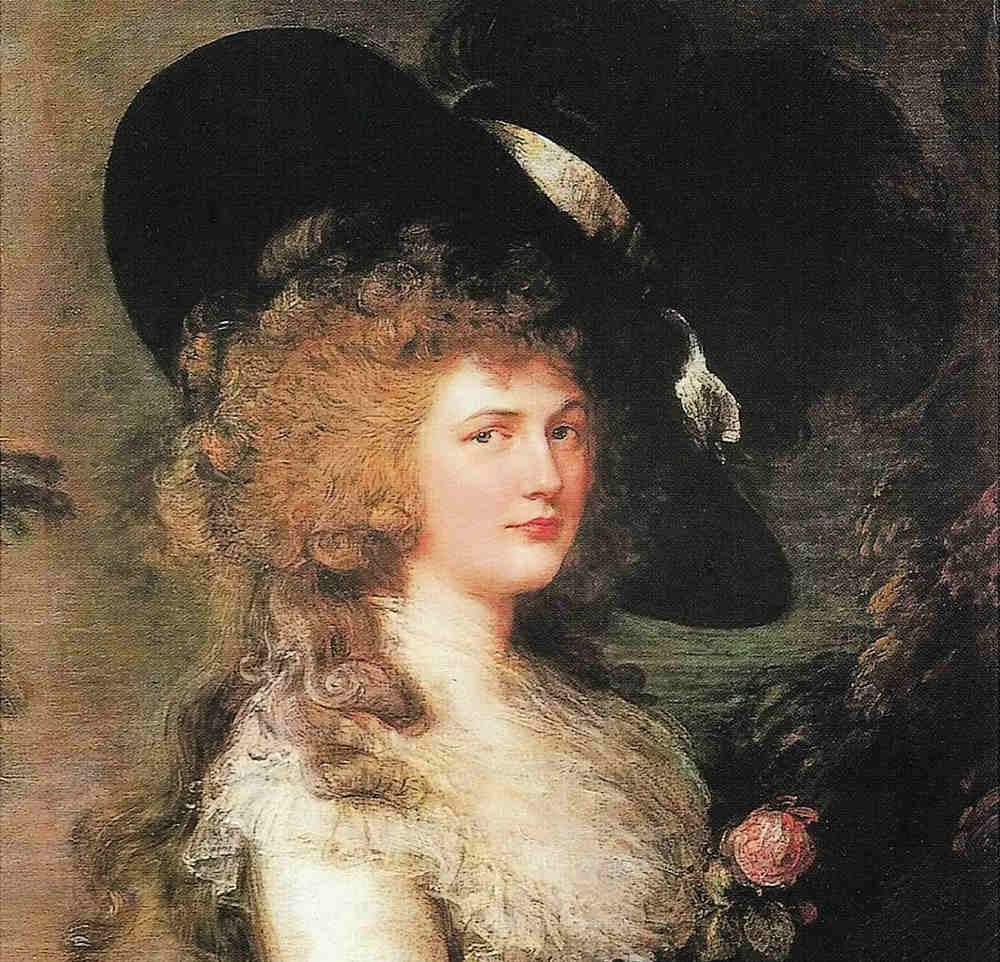
Georgiana, Duchess of Devonshire, by Thomas Gainsborough.
Fast forward to the 5th Duke of Devonshire and his wife Georgiana, Duchess of Devonshire. The pair were responsible for extending the house into the property we see today, adding two wings and a rose garden. Georgiana was a great celebrity in her day, famous for her gambling and consequent debts, her fashion sense and her close friendships with Whig politicians. She called Chiswick her “earthly paradise” and spent more and more time here, throwing grand parties for her Whig friends.
Georgiana was the great-great-great-great aunt of Diana, Princess of Wales, and was (unhappily) married to William Cavendish.
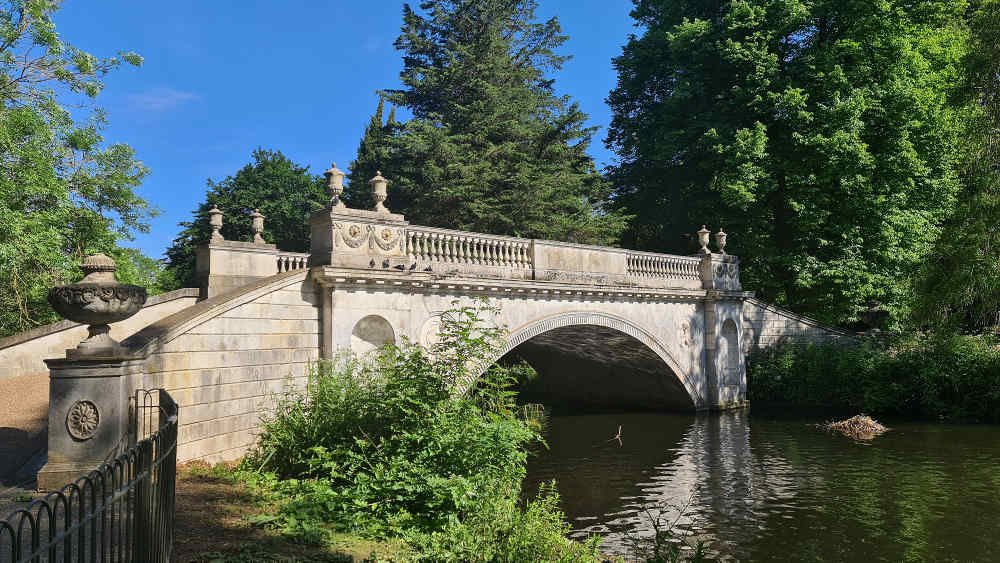
The bridge which connects both sides of the gardens was designed by James Wyatt in the 1770s.
Celebrity guests
Guests came pouring into Chiswick including Handel, Alexander Pope, the Russian Tsar Nicholas I and Queen Victoria. In 1966 the Beatles shot a video in the Conservatory and in the walled garden.
The Bachelor Duke and Sadi the elephant
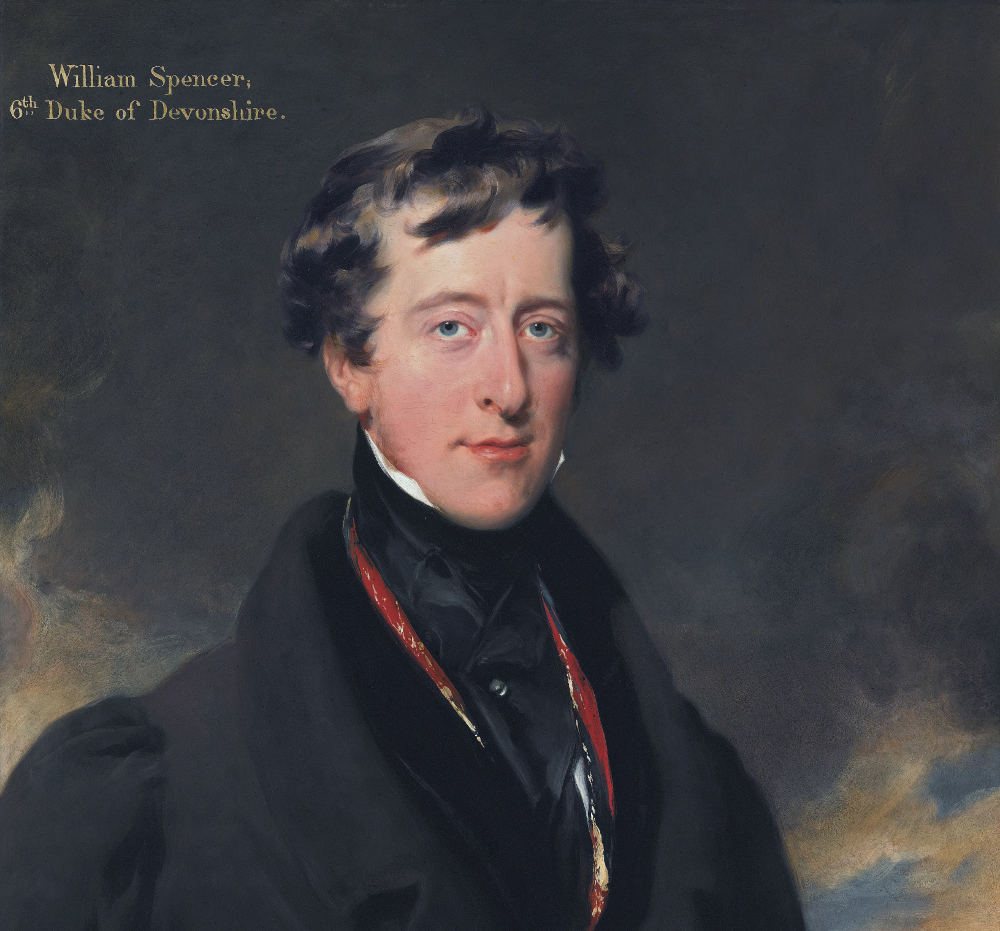
William Spencer Cavendish, 6th Duke of Devonshire.
The 6th Duke of Devonshire, known as “The Bachelor Duke”, had quite an exotic menagerie in the grounds, including monkeys, elk, emus, kangaroos and an Indian elephant named Sadi. Sadi was famous for opening a bottle with her trunk and for sweeping with a broom. She had her own paddock and a well-ventilated large house in which to live, and although she is said to have been buried in the grounds in 1829, her bones have yet to be found.
In June 1844 the Duke held a lavish party for hundreds of guests in the grounds, and giraffes were reportedly among them.
Chiswick House and Gardens: the grounds
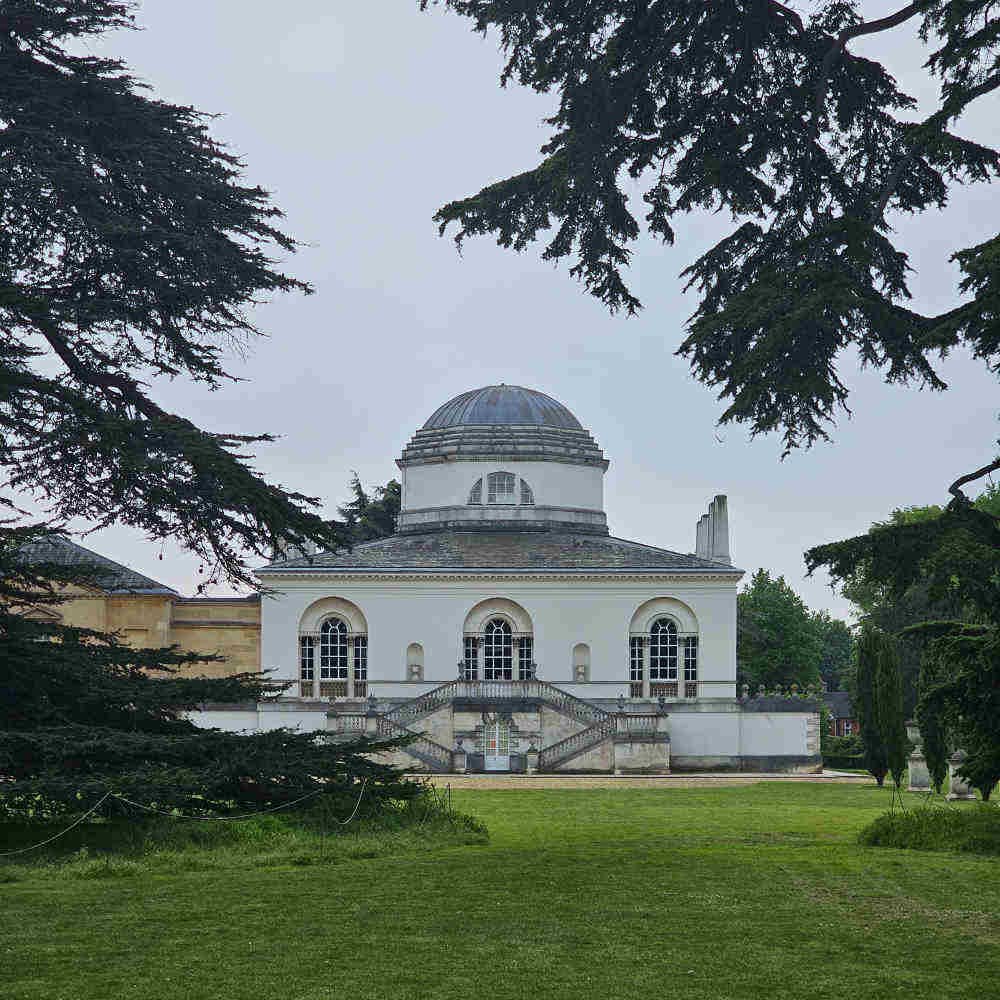
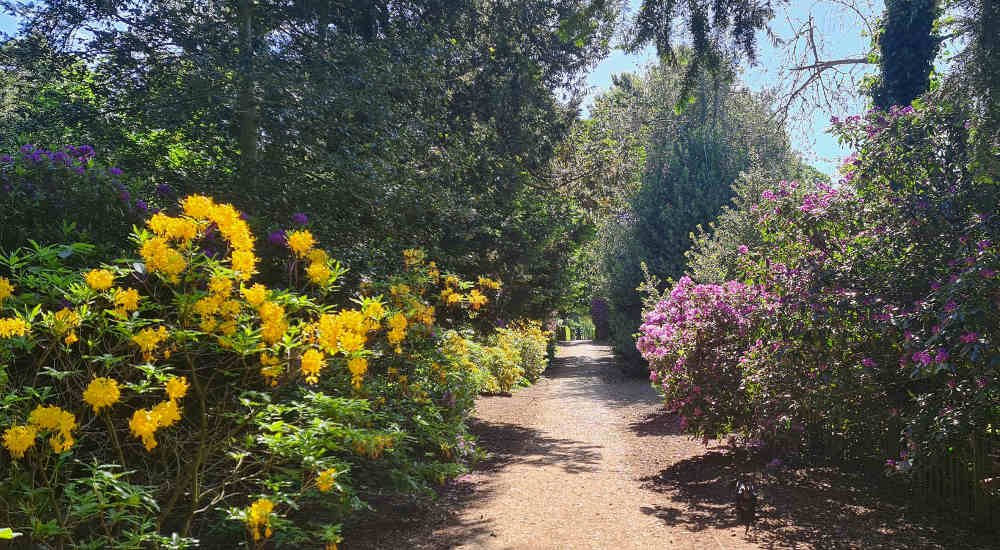
The gardens are Grade I listed and are considered a blueprint for the English landscape movement. The designs include classical structures and statues, trees, topiaries, a lake, a fountain, a cricket green, a ha-ha and winding walks, all meant to complement the Roman-inspired interior of the house.
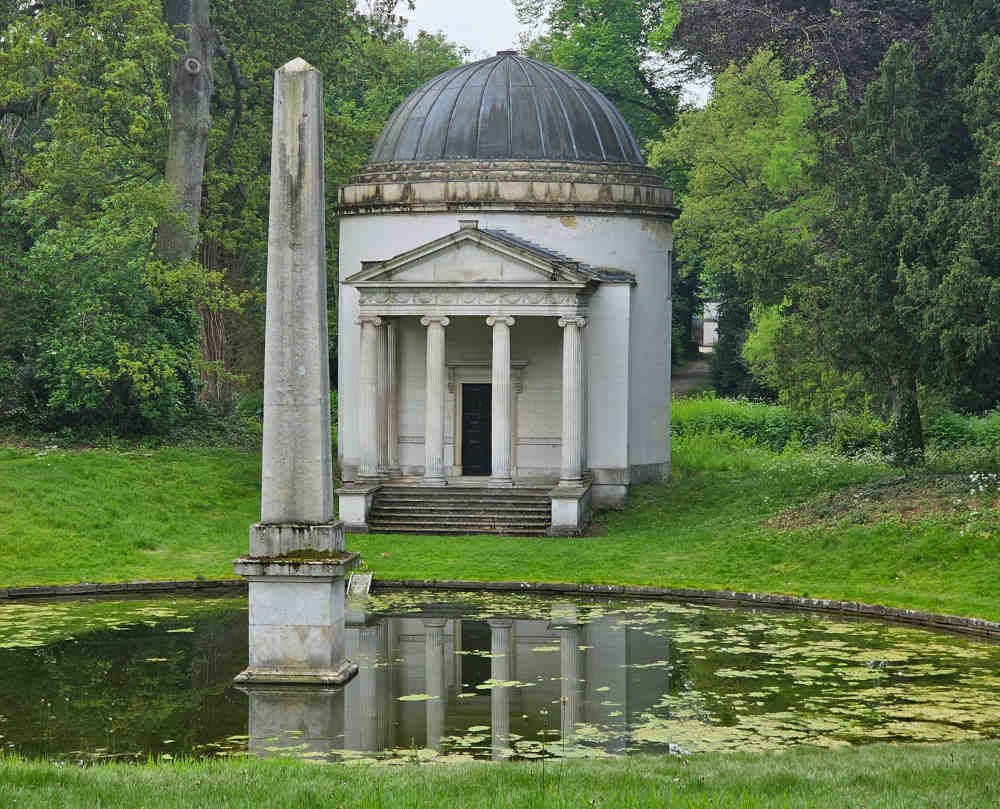
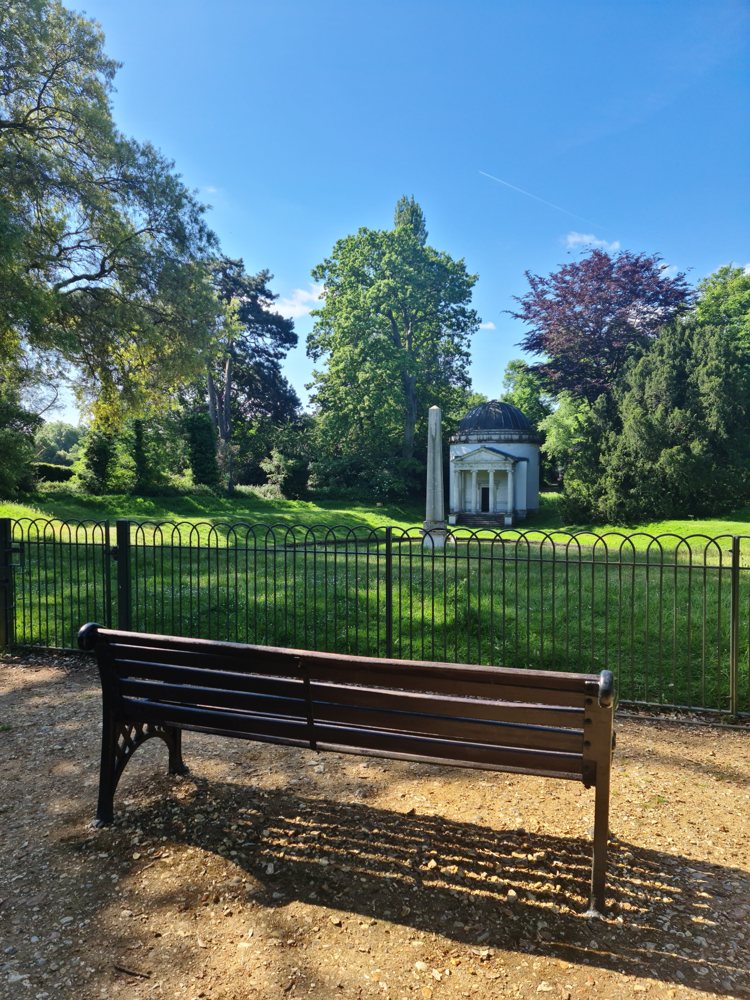
The Ionic Temple
The rustic cascade
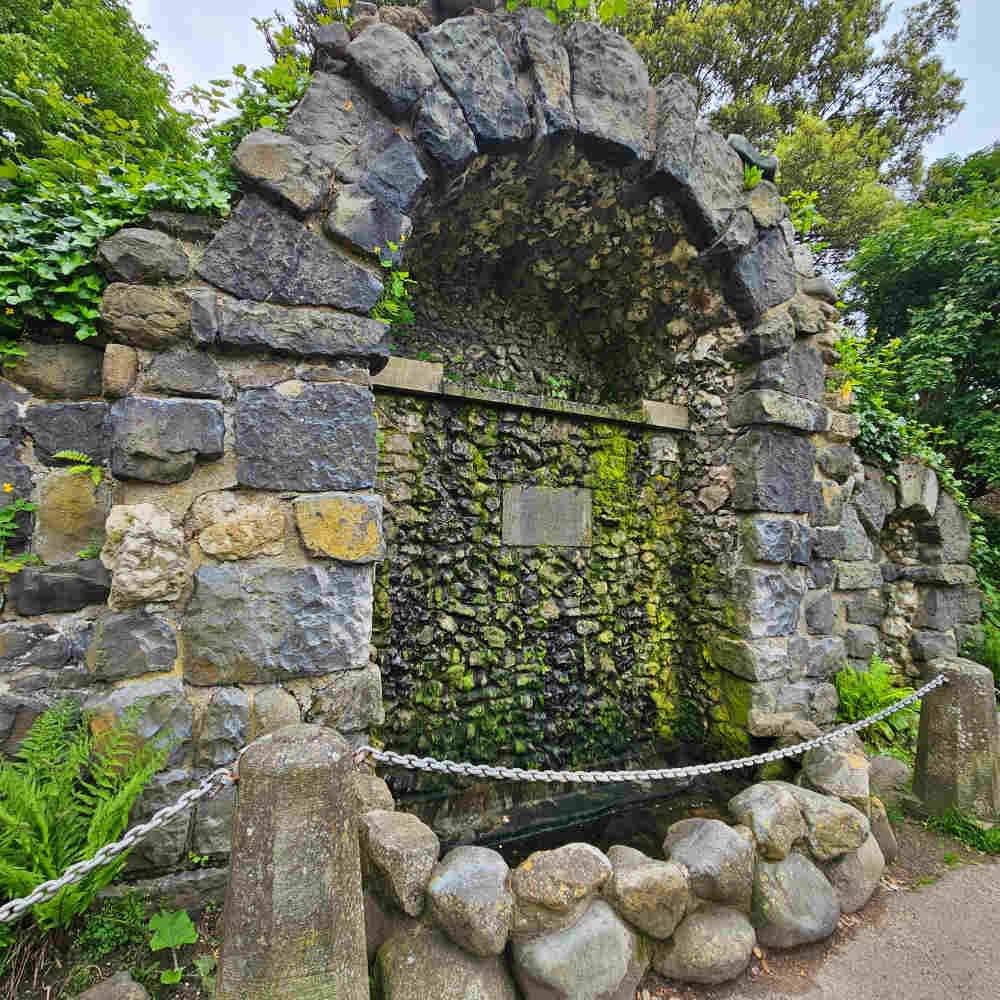
William Kent’s rustic cascade was fed by the Thames via a Victorian water system. It was referred to as a “Piddle” because it rarely worked effectively.
The rose garden
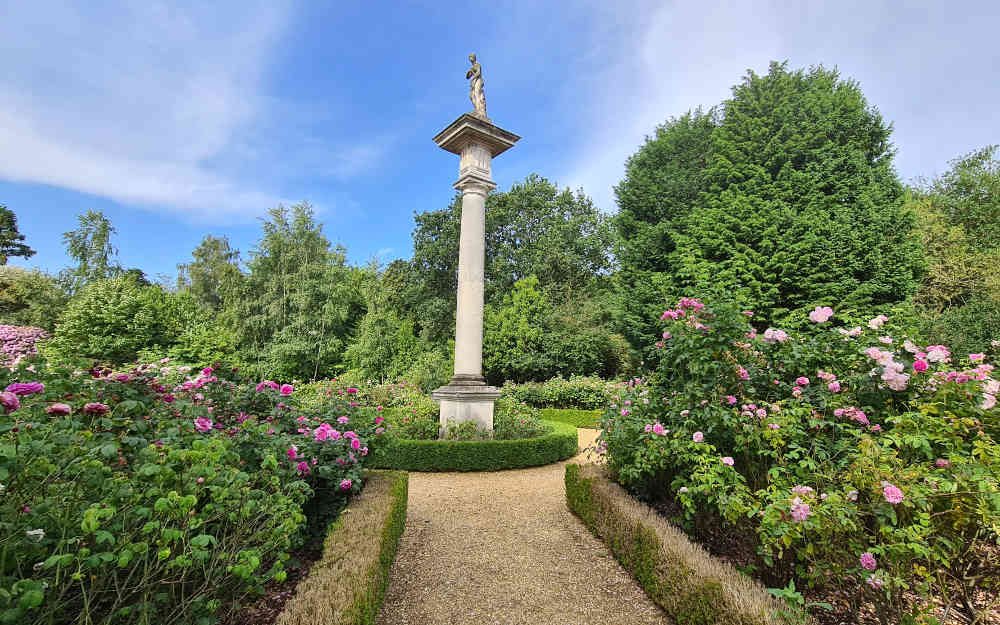
The rose garden is thought to be one of the earliest of its kind in the country. Today it is planted with David Austin roses.
The cedars of Lebanon
These statuesque cedars frame the rear of the house. They date from the 18th century and neither Kent nor Burlington could have predicted how massive they would become. The lawn leads down to the lake to the right of the house. Once upon a time there would have been a maze here.
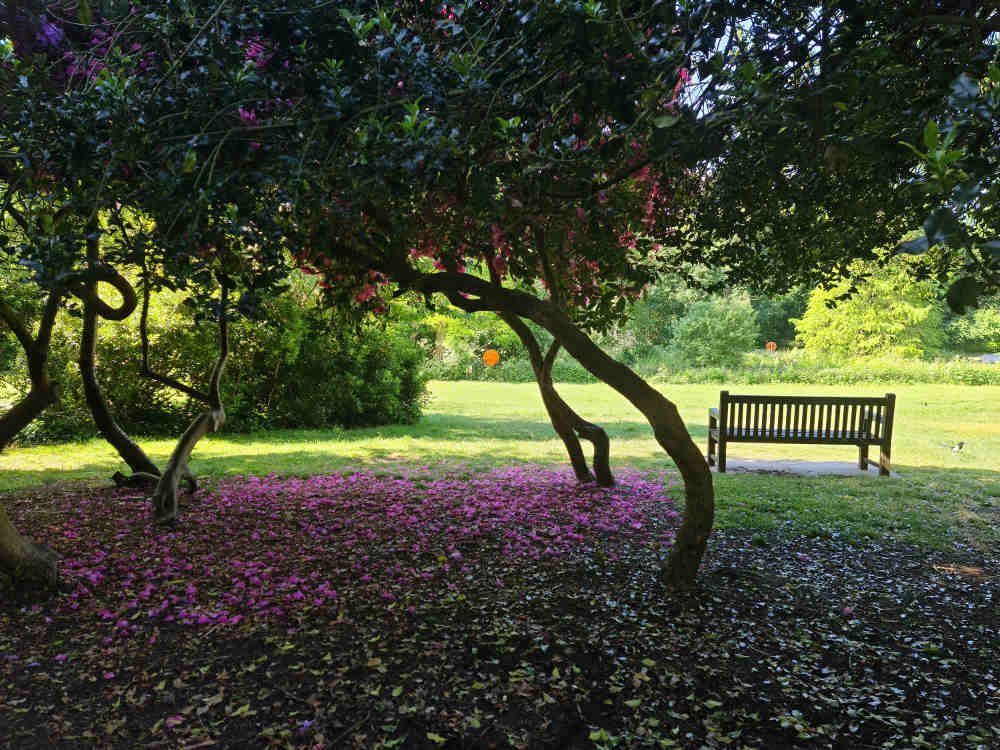
Meet the head gardener
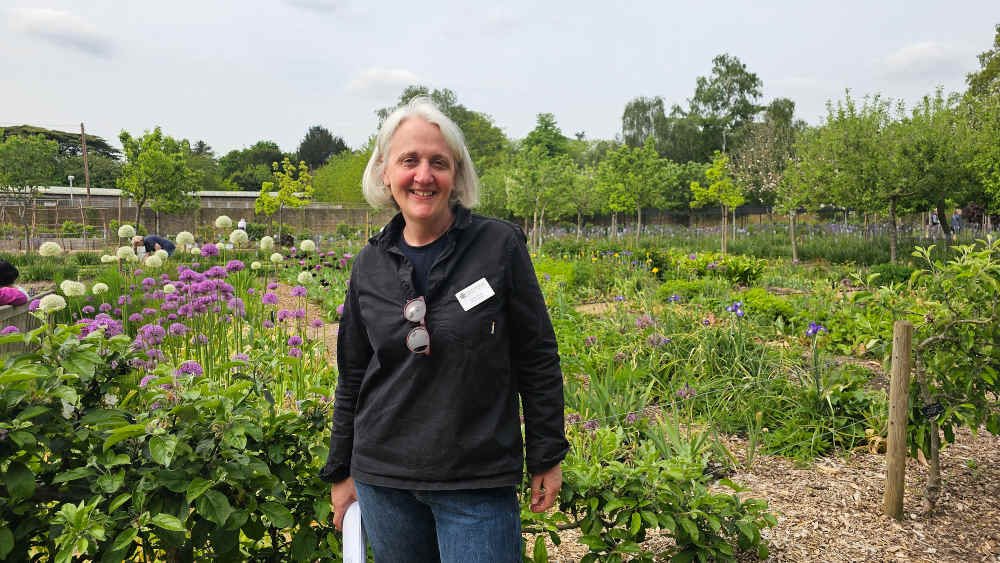
Move over William Kent, Rosie Fyles is in town. This extraordinary woman worked in marketing and ditched it all for a career in gardening, joining Chiswick after a tenure at Ham House and Garden. Rosie is breathing new life into the corners of the gardens, clearing vistas which had long become overgrown.
The Kitchen Garden
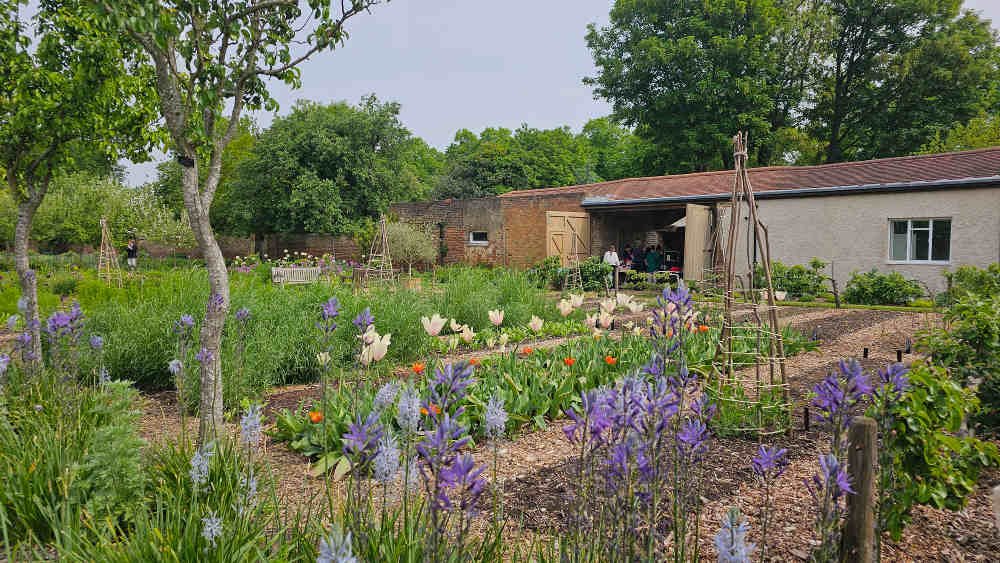
The walled Kitchen Garden is well over 300 years old. Once a pleasure garden, it now grows food for sale as well as for donations to local food banks. You can sample edible flowers as you walk around, admire the humming of happy bees and buy fresh produce in the pop-up shop.
The Conservatory
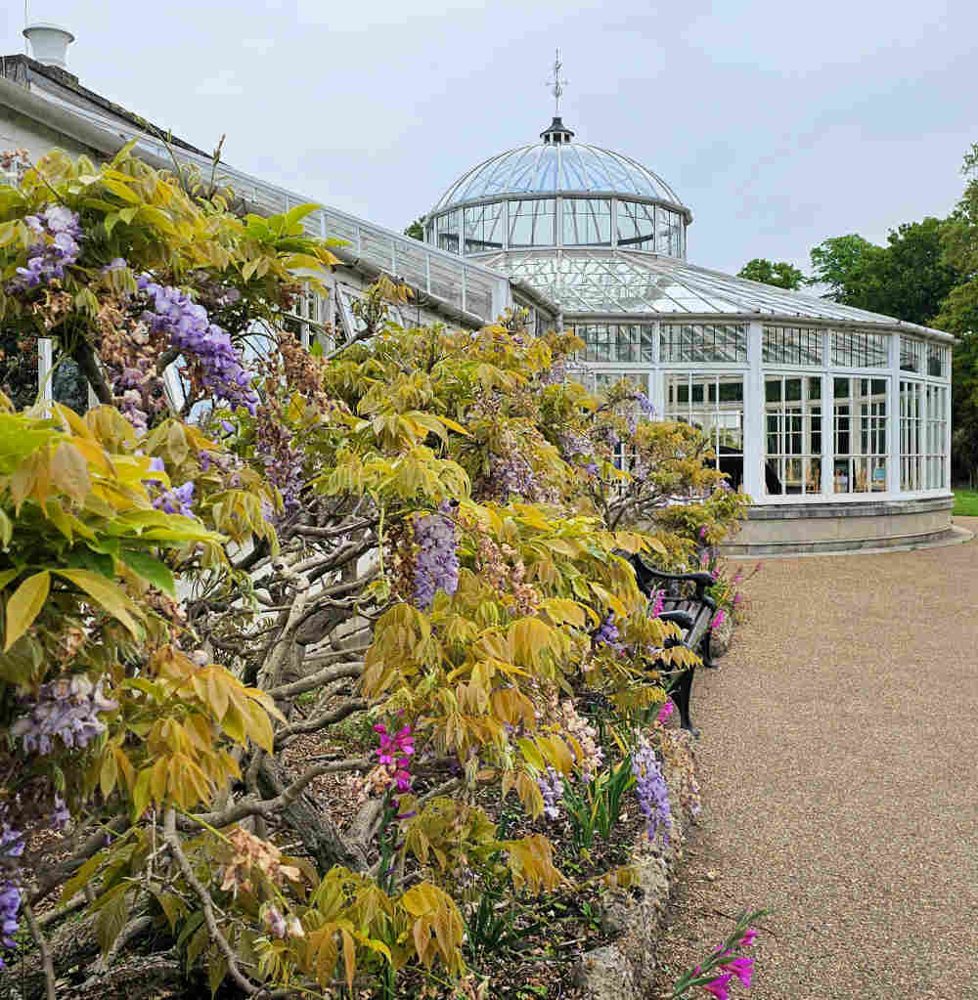
We have the 6th Duke of Devonshire to thank for the Conservatory, completed in 1813 and a whopping 300 feet long. It was first filled with exotic fruits such as peaches, figs and pineapples, but the Duke became more interested in a new import from China: the camellia. The Conservatory holds one of the oldest collections of camellias in the country, and a few are thought to be the original ones planted by the Duke.
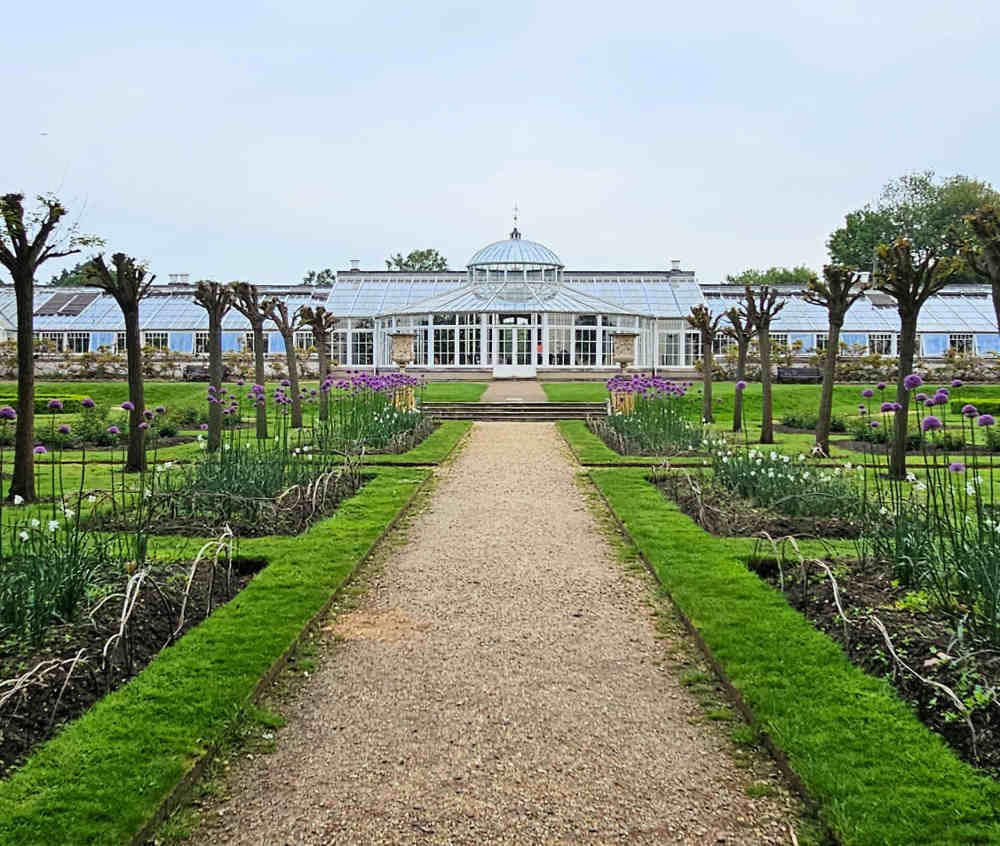
It’s also where weddings are hosted. Access to the Conservatory has been limited because of its fragile state, so check the website before you go.
Dog walking
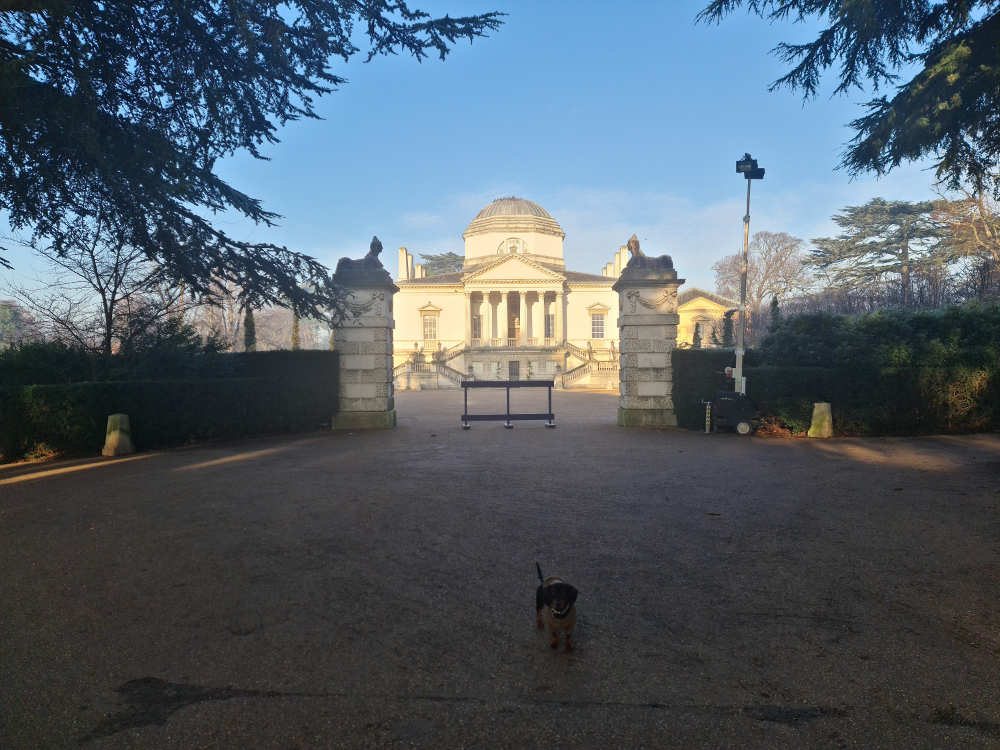
Chiswick is one of west London’s most popular places for dogs to walk their humans, and dogs have been a part of the place for centuries. In front of the Ionic Temple is a tomb where Lilly the dog is buried, and it is believed she belonged to Georgiana. More recently the grounds host the annual Chiswick House Dog Show. Dogs need to be on a short lead in some areas including the café, but can be off the lead in most of the park.
Visit Chiswick House and Gardens: practical information
Address: Burlington Lane, Chiswick, London W4 2RP.
Getting there: the nearest mainline station is Chiswick (a walk of around 13 minutes) and the nearest tube stations are Turnham Green and Chiswick Park. There is also parking, and you can use postcode W4 2QN. Check the parking restrictions on nearby streets.
Opening times and tickets: entry to the grounds is free, but the house, Kitchen Garden and events have their own opening times and tickets, and the house closes at certain times during the winter months. When touring the house, grab the audio guide: when I visited it was narrated by Downton Abbey’s Elizabeth McGovern. Check the official website for the latest times and prices, and the what’s on page for events such as open-air cinema and circus.