Spencer House in St James’s is one of the finest examples of eighteenth-century architecture in London. The Georgian mansion, which has one of the most drop-dead interiors in the city, once provided the backdrop for many a glittering soirée, and it’s still one of London’s most exclusive venues for private events. We ordinary mortals may not be able to afford a private party here, but as luck would have it, the house is open on Sundays for guided, gilded tours. Here is what to expect from a Spencer House tour.
A Georgian palace in St James’s
A Spencer House tour takes you inside a palace built for John and Georgiana Spencer, ancestors of Diana, Princess of Wales. It overlooks Green Park and is thought of as one of London’s finest surviving eighteenth-century townhouses. It’s thanks to Jacob Rothschild, the 4th Baron Rothschild, that the house looks like the Georgian time machine it is. After decades during which the house saw almost every square inch of its interior ripped out, the Rothschild team carried out a no-details-spared restoration, bringing it back to its former glory.
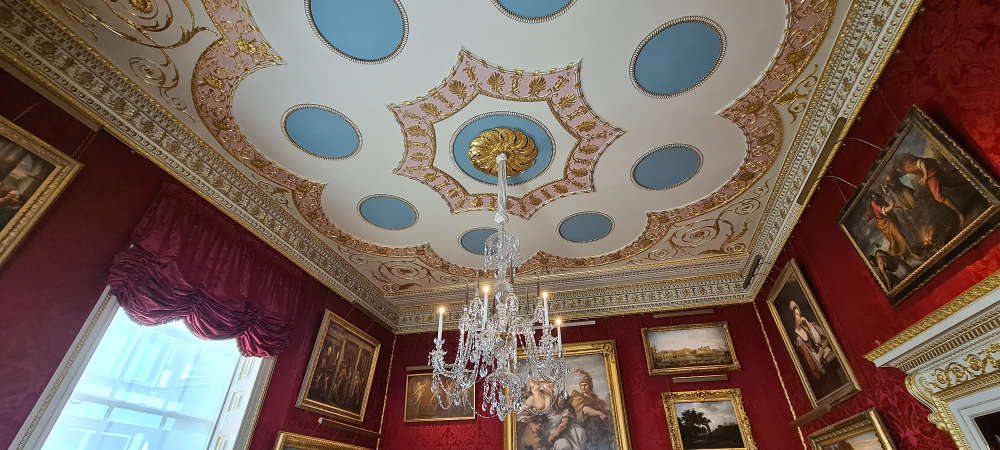
Georgiana would receive guests in this drawing room, aptly named Lady Spencer’s Room. The ceiling design is a nod to the Baths of Augustus in Rome.
The history of Spencer House
The private palace was begun in 1756, a year after a 21-year-old John Spencer married his sweetheart, the 18-year-old Margaret Georgiana Poyntz. The power couple would have five children, the most famous of whom was Georgiana, later Duchess of Devonshire, one of three who survived and one of the most famous women of the Georgian era.

Margaret Georgiana Poyntz Spencer (Althorp)
John Spencer had inherited a fortune and an impressive art collection from his great-grandmother, Sarah Churchill, Duchess of Marlborough. He needed just the right house to show off both his wealth and his art. As a young man he also went on two Grand Tours, taking his new bride on the second one. They came back armed with arty and architectural goodies with which to furnish the house.

Georgiana, Duchess of Devonshire, by Thomas Gainsborough (public domain)
The architects: Vardy and Stuart
Spencer hired the architect John Vardy, who had worked under William Kent of Kensington Palace and Chiswick House fame. Vardy designed the exterior and the ground floor. In 1759 a second, more flamboyant architect, James “Athenian” Stuart, took over to complete the first floor. Stuart was a fan of all things Greek, which resulted in one of the earliest neo-classical interiors in London. He was also rather partial to a tipple or two, and so the project took rather longer than anticipated.
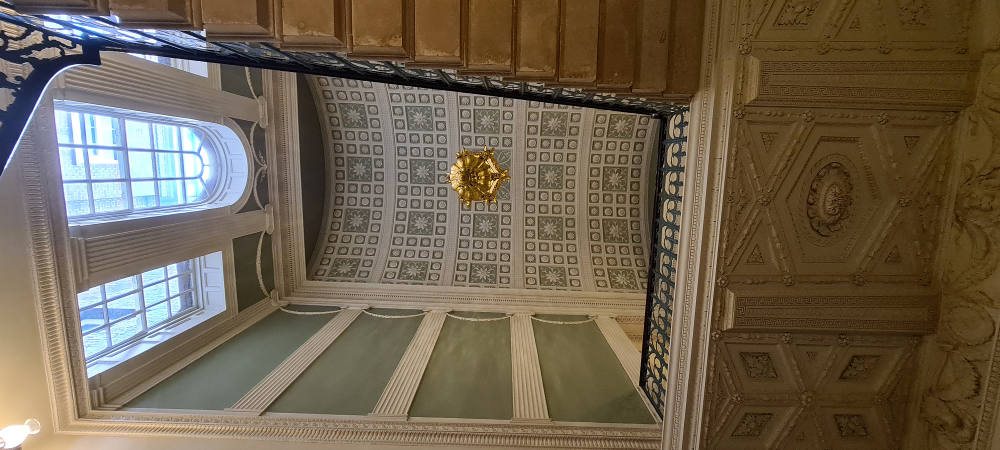
The staircase is part Vardy, part Stuart, going from muted to flashy as you ascend to the first floor.
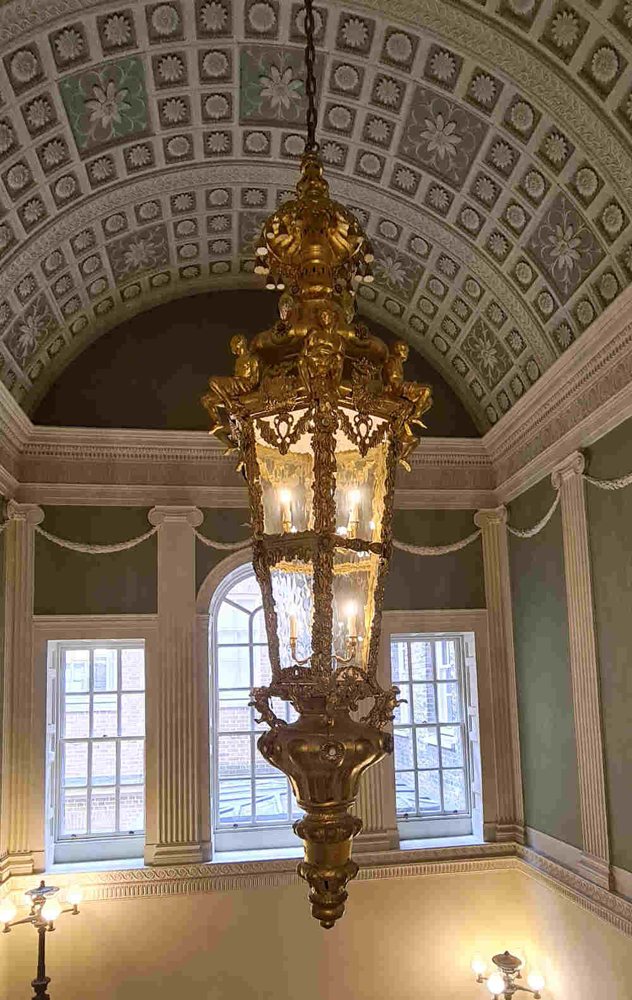
The crowning glory of the staircase is this magnificent lantern, said to have hung from the Bucentaur, the state barge of the Doges of Venice.
From wartime stripping to Rothschild restoration
A succession of Spencers lived in the house. In the 1920s the seventh Earl’s family moved out, and the house was leased to various organisations including the Ladies’ Army and Navy Club and, for a time, Christie’s auctioneers. During the Blitz the Spencers removed everything that could be salvaged, from fireplaces to door surrounds and skirting boards. The carcass of the house was left, but its guts were taken away to Althorp. If you’re wondering, you can visit Althorp too and see chunks of the original Spencer House in situ.
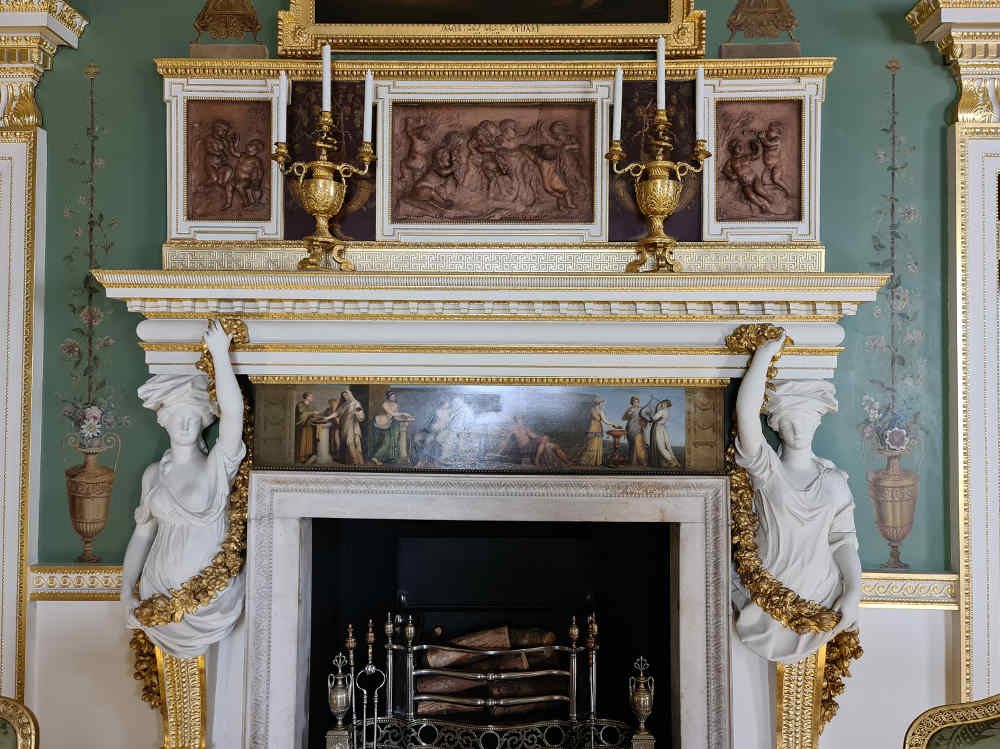
In 1985 Lord Rothschild’s investment company took over the lease, and an epic restoration project began. Historians, architects, engineers and designers formed part of a committee which not only aimed to recreate the interiors designed by Vardy and Stuart but also retain the later changes made by Henry Holland. Master craftsmen were hired from the length and breadth of the country to breathe history back into the house, and Diana, Princess of Wales reopened it in 1990. The new interiors boast a mix of old and new, and the restored house is a real love letter to John and Georgiana Spencer.
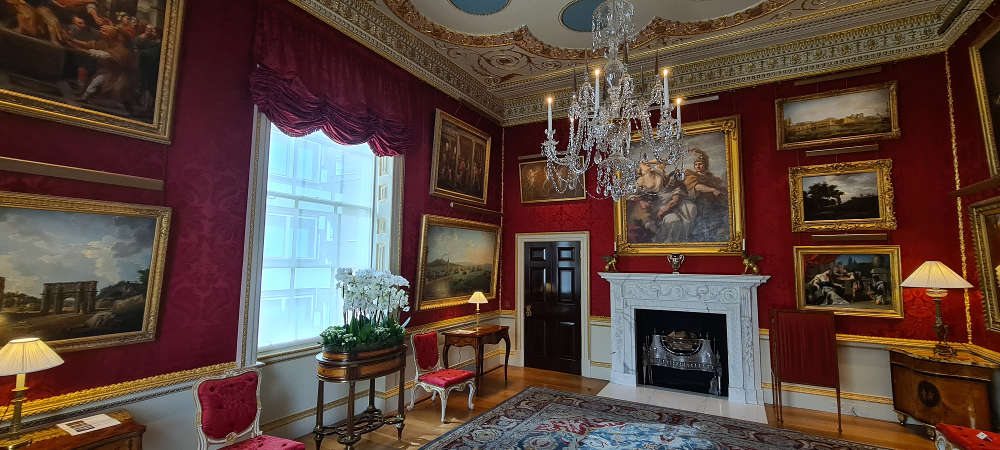
Inside Spencer House: the State Rooms
The highlight of any Spencer House tour is the State Rooms. The art collection is no less impressive than it once was, with museum pieces on loan from the likes of the Royal Collection Trust, Tate and the Royal Academy. There is even a Canaletto.
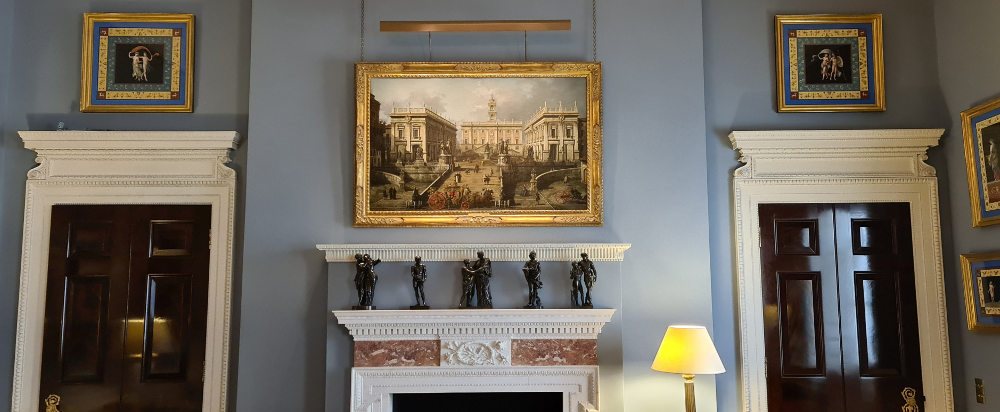
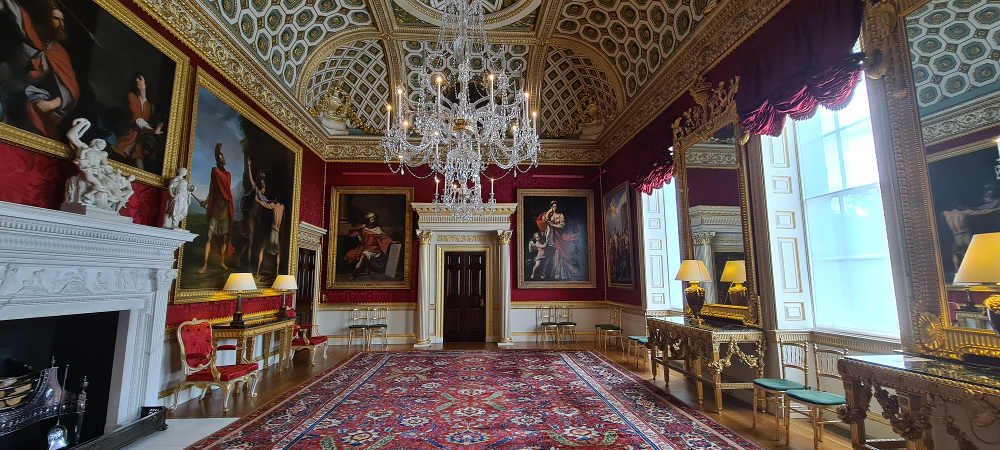
The Great Room was used as an art gallery as well as a handy space for balls and receptions. If you’ve visited the chapel at Greenwich, also designed by Stuart, you will recognise similarities in the ceiling design.
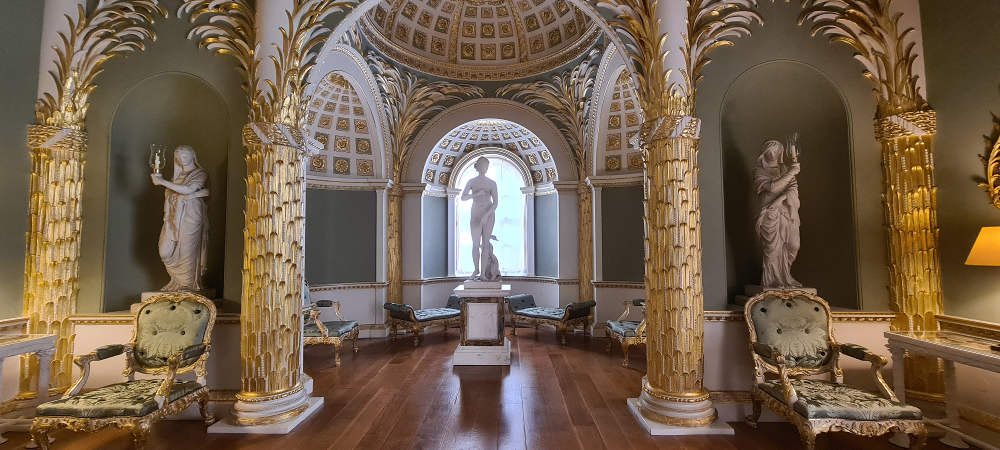
No Spencer House tour is complete without the Palm Room. It is the jewel of the house. The design is inspired by John Webb’s design for the King’s Bedchamber at Greenwich Palace.
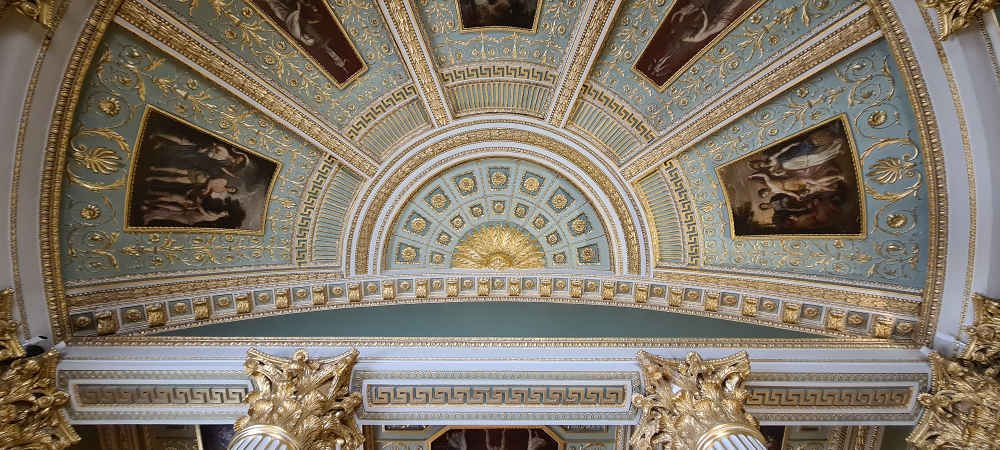
The ceiling of the Painted Room, designed by Stuart, is an ode to marriage and a celebration of the Triumph of Love.
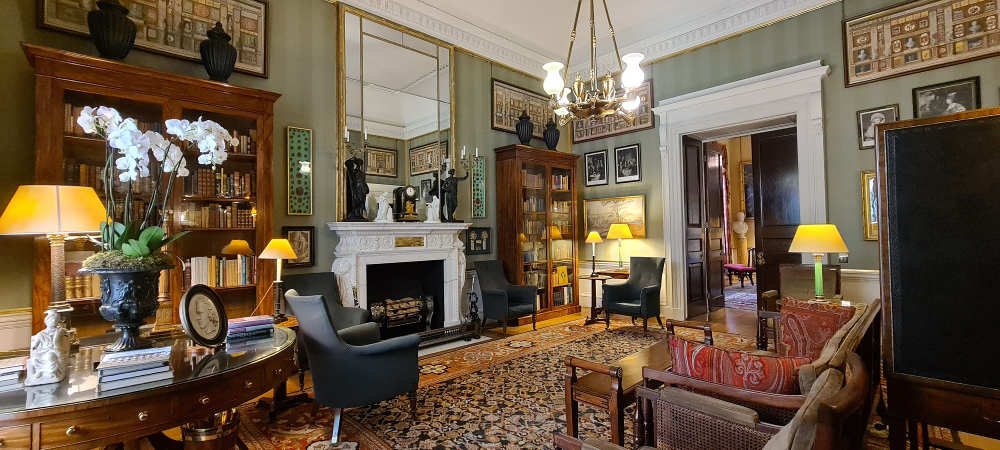
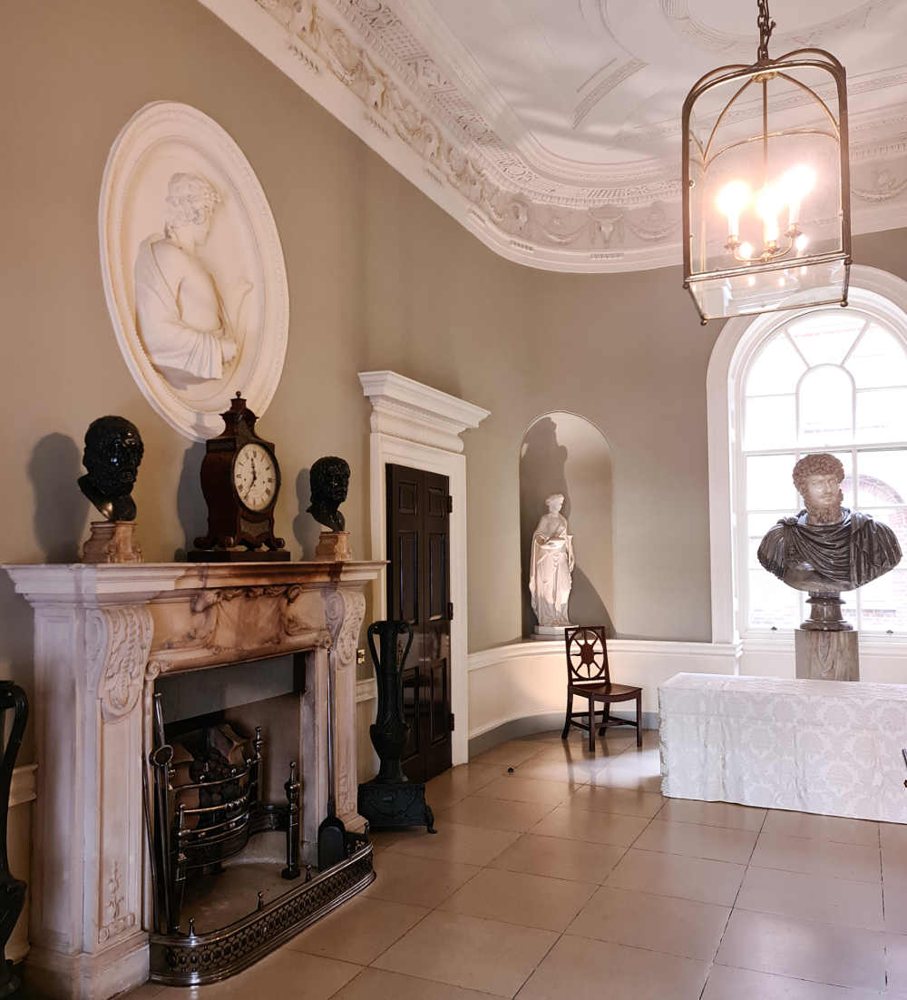
The Second Earl Spencer commissioned Henry Holland no less to remodel the ground floor and design the library for his extensive book collection. This room leads on to the garden overlooking Green Park. Once upon a time the ton would have walked past Spencer House and its gardens, among the largest in St James’s.
Georgiana Spencer: the hostess with the mostest
Georgiana was the hostess with the mostest and entertained le tout London. Banquets, lunches, dinners, plays and masques were held on a regular basis throughout the Season. The actor and playwright David Garrick was one of her good friends and a regular at Spencer House.
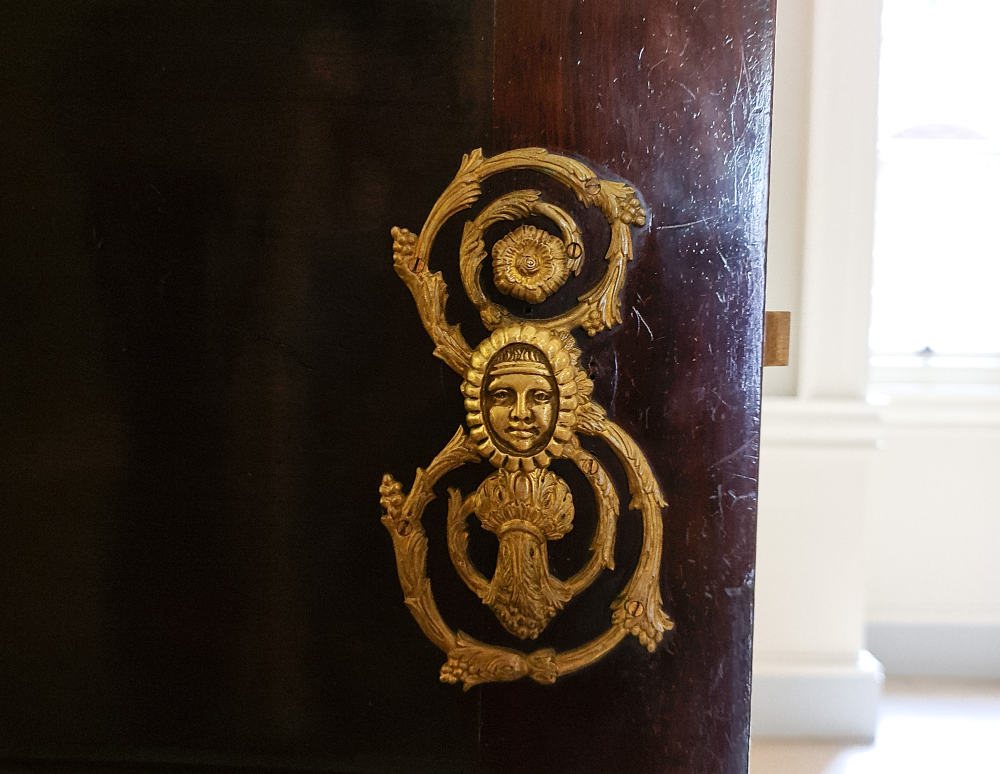
Look out for the “S” for Spencer door handles throughout the house. They are replicas of the original door furniture, some of which is now at Althorp.
How to book a Spencer House tour
Public tours run every Sunday except August, at regular intervals between 10.30am and 4pm. Access is by guided tour only, and the house tour takes around an hour. From April to October, weather permitting, a short garden tour follows. Adult tickets cost around £20, with concessions a little less. Booking ahead is recommended on the Spencer House website, or by emailing tours@spencerhouse.co.uk, although tickets can be bought on the day if there’s space.
Personal photography is allowed on a Spencer House tour, but not flash, tripods or selfie sticks. You’ll also need to leave large bags and umbrellas in the cloakroom. Check the website for the latest prices, times and access details before you go.
Spencer House: 27 St James’s Place, London SW1A 1NR. Nearest tube: Green Park.
If you enjoy Georgian grandeur, you might also like my guides to Handel’s London and Pitzhanger Manor.
I was a guest of Spencer House. As always, opinions are my own.