The first piece I ever wrote for my creative writing degree was a portrait of my piano teacher, Sharko Hilbert: the cigar-smoking, mysterious Egyptienne who taught me Chopin, Schubert and Debussy on Wednesday afternoons in a sleepy suburb of Paris. From the day Sharko died, I never did tinkle again. So I wasn’t expecting a Steinway factory tour Hamburg style to be one of the most emotional things I’ve done in a while.
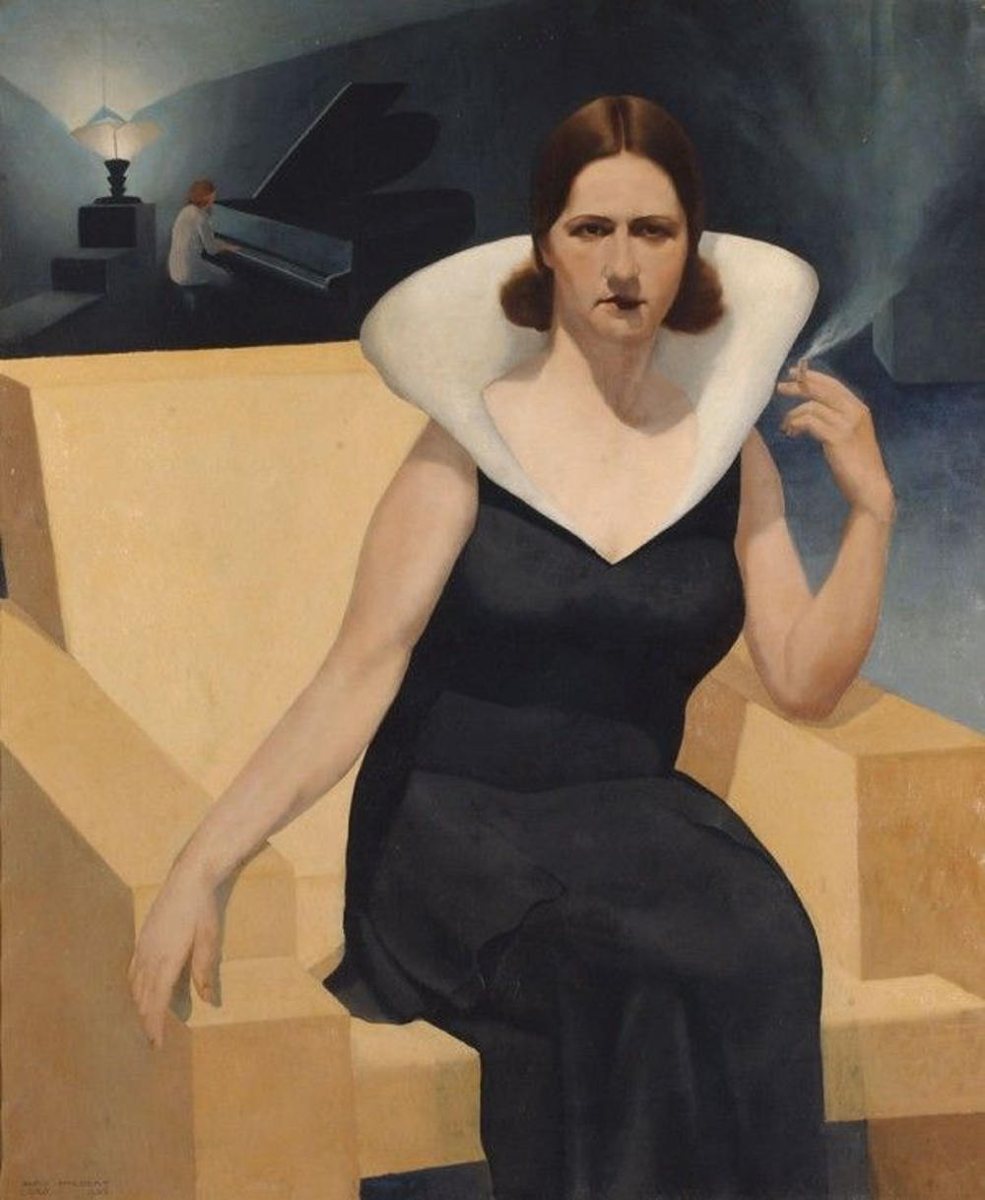
Sharko Hilbert, Portrait of the Artist’s Wife (1932), by Jaro Hilbert
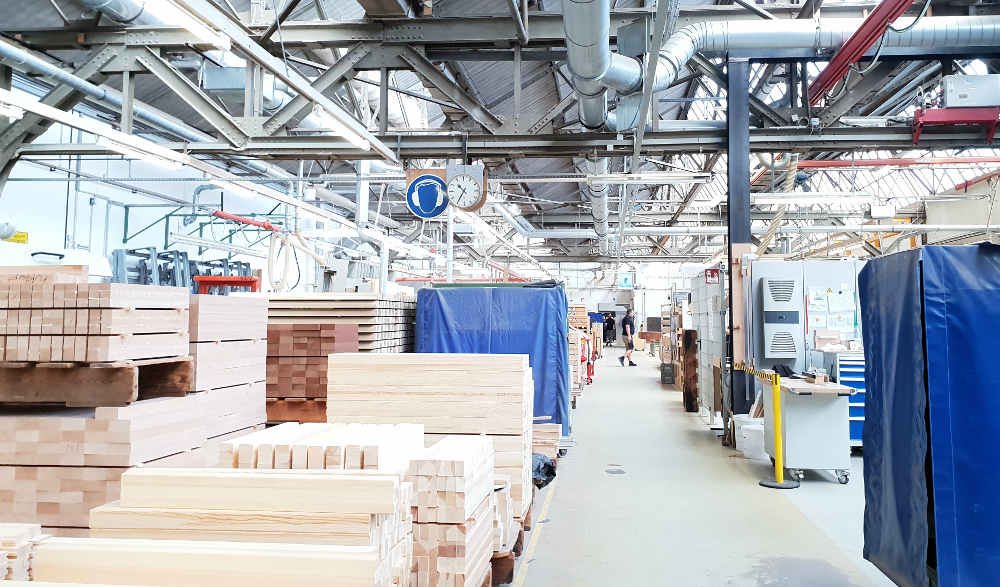
There’s a chalky smell of sawdust, and time seems to stand still in a comforting, sentimental time warp. Sawing, moulding, buffing, spraying and tuning in the same way since the first Steinway was built, this production line is fashioning more than an instrument: it’s creating a timeless, priceless work of art.
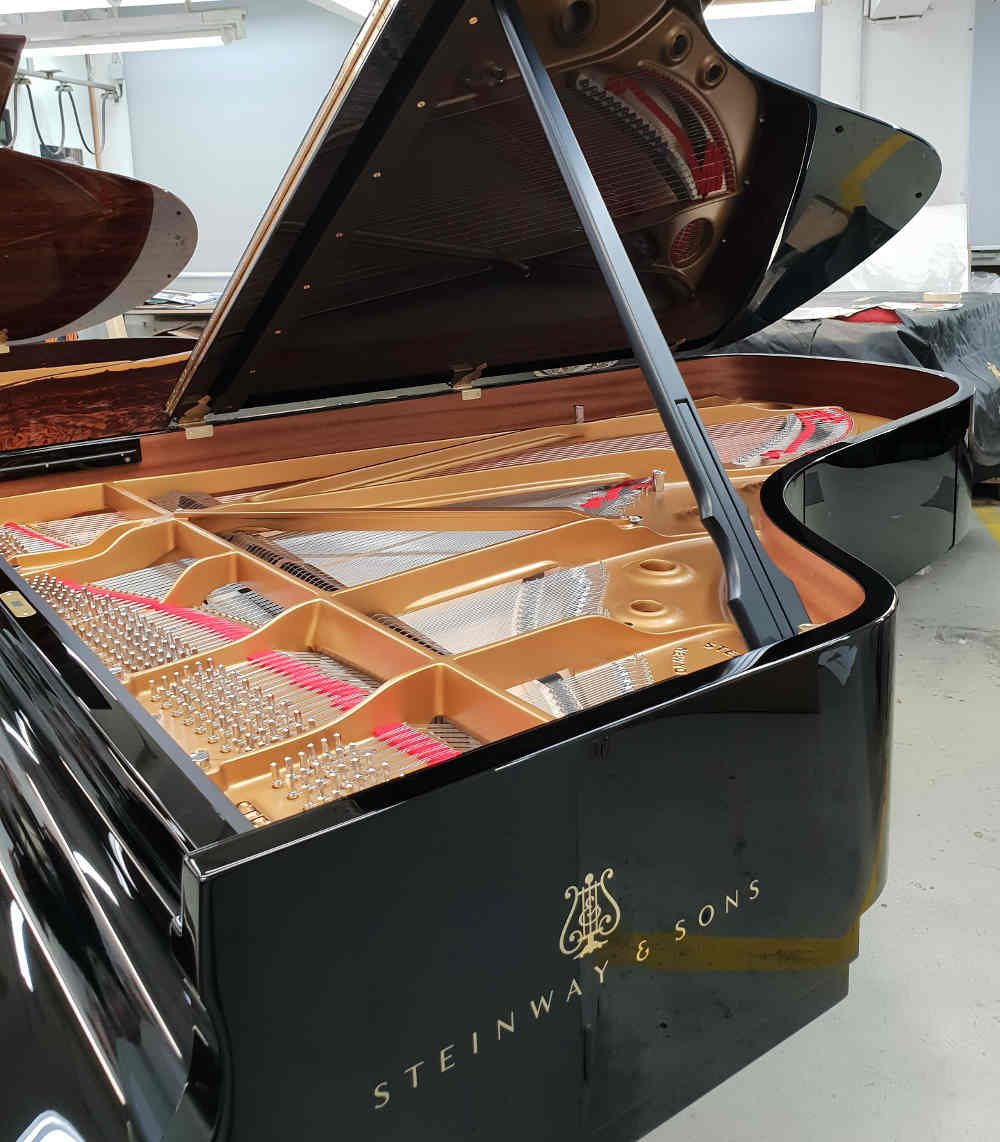
As Arthur Rubinstein said: “A Steinway is a Steinway and there is nothing like it in the world.”
The Steinway story
It starts in Germany. Heinrich Engelhard Steinweg was born in 1797, an orphan who couldn’t read, and by 15 he was working in an organ builder’s shop. In 1836 he built his first piano in the kitchen of his home in Seesen, now known as the Kitchen Piano. After making 482 pianos in Germany he emigrated to New York in 1850, changed his name to Henry Steinway and, in 1853, founded Steinway and Sons.
In 1880 the company opened a factory in its original homeland, in Hamburg, and that is where I joined this Steinway factory tour Hamburg visitors rarely get to see. Steinway’s UK home is in Marylebone, where pianos come for restorative love and attention and where pianists such as Lang Lang have come to choose their perfect accompaniment. Find out more on the Steinway UK website.
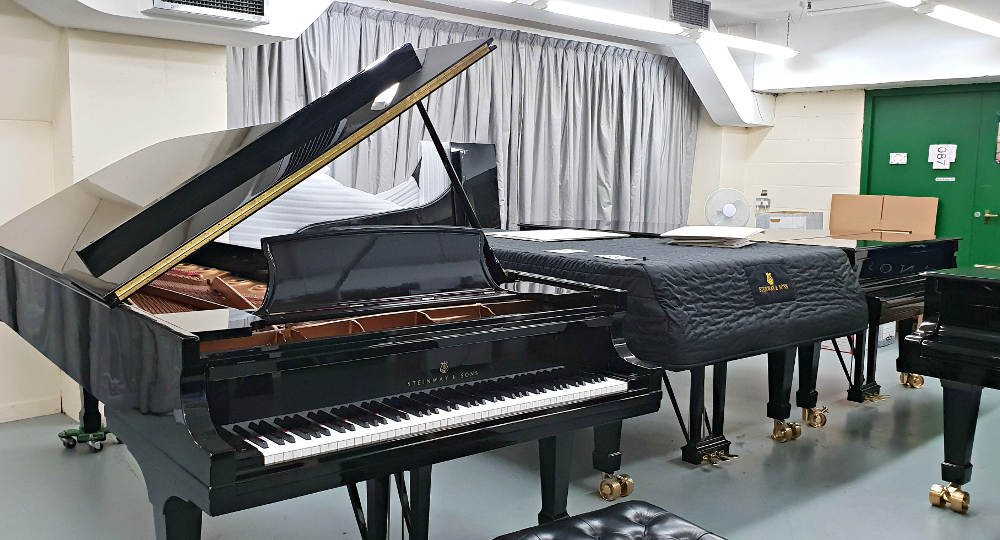
Steinway factory tour Hamburg: how a grand piano is made
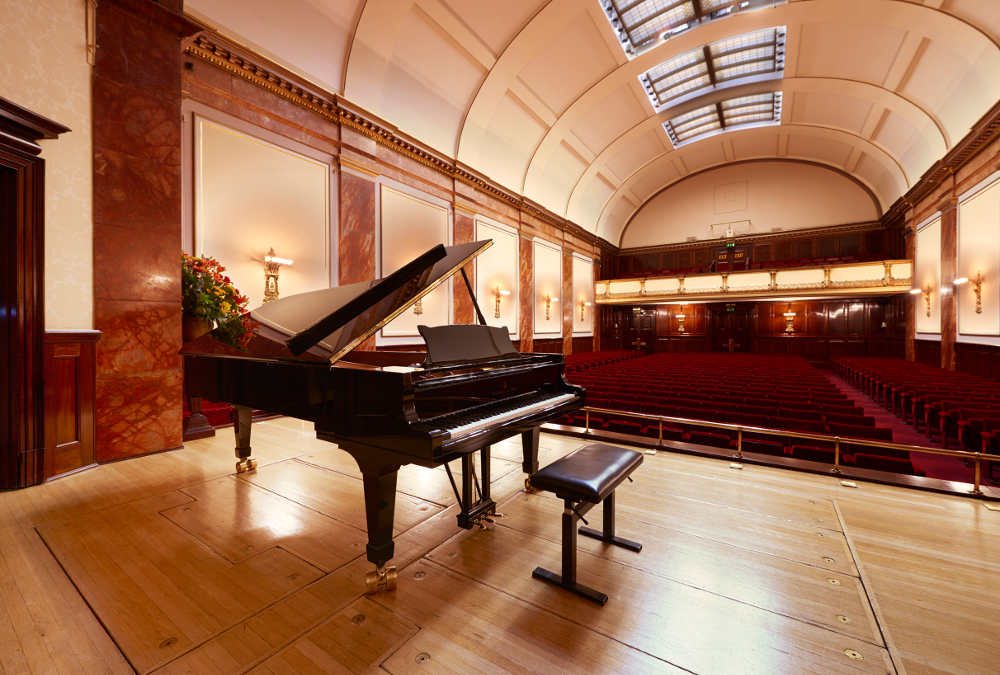
Photo: Wigmore Hall, Peter Dazeley
It all starts with the heart of the beautiful beast: the finest spruce for the soundboard, from the forests of Sitka in Alaska. This and the maple for the rim are stored and dried in the factory for two years, and less than half of the wood passes the quality test.
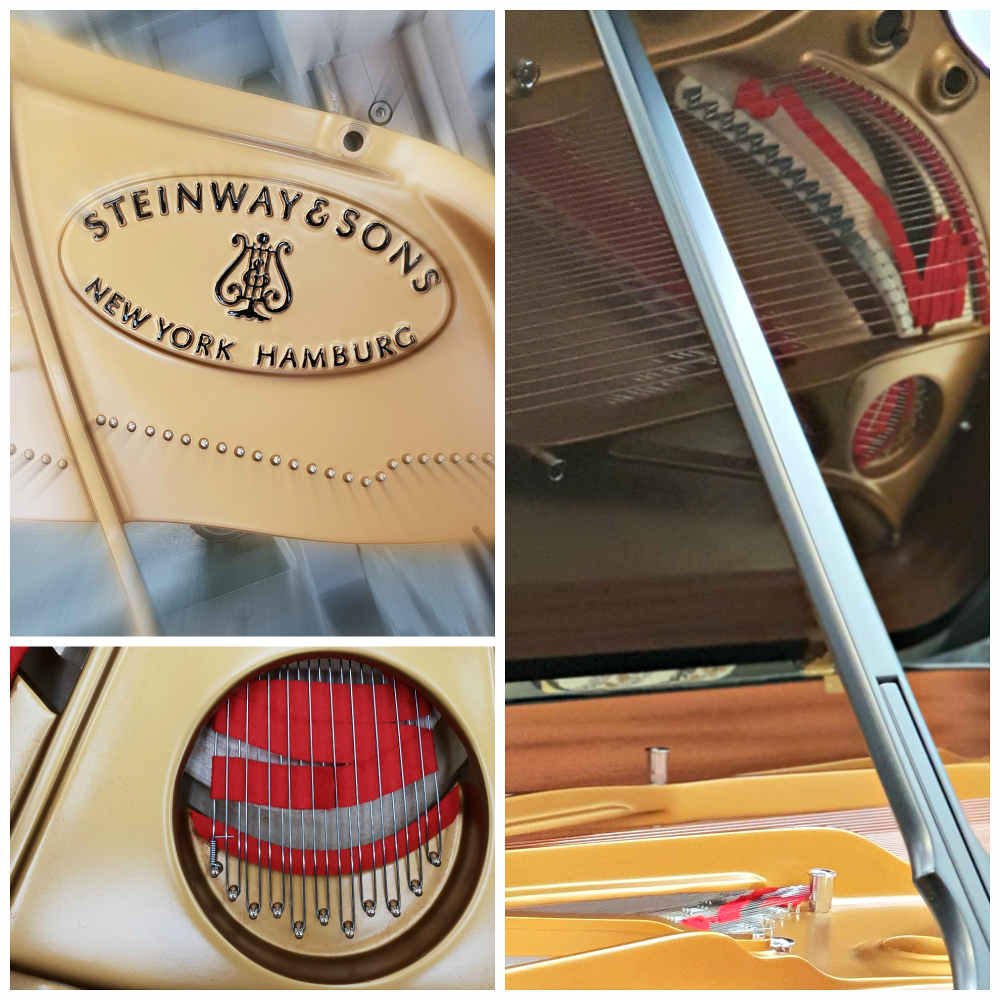
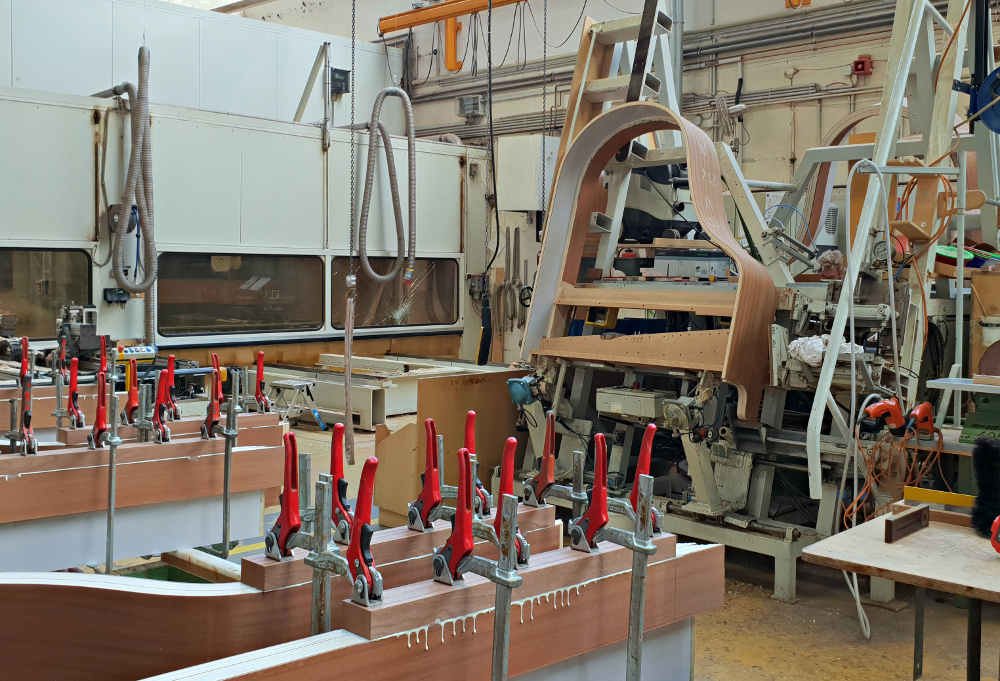
A Steinway grand is built from the inside out. Twenty layers of maple and mahogany are glued together and bent around a machine into the rim, the patented shape that puts the “grand” in the Steinway grand. The rim weighs about 100 kilos, and it takes four men to carry it onto the bending machine. Afterwards it rests for six months to dry.
The keyboard takes three days to install and adjust, and artisans warm the striking points with a small flame to get the famous Steinway sound: pure and clean. I was relieved to hear that Steinway stopped using ivory in 1956.
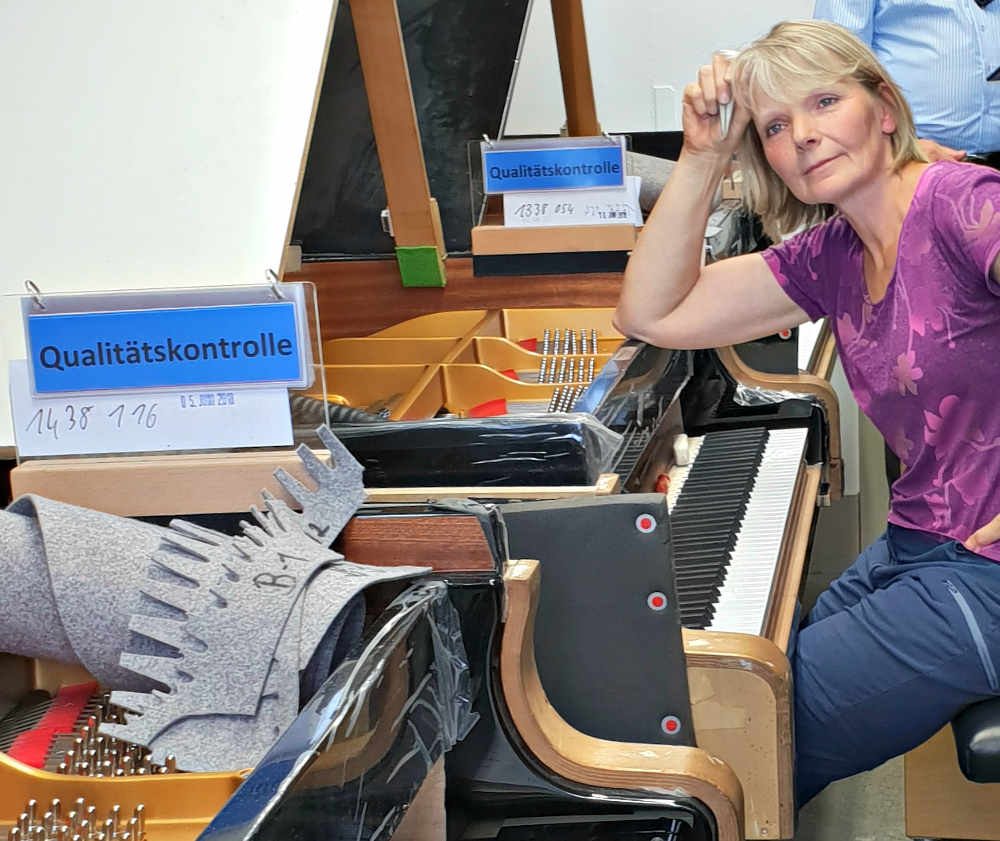
In the Pounding Room each piano is put through a strenuous test, with each key pressed thousands of times to check it can withstand the strain.
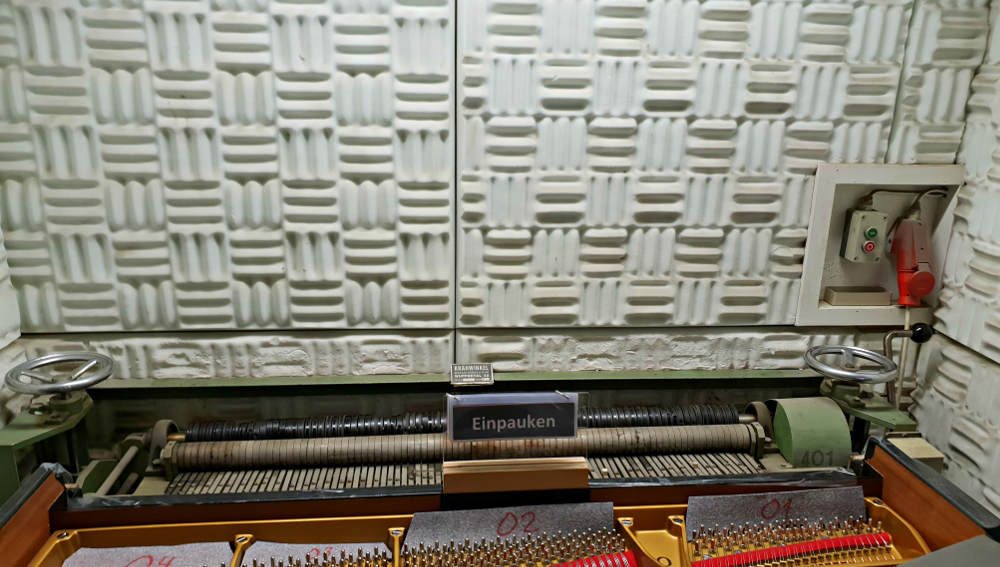
Then comes the voicing. Wiebke Wunstorf, the Chief Voicer, checks the sound of every piano before it leaves its Hamburg birthplace. According to Wiebke it’s not the ears that matter most in this job but the hands, and you have to have good nerve endings. Finally, it takes three days to hand polish and lacquer the glassy surface, so the pianist can see their hands reflected in it.
Steinway factory tour Hamburg: instrument of the immortals
Steinway has always made some bespoke masterpieces. Here are some of my favourites.
The White House Steinway. The 100,000th Steinway was given to President Theodore Roosevelt in 1903. It’s encased in gold leaf, with American eagle legs and a lid painted with “America Receiving the Nine Muses”. It was first used in the East Room of the White House and is now at the Smithsonian American Art Museum.
The Alma-Tadema. This Model D was designed by the Victorian artist Lawrence Alma-Tadema for the New York music room of the art collector Henry Marquand. It’s made from oak, ebony, boxwood, satinwood, ivory, mother-of-pearl, abalone, silver and pewter, among other things. The critic John Ruskin called Alma-Tadema “the worst painter of the 19th century”, but I think this must be the most exquisite piano ever designed.
The Imagine. This Steinway upright was John Lennon’s piano, the one on which he composed Imagine. And speaking of Hamburg, did you know the Beatles were regular performers here between 1960 and 1962, before they became the Fab Four? Lennon said, “I might have been born in Liverpool, but I grew up in Hamburg.”
Pictures at an Exhibition. Designed by the artist Paul Wyse and inspired by Mussorgsky’s famous work, this Model D has a rim that is a fanciful art gallery of Russian history. No small wonder it took four years to complete.
The Cole Porter. Well, did you evah see anything like it? Cole Porter wrote some of his signature tunes on this good lookin’ piano in his suite at the Waldorf-Astoria in Manhattan. This baby is the top!
Spirio: a Steinway that plays itself
At the end of my tour I was greeted by the self-playing Spirio, which lets you have some of the greatest pianists of all time playing right in your own living room. If I can’t have Sharko playing in my living room, a concert for which I would pay a lot of money, then I guess I could settle for Harry Connick Jr and Lang Lang instead.
I hope this Steinway factory tour Hamburg diary has given you a taste of how a legend is made. For more information about Steinway and Sons, visit the Steinway website.
First written in 2018 and updated since.