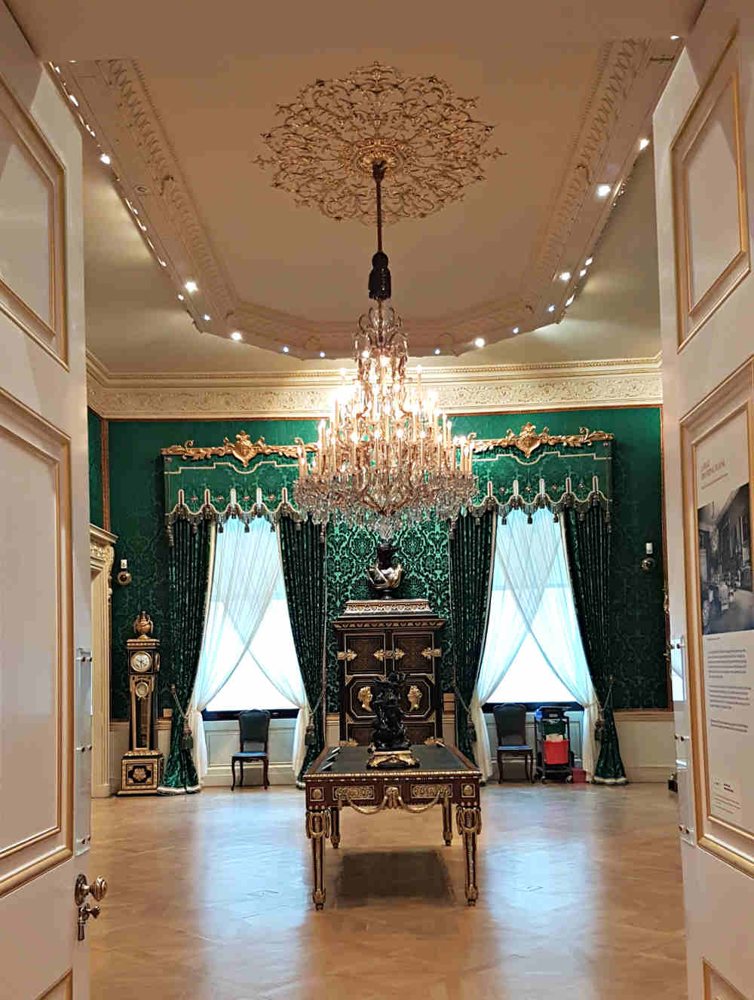
Tucked behind Selfridges in Marylebone is one of my favourite London haunts: an eighteenth-century city pile with a jaw-dropping art collection and a furniture collection which would make Marie Antoinette feel perfectly at home. It’s a sea of crimson reds, rococo gold, salmon and strawberry pinks, emerald greens and indigo blue. But what I love most about the Wallace Collection in Marylebone is that it is one of the greatest collections ever bequeathed to the nation, and it’s yours and mine. Here are ten reasons why anyone visiting London needs to go and see the Wallace Collection.
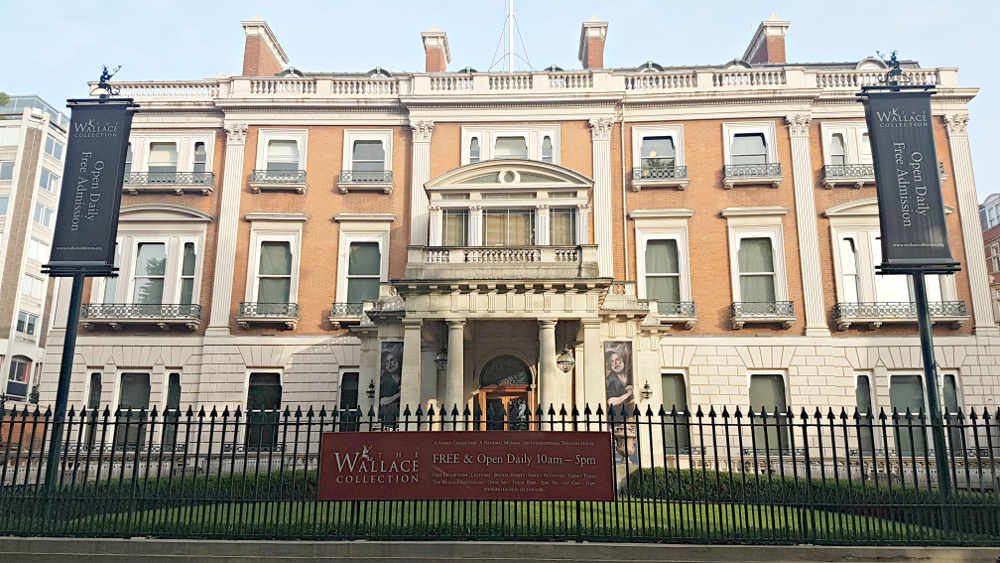
1. The Wallace Collection is free
I don’t think Londoners appreciate how lucky they are that so many museums and galleries are free. The Wallace Collection is free to enter, so walk in, spend as much time as you need and it won’t cost you a penny.
2. It has a jaw-dropping collection
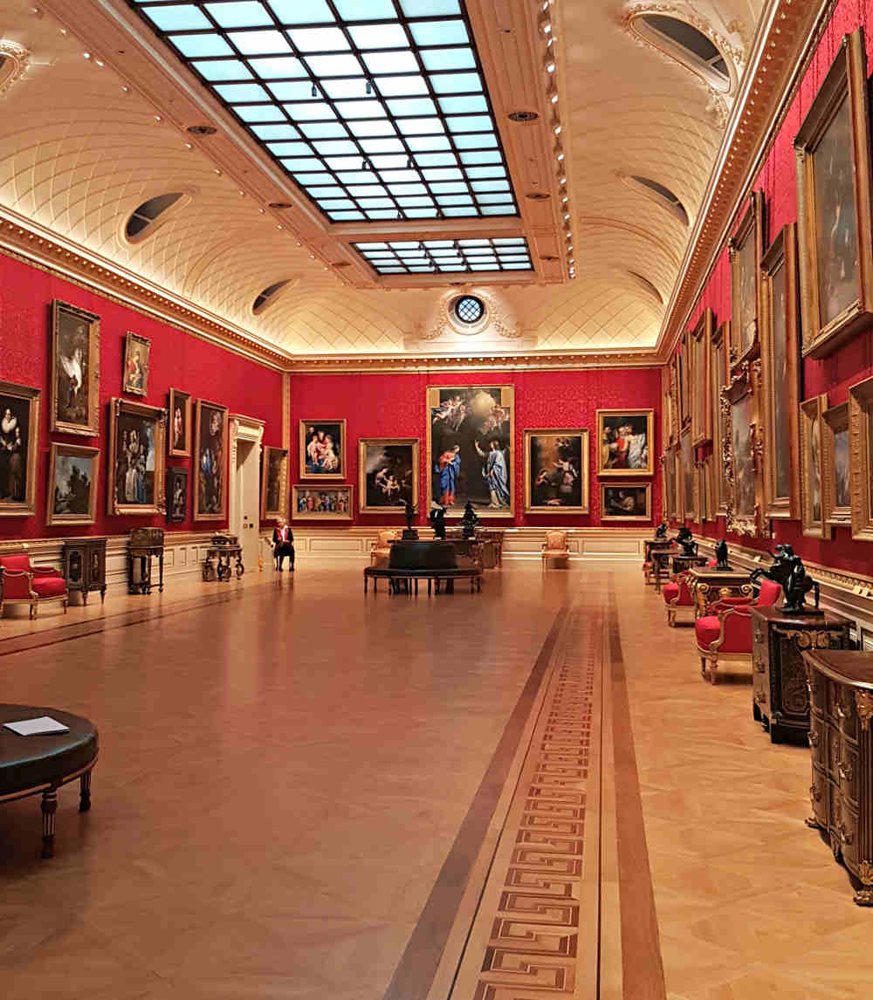
The Wallace Collection houses works by Rembrandt, Reynolds, Rubens, Van Dyck, Canaletto, Gainsborough, Titian, Murillo, Poussin and Velázquez. It is also one of the world’s great collections of eighteenth-century Sèvres porcelain, with arms and armour, ceramics, miniatures and some of the finest French furniture you will ever see.
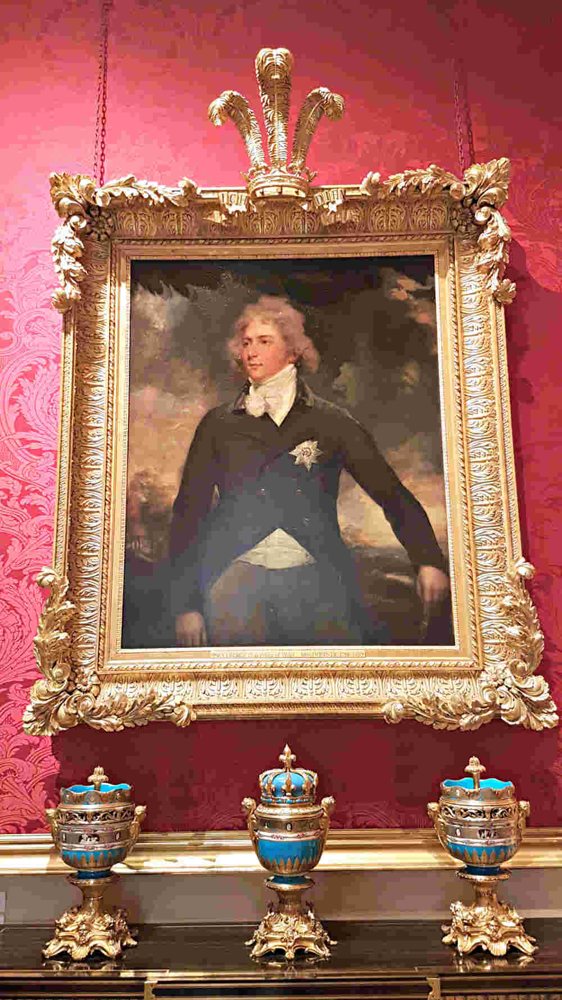
George IV as Prince of Wales, by John Hoppner.
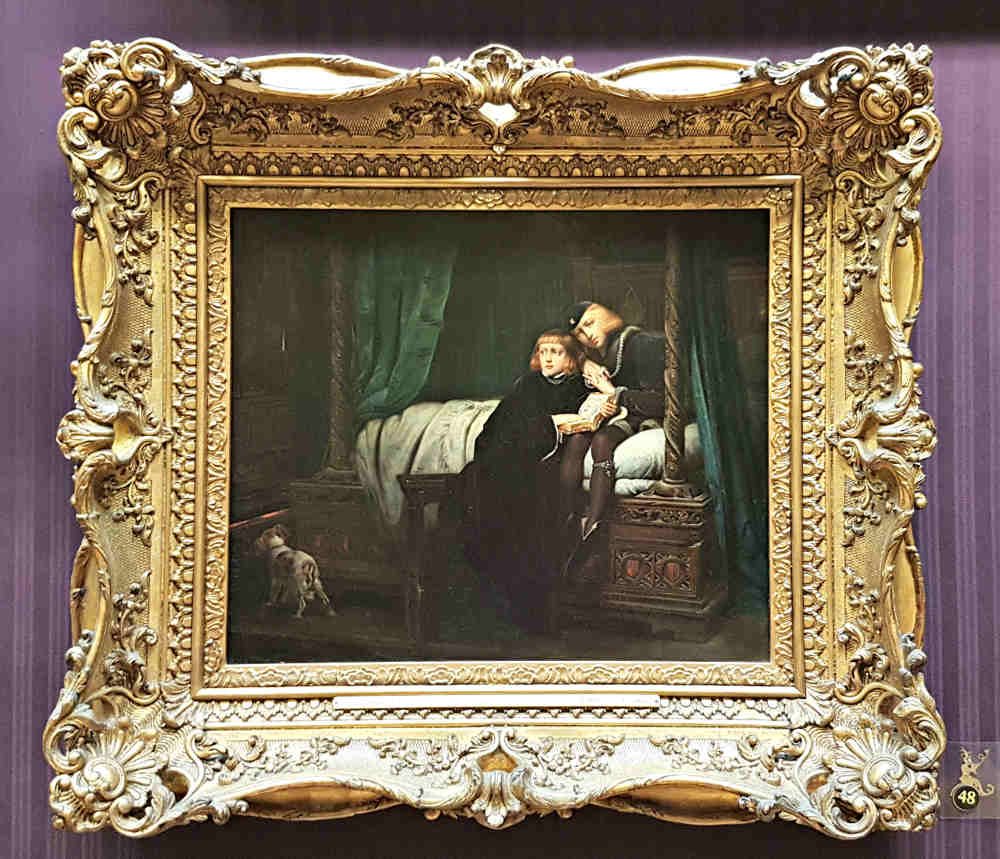
Edward V and the Duke of York in the Tower, by Paul Delaroche.
3. The Wallace Collection is a house with a story
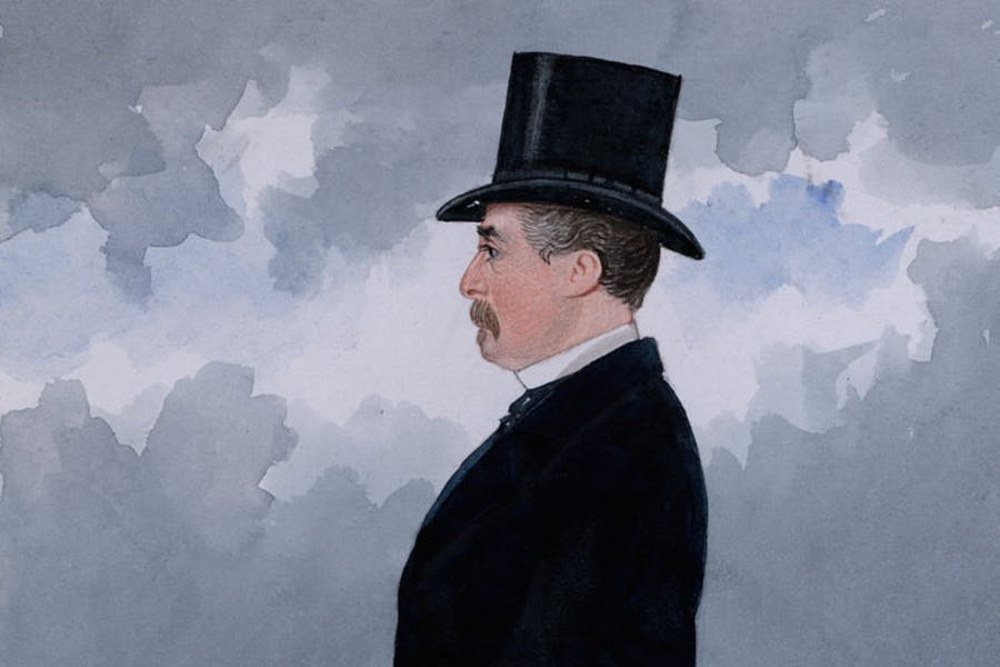
Sir Richard Wallace, by Richard Dighton, c.1871 (The Wallace Collection).
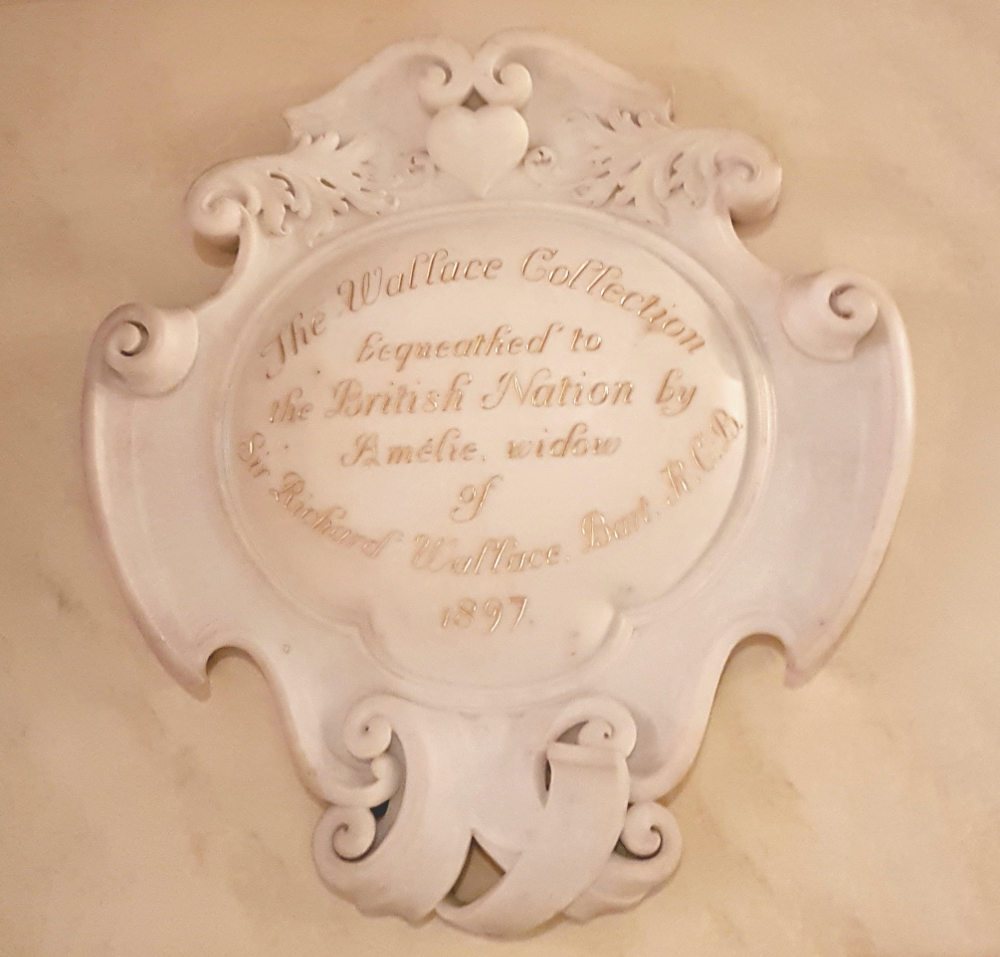
The 4th Marquess of Hertford was enormously wealthy, and he filled his Paris home, the Château de Bagatelle, with many of the pieces you see here today. He never married, and he left his titanic art collection to his illegitimate son, Richard Wallace. Wallace moved to London in 1871 and remodelled Hertford House in Marylebone, extending it so it could hold his prodigious collection. After his death his widow, Lady Wallace, bequeathed everything to the nation in 1897, on condition that no object would ever leave the collection. (That rule was relaxed in 2019 to allow temporary loans.) The Wallace Collection opened as a public museum on 22 June 1900.
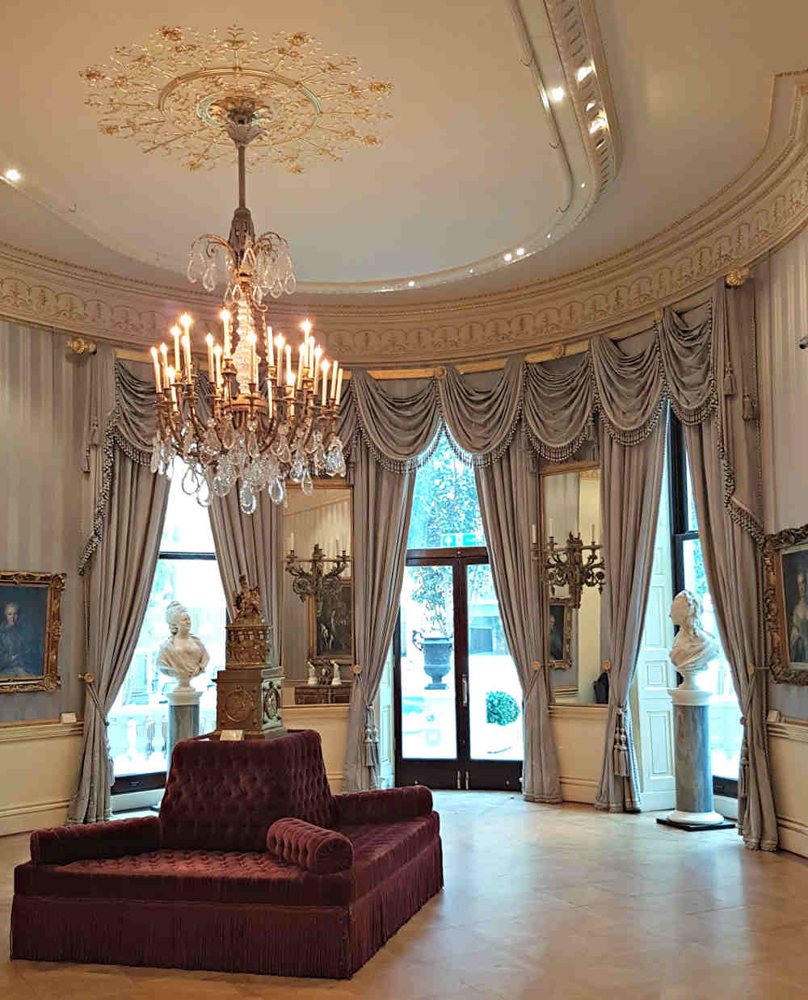
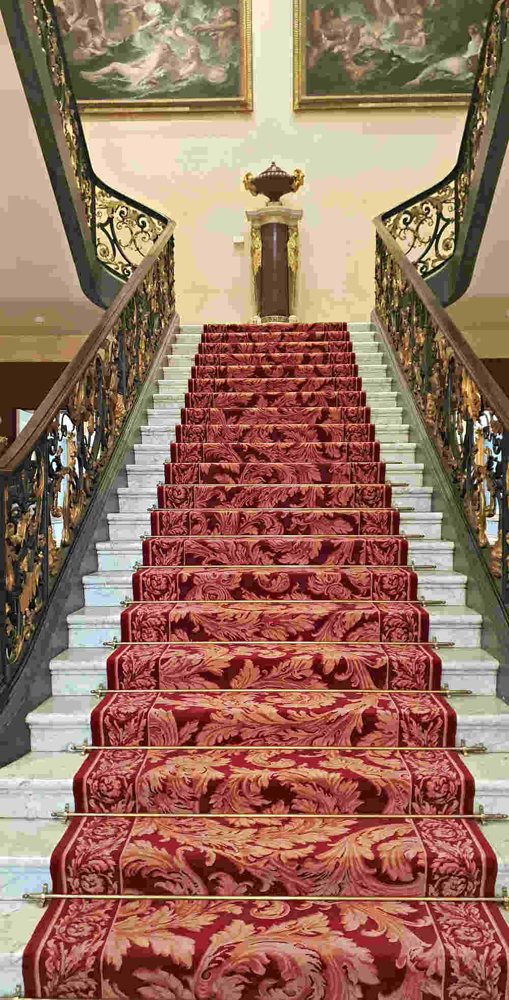
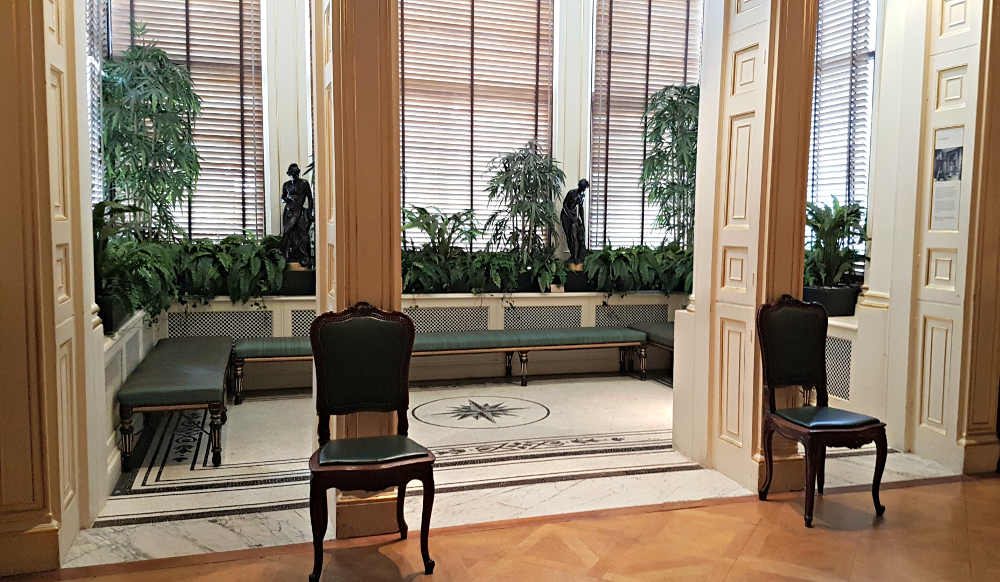
The Dining Room leads to stairs down to the restaurant.
4. Marie Antoinette reigns supreme at the Wallace Collection
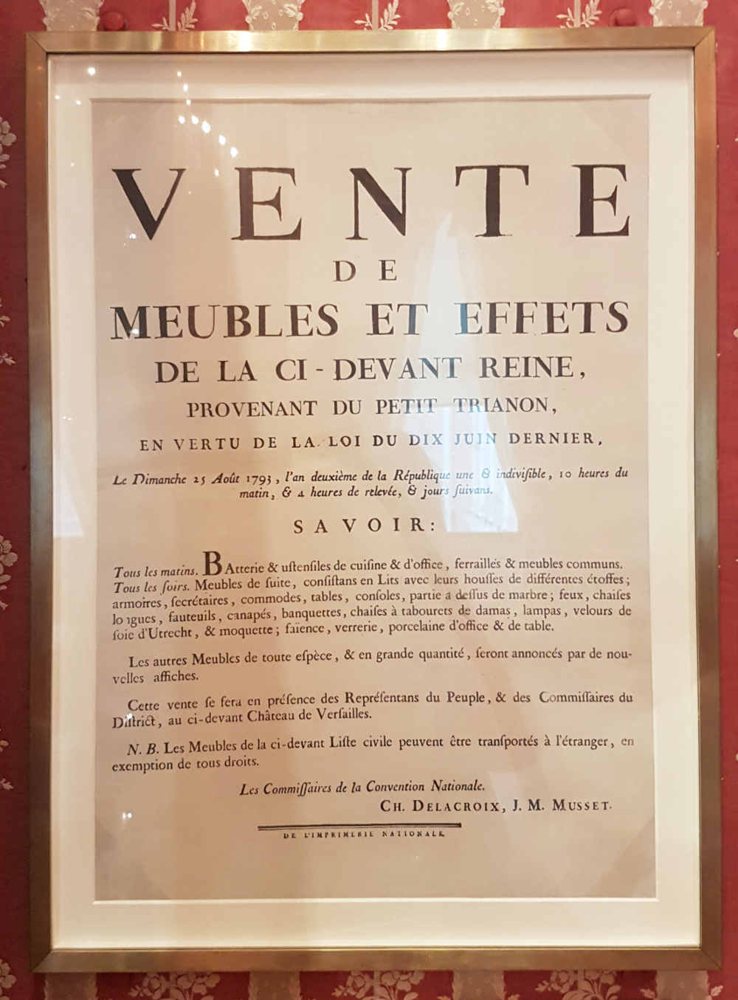
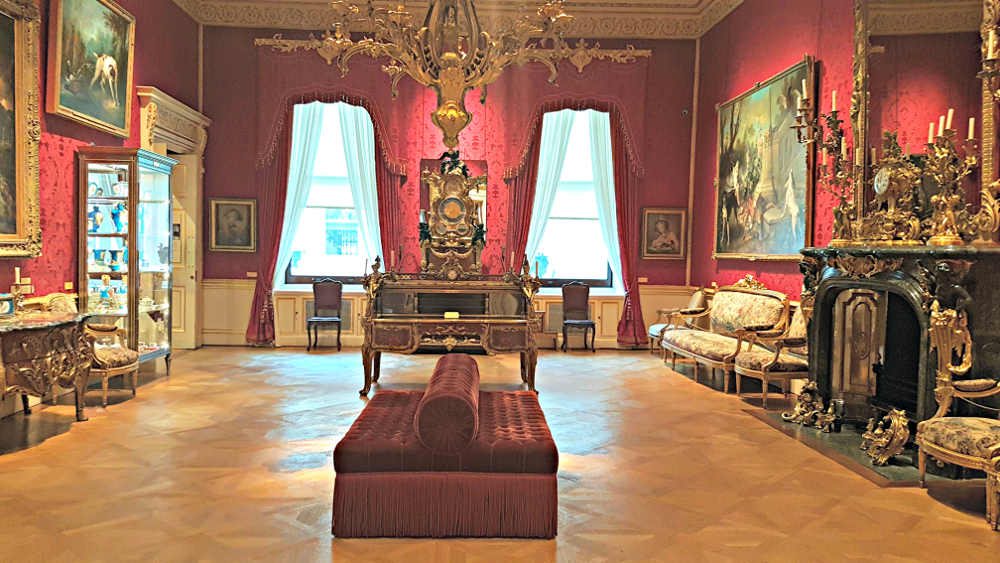
Marie Antoinette’s furniture and belongings from Le Petit Trianon, the Queen’s personal château in the grounds of Versailles, were sold off after the French Revolution. Thank goodness for us Londoners that the Wallace Collection now holds one of the world’s great stockpiles of pieces made for her by the cabinetmaker Jean-Henri Riesener, and we even have objets d’art from Madame de Pompadour over which to drool.
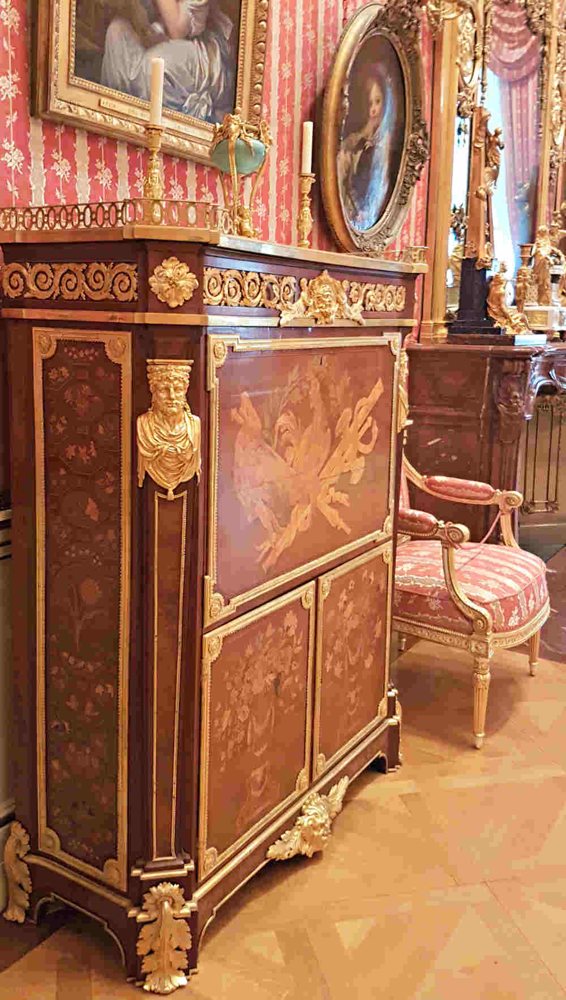
This Riesener desk was delivered to the Petit Trianon in the 1780s. The top marquetry panel folds down to reveal an inner cabinet with shelves and drawers, some of them secret, and a strongbox with its own key. Marie Antoinette was rarely left alone, so a lockable space was a precious thing.
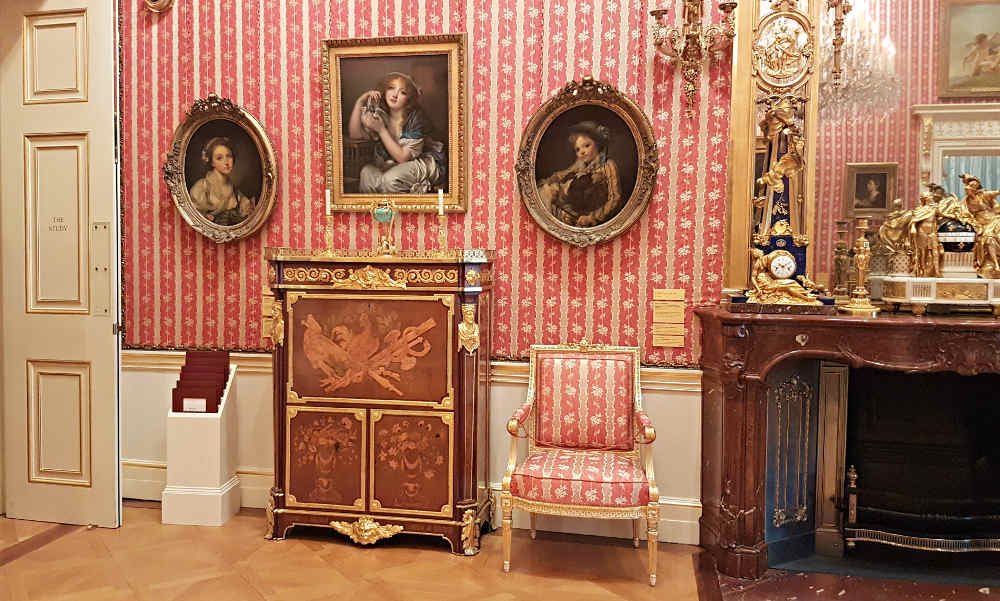
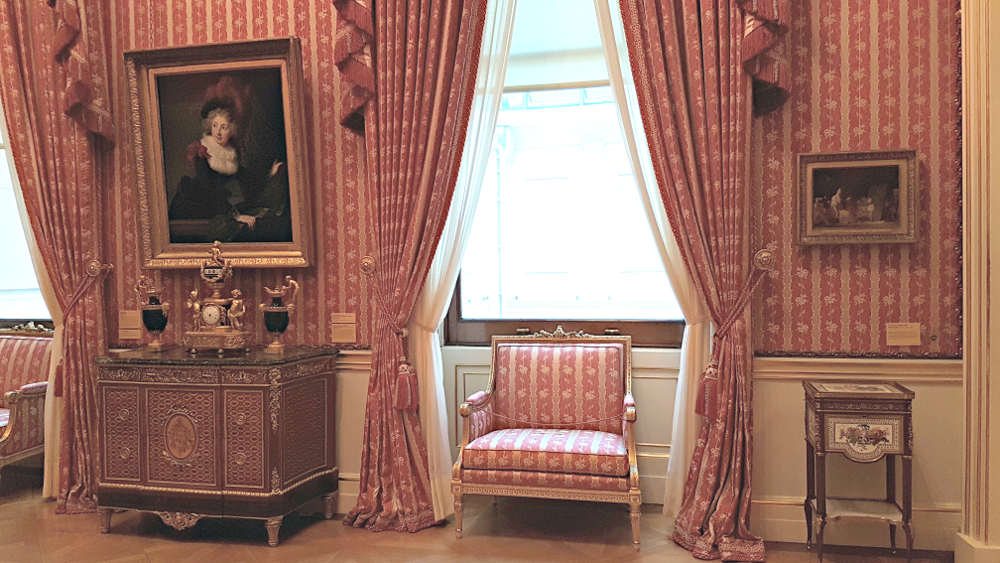
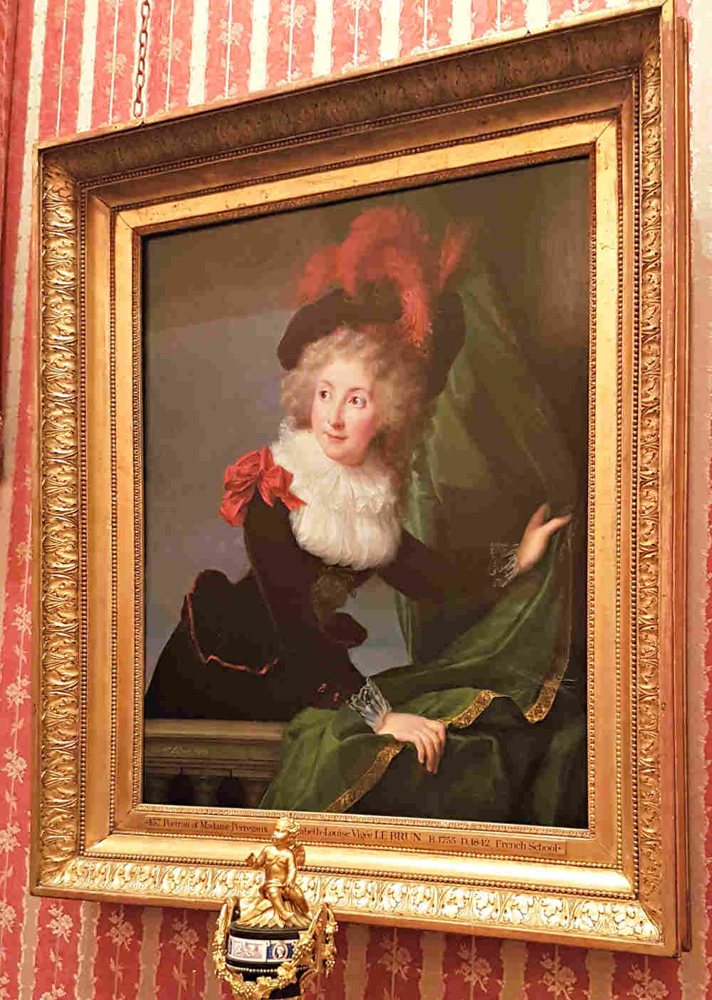
Élisabeth Vigée Le Brun painted several magnificent portraits of the queen and her family. This portrait of Madame Perregaux was painted in 1789, on the eve of the French Revolution.
5. Laugh at the mightiest tash in London
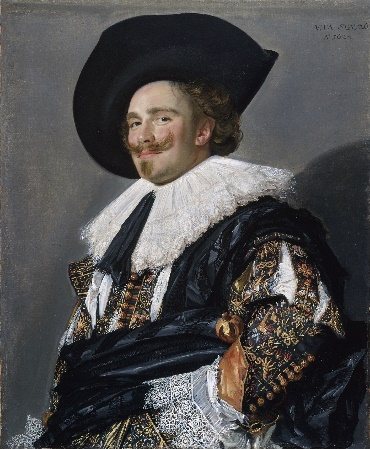
I could stare at The Laughing Cavalier for hours. It’s the detail in the whiskers and the iridescent lace that never fails to leave me a little breathless, and that subtle smirk beats the Mona Lisa’s hands down. No one knows the identity of the 26-year-old in this fabulous 1624 portrait by the Dutch painter Frans Hals. He was the subject of a hugely competitive bid between the 4th Marquess of Hertford and Baron James de Rothschild at a Paris auction in 1865. Hertford won the day, 51,000 francs poorer. Read more in my post In Conversation with The Laughing Cavalier.
6. A sublime portrait of Queen Victoria
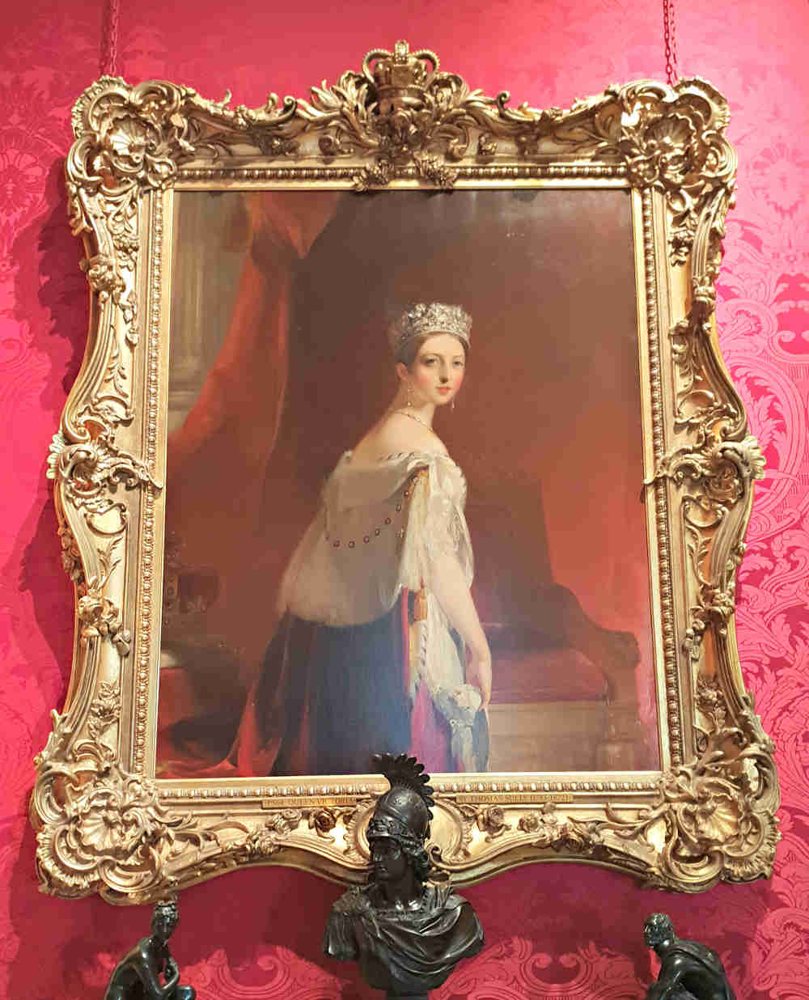
Stephen Poyntz Denning loved to paint his Queen. Here he copied a Thomas Sully portrait of her, and in the Dulwich Picture Gallery hangs his delightful Queen Victoria Aged 4. Make sure you see that one too.
7. Meet Lady Di’s rival
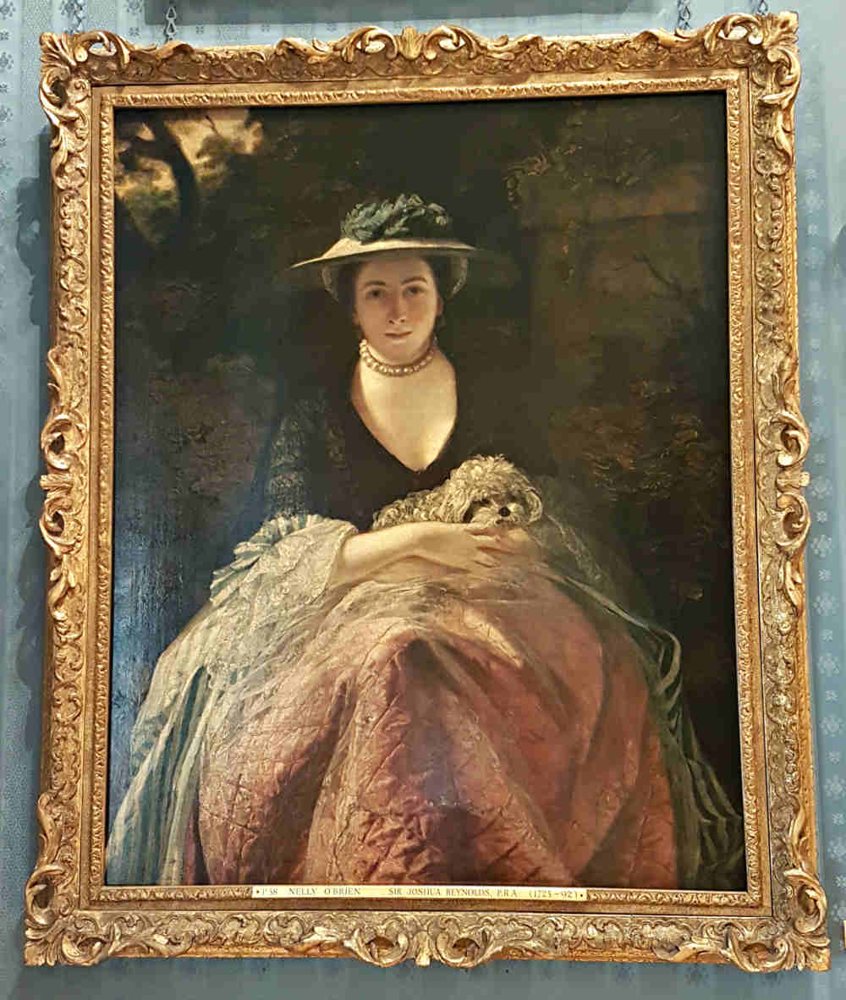
Say hello to Nelly O’Brien, a Georgian courtesan and mistress of Viscount Bolingbroke, who was married to the first Lady Diana Spencer, also known as Lady Di. Reynolds is said to have been painting wife and mistress at the same time, unbeknownst to either.
8. Some of the finest snuff boxes in the world
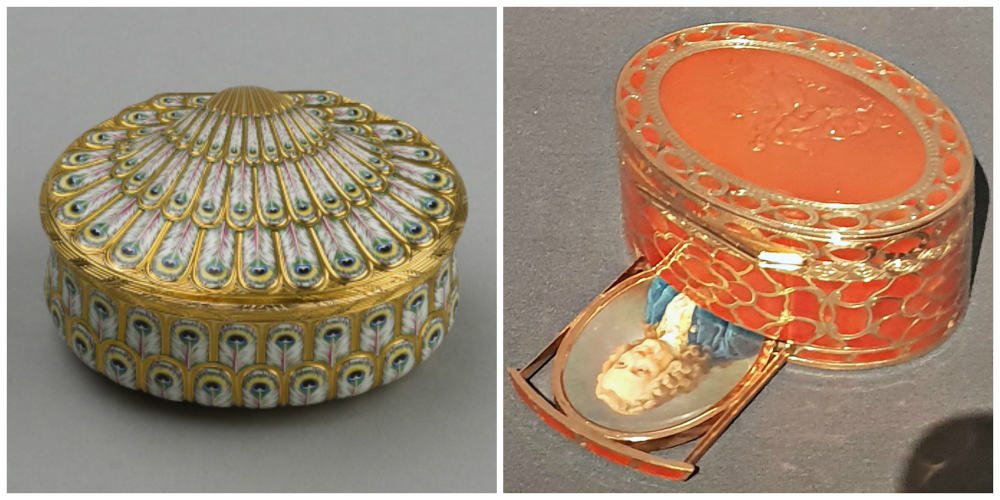
Back in the day snuff boxes were a status symbol and a fashion accessory, much like an expensive watch is these days. When opened, the lid of the scallop-shaped box on the left shows a peacock’s tail in full upright glory. The box on the right is most likely the creation of Johann Christian Neuber, the most famous goldsmith of eighteenth-century Dresden, and a portrait slides out of this delicious snuff box. Bring snuff boxes back, I say!
9. The best of the Swinging Sixties (the 1760s)
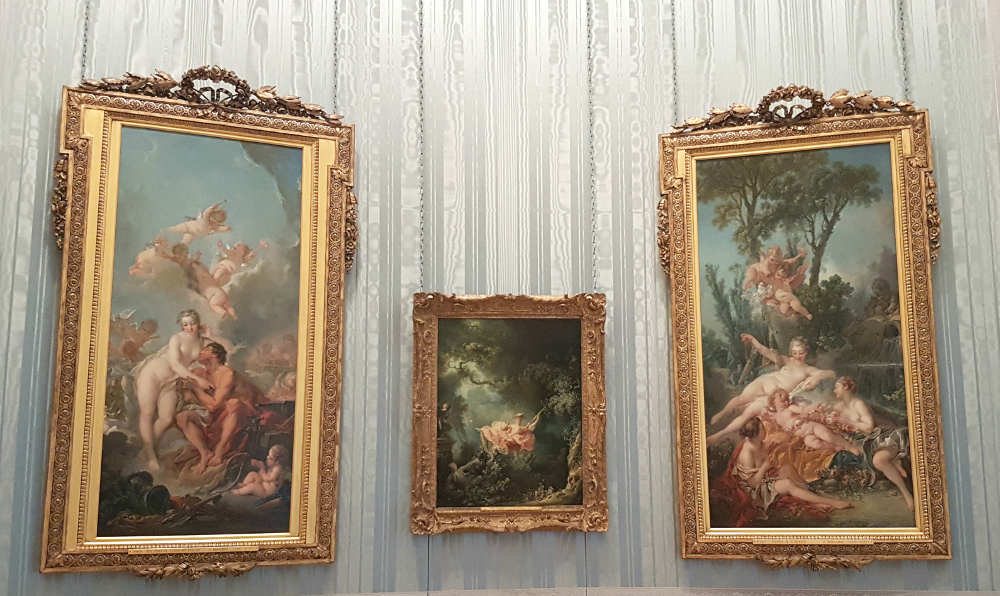
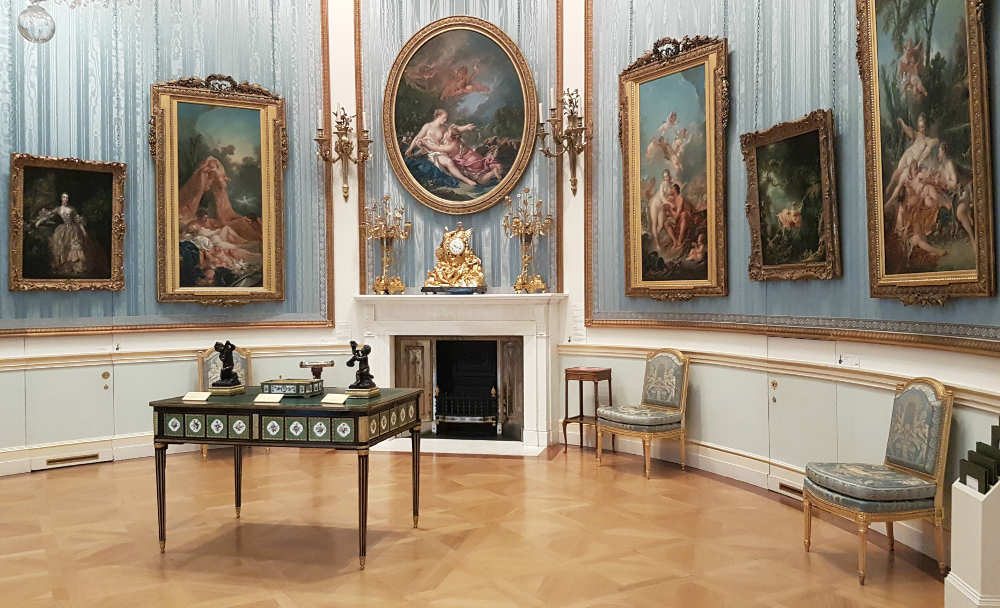
In the Oval Drawing Room you will come across a trio of exquisite paintings. Taking centre stage is The Swing (Les hasards heureux de l’escarpolette) by Jean-Honoré Fragonard, one of the most famous paintings of the rococo, and it’s deliciously naughty. It’s my favourite painting in London, and it’s worth a trip to the Wallace just to see this one erotic masterpiece.
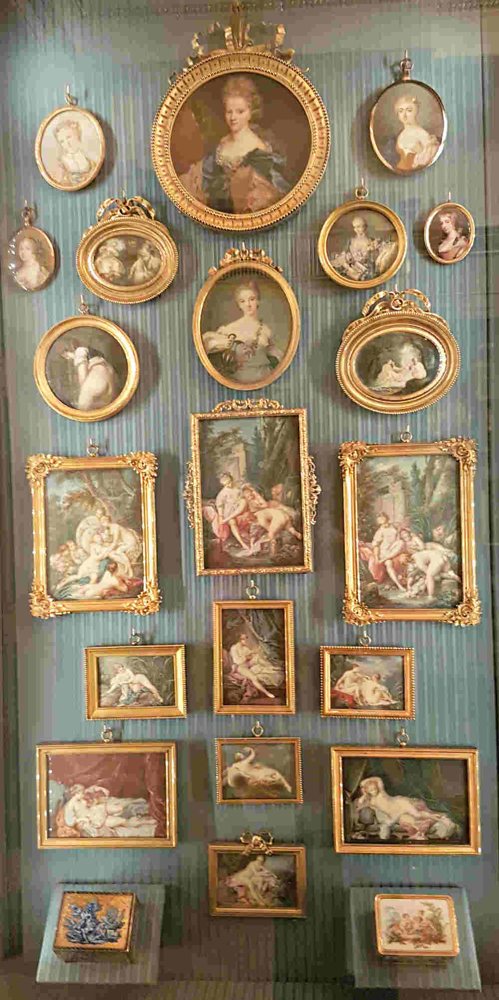
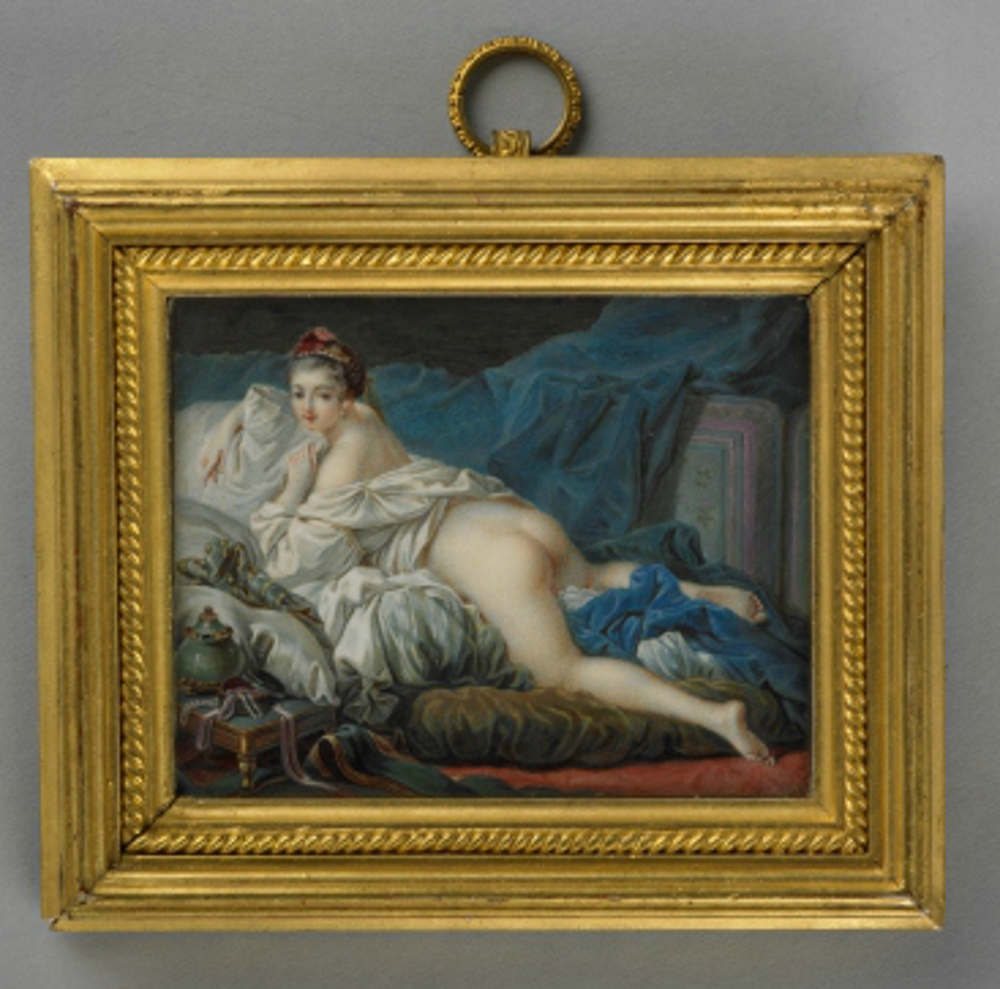
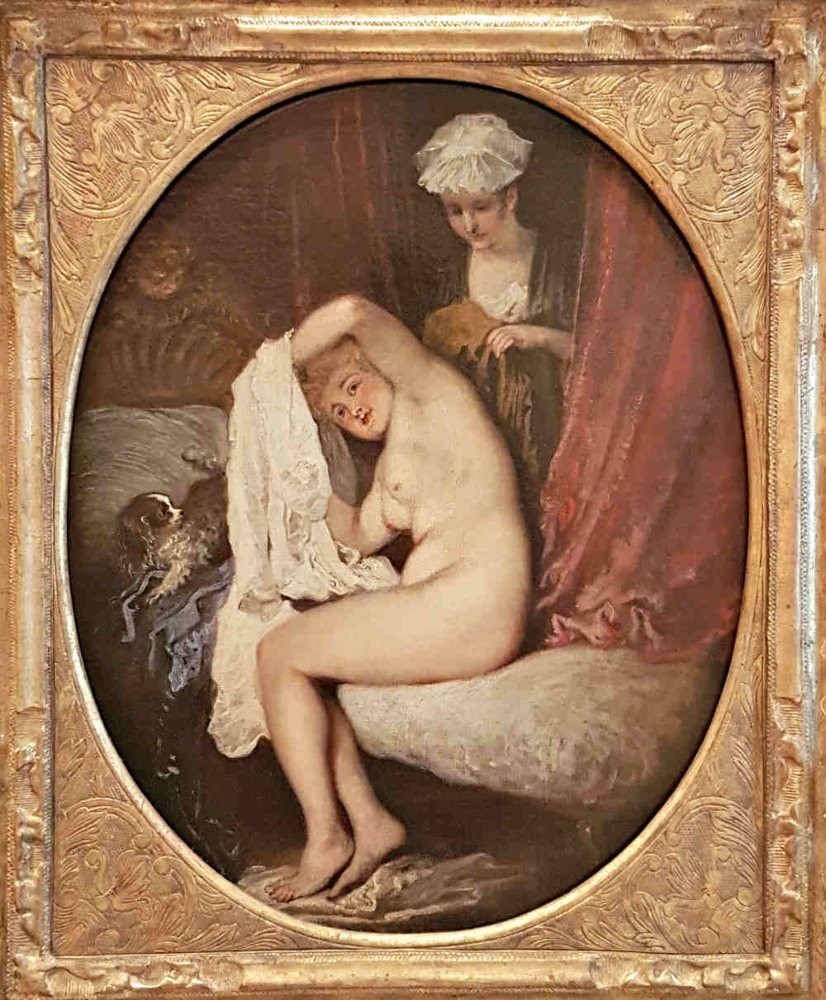
There’s a lot of flesh on show at the Wallace, and some of these seductive pieces might get you hot under the collar, from Watteau’s A Lady at her Toilet to the original pin-ups of the miniatures. One of my favourite miniaturists, Jacques Charlier, was a painter in the court of Louis XV who took orders from Madame de Pompadour, and there are several examples of his work here.
10. Tea at the Wallace Collection restaurant
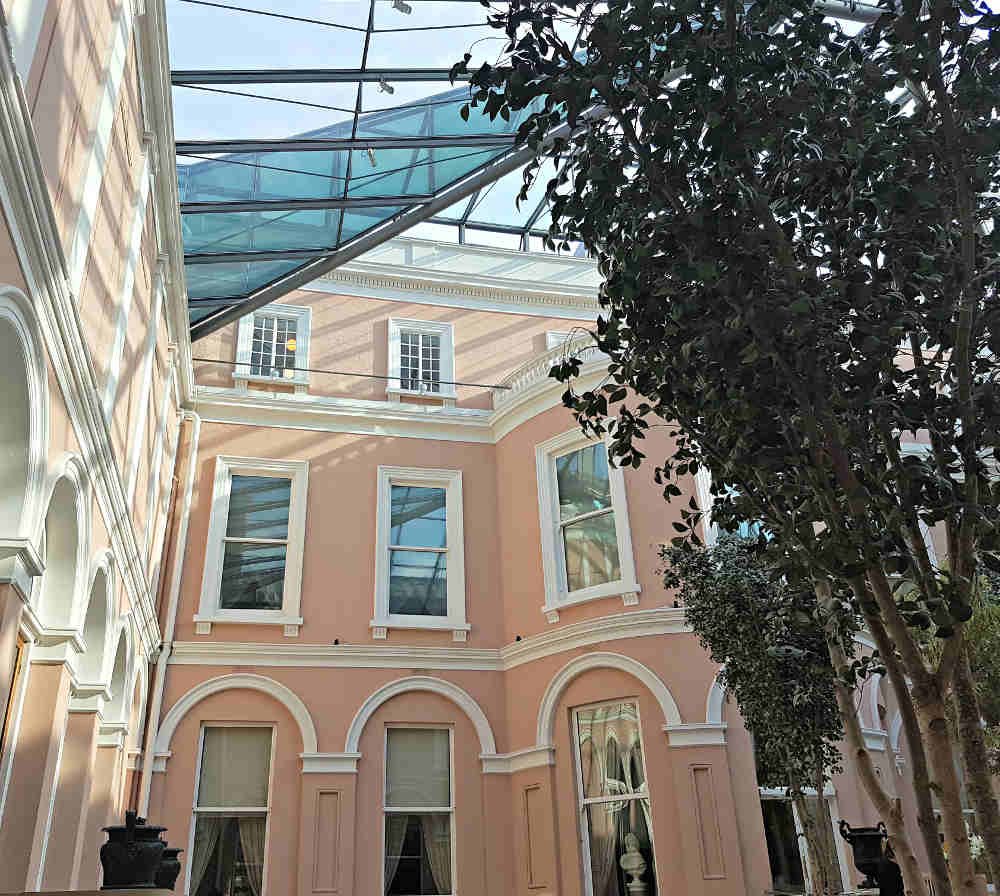
The Wallace Restaurant serves breakfast, lunch and afternoon tea in a quiet, light-filled, pink oasis under a glass roof. I just wish it would revert to its original name: Café Bagatelle. It’s the perfect name for such a pretty noshery, don’t you think?
Sir Richard Wallace: the collector behind the Wallace Collection
Richard Wallace was born in 1818 and grew up in Paris before moving to London in 1871. He is thought to have worked as secretary to the 4th Marquess, helping him to collect the furniture, books, paintings and sculpture we see today. When the Marquess died he left Wallace the collection, and, armed with a bulging purse, Wallace became a collector himself, buying arms and armour and discriminating objects and paintings.
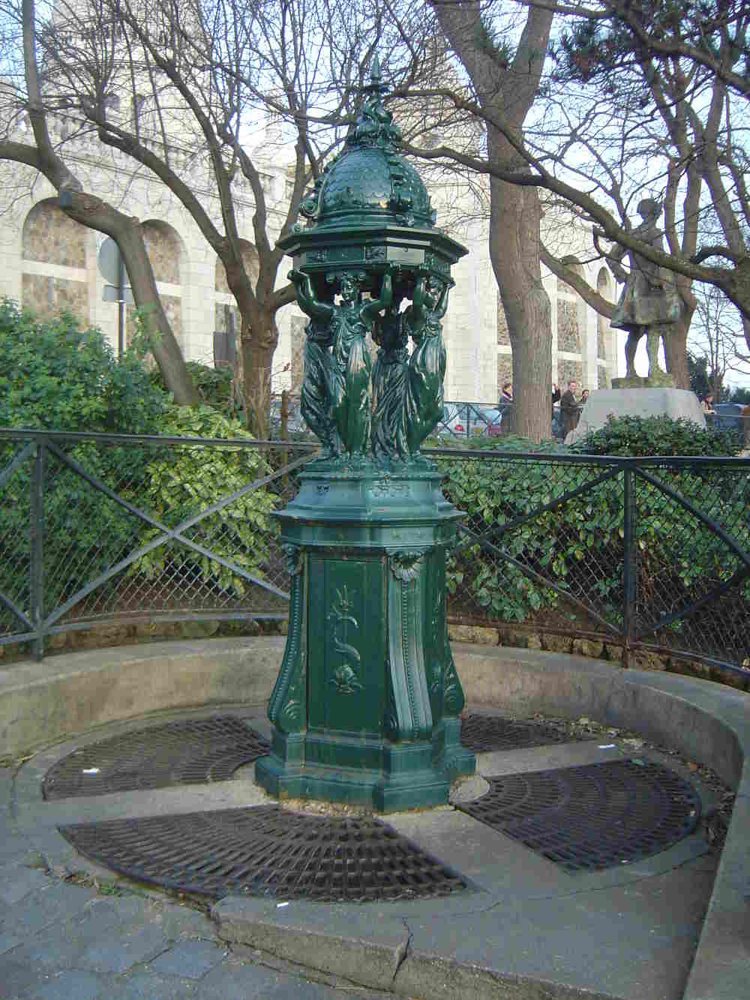
Photo: David Monniaux (CC BY-SA).
Wallace was a great philanthropist. He lent his works of art to the Bethnal Green branch of the South Kensington Museum (now the V&A), where millions came to see them, and he gifted 50 cast-iron drinking fountains to the city of Paris, known today as les fontaines Wallace. The French bestowed a Légion d’honneur on him, and Queen Victoria made him a baronet.
Visit the Wallace Collection
Where: Hertford House, Manchester Square, London W1U 3BN, just behind Selfridges. The nearest tube station is Bond Street.
Opening times: the museum is open daily and entry to the collection is free, but opening times and exhibitions change, so check the official website before you go.