There are some places in London that simply take your breath away. The Arab Hall in Leighton House is one of those. The Soane Museum is another, as is Two Temple Place. Then I visited Fitzrovia Chapel where every square inch screams of bling without a Swarovski crystal in sight. This may just be London’s most dazzling architectural space, and chances are, you don’t even know it exists.
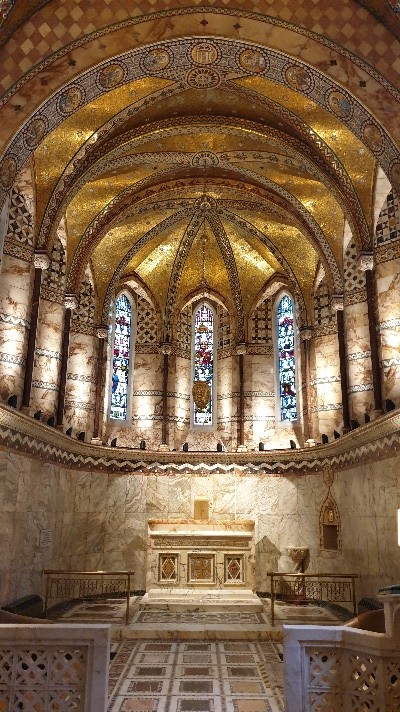
Strolling through Fitzrovia, you might come across a pleasant but unprepossessing red brick church tucked away in Pearson Square. This is a case of never judging a church by its cover – you’ll definitely want to take a peek inside this one. And yes, it’s free.
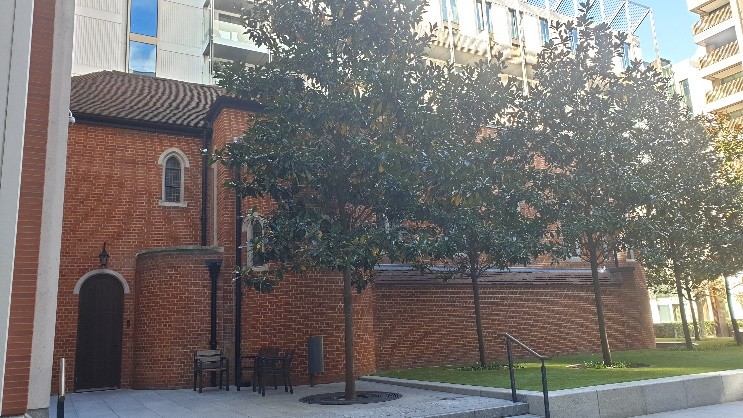
Don’t be fooled by the chapel’s subdued exterior. Inside is a jewel-box Byzantine interior.
The 1891 chapel was originally designed by John Loughborough Pearson, the Gothic Revival genius behind Two Temple Place, Truro Cathedral, and Cliveden’s jaw-dropping interiors (his motto was that his designs should bring people to their knees.) It was completed by his son, Frank Loughborough Pearson who added the mosaic flourishes and much of the bling.
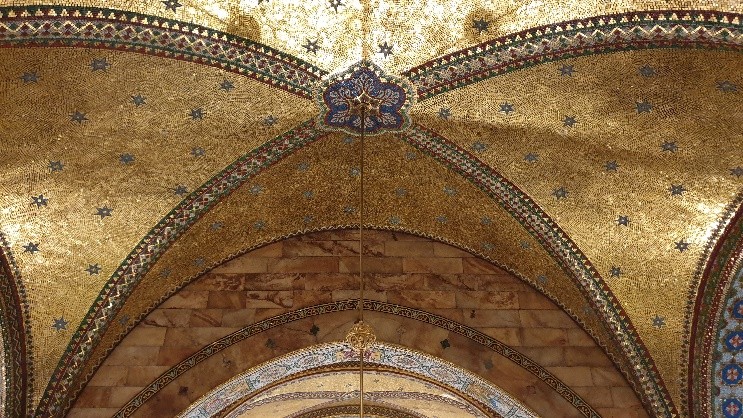
During the restoration work, mosaics were fixed and 70 percent of the gold leaf had to be replaced.
The Grade II listed chapel was originally part of the Middlesex Hospital that closed in 2005 and was subsequently demolished. The site was bought by the Candy brothers with a view to waving their über-expensive developer’s wand over it, but they pulled out. In 2013, new developers took over the site and following a £3 million restoration job, Fitzrovia Chapel opened its newly-buffed interior in September 2015. Today, the Fitzrovia Chapel is the only surviving building of the Middlesex Hospital, whose notable patients include Rudyard Kipling, Peter Sellers and Winston Churchill.
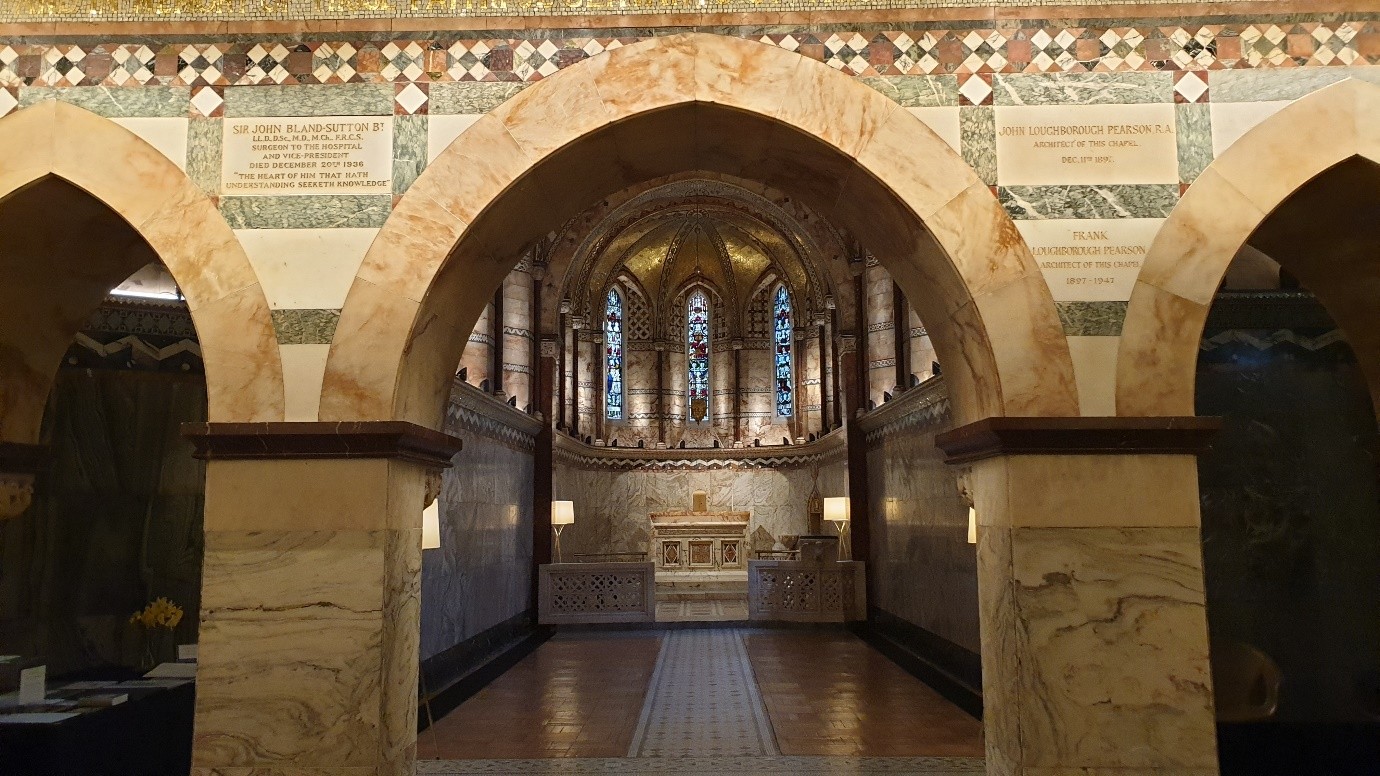
On 22 January 2017, the first episode of the BBC thriller Apple Tree Yard was filmed in the Fitzrovia Chapel.
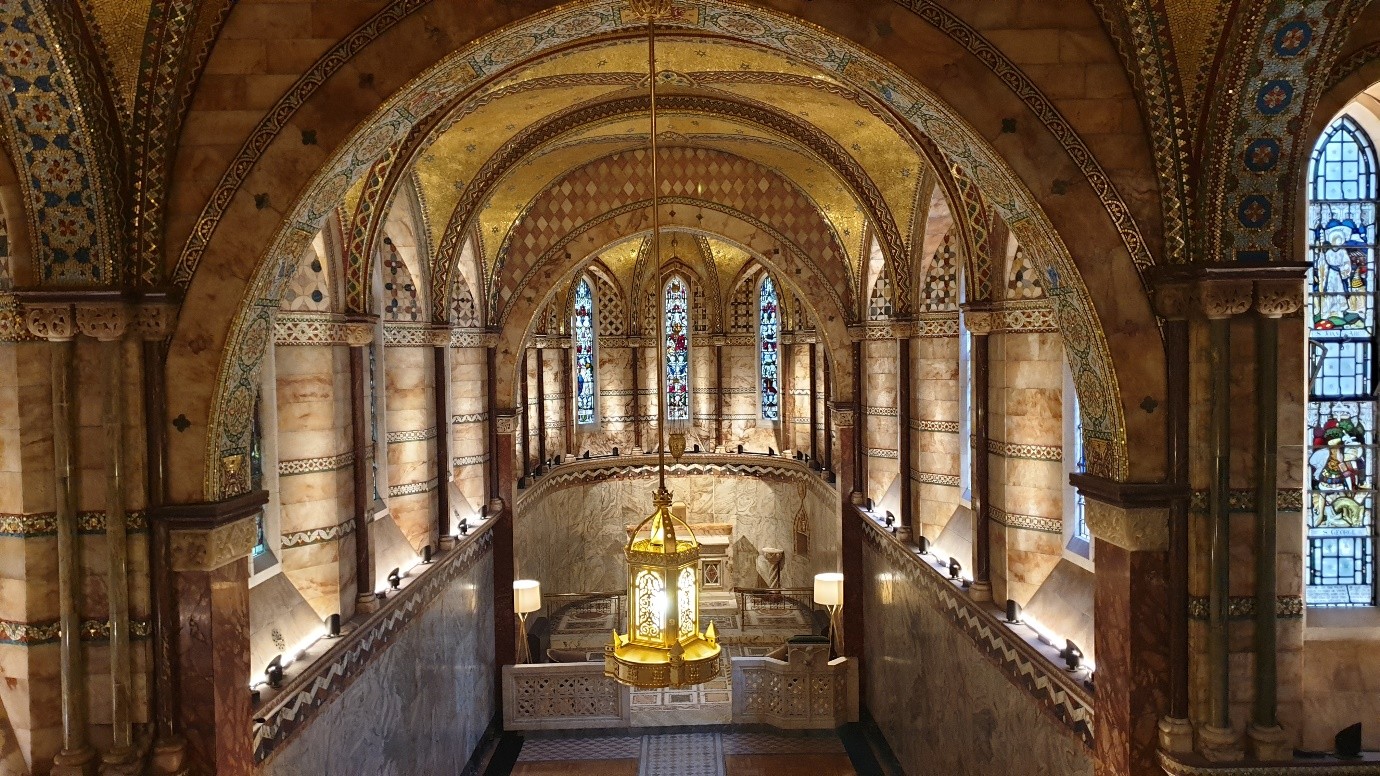
Architects Caroe and Partners were tasked with the extensive restoration and repair work. The roof was replaced, mosaics were fixed and the stained-glass windows were renovated off-site and re-installed. In some areas, up to 70 percent of the gold leaf had been damaged, so most of the tiles needed re-gilding. And what had hitherto been a candle-lit chapel now needed a twenty first century upgrade to electric lighting.
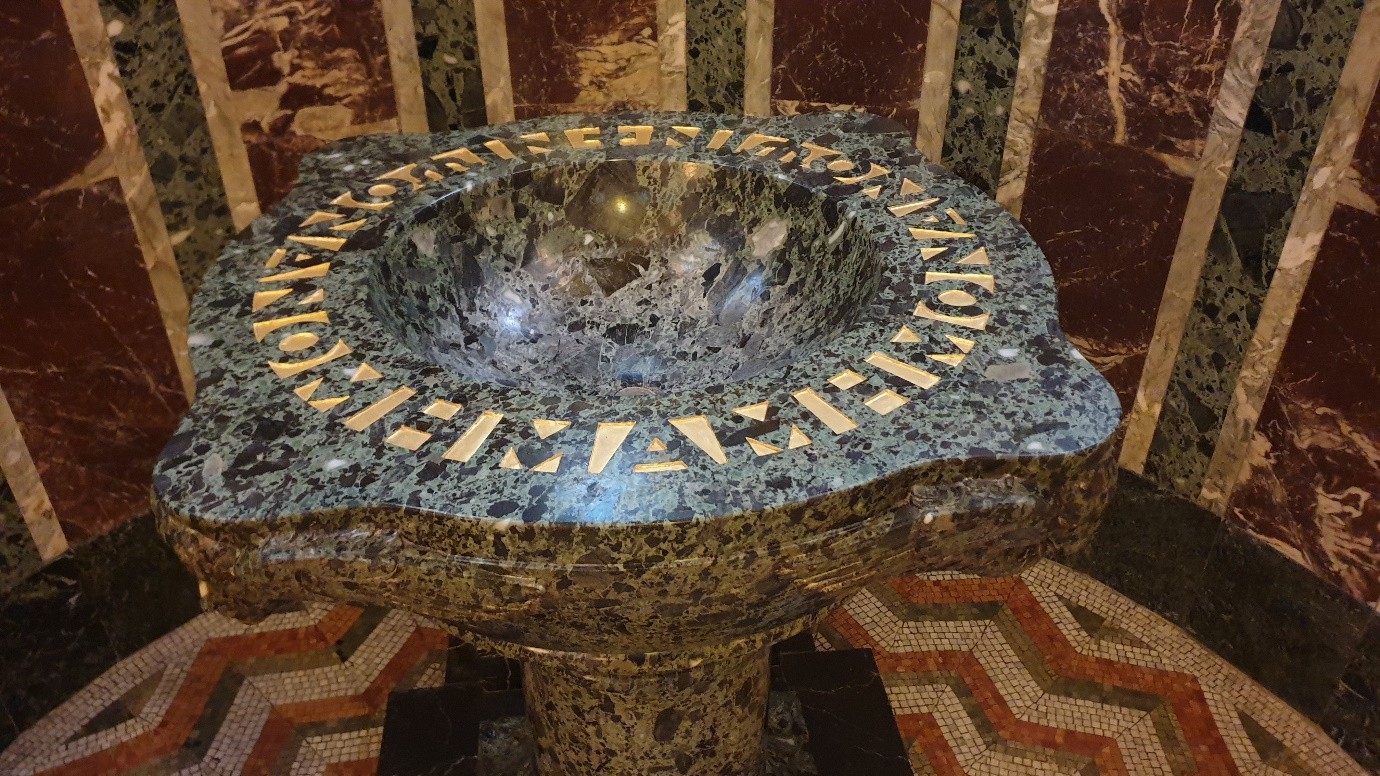
The chapel font is carved from a solid block of green marble and is a copy of the font in Istanbul’s Hagia Sophia.
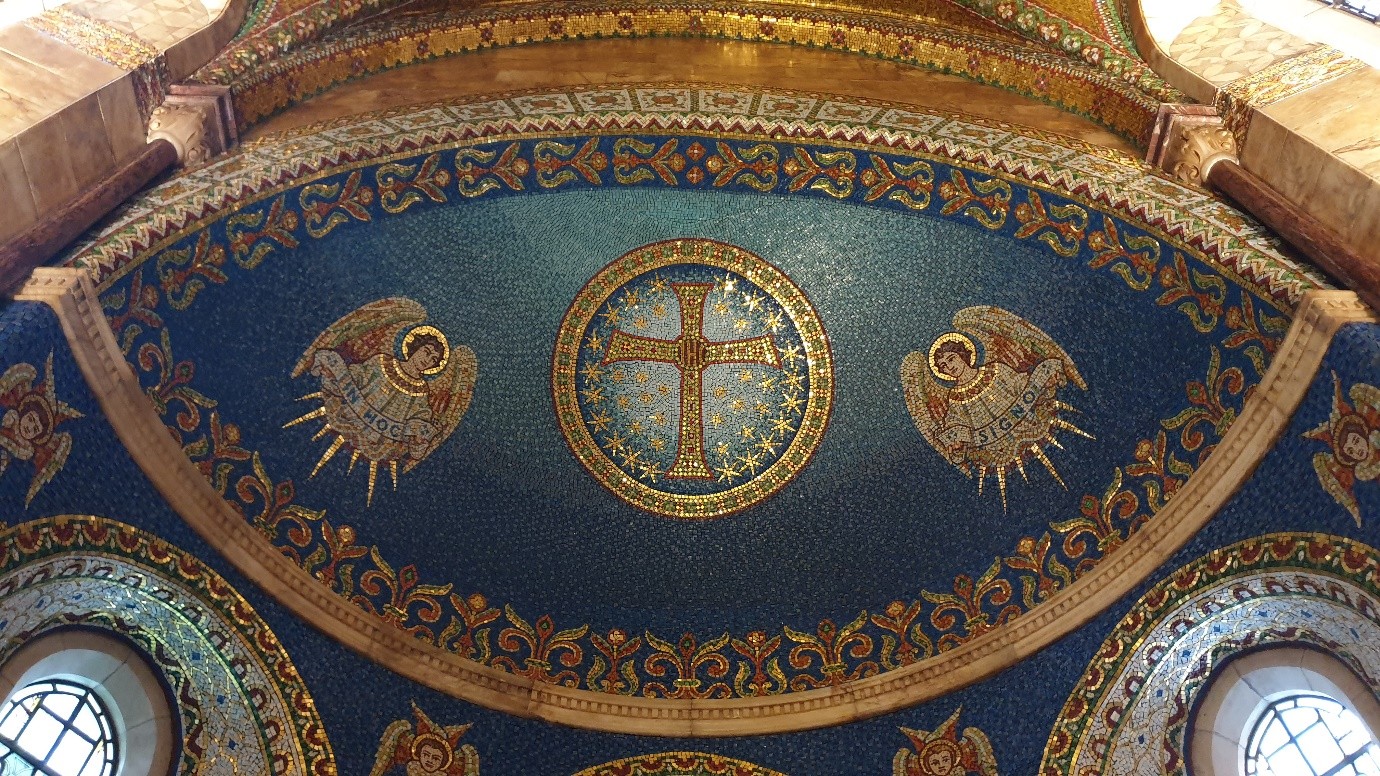
The sublime mosaics were designed by Frank Pearson who was inspired by Italian work found in Venice and Rome.
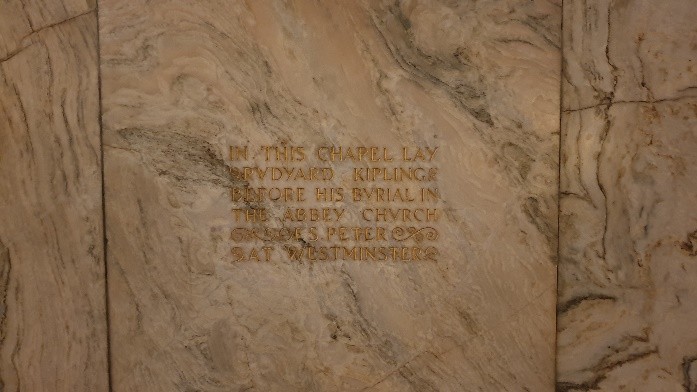
Rudyard Kipling died in the Middlesex Hospital. His body was held in state in the chapel, prior to his burial in Westminster Abbey.
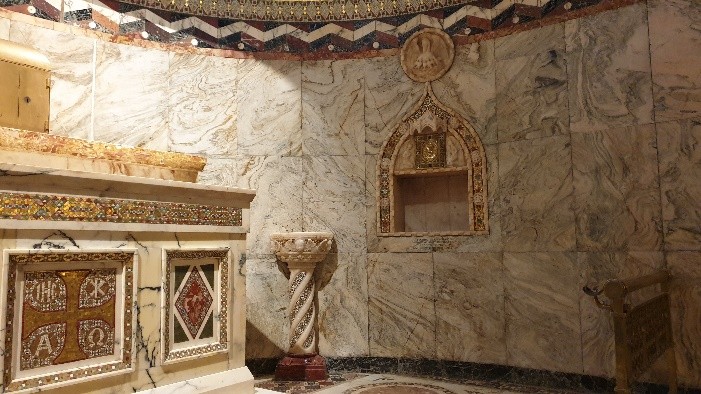
Seventeen marbles were used in the chapel, imported mostly from Italy.
The original organ was made by Lewis and Co in 1870 but was removed and replaced with an Allen electric organ. The pipes, though, are still original.
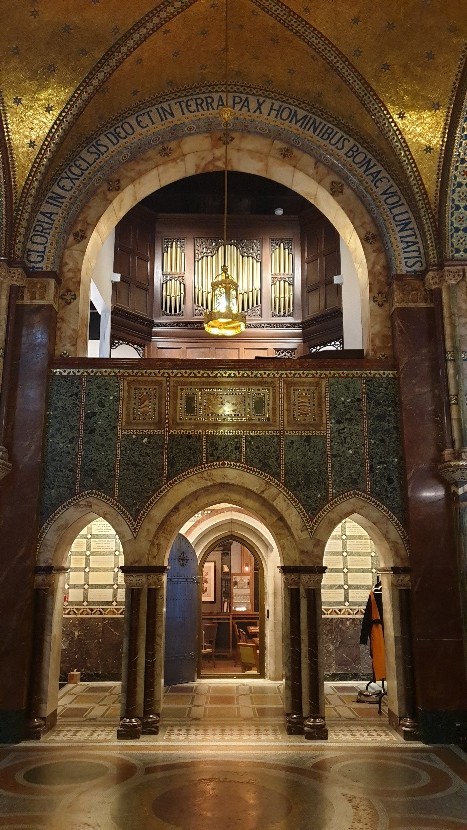
Many of the windows commemorate those who died in the First and Second World War. The ceiling pendants are original.
The Fitzrovia Chapel is not consecrated and is available for non-religious ceremonies and weddings, exhibitions and photo shoots. It also runs events throughout the year and is open to the public most Mondays, Tuesdays and Wednesdays from 11am to 5pm, and at least one Sunday each month from 12 noon to 5pm.
First written in 2019. Opening times, prices and menus change, so please check the venue’s own website before you visit.