There are two things of which you can be certain in Ireland: rain and poetry. My little nook of Irish paradise is in Castletownshend, West Cork, an hour and a half west of Cork airport (or Corcaigh in Irish). It’s a tiny fishing village and it has been part of my life since 1991. It can be wet, and there are bards aplenty in the village, especially with the help of a pint or two. But then again, there’s an Oscar, a James, a Shaw and a Yeats in every nook and cranny of the Wild Atlantic Way.
I first dropped anchor in Castletownshend in 1991 and stayed in The Castle at the bottom of vertiginous Main Street for a week. It was as cold as an icebox in the village château, but we were happy wandering from room to room in the company of Townshend ghosts and huddling by the coal fires. My parents promptly decided to move here and found a pretty cottage at the top of the village. We followed suit with a red brick Victorian house a few years later.
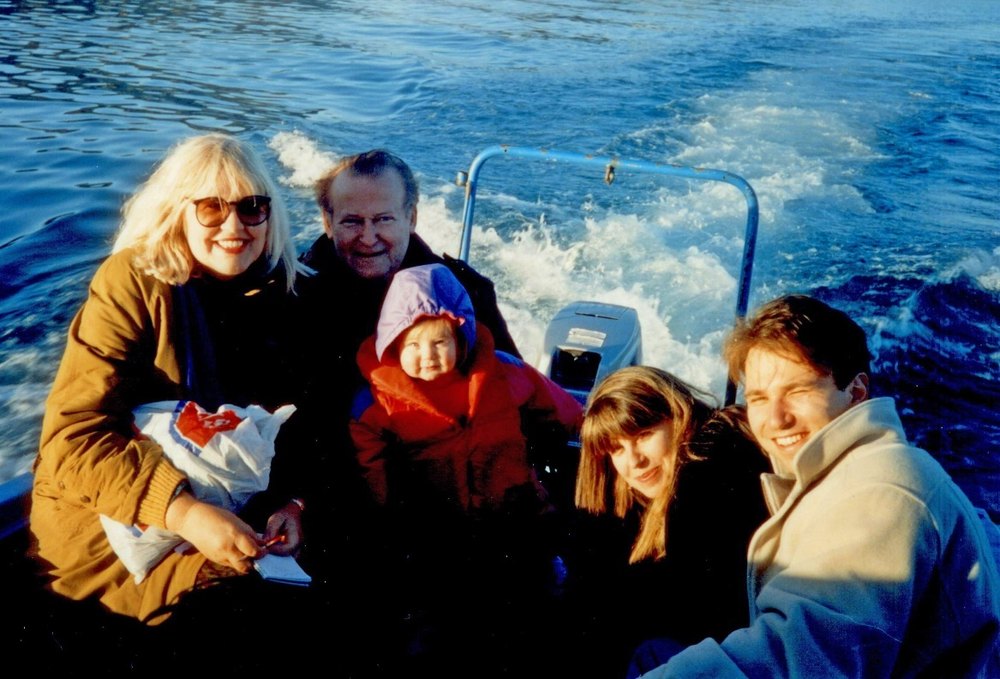
Our first trip to Castletownshend, with one-year-old Clarissa sitting on my father’s lap (that’s me and my husband Mark on the right). The boat belonged to George Salter-Townshend, who recited poetry while he skippered us around the bay. What’s not to love?
Castletownshend, West Cork
The descendants of Richard Townsend and his Castle still live in the village, albeit with the addition of an “h” to the family name. So do the Somervilles, descendants of the author Edith Somerville, whose ancestral home Drishane is at the top of Main Street. Castletownshend is sleepy, friendly, pretty as a picture and has Ireland’s best pub (we locals certainly think so).
The village, like much of West Cork, is blessed with its own microclimate thanks to the warm Gulf Stream, which meets the Atlantic Ocean here. When it rains, it pours, and the storms are spectacular, but moments later it can feel quite tropical. It’s a haven for palm trees, blue hydrangeas, pink azaleas and bright fuchsias, and the landscapes are a canvas of every conceivable shade of green.
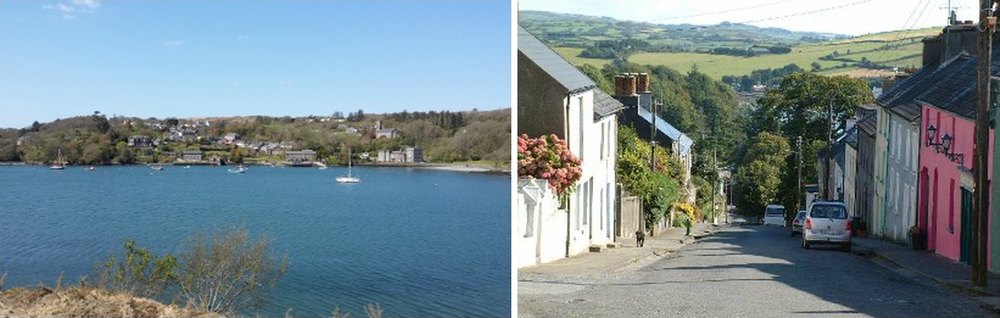
LEFT: The Castletownshend harbour. RIGHT: Main Street.
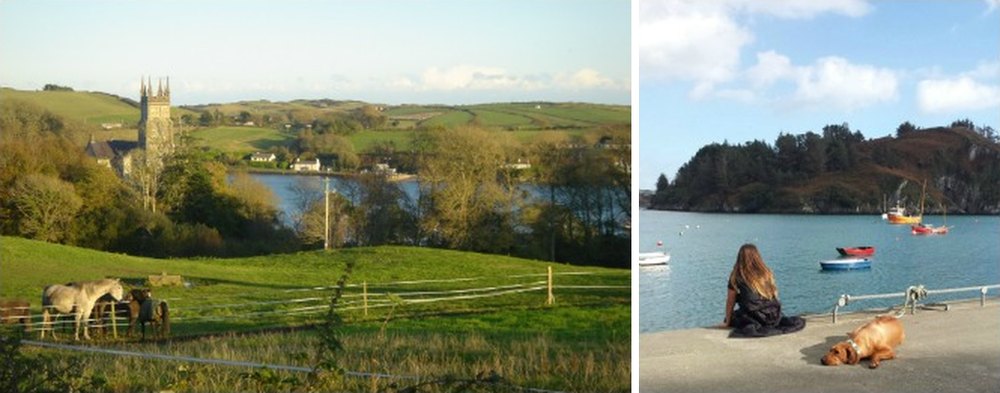
LEFT: The Church of St Barrahane, built in the 1820s, overlooks The Castle and the harbour. RIGHT: my daughter and our pooch Sahara laze in the Irish sun.
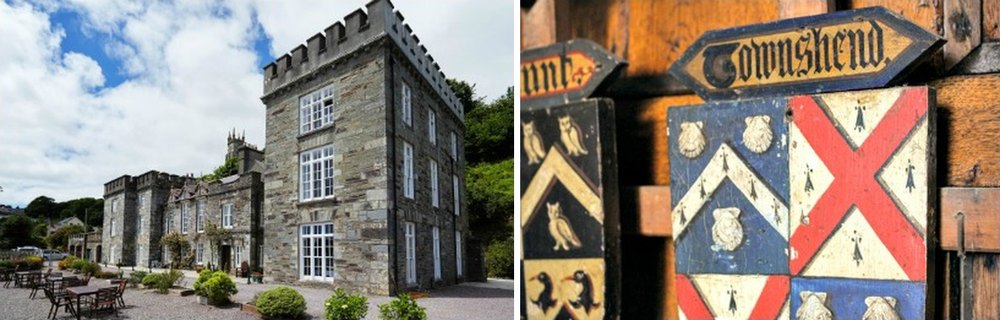
Wander a bit further down Main Street and you arrive at The Castle, seat of the Townshend family for 11 generations and now a bed and breakfast. The pretty café serves cake and Irish scones, and if it’s history you’re after, tours are sometimes available, so check ahead.
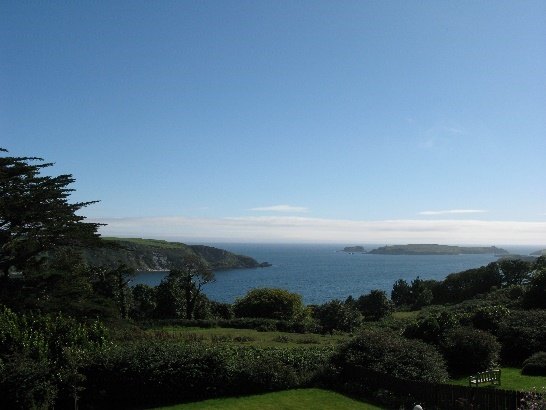
My Irish view across the bay towards the open Atlantic. On a good day, I can see whales and dolphins splashing about.
The best pub in Castletownshend
I have yet to meet someone in Ireland who doesn’t know Fergus, the landlord of award-winning Mary Ann’s in Castletownshend. The Irish pub is run by Fergus together with his wife Patricia, and it has been pulling pints since 1846. There’s an art gallery upstairs and plenty of seating outside for balmier days. The soda bread is to die for (seriously), and I recommend the crab and avocado bake as a starter. If you have room for afters, try the sticky toffee pudding. Fergus has an excellent wine cellar, and his creamy Guinness tastes like it’s just come straight out of the brewery.
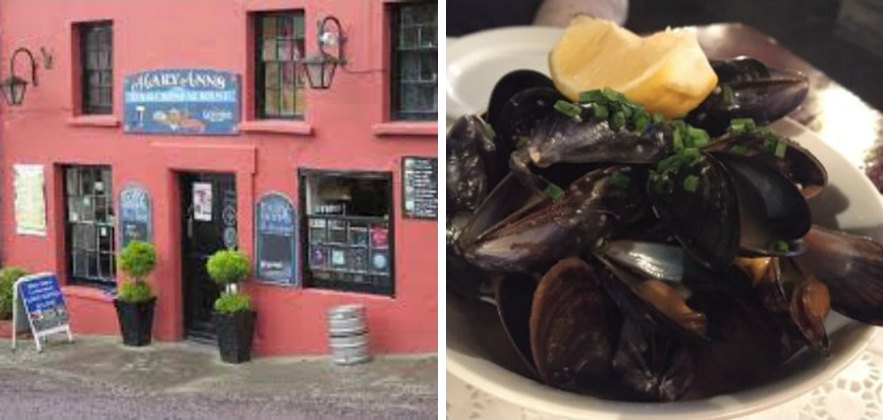
Mary Ann’s Pub in Castletownshend is famous for its seafood and its landlord, Fergus.
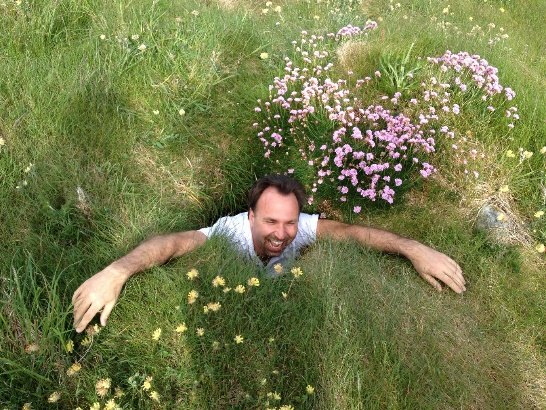
My husband Mark found this green corner of silliness in West Cork. Not recommended for those with greenophobia!
In Ireland, fairies are real
Yes, you read that right: Irish fairies do exist, and even the odd leprechaun and banshee. How else can you explain the whimsical and enchanting fairy houses that magically appear overnight throughout Rineen Wood in West Cork?
Ten minutes from Castletownshend on the road to Union Hall is Rineen Wood and its dainty inhabitants: the Fairies of Rineen.
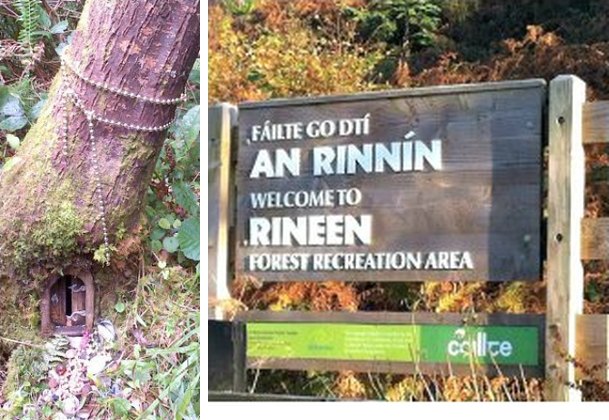
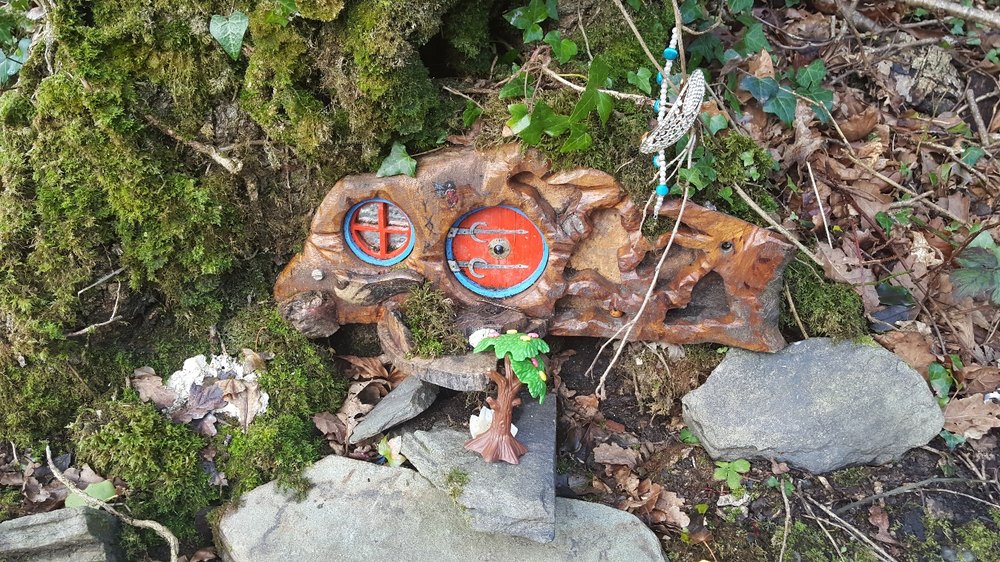
Not all houses are equal: some fairies splash the cash with their opulent homes.
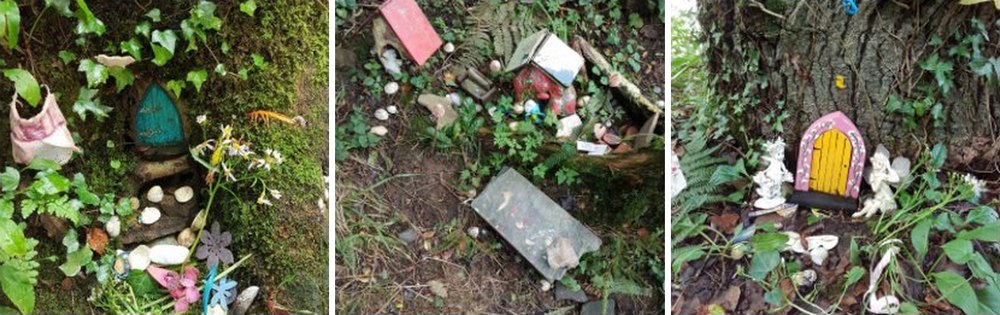
Don’t come empty-handed. The fairies love sparkly trinkets.
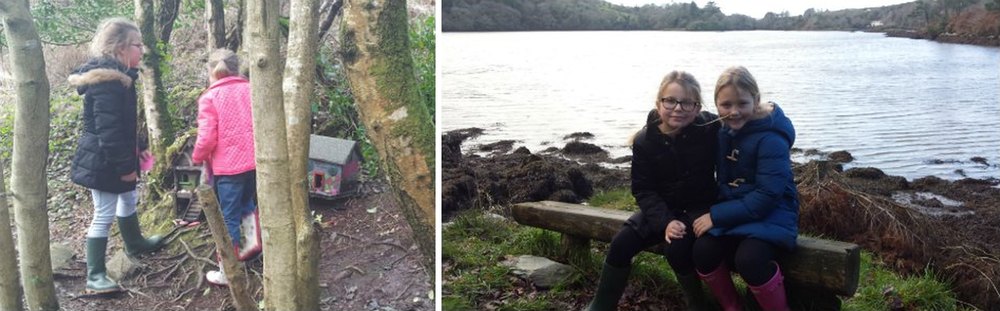
Little pixies: my daughter and her bestie love to sprinkle fairy dust in Rineen Wood.
Touch the sky at Liss Ard
Yes, this really is the Emerald Isle, and it’s greener than green in Liss Ard’s Sky Garden. Designed by the American land artist James Turrell, the man-made crater is based on a birthing tunnel as you walk from the dark access tunnel into the light. There’s a plinth in the centre from which couples can lie head to head and gaze upwards. The name says it all: you’ll think you can just touch the sky, and for me, lying in the Sky Garden was a religious experience. Liss Ard is now also a hotel, so check Liss Ard Estate before you go to see how to arrange a visit.
Skibbereen
Think of Skibbereen (or Skib, as it’s known locally) as the Fruit Pastille town. It’s a colour explosion of pretty shops, houses and restaurants, and it’s my market town. Skib is one of the most important historical sites associated with the Irish Potato Famine in the 1840s, and it’s worth paying a visit to the Heritage Centre to see just how. In summer, the town gets down and arty with the Skibbereen Arts Festival, a collective orgy of art, music, film, theatre, literature and poetry.
Visit the Time Traveller’s Bookshop and its Bookshop Café and stop for a bite at The Church restaurant. I also love the Farmers’ Market on a Saturday, where the local breads and cheeses are delectably moreish.
Mona Best runs Bridge House B&B in Skibbereen. She is as eccentric as the interiors of “Ireland’s Most Unusual B&B”. You’re in for a treat if you stay here, but if you have a doll phobia, you might want to find somewhere else to rest your weary head!
My favourite Skibbereen tidbit: Michael Collins ate his last meal in the Eldon Hotel before he was shot in 1922.
Lough Hyne
About 8km outside Skibbereen is Lough Hyne, a unique saltwater marine lake fed by The Rapids tide channel. This famous lough has no Nessie monster, but it has one of the most important marine habitats in Europe. It’s also a popular place for swimming and kayaking. Overlooking the lough is Knockomagh Hill, and if you have stamina, I highly recommend the nature trail to the top. You’ll be forgiven for thinking you’re in Lord of the Rings as you wind your way through ancient tree roots to the summit. It’s worth every breathless step.
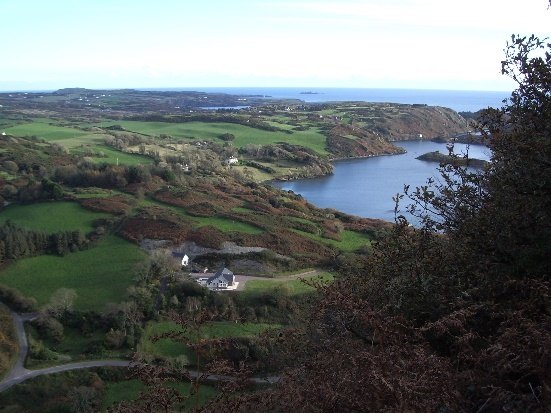
Pirates of Baltimore
Back in 1631, Algerian pirates sacked Baltimore and abducted over 100 poor souls, most of whom were never seen again. It’s a cheerful place today, and it’s the go-to destination for the day ferries that head out to Cape Clear and Sherkin Island.
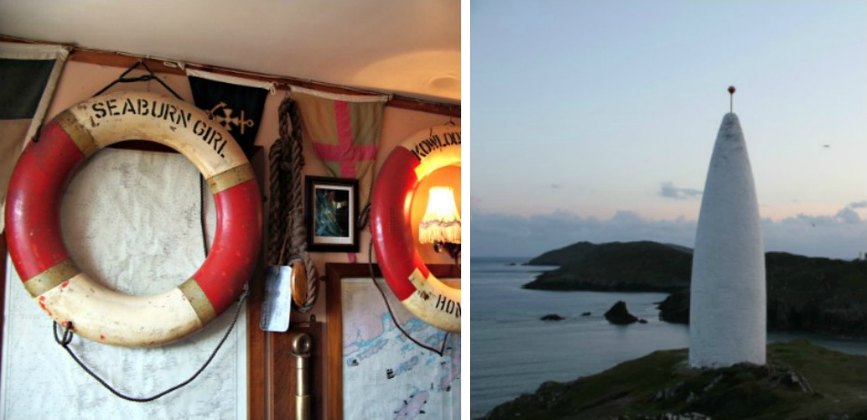
Grab an open crab sandwich at Bushe’s Bar in Baltimore and visit the Beacon.
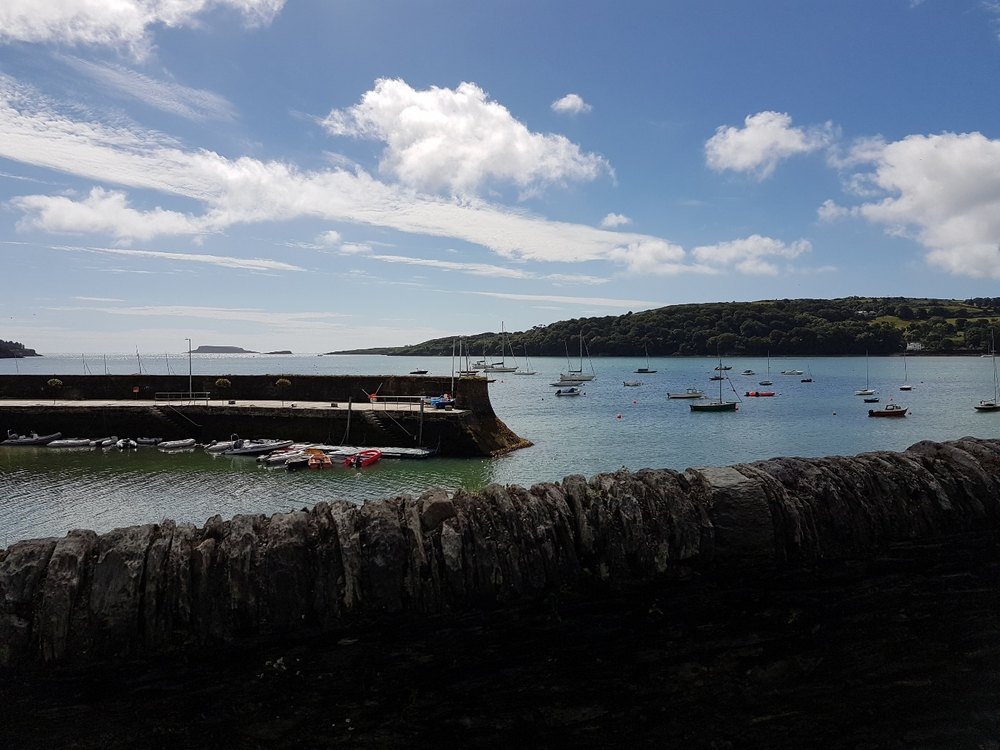
Pack a picnic and take the ferry to idyllic Sherkin Island, a ten-minute ride from Baltimore. The island is only 3 miles long and 1 mile wide. Spanish gold coins, thought to be from the Spanish Armada, are said to have been found buried in the sand here, so you might try your luck and have a scavenge!
Bantry
If you’re Irish, the song “Bantry Bay” will tug at your heartstrings. But Bantry isn’t just known for its ballads: like Skibbereen, it’s a colourful market town with an abundance of shops and restaurants. Bantry also hosts the West Cork Literary Festival and the Chamber Music Festival every summer, held in the local Bantry House.
The 2nd Earl of Bantry travelled extensively throughout Europe and picked up some spectacular loot for his Irish palazzo. Bantry House is stuffed full of antiques, tapestries, paintings and sculptures, and the Italian gardens are spectacular.
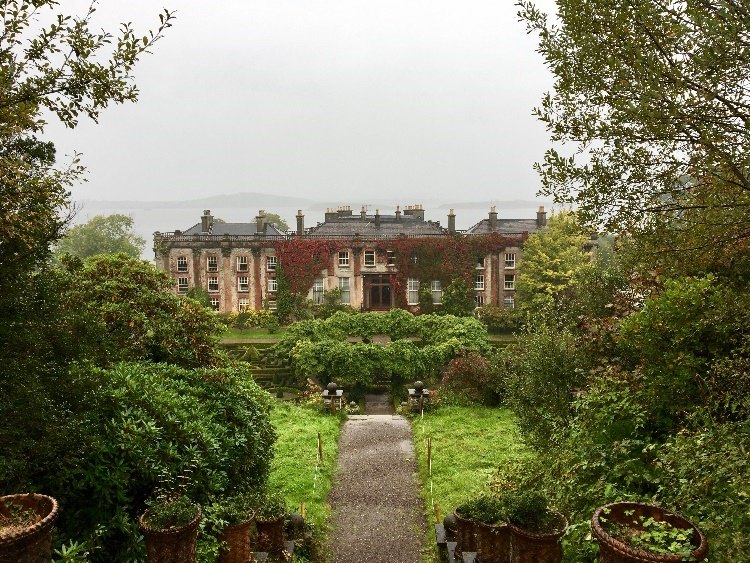
Listen to some classical music in Bantry House, then visit the Italian gardens and eclectic interiors.
More to see near Castletownshend
There’s so much more to see in West Cork: the pretty towns of Kinsale (and its Old Head golf course), Glandore, Clonakilty, Ballydehob and Schull; the Fastnet Lighthouse (this would have been the last land sighting before arriving in the New World); and Cape Clear.
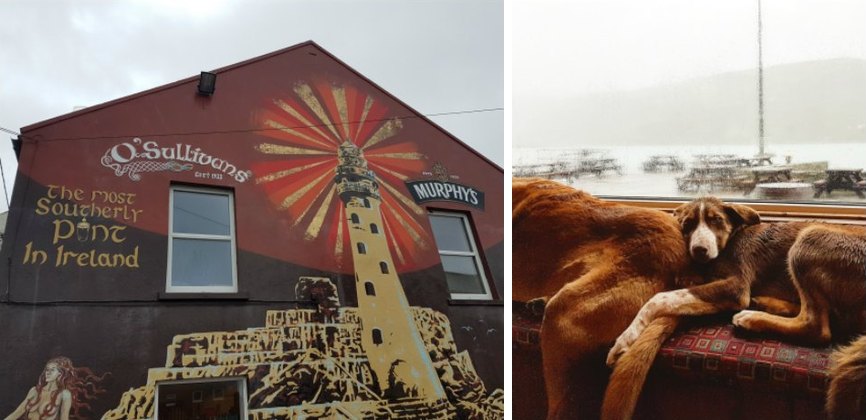
And finally, there’s Mizen Head, the most south-westerly point of mainland Ireland. It’s perfect for a pint in the company of the hairy locals.
Happy travels to all you fairies and leprechauns out there! For more culture and travel stories, browse my Arts & Culture section.