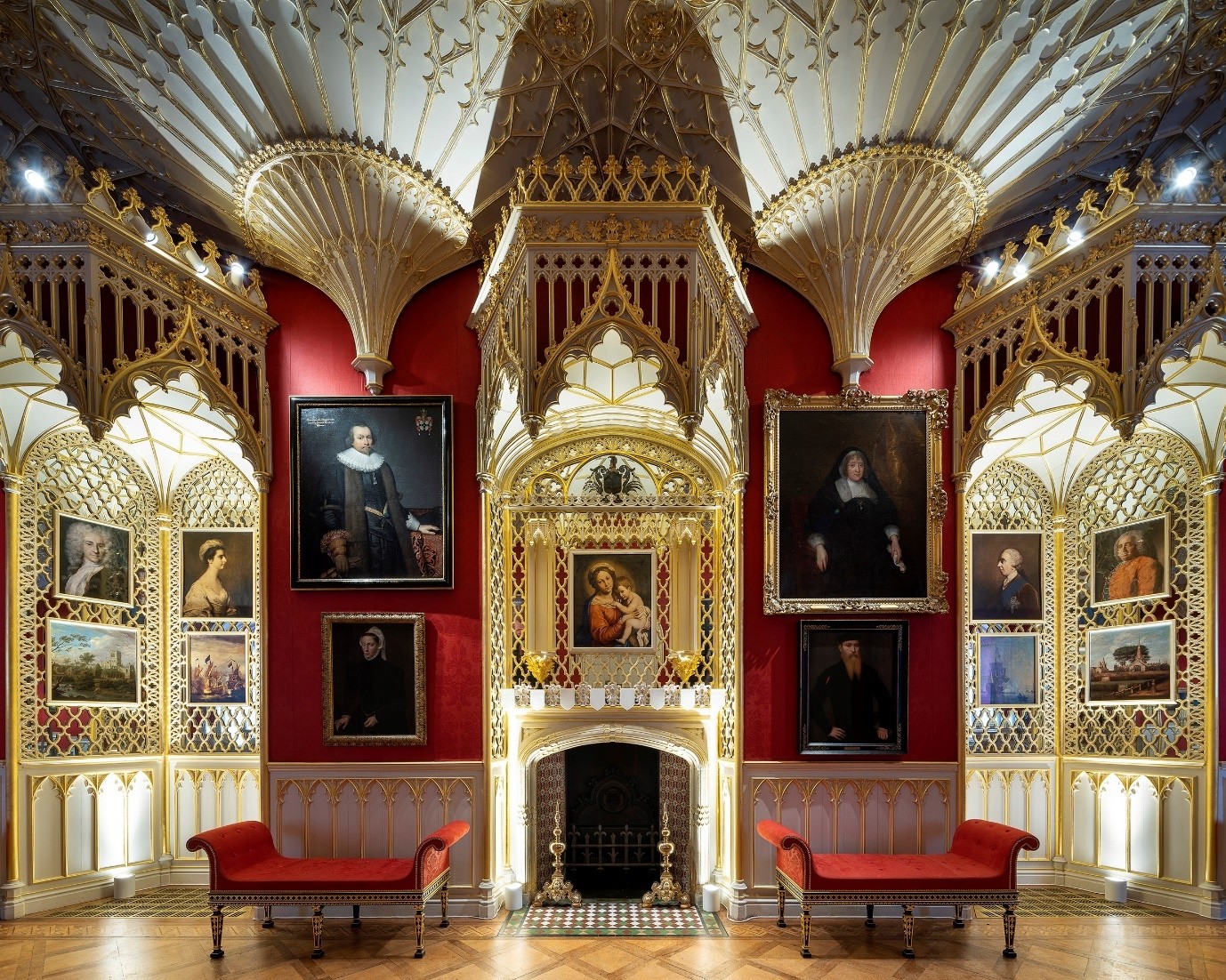
How on earth do you track down 150 paintings, sculptures, pieces of furniture and curiosities which were dispersed after the great “sale of the century”? You hire art super-sleuth Silvia Davoli, that’s how. And you know Horace Walpole would be tickled pink (or probably red, a colour he used lavishly and liberally) to see his loot once again adorning the halls and walls of his extraordinary Gothic mansion in London. After a worldwide three-year hunt, the Lost Treasures of Strawberry Hill came home for a good haunting, at least for a while.
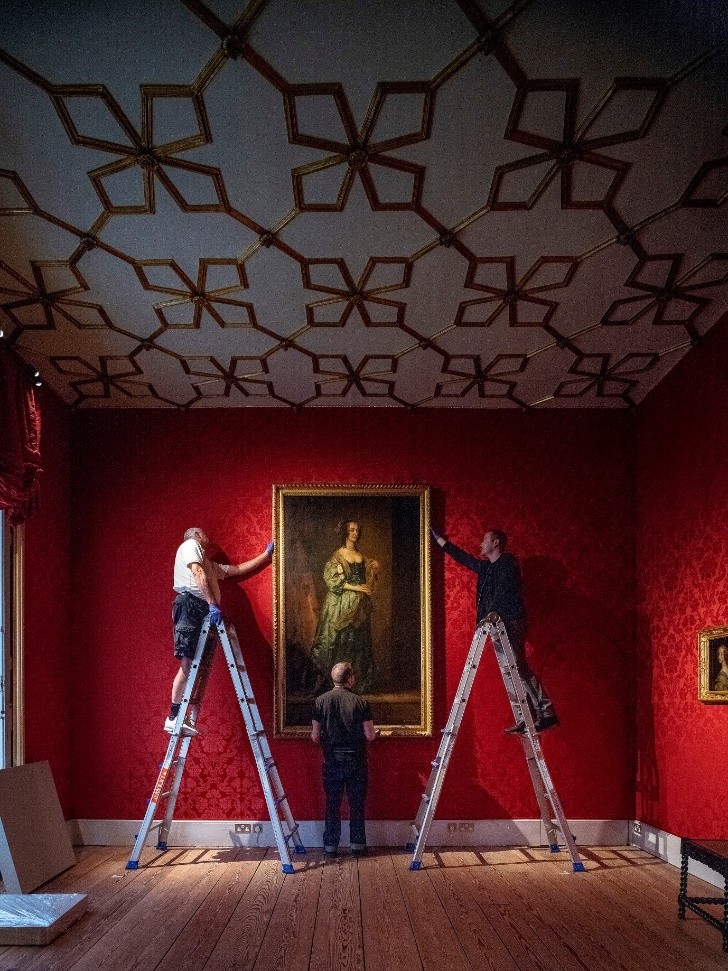
Portrait of Margaret Smith, wife of Thomas Carye, by Anthony van Dyck, c.1636 (private collection). Walpole regarded this painting as one of his two finest pictures by Van Dyck. He bought it from the 1751 sale of his father’s collection. Robert Walpole’s other Van Dycks, originally from the Wharton collection, went to Catherine the Great of Russia.
The story behind the Lost Treasures of Strawberry Hill
Of course, the treasures weren’t exactly lost. They were sold in 1842 during a sale which lasted 24 days and saw some 4,000 objects go under the hammer. The exhibition brought together 150 works from 55 lenders, including 15 of the UK’s great country houses. Some of the objects are still in the possession of the same families, such as the Earl of Derby, who purchased the original objects back in 1842. Lucky for the curators, and for us, Walpole was a meticulous diarist and notekeeper, and recorded every object and its location in his Description of Strawberry Hill.
Highlights of the Lost Treasures of Strawberry Hill
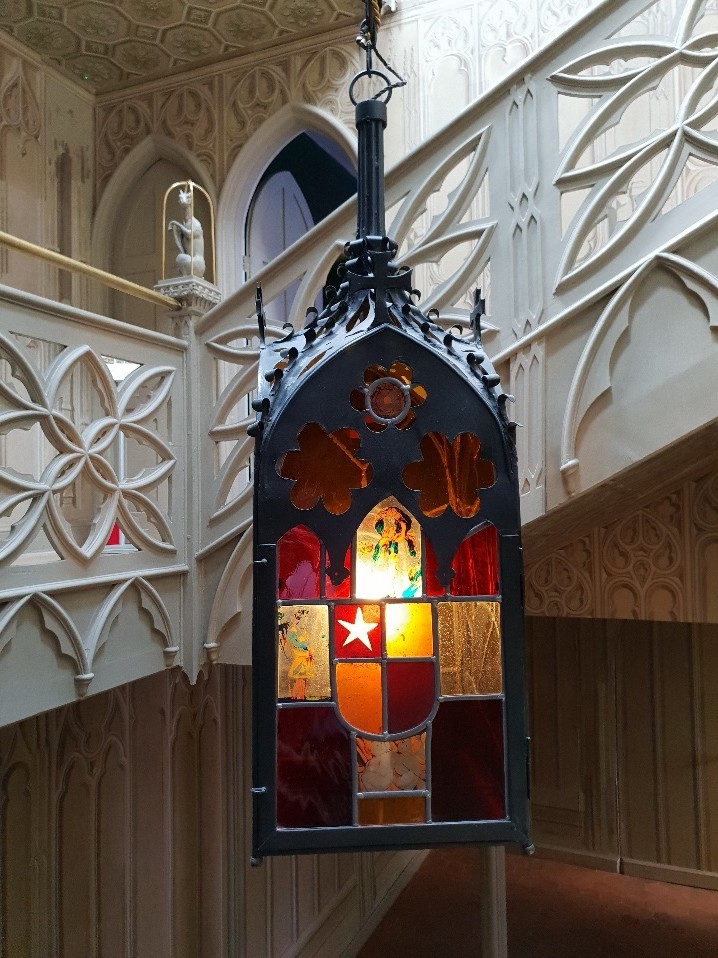
The Lost Treasures of Strawberry Hill exhibition was a feast for the eyes. Walpole was the ultimate tastemaster, the inventor of modern gothic, and I’m always in awe when I see this extraordinary house perched on a hill in suburban Twickenham. I strongly recommend you head down there and see it with your own eyes.
Cardinal Wolsey’s hat in the Holbein Chamber
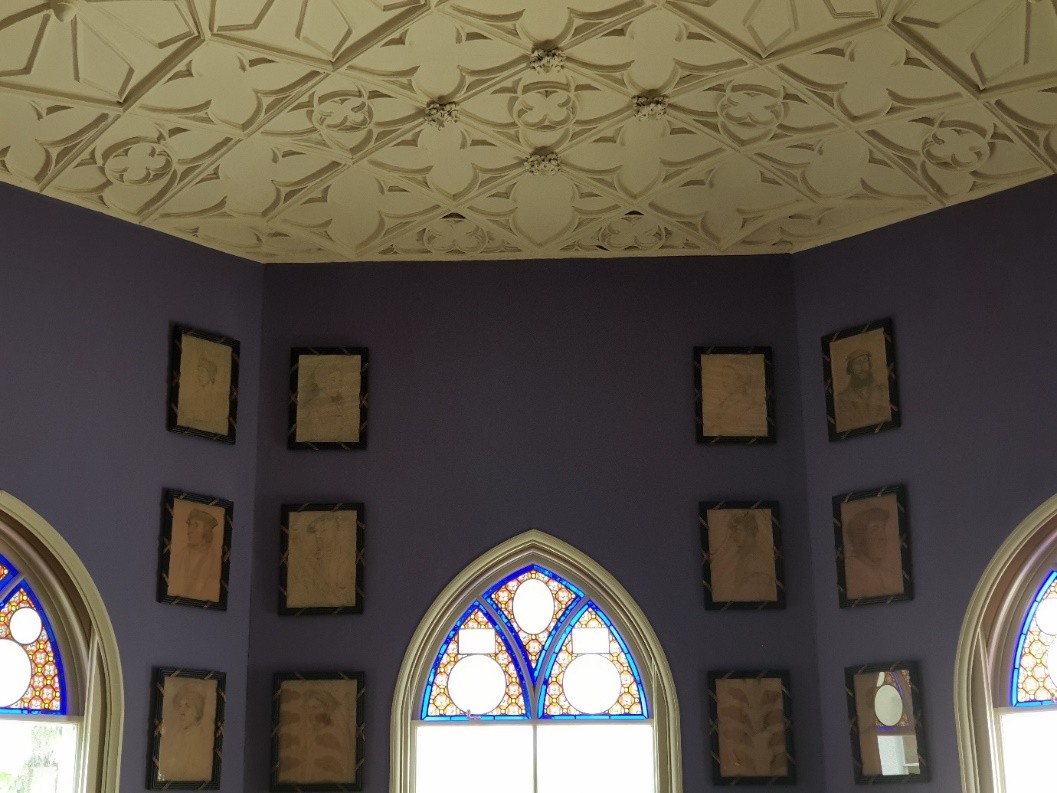
Among the Lost Treasures of Strawberry Hill, this fine object used to hang in Walpole’s Holbein Chamber, a room dedicated to all things Tudor. It was the template for “period rooms” and is thought to be the first of its kind in Europe. The room as described by Walpole had purple walls and a purple bed, covered in purple and white feathers. The ceiling was a copy of the Queen’s Dressing Room in Windsor Castle. Walpole referred to this room as “sober”. You can imagine what the rest of the house looked like if this was his most muted.
Anne Boleyn’s clock in the Library
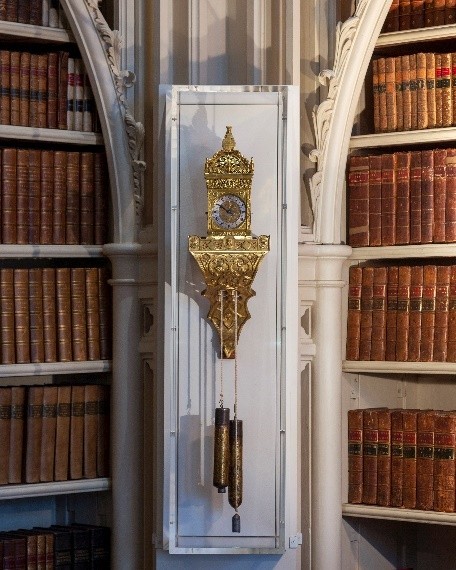
Walpole was a big fan of all things Tudor. He had eight Henry VIII portraits in the house, as well as a piece of Henry’s sister Mary Tudor’s hair on display in the Beauclerk Closet. In the Library is a remarkable object on loan from the Royal Collection: a clock which Henry gifted to his new bride, Anne Boleyn, on their wedding day. It bears the royal coat of arms and is engraved with the lovers’ initials. Walpole referred to this token of love as one of the “Principal Curiosities” in his collection.
The Ladies Waldegrave in the Great Parlour
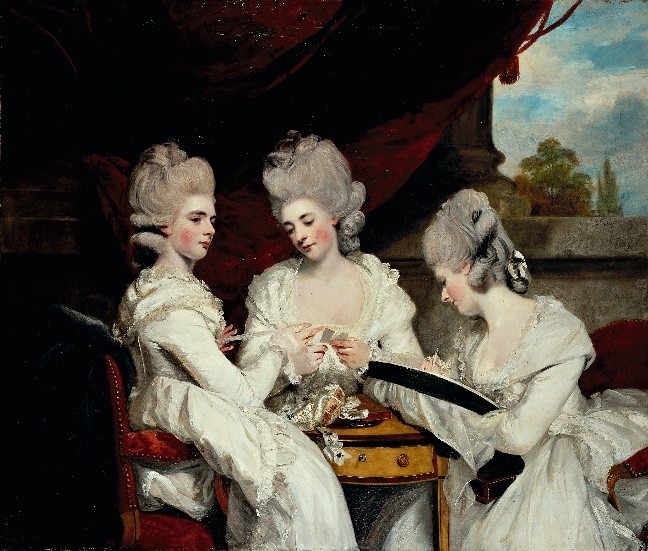
I was buzzing with anticipation to see this marvellous Joshua Reynolds portrait of Horace’s three great nieces, Maria, Laura and Horatia Waldegrave. He requested that they be pictured as the Three Graces, yet to my eye it is more illustrative of the Fates: Clotho, Lachesis and Atropos, who spin, measure and cut the thread of life.
The eagle has landed
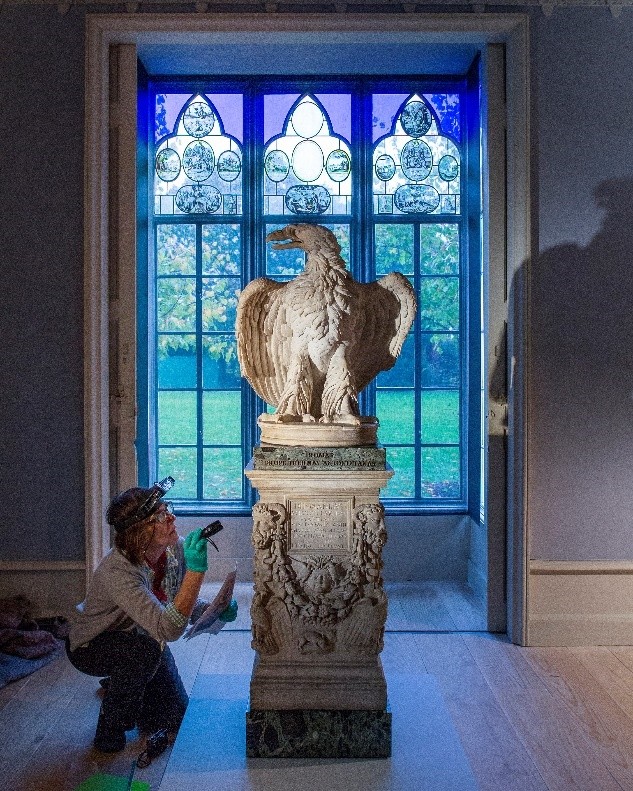
Eagle on an altar base, Roman, first century AD. This important sculpture was bought in Rome thanks to the intermediation of Walpole’s friends John Chute and Horace Mann. It arrived in London in 1747 and was initially shown in Walpole’s London house in Arlington Street. The Earl of Wemyss and March. Photo: Kilian O’Sullivan.
It took two years to heave this first-century Roman eagle back to Strawberry Hill from Italy. At some stage a chunk of its beak broke off, and the vandal put the piece in his pocket. Walpole was a great supporter of female artists and commissioned his cousin and protégée, Anne Seymour Damer, to fix the beak. Walpole would bequeath Strawberry Hill to Damer before she passed it down to John Waldegrave.
Catherine de’ Medici in the Gallery
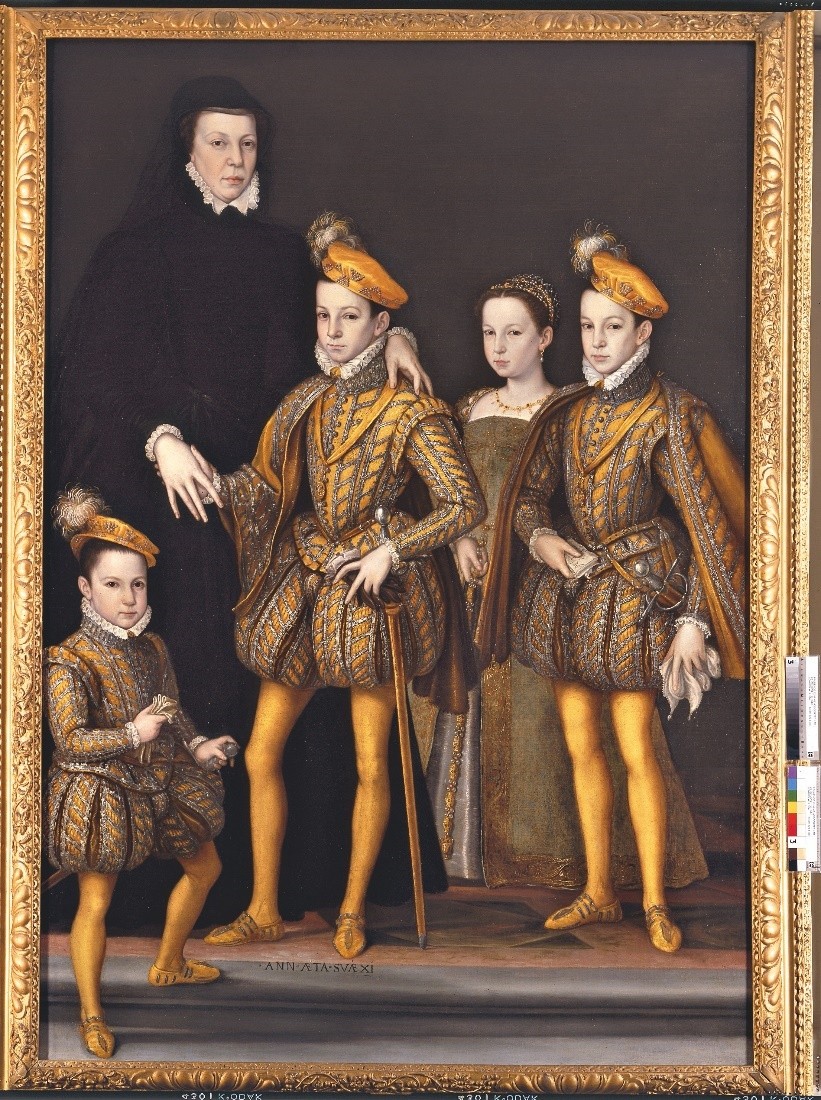
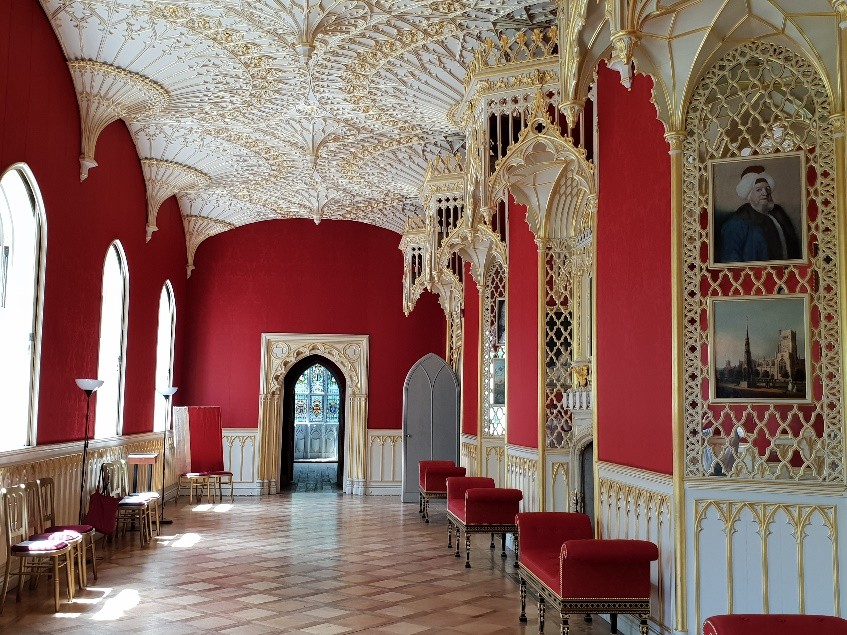
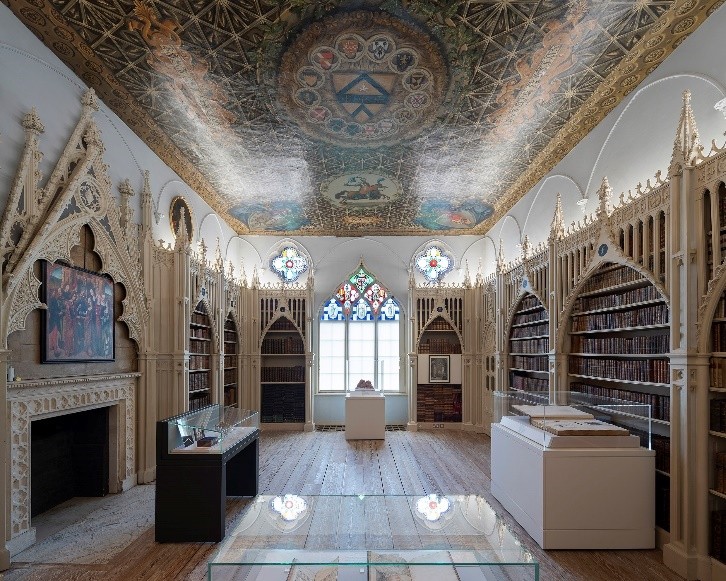
The portrait of Catherine de’ Medici and her children hangs in the Gallery, a folly of a room in which I could sit for hours. I just wish I could see it stuffed exactly as it would have been in Walpole’s day. For now, I will settle for this grand portrait and the gold and white papier-mâché vaulted ceiling, modelled on Henry VII’s chapel at Westminster Abbey.
The cabinet in the Tribune
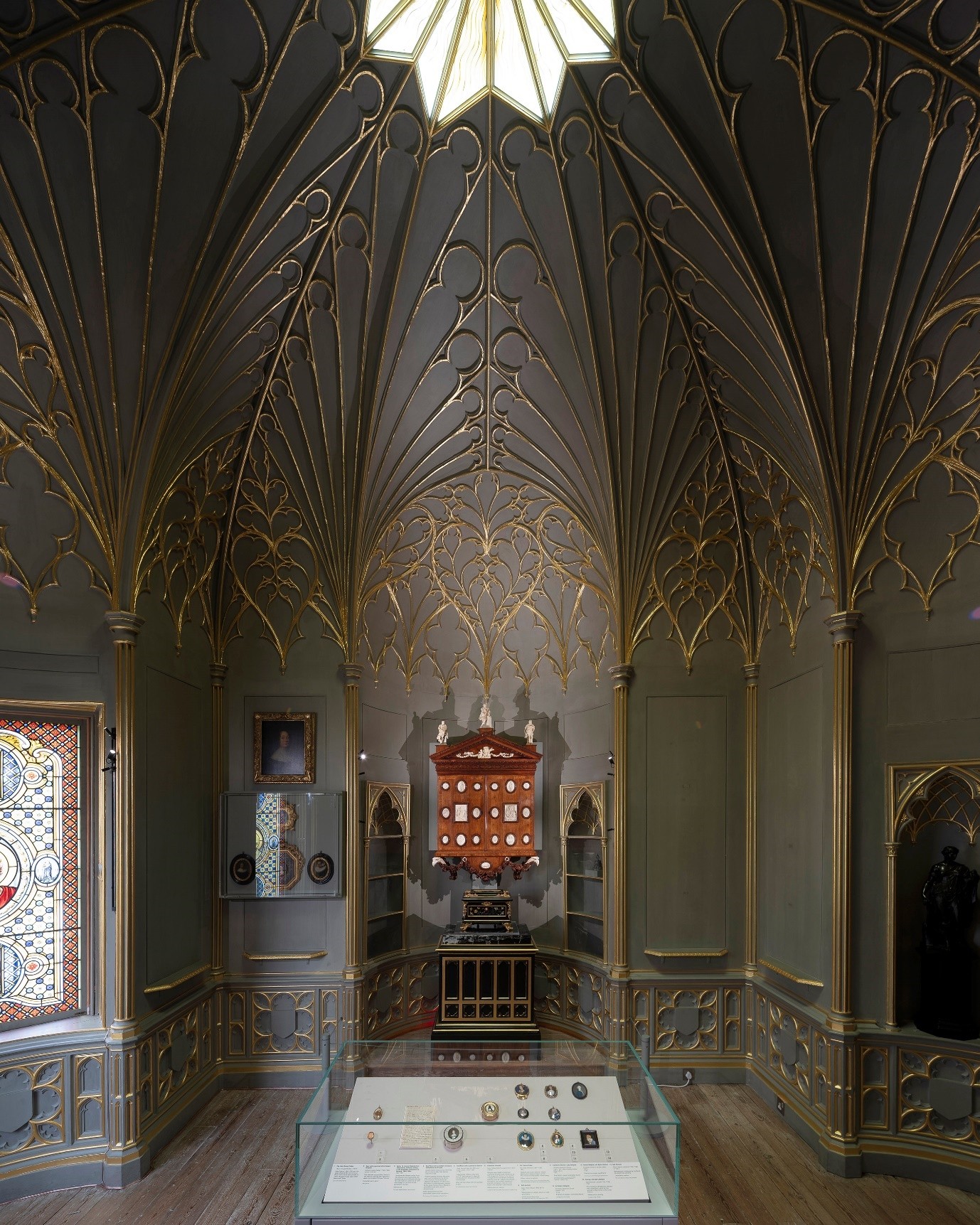
Cabinet of miniatures and enamels, designed by Horace Walpole, perhaps with William Kent, 1743. Padouk veneer set with carved ivories. © V&A Images / Victoria and Albert Museum, London.
The most poignant of the Lost Treasures of Strawberry Hill is perhaps the cabinet of miniatures and enamels, which was designed by Walpole on his return from the Grand Tour. I cannot imagine anywhere else in the world where this cabinet should belong. It’s lost inside its permanent home in the gargantuan Victoria and Albert Museum, and I for one think it should be returned to Strawberry Hill for good. Who’s with me?
Visit Strawberry Hill House
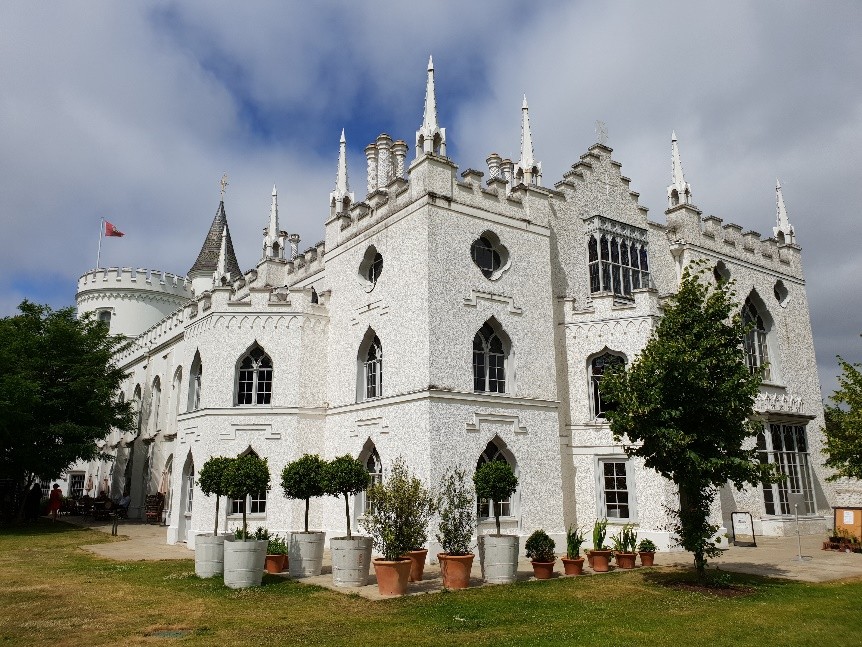
The Lost Treasures of Strawberry Hill exhibition has now closed, but Walpole’s Gothic fantasy is open to visitors in Twickenham, and you can finish your visit with cake in the Great Cloister. Opening times and tickets change, so check the Strawberry Hill House website before you go, and read my guide to the Strawberry Hill House Cafe.
First written when the exhibition was on. Some of the information above describes the exhibition, which has now closed.