Think Lalique and you think glass, non? But there’s so much more to this French design giant, dubbed the “creator of modern jewellery”. Here’s my guide to the Lalique factory Alsace, plus its museum and hotels: after a whirlwind trip to the village of Wingen-sur-Moder, I was under the Lalique spell. I toured the factory and the Musée Lalique, dined at the Villa René Lalique, and stayed and lunched at Château Hochberg. I’m just surprised Wingen-sur-Moder hasn’t been renamed Lalique-sur-Moder.
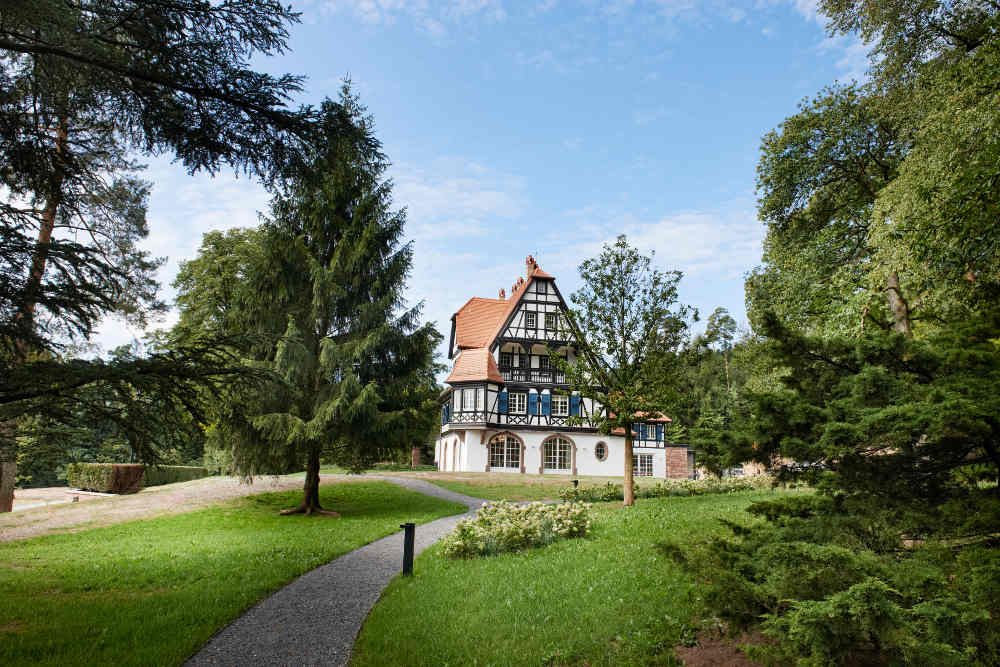
Photo: Gilles Pernet
I suggest a two-night itinerary if you’re heading to this Hansel and Gretel outpost in Alsace. If you love design, Art Deco, superlative food and a wine cellar that will make your taste buds sing, you’ll find it hard to tear yourself away from the Villa René Lalique. Or you could stay at Château Hochberg, an 1860s mansion that became a four-star hotel. There’s also the Musée Lalique, where I started wishing I knew Cary Grant in To Catch a Thief so that he could “acquire” some serious, divine loot for yours truly.
Lalique: a potted history
There are pots involved, but more on that later. I could write a whole post just on the history of René Lalique and his descendants. Here’s the short version.
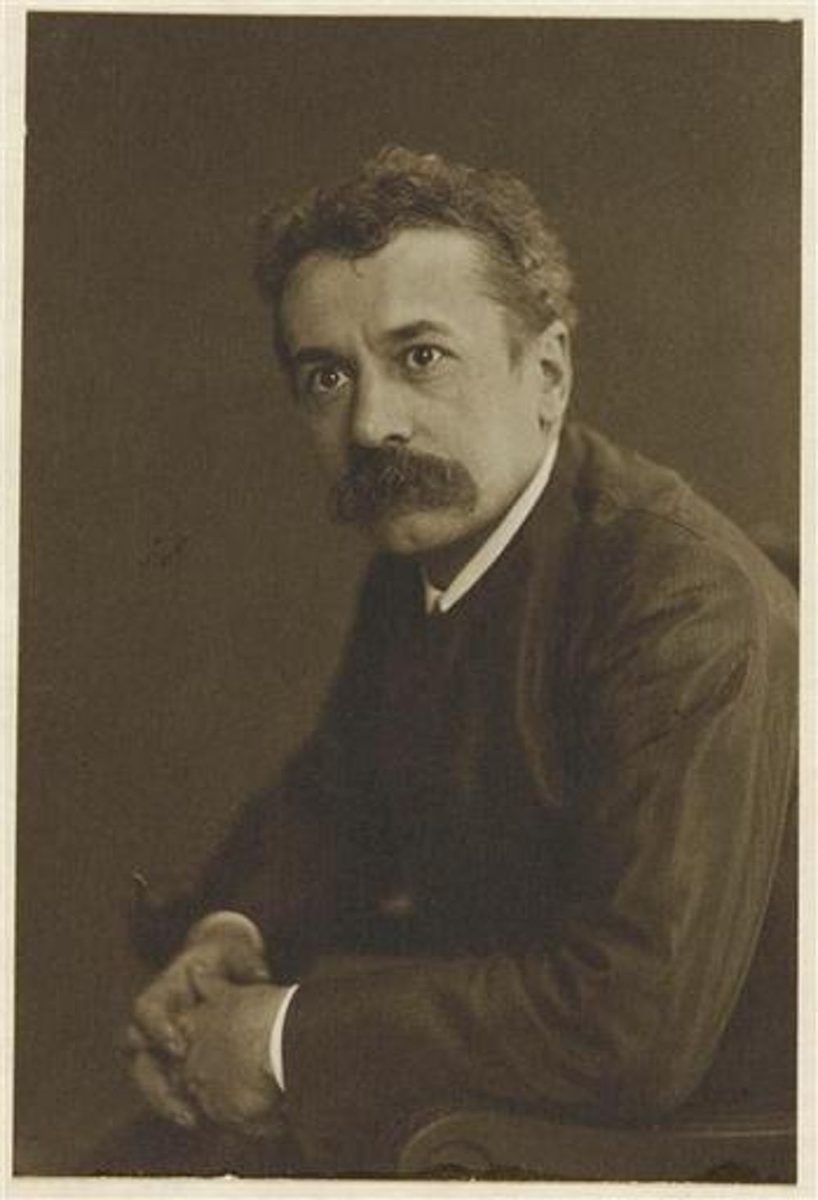
Portrait of René Lalique by Aaron Gerschel
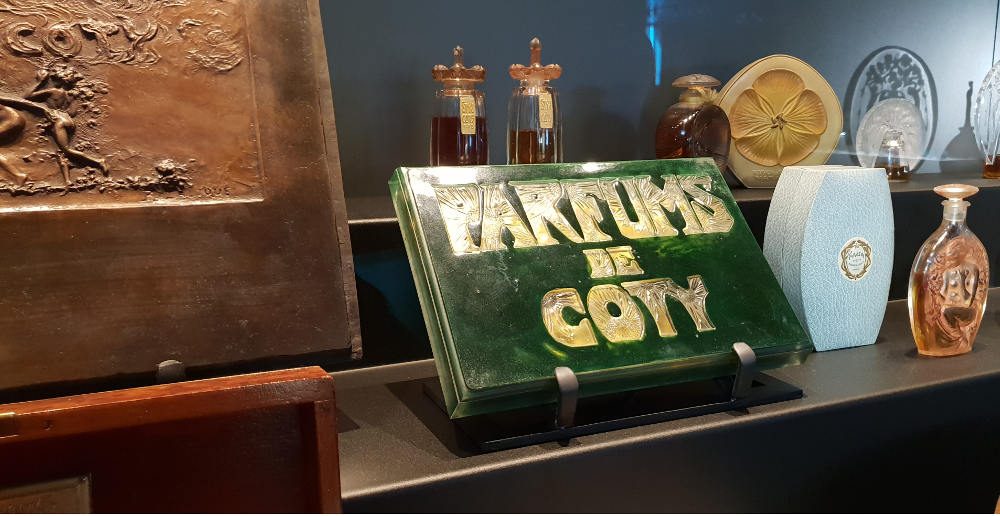
René was born in 1860 in Aÿ in Champagne. He studied at the École des Arts Décoratifs in Paris and trained as an apprentice with the Parisian jeweller Louis Aucoc. He moved to London in 1878, where he studied at the Sydenham School of Art. Back in Paris, he worked with jewellery designers including Boucheron and Cartier. By 1890 he was one of the best-known jewellery designers in Paris, with illustrious clients such as Sarah Bernhardt and the Armenian art collector Calouste Gulbenkian (if you’ve been to Lisbon, chances are you’ll know that name). Lalique began moving from jewellery to glass around 1907 after partnering with the perfumer François Coty to design his bottles.
In 1921 he moved his factory to Wingen-sur-Moder, where he produced some of the most desirable objects on the planet. His designs included perfume bottles, car mascots, interior panels for Orient Express carriages and signature pieces for hotels around the world. After the Second World War the company switched to crystal, with a high lead content, instead of glass. What makes a Lalique piece so unique is the use of opalescent glass, the contrast between clear and opaque.
Inside the Lalique factory Alsace
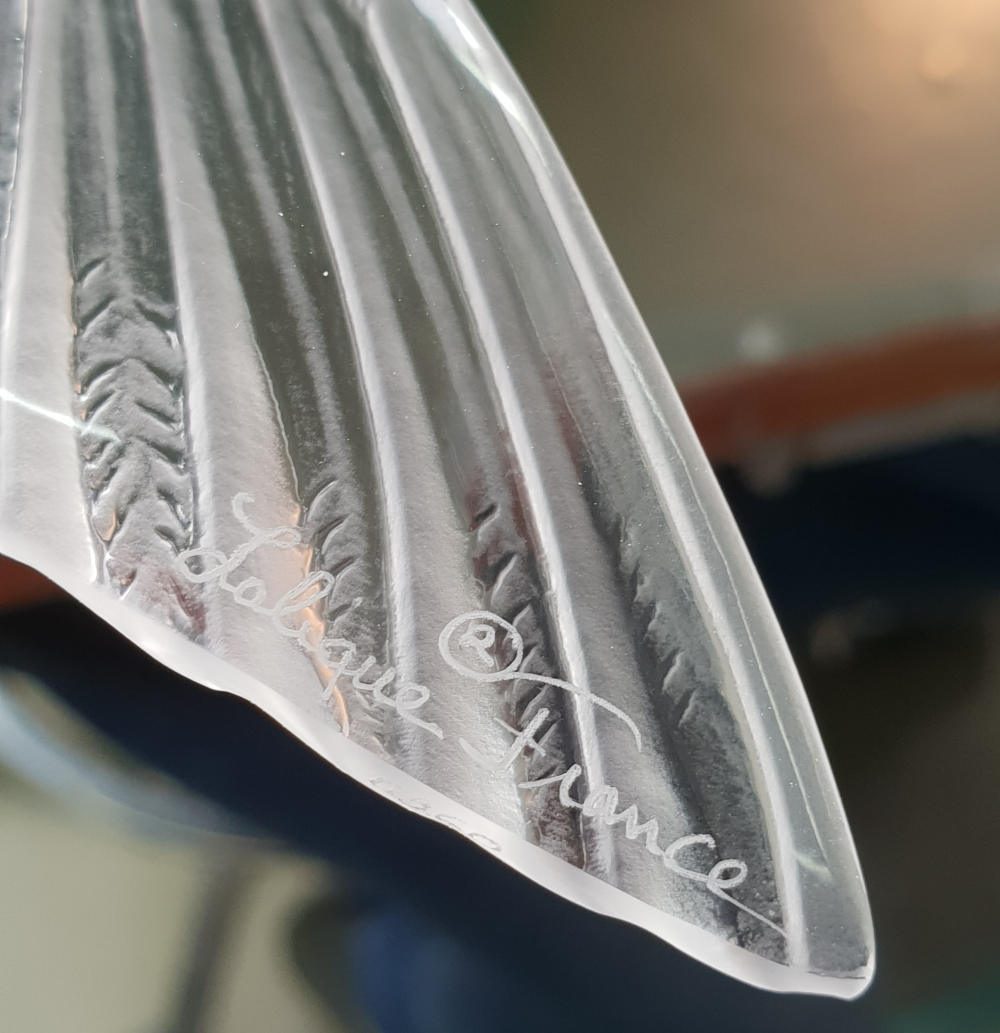
The Lalique factory isn’t open to the general public, but I was lucky enough to visit as a guest of Lalique. You can tour the Musée Lalique instead (more on that below), so you will have to settle for a petit tour of the factory with moi. Today it can take up to 40 processes to create a piece of Lalique crystal, and a piece isn’t a Lalique until it receives the Lalique signature etching.
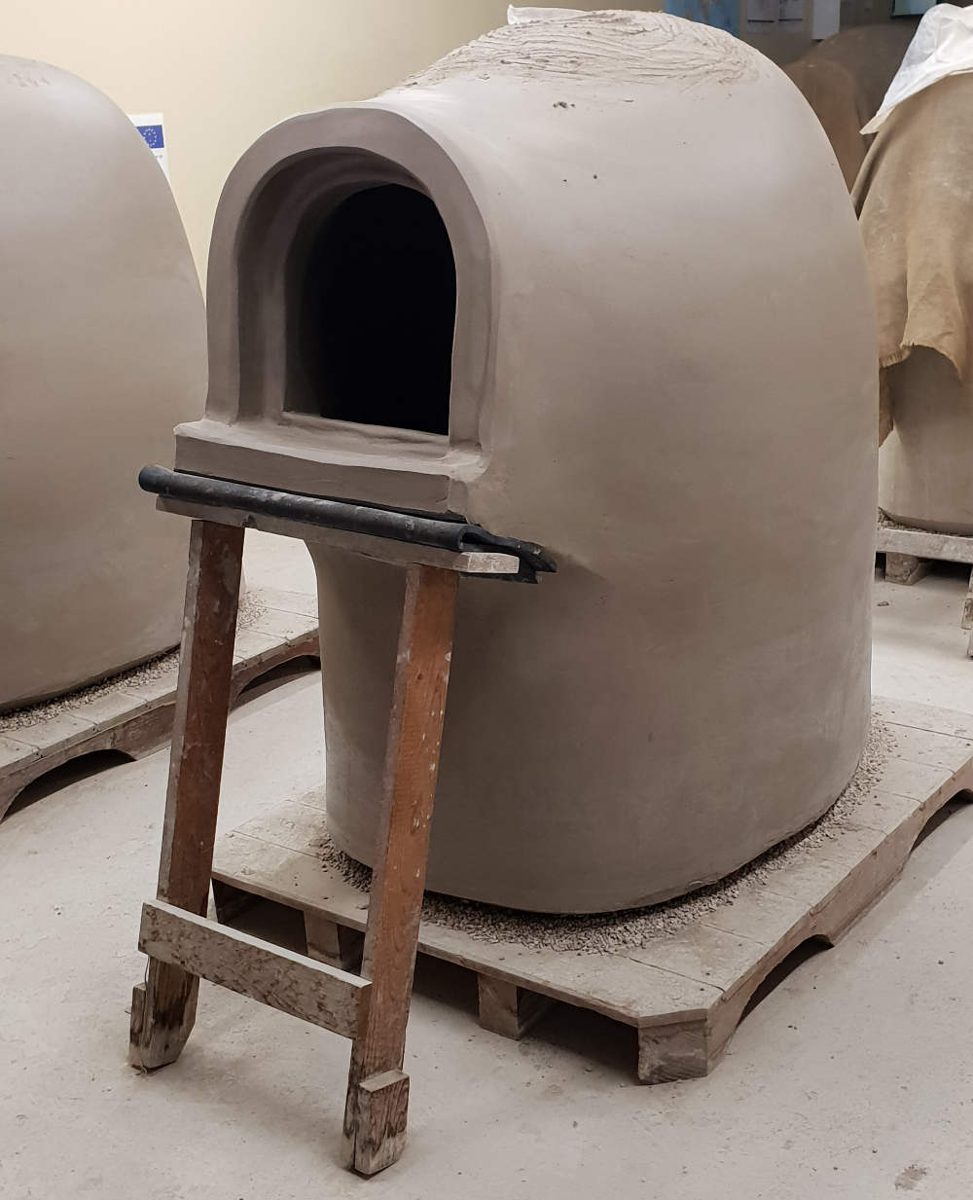
Our tour started in a room holding these clay pots, made by hand and used to hold the molten crystal. I was told it takes one man a whole month to fashion three of them. Once they’re bone dry, they move into the furnaces, where the crystal is melted down and ready for use.
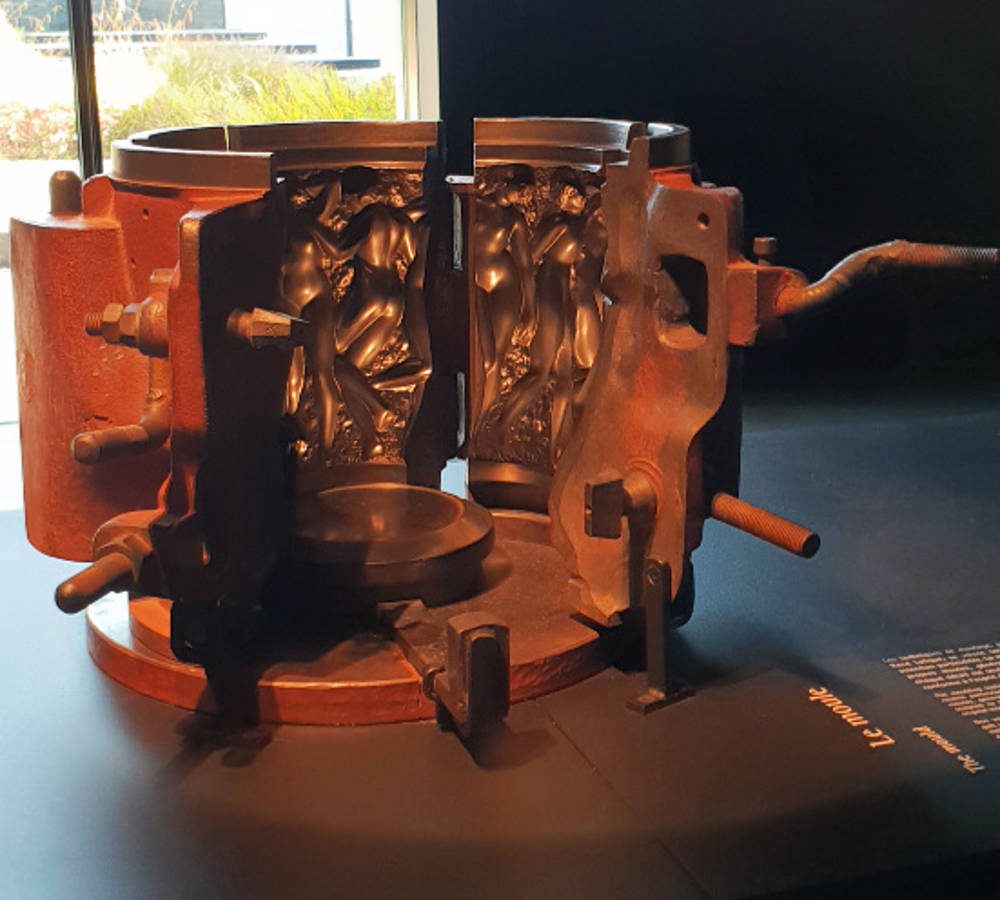
Next, we wandered into the room where the moulds are designed and where secrets are kept. We weren’t allowed to take photos in there, but here’s a mould from the museum. It’s a work of art in itself, don’t you think?
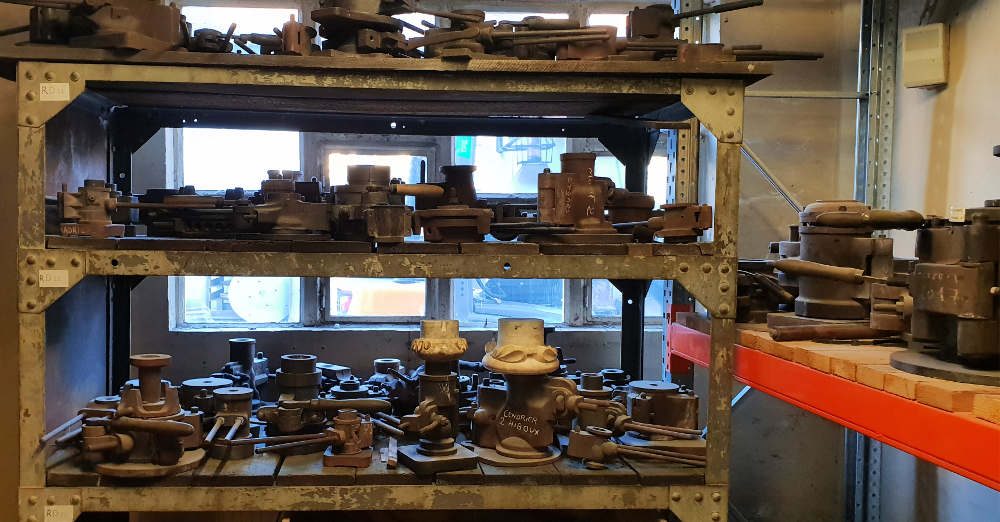
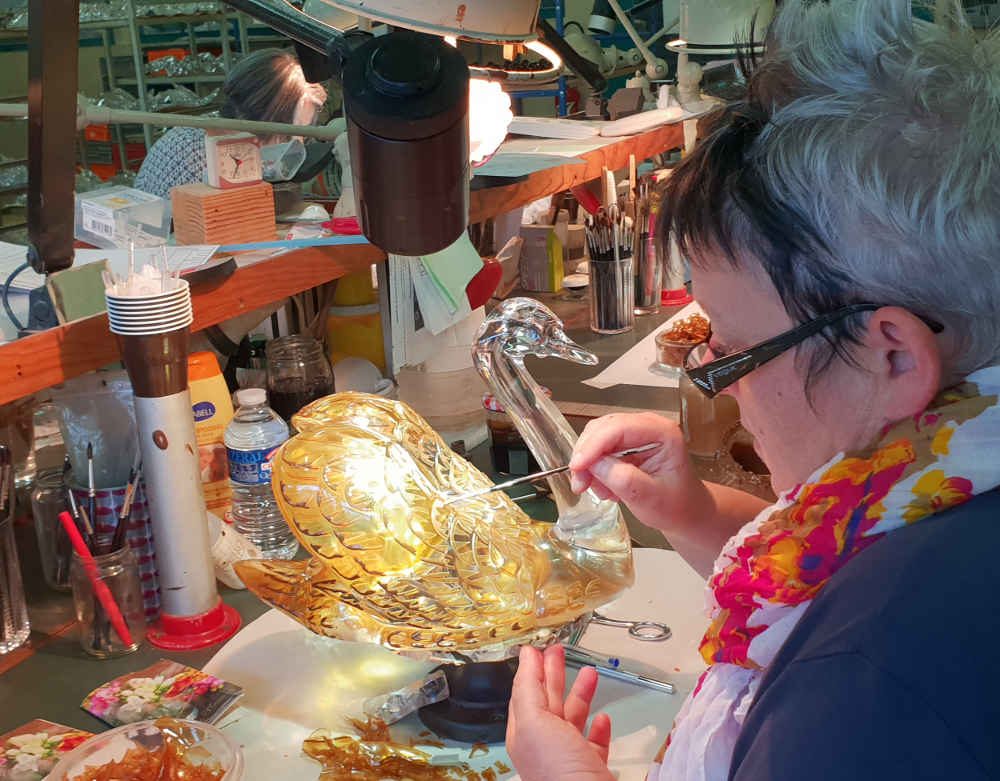
You can see the skill, speed and precision required to produce a Lalique piece, and the choreography is a sight to behold. In the hot glass workshops, where temperatures reach about 1,400 degrees Celsius, the crystal is cleaned and shaped. In the cold glass workshops, the pieces are finished by hand with extreme care and attention. I was told about half of the crystal is rejected and re-melted for future use.
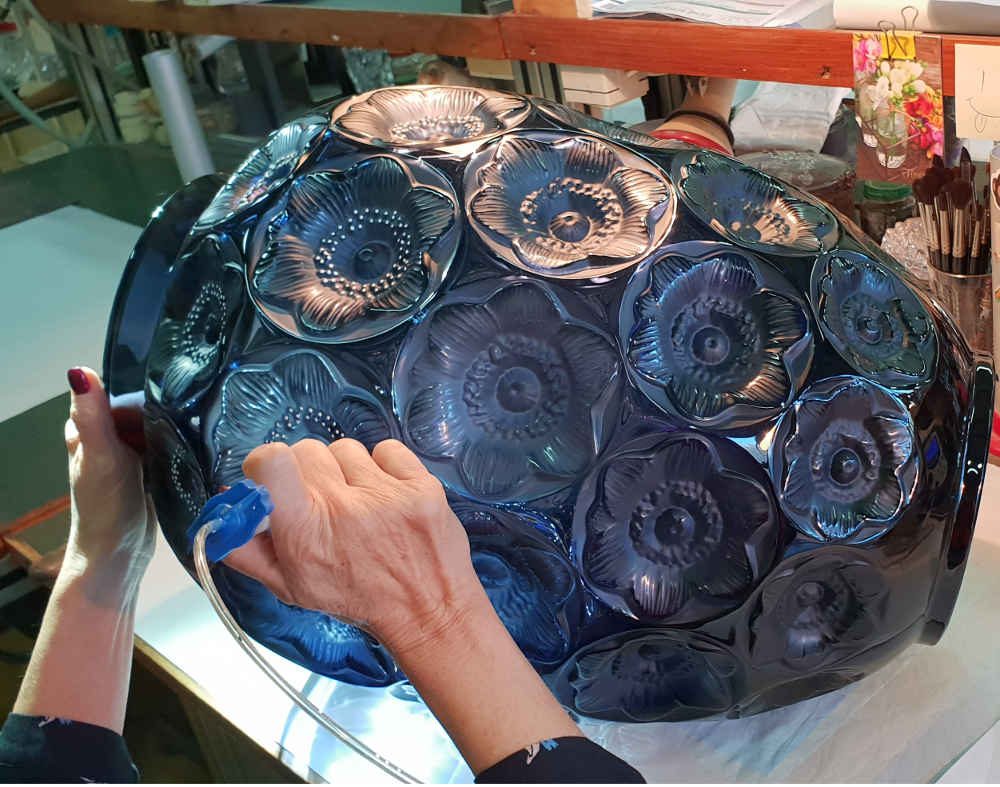
This Anemone vase has 3,200 dots applied by hand.
Musée Lalique
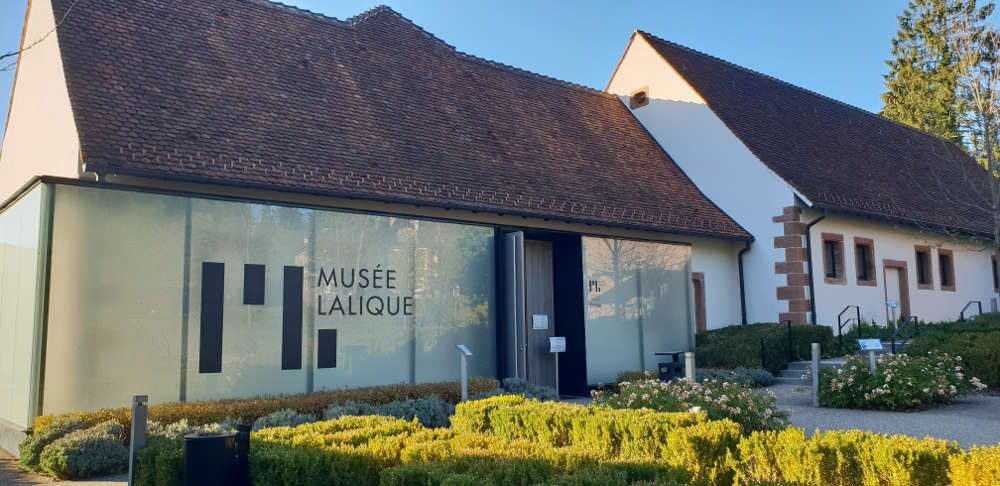
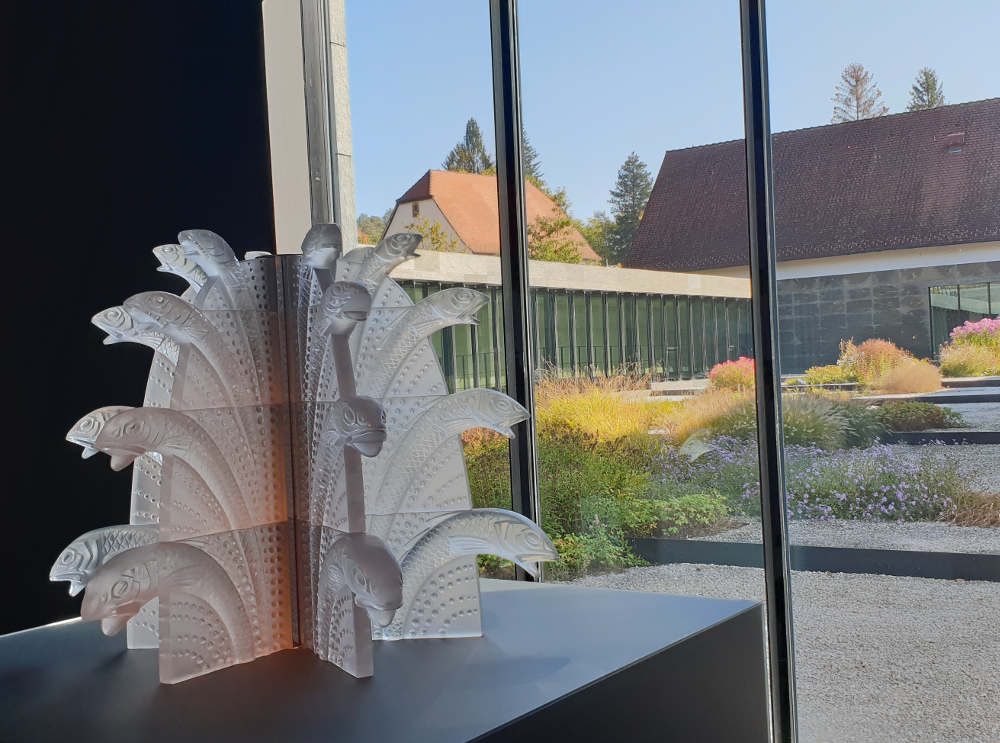
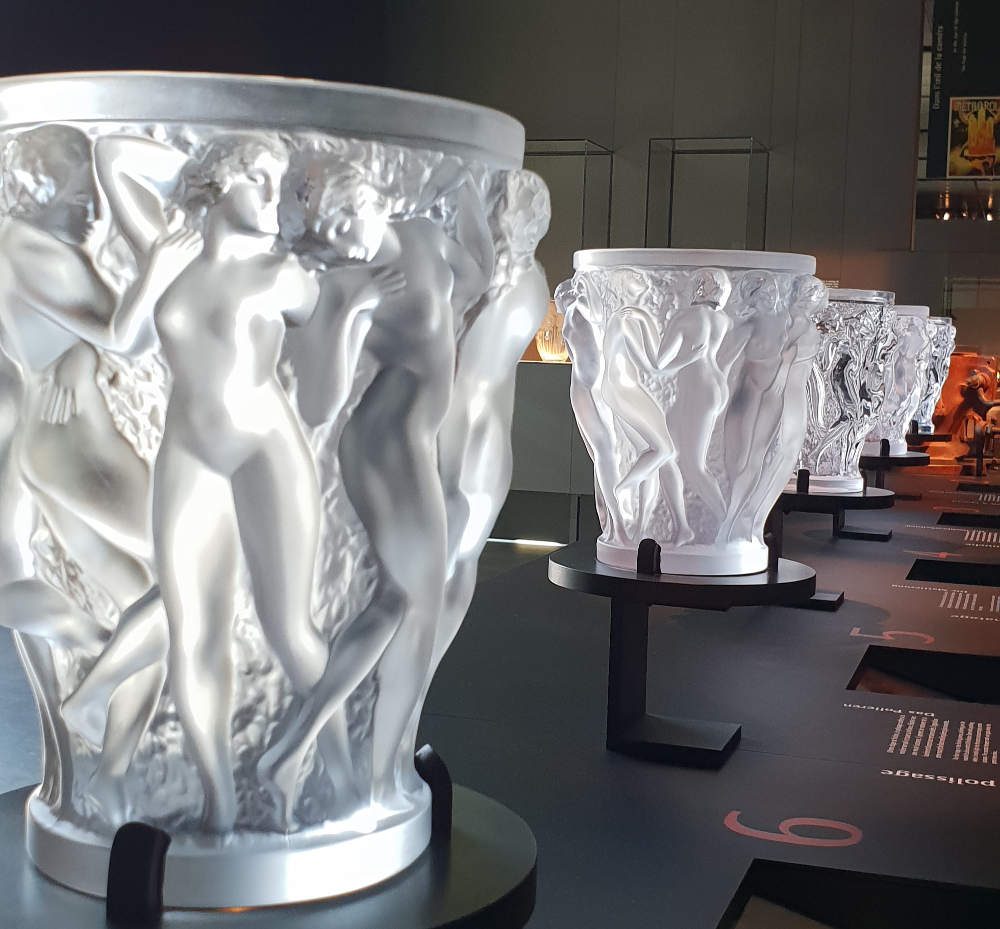
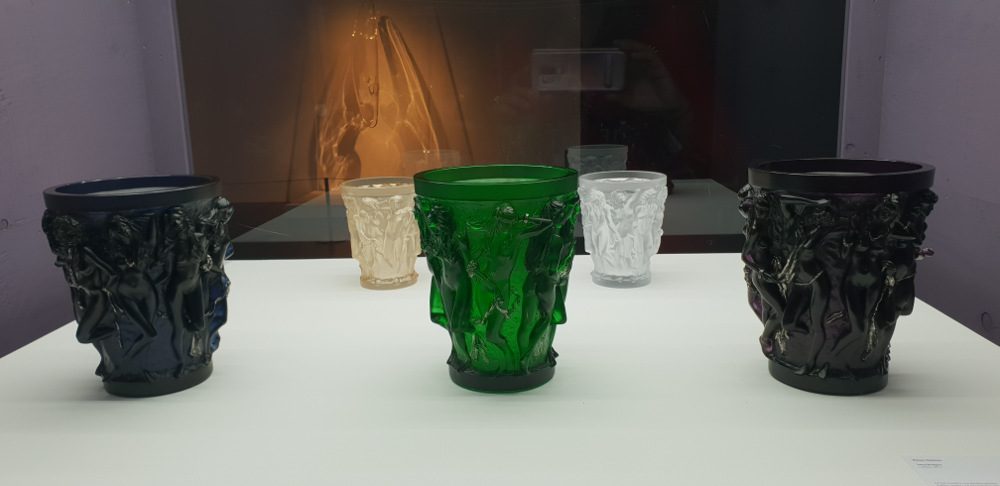
The Musée Lalique is opposite Château Hochberg, so you can have a beautiful lunch at the hotel and then saunter over to the museum on foot. With hundreds of pieces, from Lalique’s earliest jewellery collections to perfume bottles, commissions for public spaces, lighting, tableware and art, you should set aside a good hour to tour it. You can find out more on the Musée Lalique website.
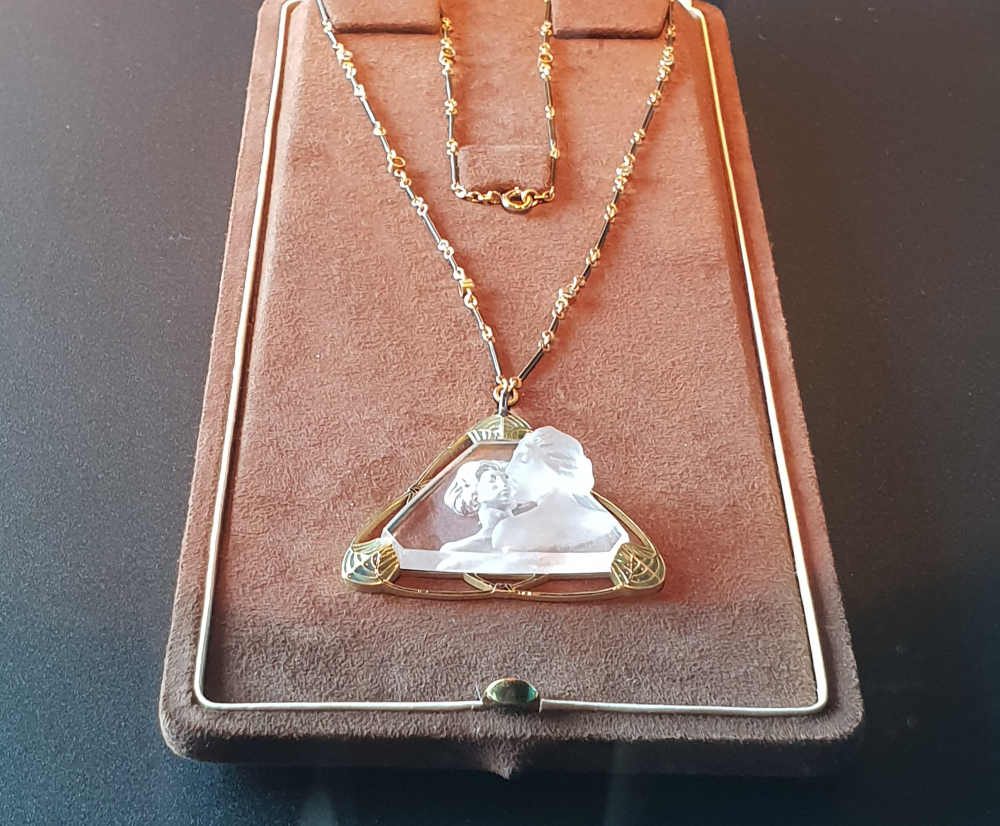
Le Baiser, 1904
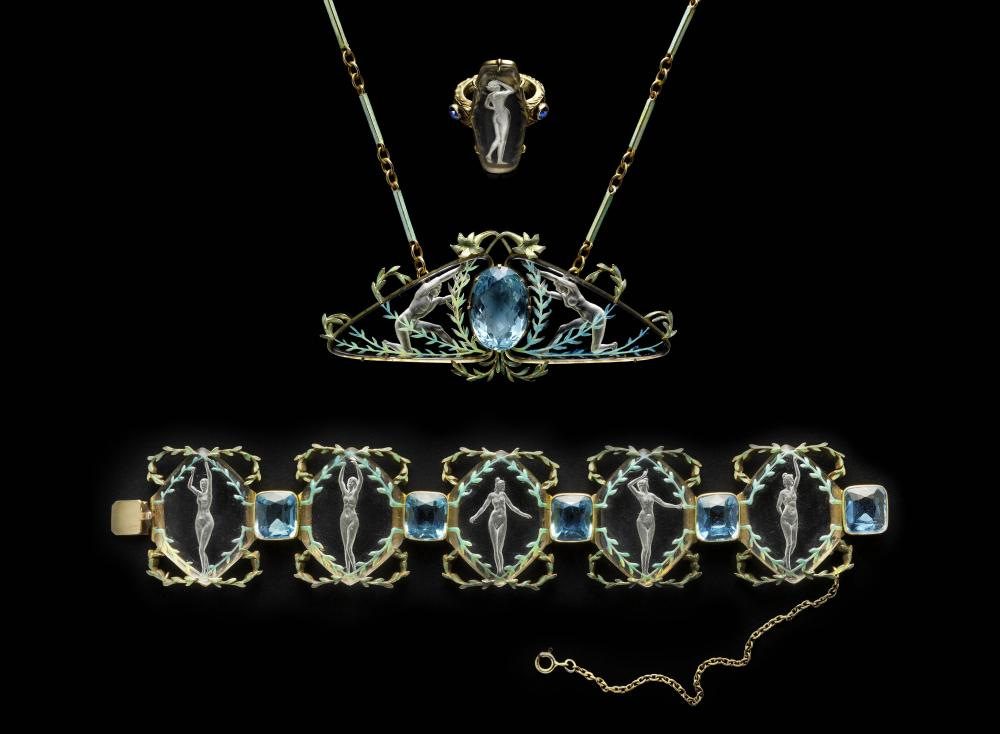
First stop: jewellery. Lalique’s entrée into the world of fame and fortune started with jewellery. His Art Nouveau pieces invoke nature, with leaves, flowers, insects and the female form, using semi-precious materials, ivory and enamel.
Photo: Studio Y. Langlois, Musée Lalique
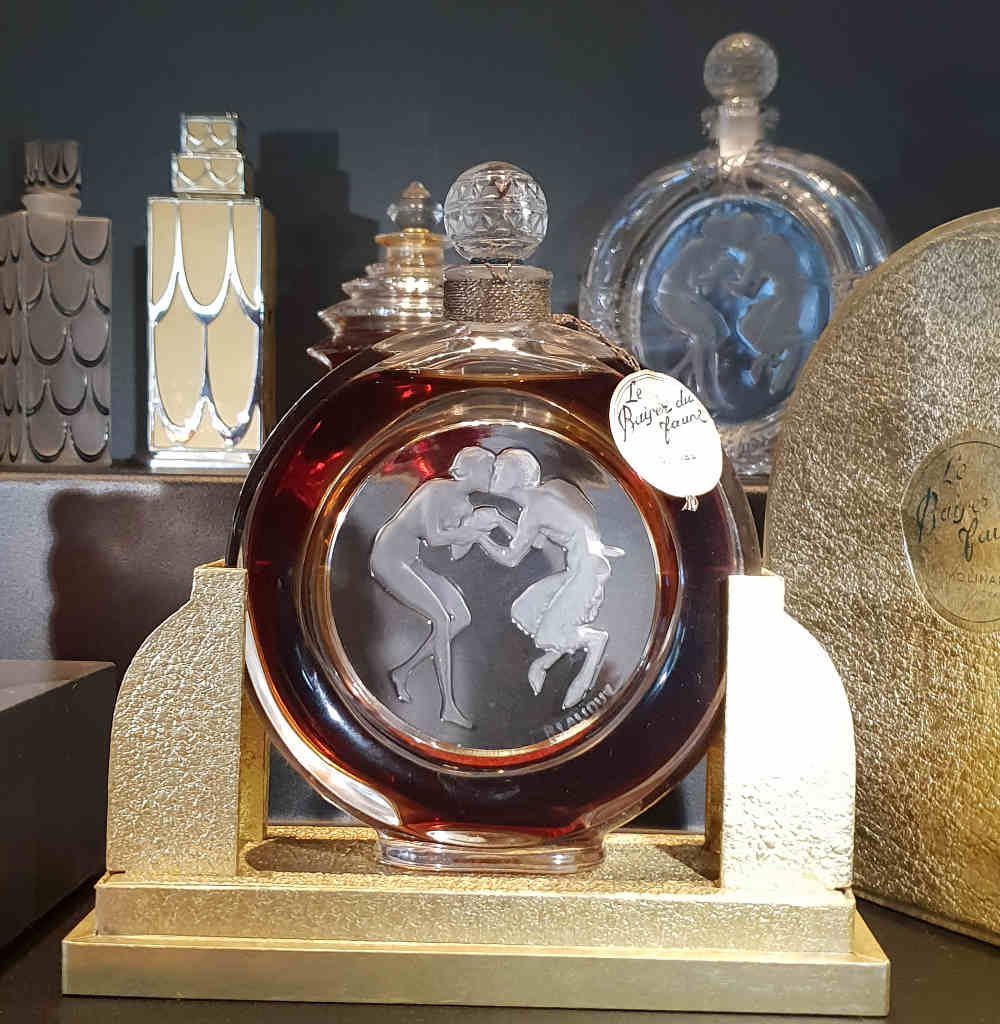
Next, perfume. At the beginning of the twentieth century the design of the perfume bottle was as important as its contents. Lalique went one step further, making the stopper the heroine of the piece. Together with Coty, he would revolutionise the perfume business.
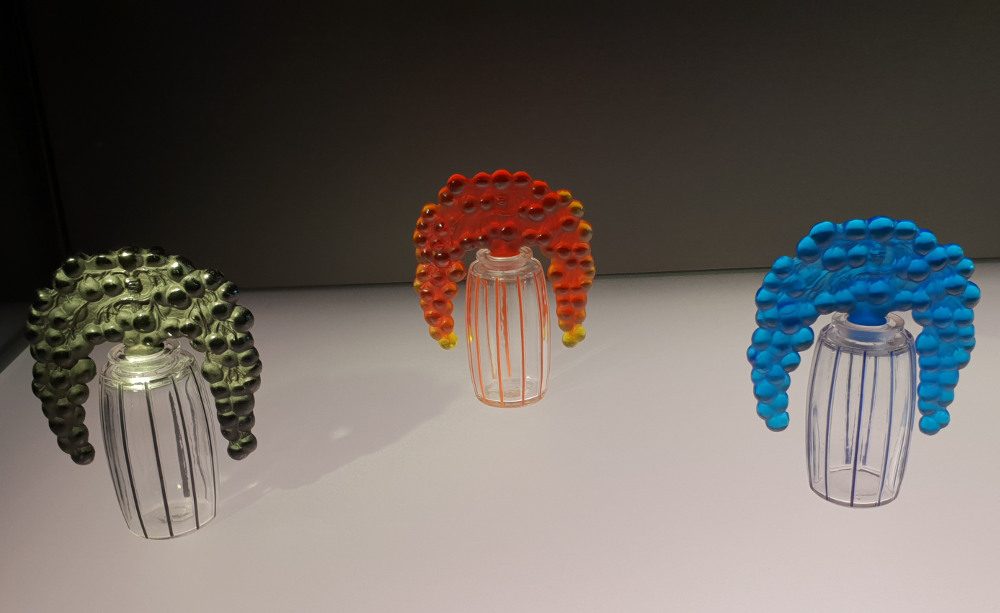
How beautiful are the Bouchon Cassis perfume bottles, created in 1920?
The Exposition Universelle de Paris in 1900 marked the peak of Lalique’s foray into jewellery design. By 1905 he was moving into glass, with perfume bottles, vases and sculptures. The Art Nouveau master was becoming the wizard of Art Deco.
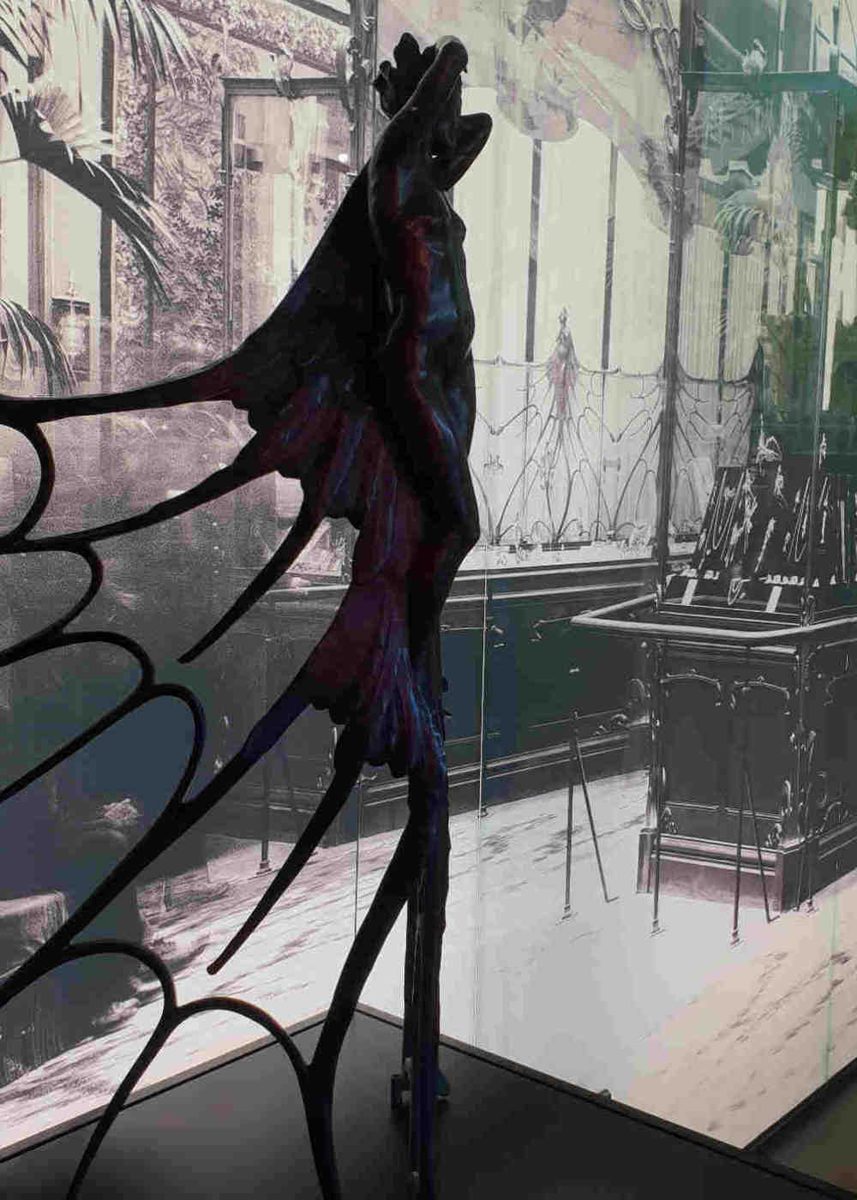
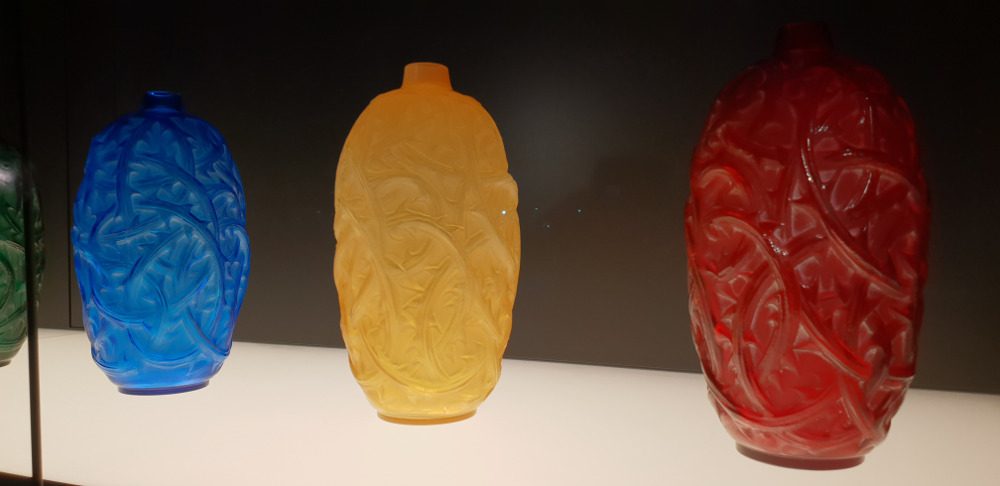
Vases Ronces, 1921
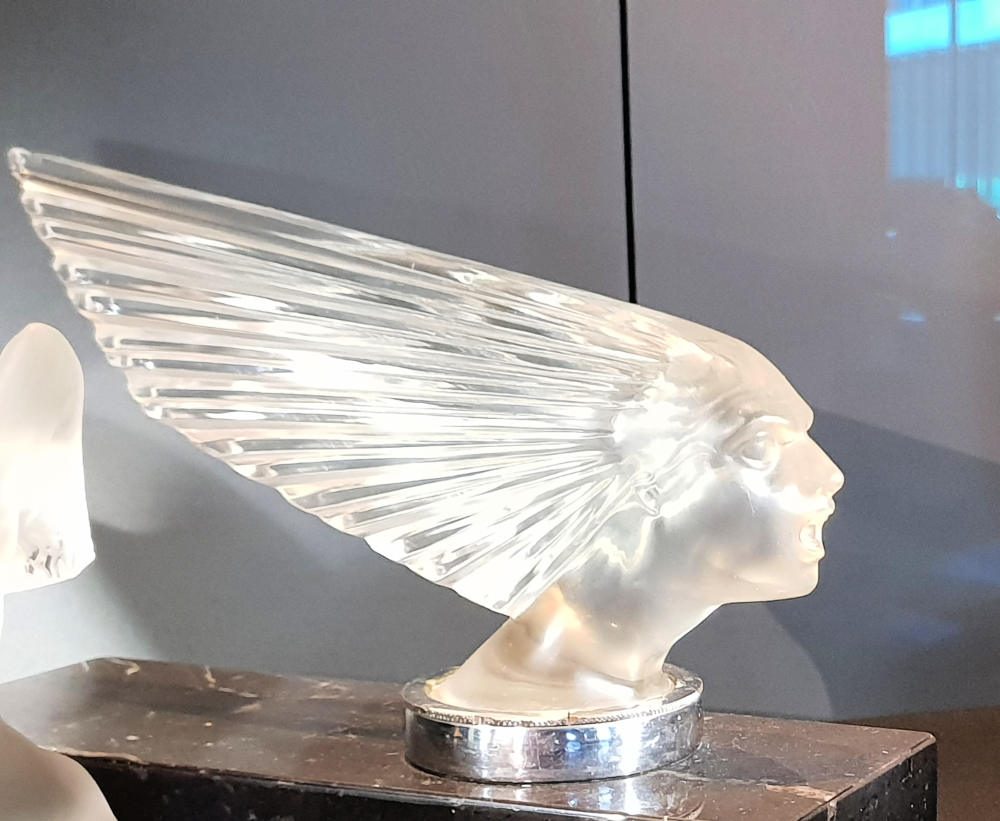
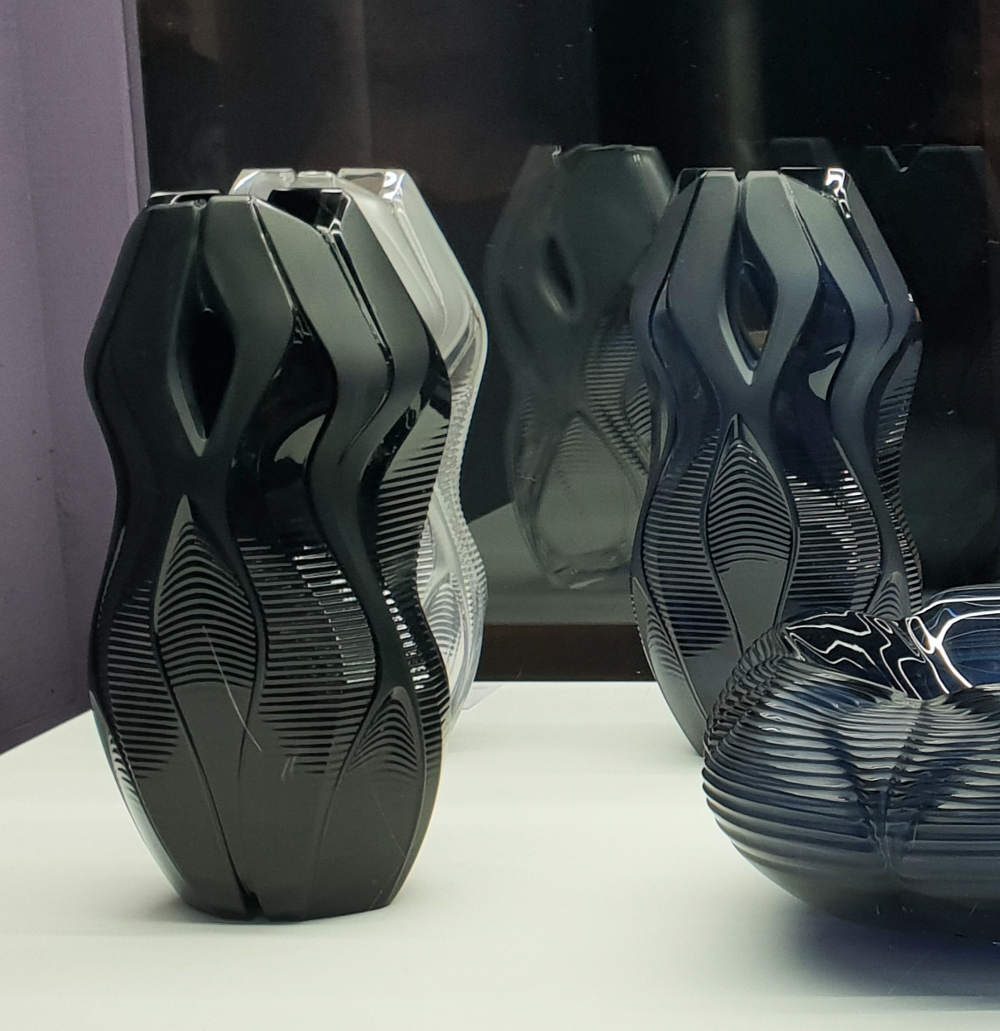
Modern art chez Lalique
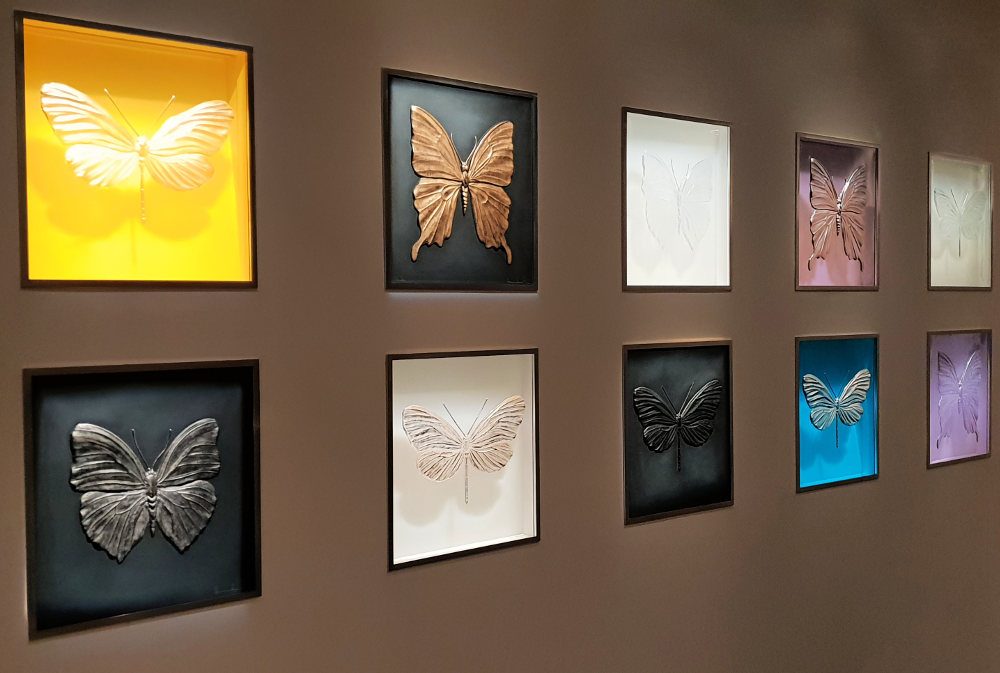
A Damien Hirst wall adorns the bar at the Villa René Lalique. Pretty much everything you see in the bar and lounge area is available for sale.
Where to stay near the Lalique factory Alsace
Villa René Lalique. The Villa René Lalique was built by the great man himself in 1920 and used as a family home when he was in the region. The villa is set in a pastoral six-acre oasis with chestnut, birch, oak, spruce and blue cedar. In 2015 it opened as a five-star hotel with interiors designed by Tina Green and Pietro Mingarelli. It’s small, with only six suites, and wherever possible the original details of the house have been retained. Furniture from the Lalique Maison collection has been created specifically for the hotel rooms as well as the lounge and bar. Visit the Villa René Lalique website.
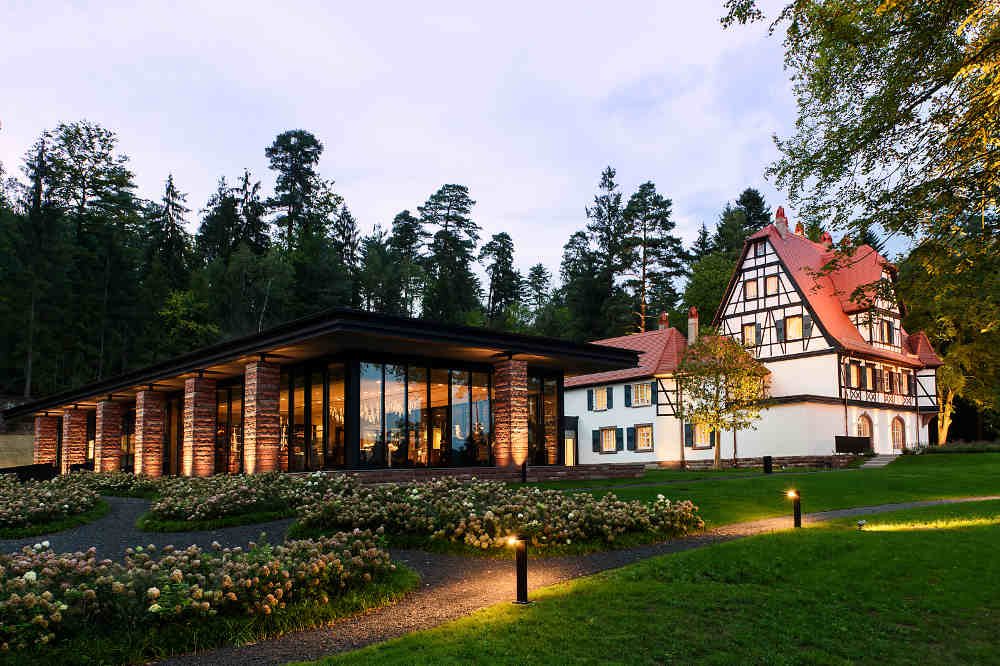
Photo: Reto Guntli
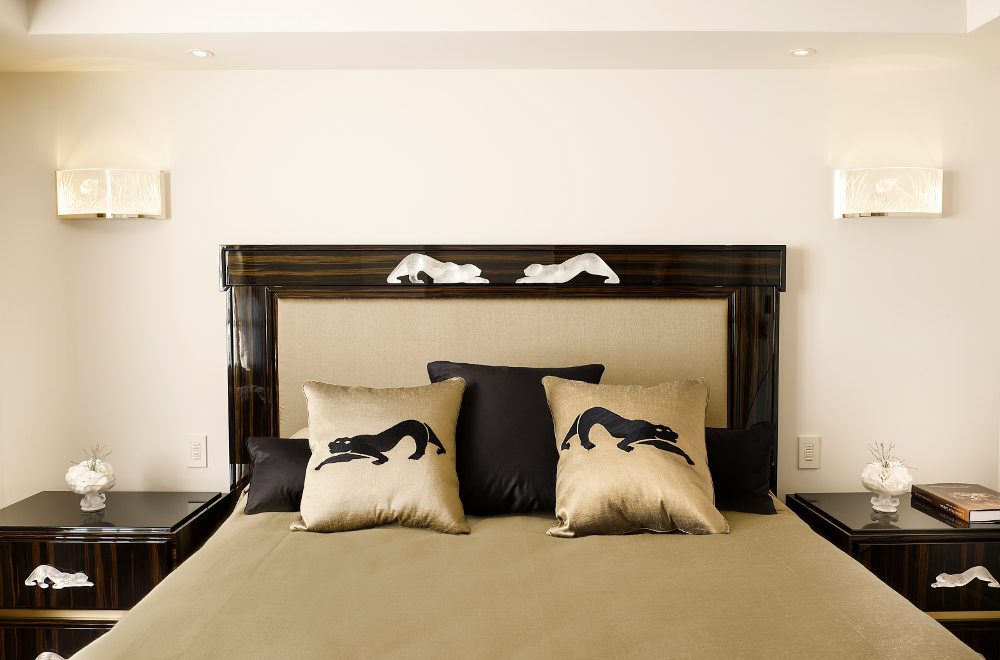
Photo: Reto Guntli
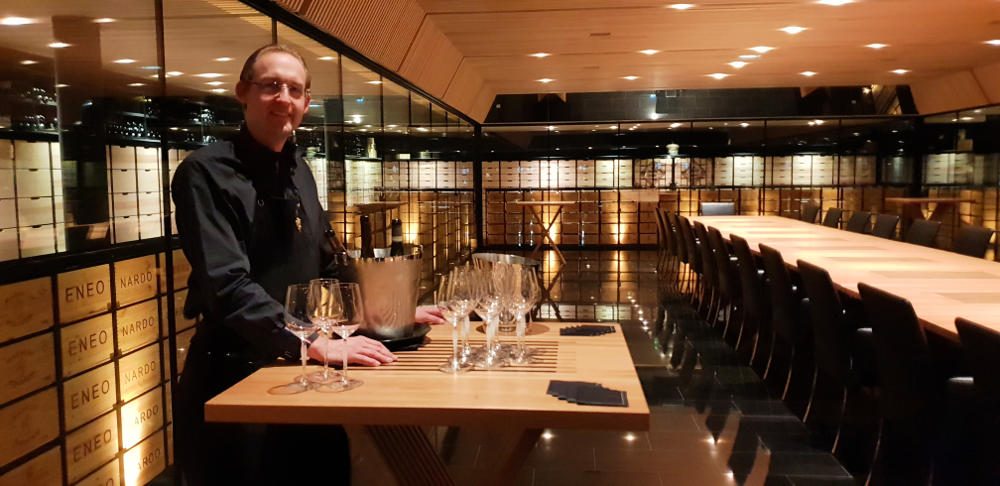
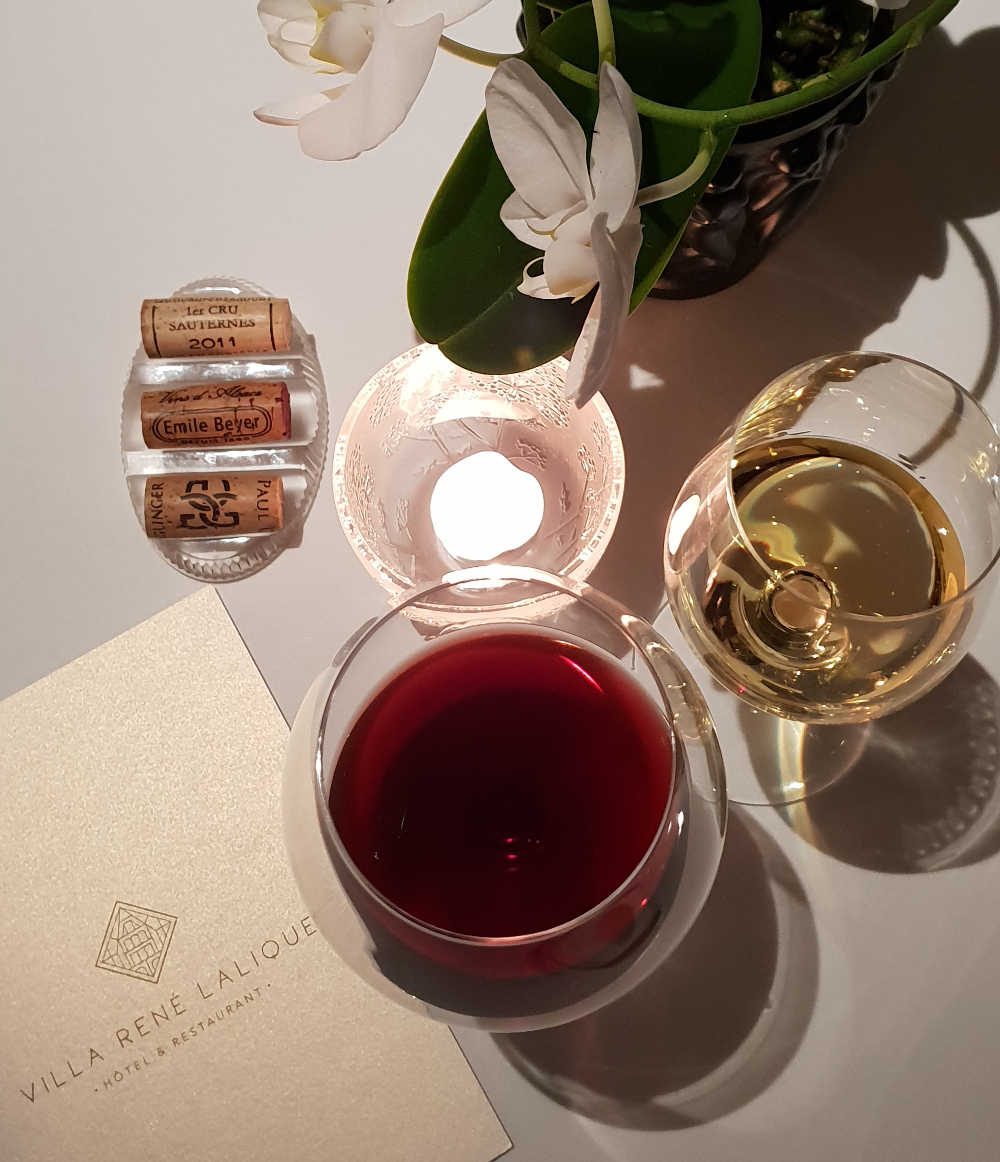
Let’s talk wine for a moment. The wine cellar at the Villa René Lalique is run by Sommelier-in-Chief Romain Iltis, who was awarded “Meilleur Ouvrier de France” 2015 and “Meilleur Sommelier de France” 2012. The cellar holds 60,000 bottles including an Yquem from 1865 (calling Cary Grant again!) and a nonpareil selection of Alsatian, American and French wines. Alsace has the most biodynamic vineyards in the world, which makes for a saltier grape, and Iltis paired a fine selection with the divine dishes waiting for us in the dining room. The wines were such fantastic quality that I didn’t even feel tipsy at the end of the marathon drinking session.
As René Lalique said: “Better to seek beauty than flaunt luxury.”
The restaurant. Chef Jean-Georges Klein is at the head of the two-Michelin-star restaurant, which serves up works of art. In 2017 he was joined by Paul Stradner. The restaurant was designed by the Swiss architect Mario Botta and creates a seemingly seamless transition from outdoors to indoors.
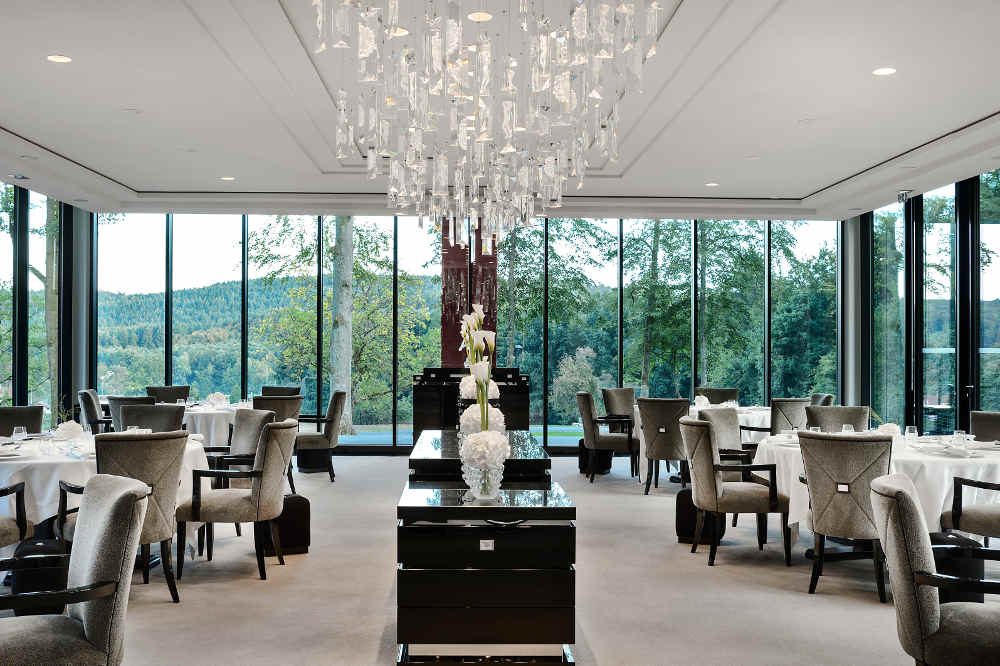
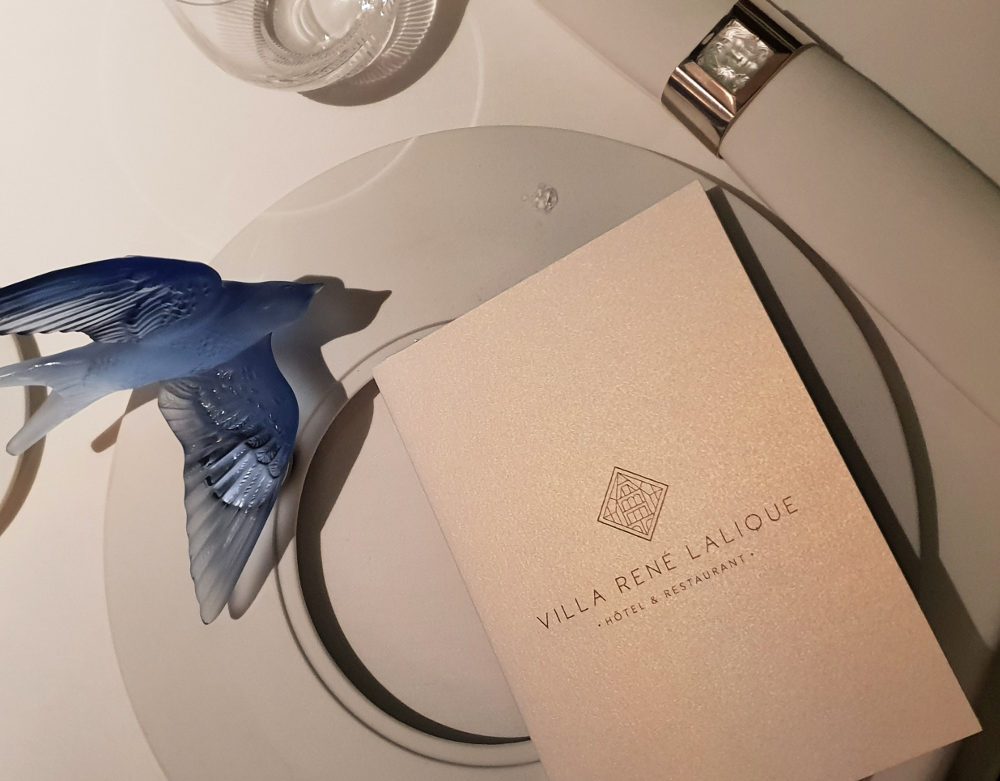
Photo: Adeline Wagner
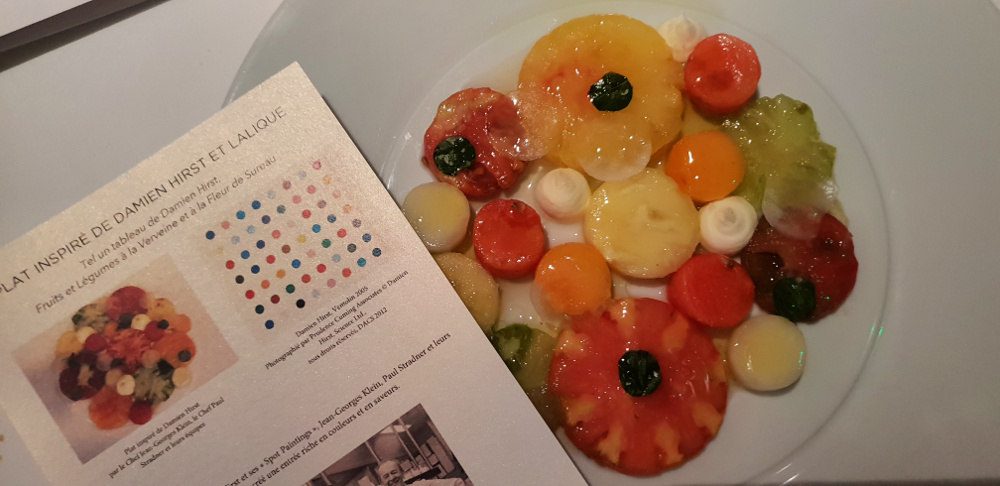
We were treated to an eight-course menu called Creation. You may not be able to afford a Damien Hirst Lalique, so go for the starter “Like a Masterpiece of Damien Hirst” instead. It was so beautiful I didn’t want to eat it. It was basically a plate of fruit and veg, and how on earth the chef made it one of the best things I’ve ever eaten, I will never know.
Château Hochberg. Set in 1.7 hectares, Château Hochberg is Lalique’s four-star offering and it oozes Lalique design and sophistication. Don’t fret if there’s no space at the Villa René Lalique: you can book a room at the other Lalique outpost, across from the museum. It was bought by the current Chairman and CEO of Lalique, Silvio Denz, in 2014 and is now classified as a historic building. It’s charming, and the restaurant, although not two-Michelin-star, certainly holds its own in the region. Visit the Château Hochberg website.
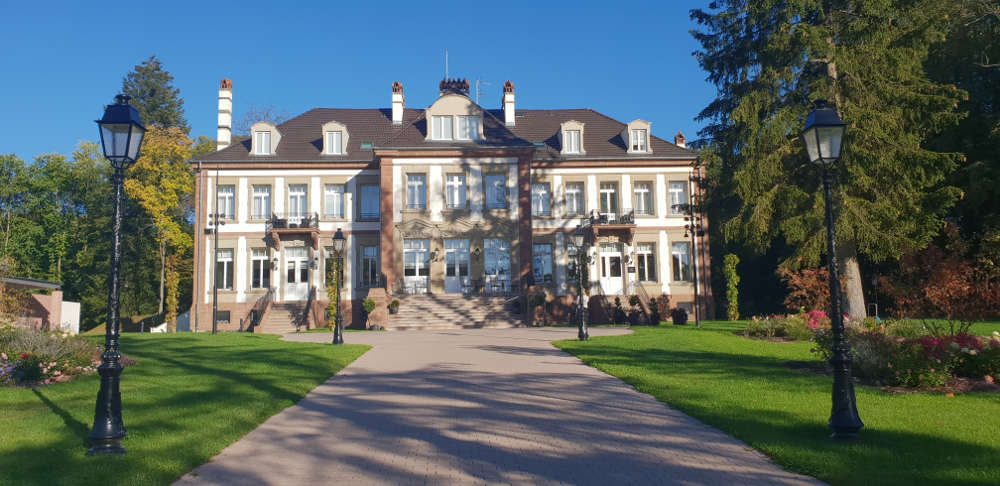
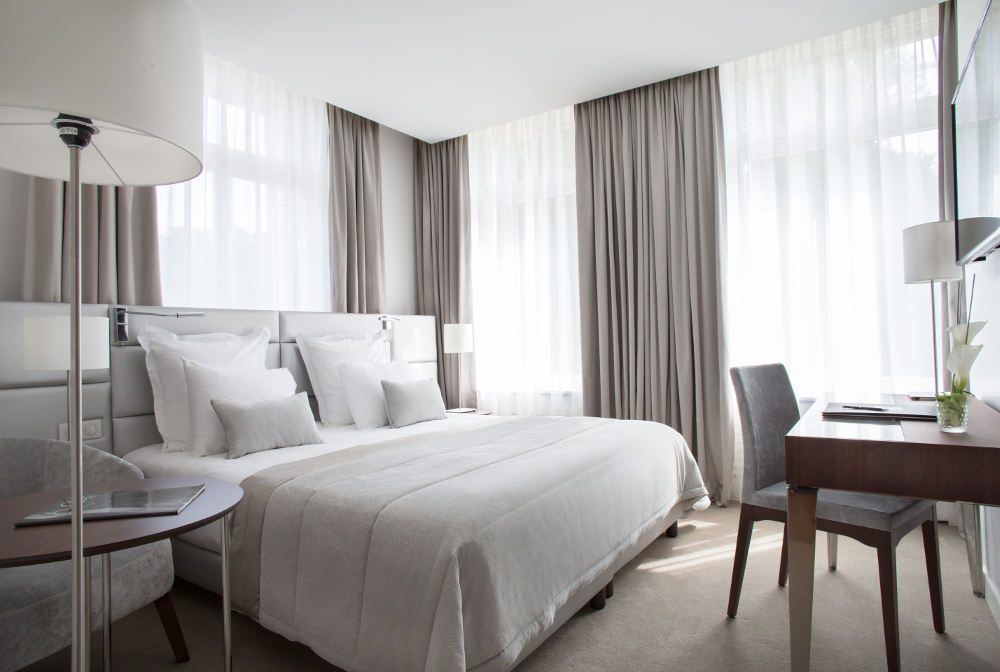
Photo: Grégoire Gardette
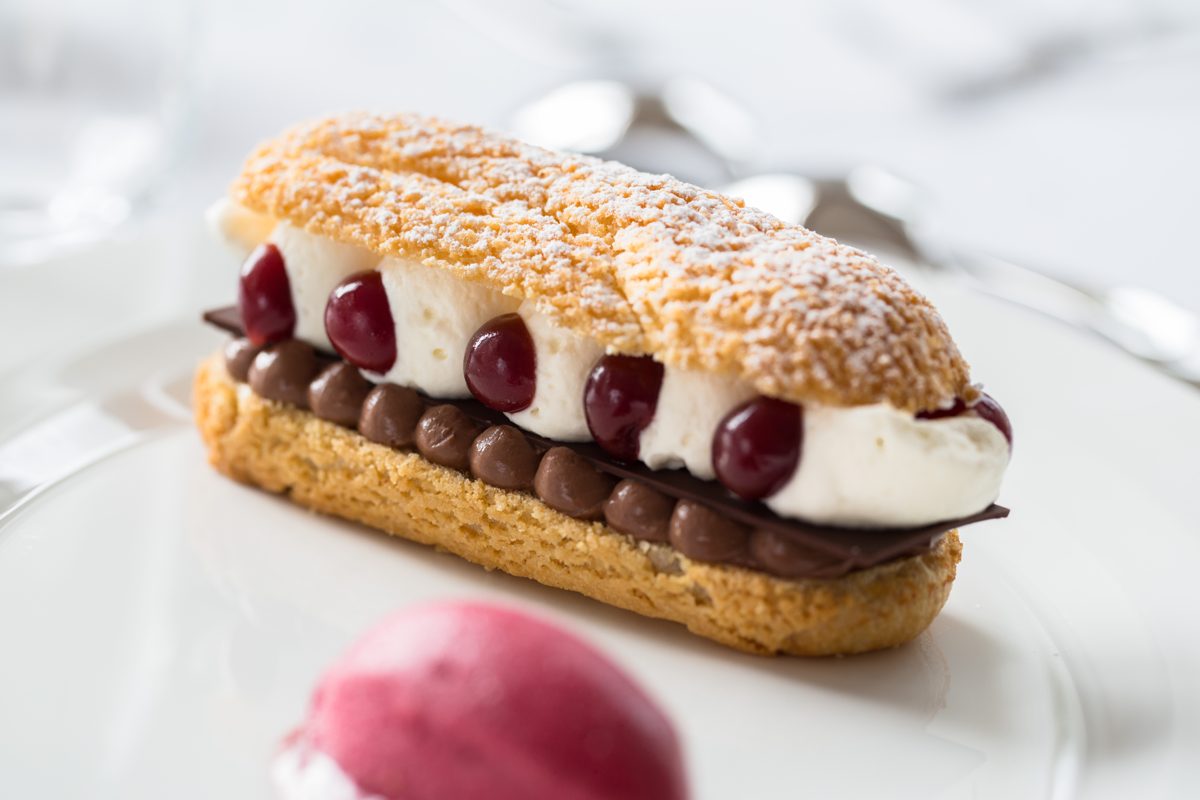
Photo: Grégoire Gardette
Lalique in London
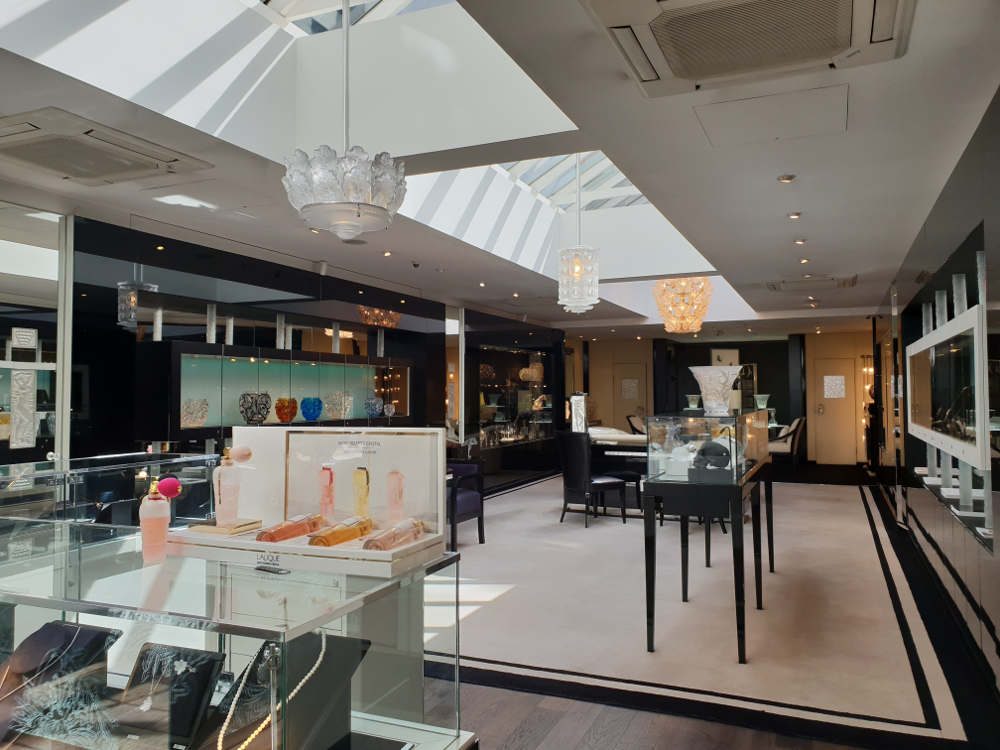
Lalique has two London boutiques, one in Conduit Street and one in Burlington Arcade. René Lalique is also alive and kicking at the V&A, which holds several Lalique works in its mighty collection.
My trip to the Lalique factory Alsace has left me wanting my own collection. I might just have to start one. Check out some of my favourites on my Lalique Pinterest page.
Merci Lalique for inviting me for a fabulous visit. As always, all opinions are my opinionated own.
First written in 2018 and updated since. Hotels, restaurants and opening times change, so please check each website before you visit.