My love affair with Kew Gardens began in the rain. It was one of those typical British summertime days that promised soggy jeans and the inevitable squelching through mud. A picnic was off the menu and so was lazing around in the summery aroma of freshly cut grass. We had already committed to an afternoon with the kids at Kew, so off we trotted, brollied and wellied. As we happily discovered, it’s easy to have a grand old day in the world’s most famous gardens in the pitter and the patter. So get your Mac on for a Kew Gardens rainy day and discover 12 things to do when it rains.
Kew Gardens rainy day: things to do indoors and out
Before you set off, here is the quick version. Under cover: the Palm House, the Temperate House, the Princess of Wales Conservatory, the Waterlily House, the Marianne North Gallery, Kew Palace and the cafés. Outdoors but worth a drizzle: the Great Pagoda, The Hive, the Kew Explorer train and the Christmas light trail. Book tickets online in advance at kew.org.
Kew Gardens rainy day: the Great Pagoda and The Hive
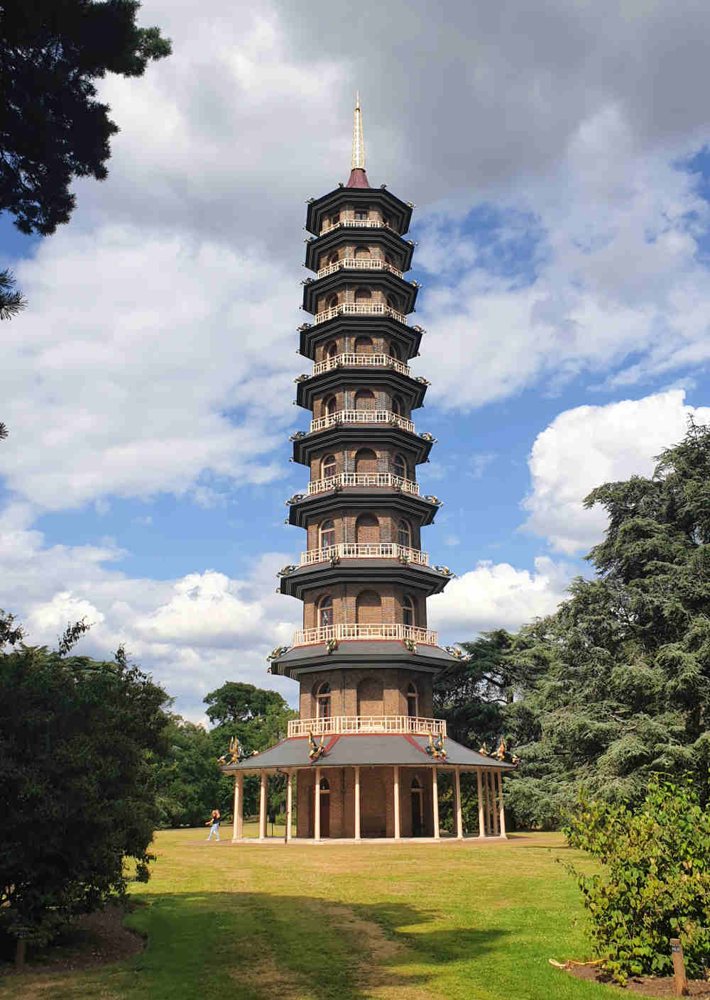
1. The Great Pagoda. Built in 1762 in under a year, the Great Pagoda was one of Georgian London’s famous curiosities, a building the public deemed would not remain standing. It was used by the Royal Family to entertain and was designed at a time when Chinoiserie was the style of the day. It stands 10 storeys high, and you can climb the 253 steps for some of the best views in London.
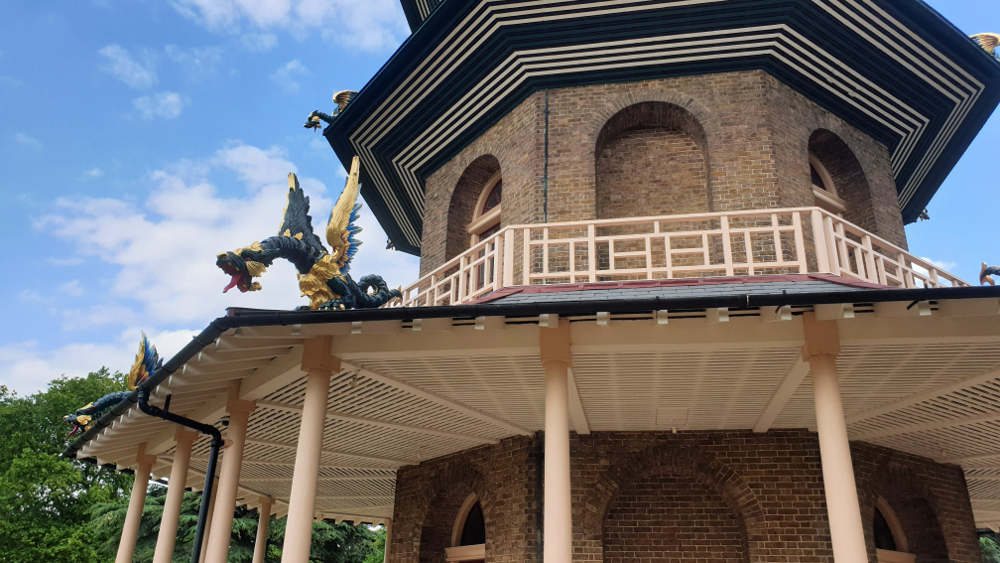
Eighty magnificent dragons perch on the Great Pagoda, but these splendid creatures are new additions. It is said that George IV sold the originals to pay his gambling debts. Today’s eight low-level dragons were fashioned by British master carvers, and the rest were made using 3D printing.
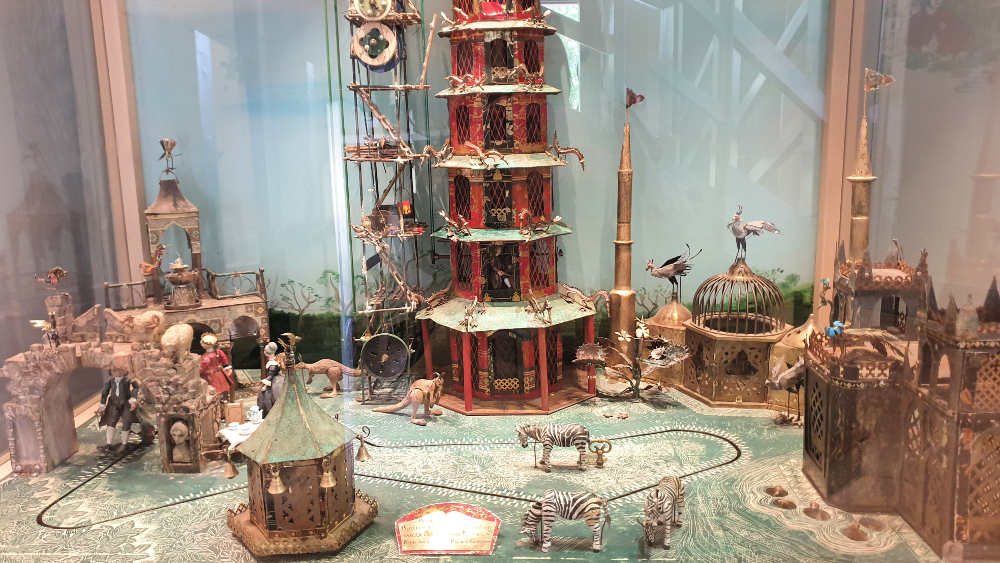
The pagoda once sat among other follies in the royal gardens, including a Turkish mosque and a Moorish Alhambra, and a model of them is on display.
2. The Hive. One of my favourite outdoor sculptures, The Hive stands 17 metres proud and is one of Kew’s most iconic pieces. Yes, it’s open to the elements, but come rain or shine you won’t want to miss it. Designed by artist Wolfgang Buttress, its glowing LED lights respond to the vibrations of a real bee colony in the gardens. I always wonder what Pooh Bear would make of this extraordinary metallic lattice that hums with the promise of sweetness.

Image: RBG Kew
Glasshouses to shelter in: Palm House, Temperate House and more
3. The Princess of Wales Conservatory. This is a maze of plants, cacti, succulents, orchids and carnivorous plants. Don’t be fooled into thinking it’s named after Princess Diana. The name refers to Princess Augusta, who founded Kew in 1759, although Diana did open the conservatory in 1987.
4. The Palm House. A window cleaner’s nightmare, the Palm House was built with around 16,000 panes of glass. It houses endangered species, some extinct in the wild, and the oldest pot plant in the world. Keep your eyes peeled for wrens and robins nesting in the Palm House, and for the Chinese water dragons. I love sitting under the watery mist that spits on the plants throughout the day. It’s a cosy space for a Kew Gardens rainy day when it’s raining, the sort of place you would want to curl up and read a Victorian whodunit.
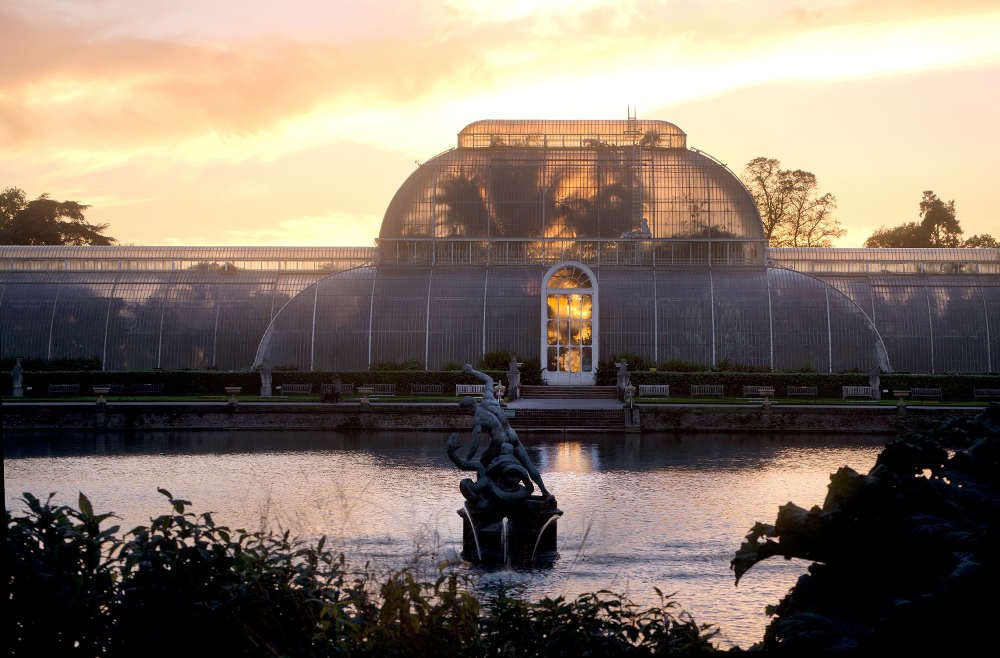
Image: RBG Kew
The café marron, a member of the coffee family, was once thought to be extinct until a young boy on the island of Rodrigues spotted one on a school assignment. A sample was sent to Kew, and the gardens now grow this rare plant.
5. The Temperate House. This has to be one of the most beautiful buildings in London, and to step inside is to walk into a Victorian time capsule. It is the world’s largest Victorian glasshouse, with around 1,500 species. Look out for the Encephalartos woodii, a South African cycad known as Kew’s loneliest plant.
Marianne North Gallery and the Waterlily House
6. The Marianne North Gallery. Exotic flowers bloom all year on the walls of this gallery. If you love botanical art, you’ll want to pop in to see these astonishing paintings. Marianne’s social circle included Charles Darwin and Sir William Hooker, the first Director of Kew and a friend of her father. The gallery has over 800 paintings, which she painted during 15 years of travel to far-flung places.
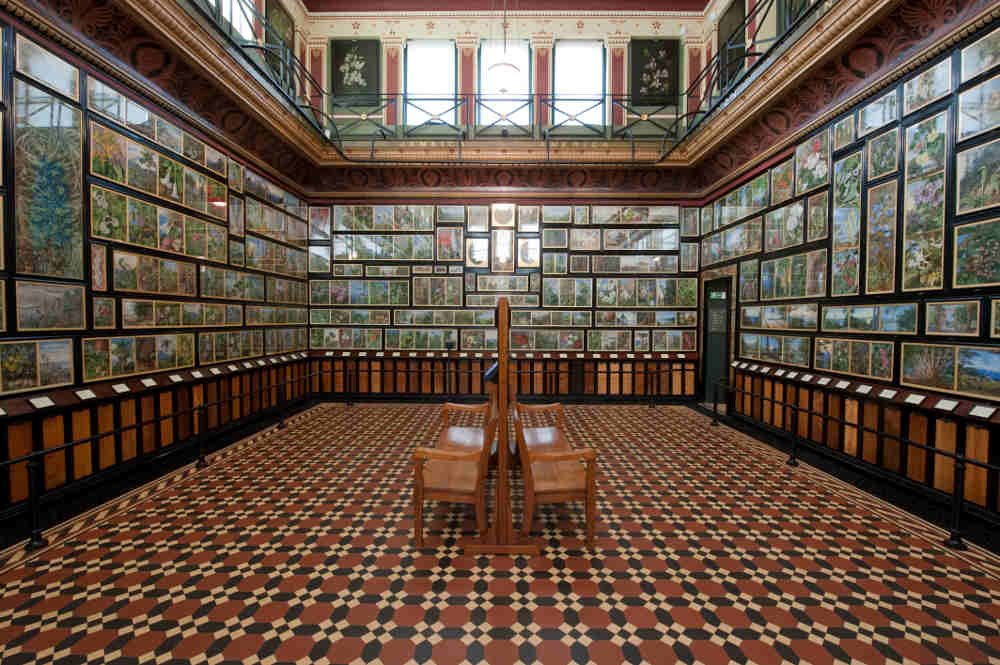
Image: RBG Kew
7. The Waterlily House. This is the hottest house at Kew, and a good place to warm up on a Kew Gardens rainy day. Joseph Paxton, the man behind the Crystal Palace, was so impressed by a specimen of the giant waterlily that its structure inspired his design. It is a seasonal house, so check it is open before you go.
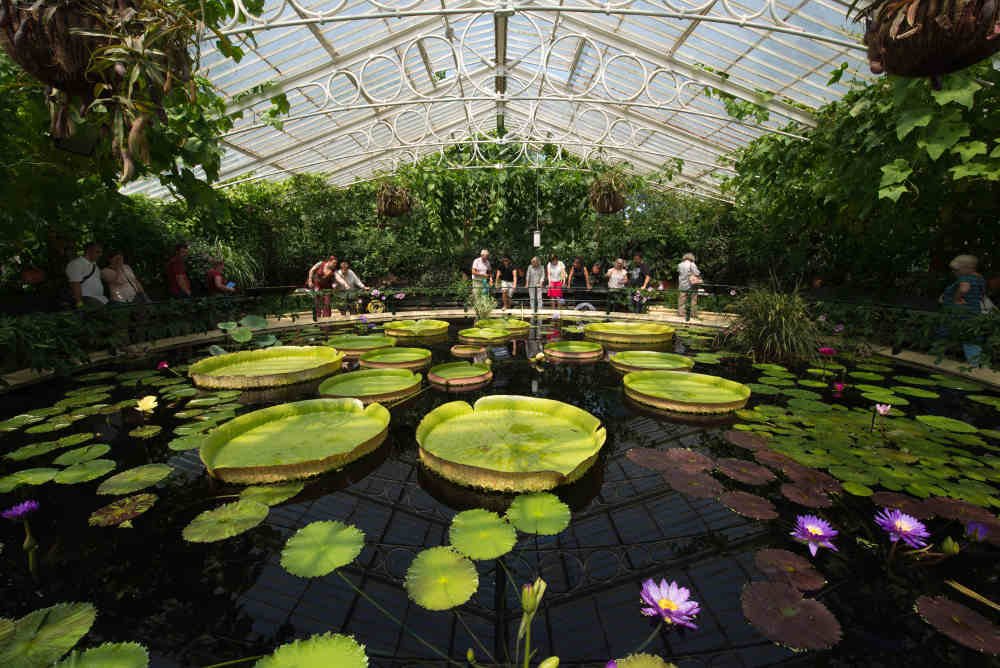
Image: RBG Kew
Kew Palace and Queen Charlotte’s Cottage
8. Kew Palace. And now we come to the pièce de résistance, which is sadly only open seasonally. It’s the smallest of the royal palaces and was once the intimate home of “Mad” King George III, Queen Charlotte and their 15 children. It is where Queen Charlotte died in 1818, but it was also a happy refuge for the royal family. The spaces are homely and domestic, with less gilt and pomp than your standard palace. For more of Queen Charlotte’s story, read my guide to Kew Palace and Queen Charlotte.
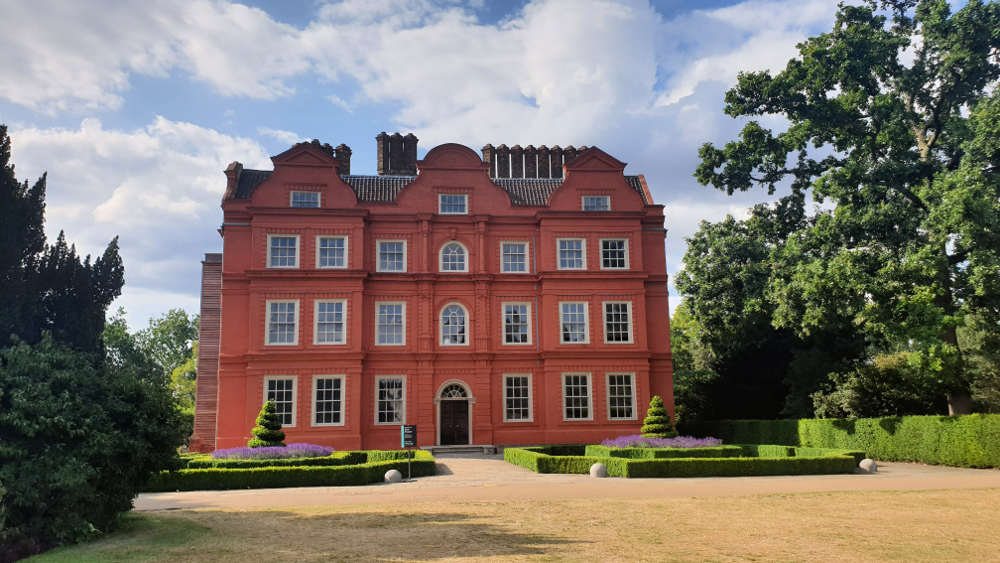
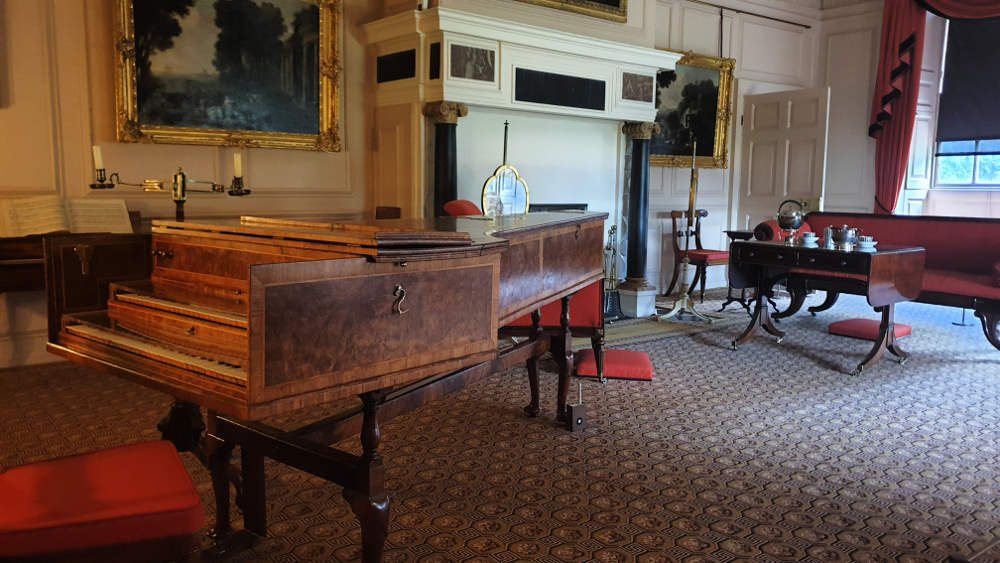
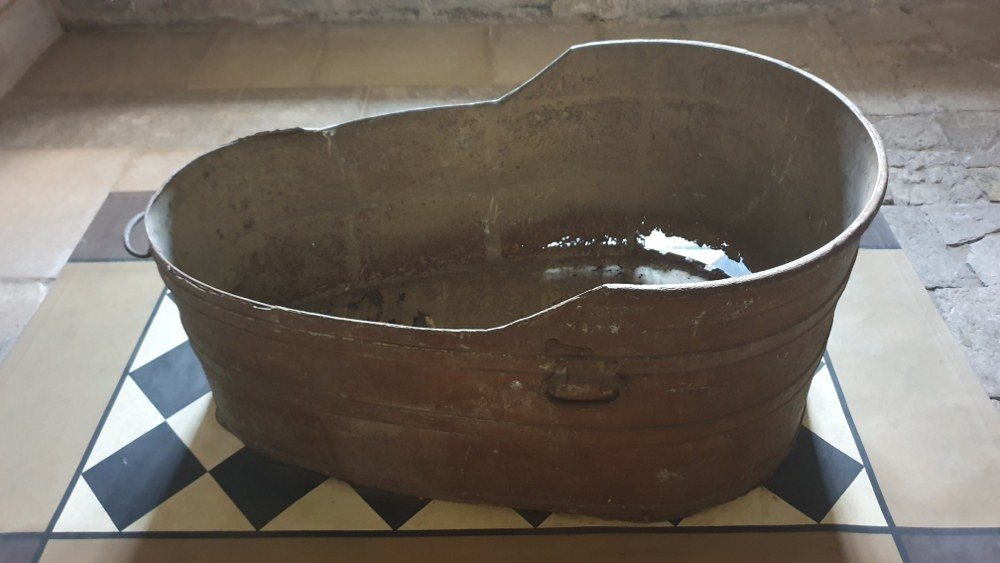
This brown tub, thought to have been used by George III for his regular soaks, was found in a chimney opening during a renovation of the palace.
Visit the Royal Kitchens to get a taste of Georgian culinary life. Original copper boilers and charcoal stoves are on view, and are still used today during some cooking demonstrations.
9. Queen Charlotte’s Cottage. This rustic cottage was used by the royal family for tea breaks and for resting during walks in the gardens. The paddock at the back is said to have housed the first kangaroos to hop into England. Kew Palace, the Royal Kitchens and the cottage open seasonally, so check kew.org for dates.
Kew Gardens rainy day: the Explorer train and Christmas lights
10. The Kew Explorer train. Tour the gardens in the comfort of the Kew Explorer, which lets you hop on and off at will. It is a handy way to cover a lot of ground without getting drenched, so check the current times and price when you book.
11. Christmas at Kew. Christmas at Kew is just the thing to banish the Scrooge. I have been in beastly cold weather and it matters not. The twinkly light trail winds through the gardens, and there is also a fairground at the Temperate House.
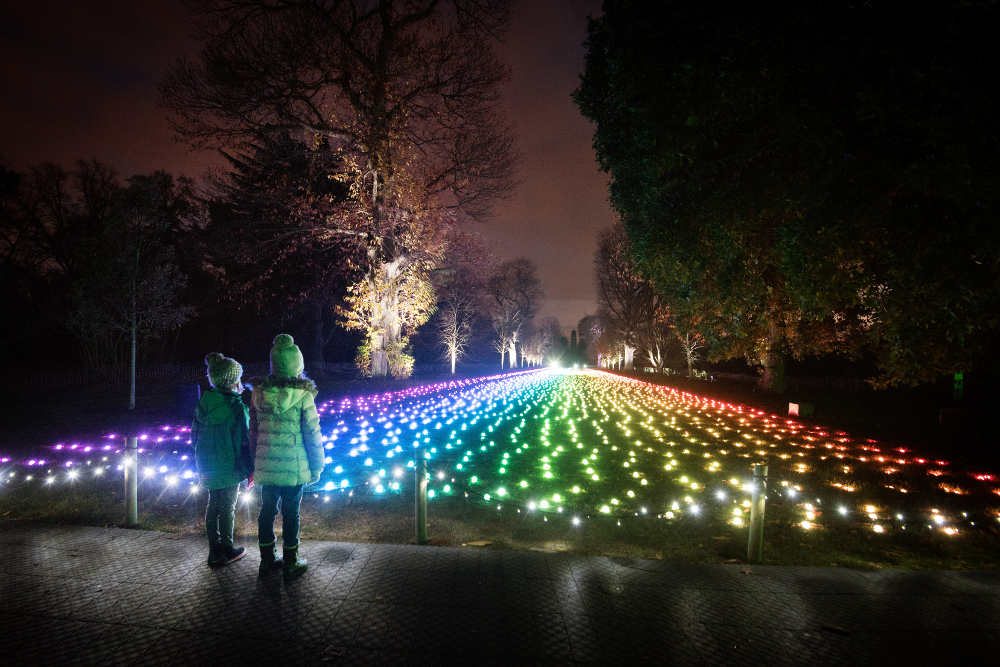
Image: Jeff Eden, RBG Kew
Where to eat and shelter at Kew Gardens
12. Where to eat. There are several places to eat inside the gardens. The Botanical offers a predominantly plant-based menu, with plants and flowers picked in the gardens or foraged locally. It is housed in Museum No 1, the first purpose-built building at Kew, which overlooks the Palm House and the lake, and it is the perfect place to rest your soggy feet for afternoon tea or a cream tea. Gluten-free and vegan options are offered.
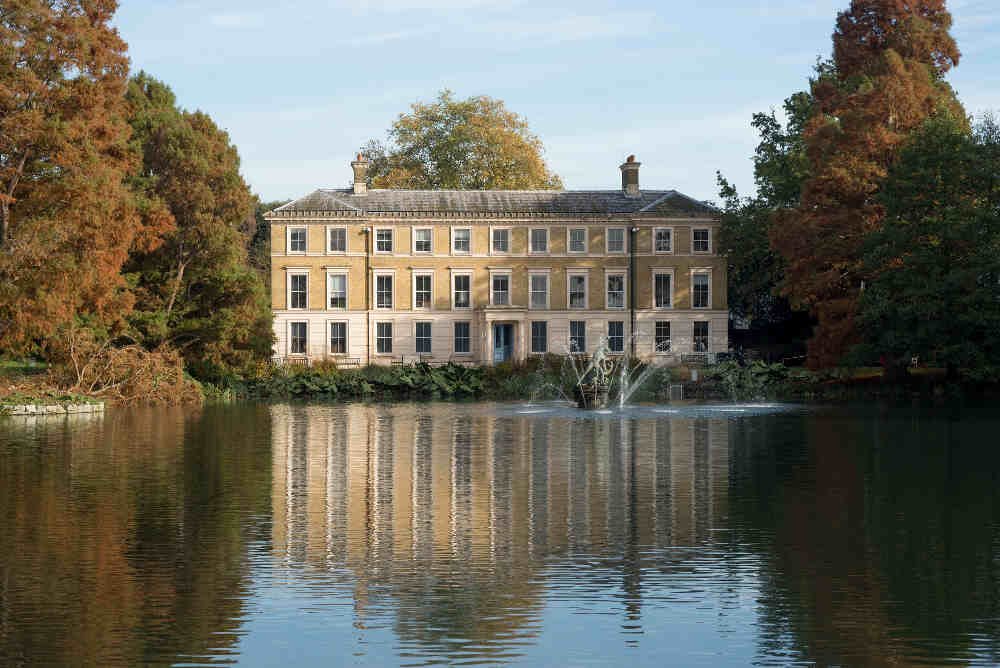
Image: RBG Kew
You can grab and go at the White Peaks Café, or if you want to sit inside there’s a menu for little ones that includes mini vegetable pots and hidden veg mash. If you’ve had enough of Kewing for the day, head over to Newens Original Maids of Honour tea room on Kew Road, which has been serving Henry VIII’s favourite pastries for over a century, so the story goes.
Kew Gardens rainy day: your questions answered
Is Kew Gardens worth visiting in the rain? Yes, a Kew Gardens rainy day is a good one. With glasshouses, a gallery and a palace, there is plenty to do under cover, and the gardens are much quieter on a wet day.
What can you do at Kew Gardens when it rains? Head for the Palm House, Temperate House, Princess of Wales Conservatory, Waterlily House, Marianne North Gallery and Kew Palace, then dry off with afternoon tea at The Botanical.
What should you bring? A waterproof coat and wellies if the paths are muddy, plus an umbrella. Dogs are not generally welcome, so leave the four-legged family members at home and check the current policy. Try to arrive early, when it is less busy.