The French for twilight is crépuscule, a word which conjures up that gleaming, twinkling time of day which is neither light nor dark, when the Goddess Nyx starts her magic dance. And Garsington Opera puts on a witching hour like no other, with the thrilling sound of music and song from its pastoral outpost in Wormsley in the Chiltern hills. If you’ve been before, you’re already an addict. But if you haven’t, here are my top ten reasons why you need to visit Garsington Opera.
What to wear to Garsington Opera
Black tie is the tradition at Garsington Opera, so long evening gowns and dinner jackets are very much at home here, but you are welcome to choose your own take on elegant evening wear. Some productions may invite you to follow a colour theme, so check the official what to wear page before you go.
The practical bits matter just as much. The grass can be soft, so stilettos are not recommended, and flat or block-heeled shoes will see you comfortably from the picnic tents to the pavilion. Evenings in the Chilterns can turn chilly, so pack a wrap, shawl or jacket, as warm layers are strongly advised. If the weather turns, there is covered space available for everyone.
1. Garsington Opera is a season of country-house opera
Each summer season brings a mix of well-loved classics and fresh productions, with fine singers, directors and conductors. Check the official website for the current programme and for how to book. Returns are sometimes available, so do call the box office if a performance is sold out.
2. There isn’t a bad seat in the house at Garsington Opera
No restricted views in this auditorium of around 600 seats, thank you. All seats rock it at Garsington Opera, and I was lucky enough to sit in a centre box for a stonkingly good view of the stage.
3. Bird song is included in the ticket
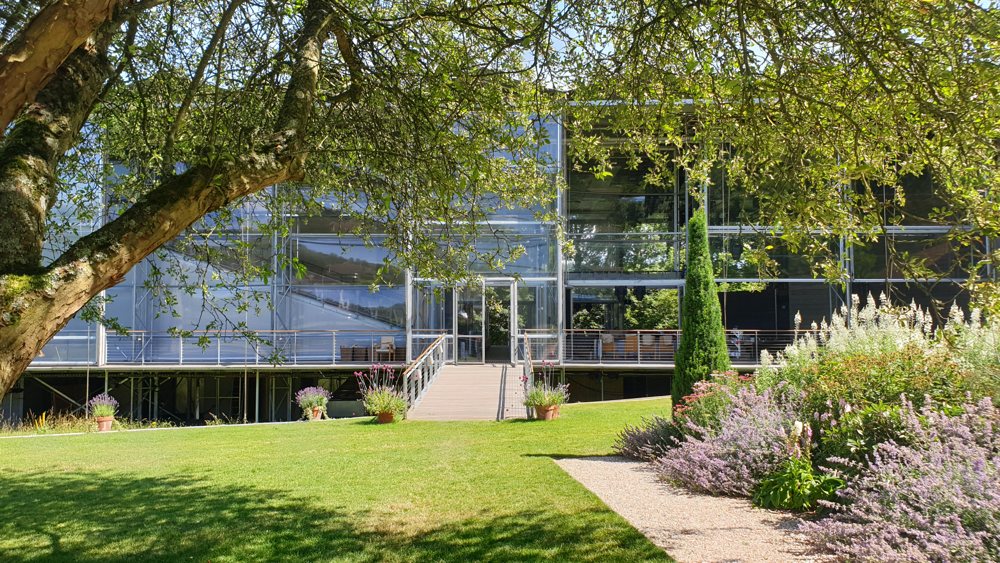
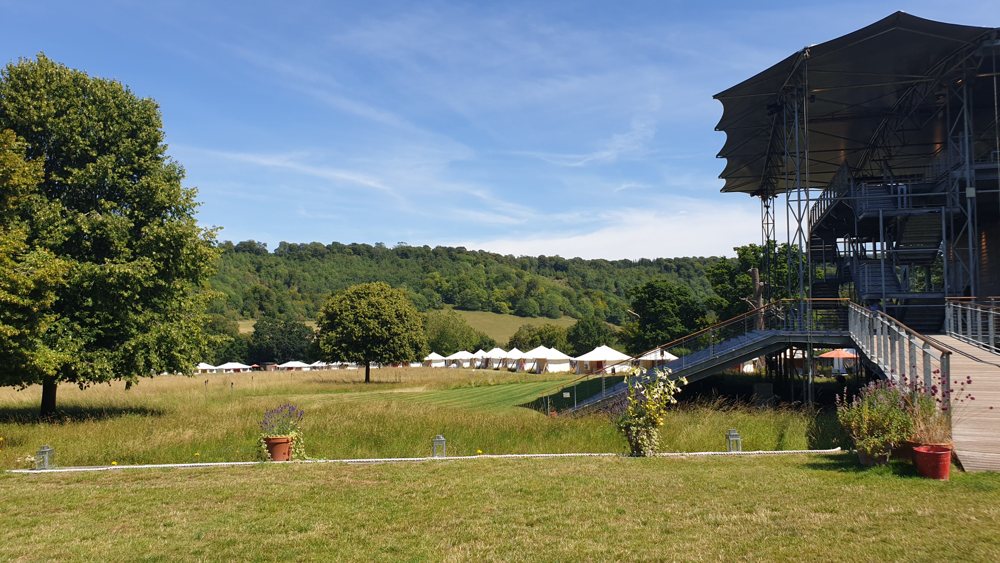
I always refer to the Glyndebourne opera house as a sauna. It may work acoustically, but once I step inside the auditorium, the arcadian experience ends. Garsington Opera’s pavilion, on the other hand, is at one with its surroundings, floating within the landscape. Designed by architect Robin Snell, it began as a lightweight, demountable structure and has since become a permanent fixture of Wormsley. The music inside seems to scale, soar and envelop whilst giving a sense of cosiness and intimacy. And as if on cue, the birds join in the chorus, a chirruping and happy accompaniment to the orchestra. Mozart, who is said to have had a pet starling that accompanied him on the piano, would surely have approved. It’s quite simply magical.
4. Even the landscape brings a dose of drama
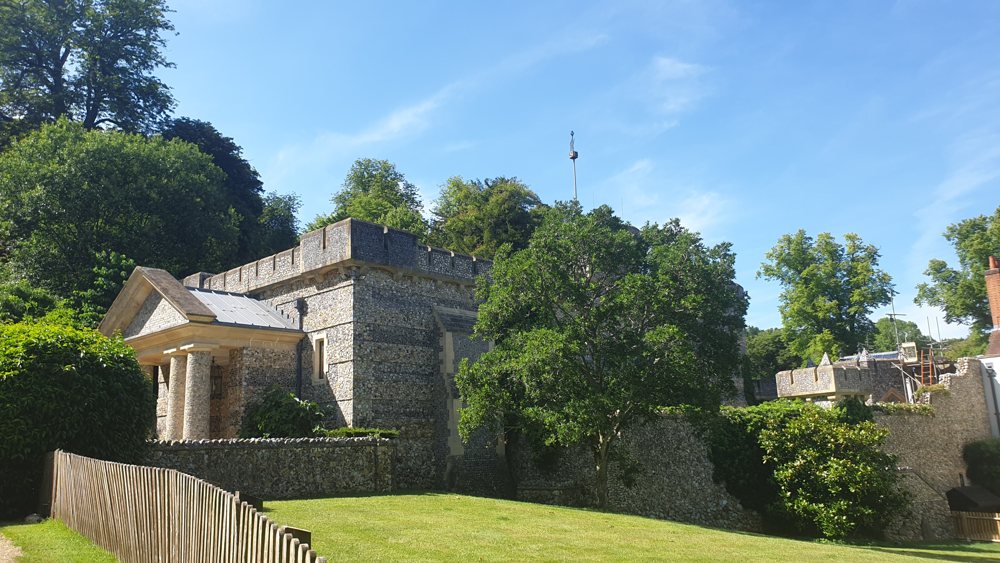
It’s a bucolic setting which will take your breath away. Garsington Opera’s home is the 18th century Wormsley Estate in the Chiltern Hills of Buckinghamshire. The park has thousands of acres of ancient woodland with a lake, a deer park, an organic farm, and a cricket ground with a thatched pavilion.
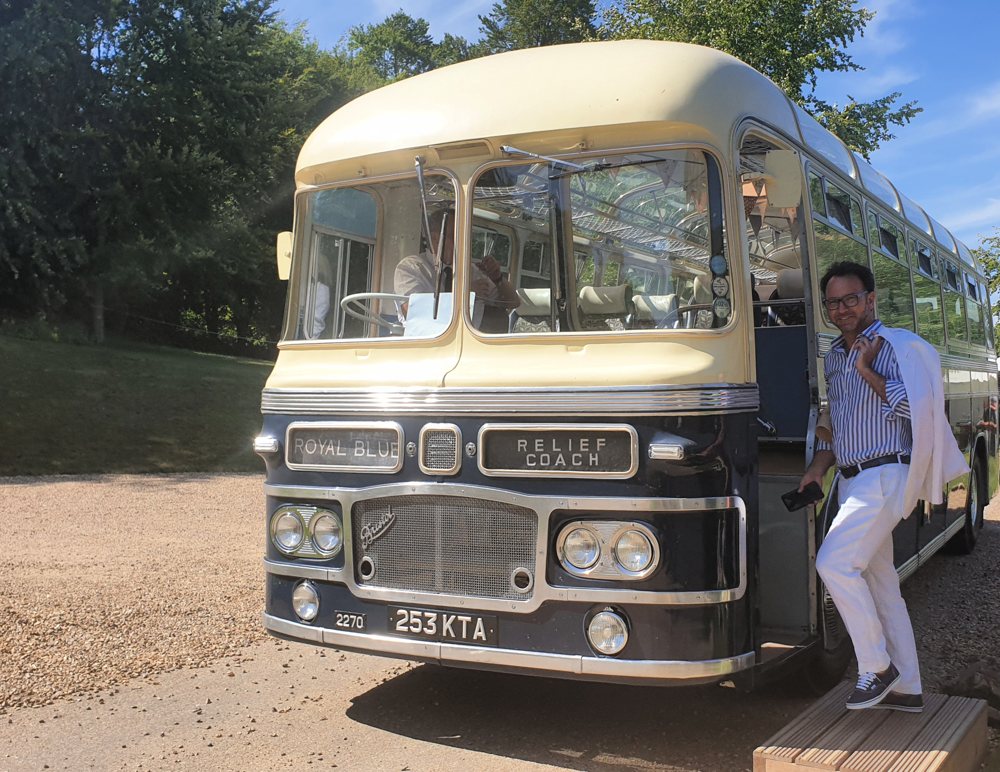
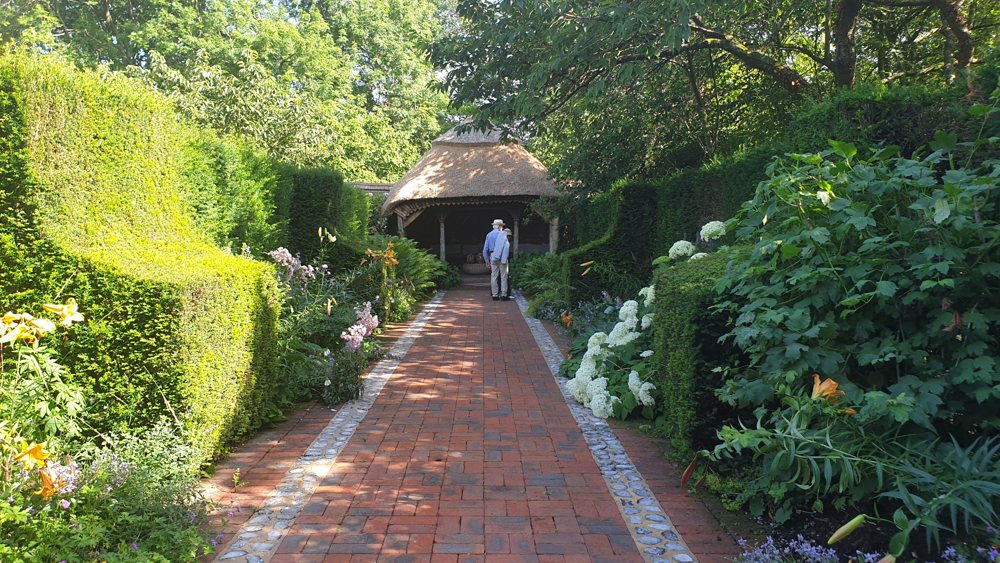
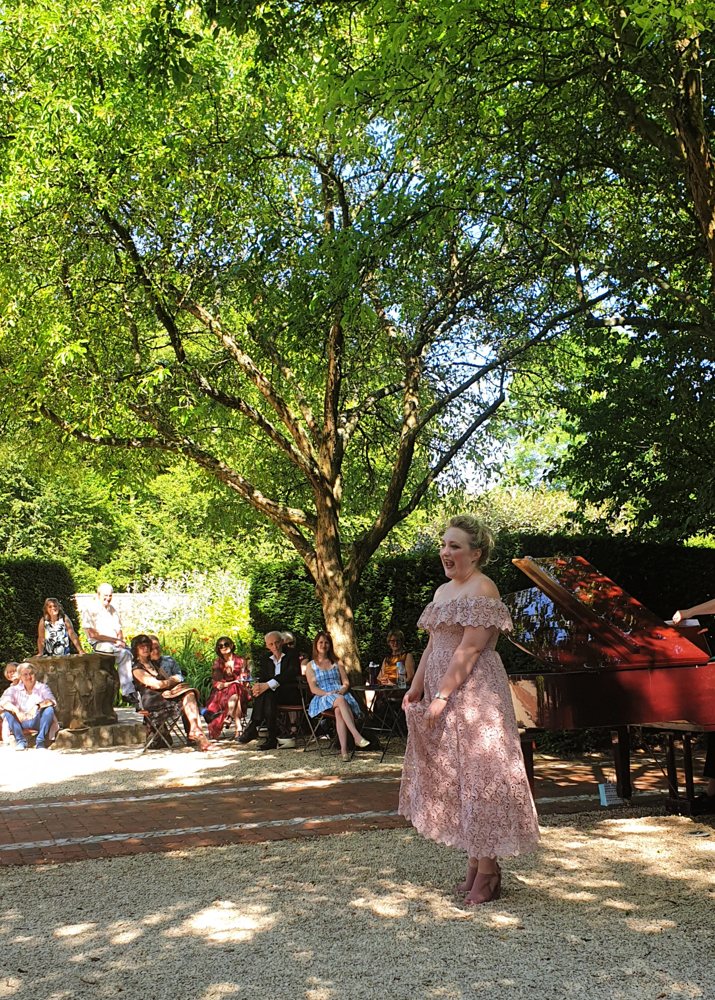
Arrive early and hop on the complimentary vintage bus from the Cricket Pavilion to the enchanting two-acre Walled Garden. You can meander around the rose garden, the croquet lawn, the historic wells, the pergola and the little outdoor theatre with your own magic flute of champagne.
5. Mum’s the word: the Wormsley Cricket Ground
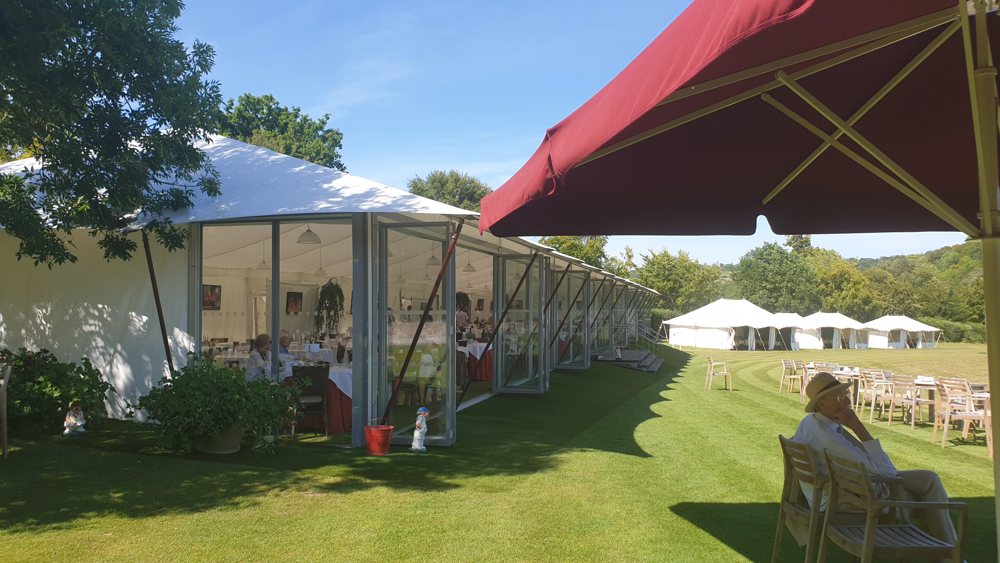
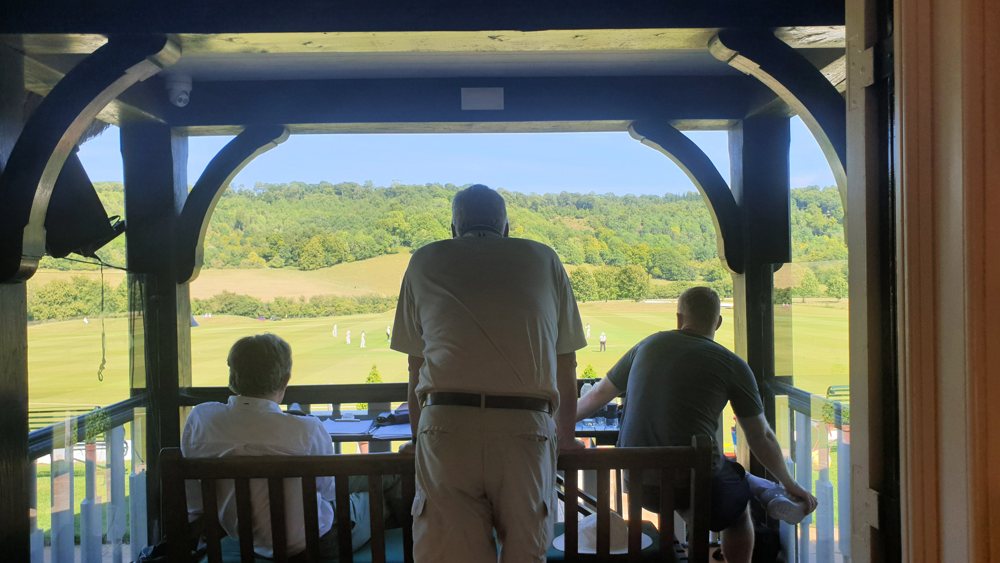
The ground opened in 1992 with a match watched by the Queen Mother and the then Prime Minister, Sir John Major. It’s often referred to as one of the most beautiful cricket grounds in the country, and the views over the Chiltern hills are glorious.
6. The Getty family is crackers for art
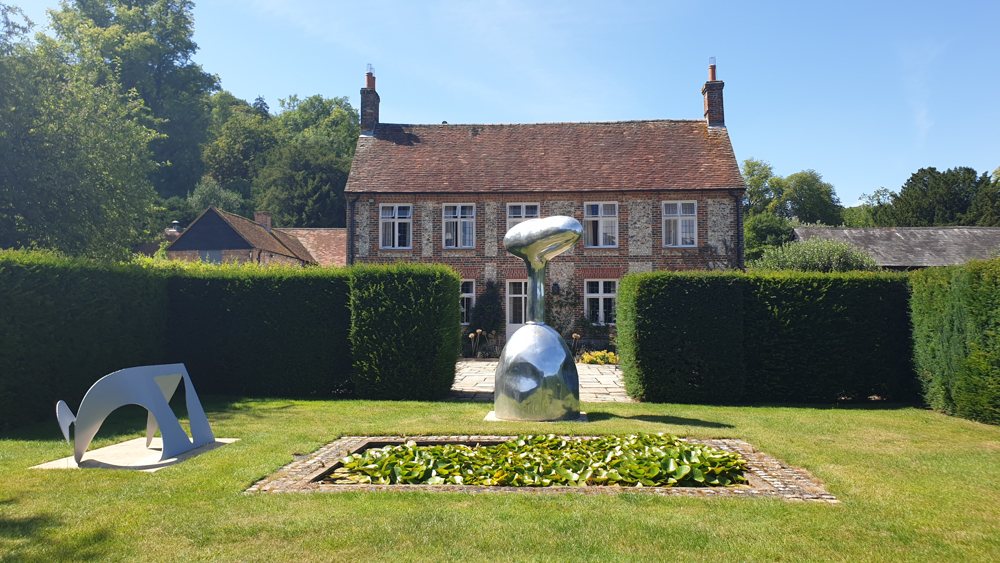
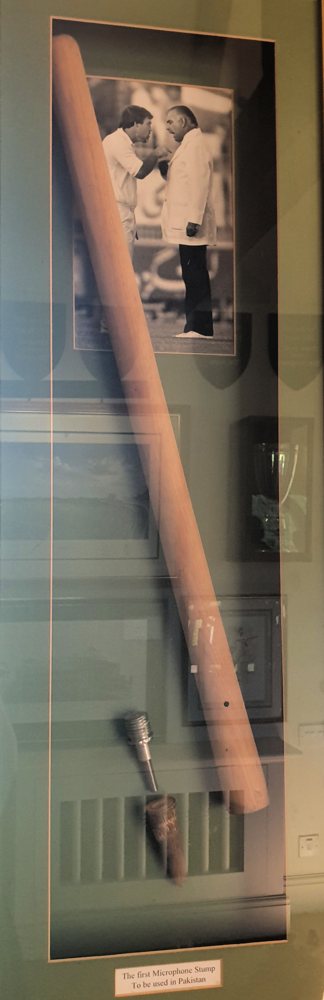
Outdoor sculptures greet you as you walk around the gardens of the Wormsley Estate, and there is plenty of art to enjoy between the picnic tents and the opera pavilion.
7. Garsington Opera is steeped in history
Garsington Opera was founded in 1989 by banker and violinist Leonard Ingrams. Its inaugural home was the 17th century Garsington Manor near Oxford, and it moved to its new home at Wormsley in 2011.
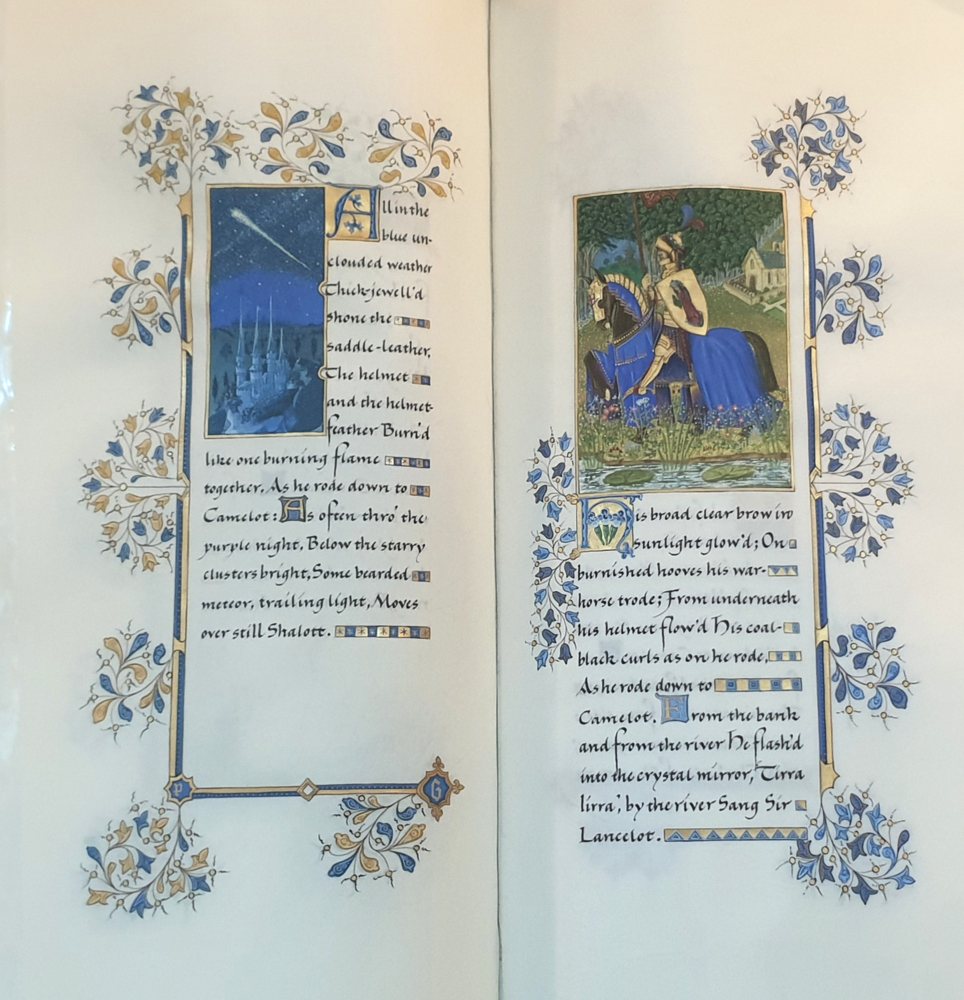
Wormsley was home to Colonel Adrian Scrope, one of the commissioners who signed Charles I’s death warrant. Poor Scrope was later hanged, drawn and quartered. The estate passed down to the Fane family, who kept it until it was sold to Sir Paul Getty in the 1980s. Getty restored the 18th century house and added a library to hold his collection of rare books.
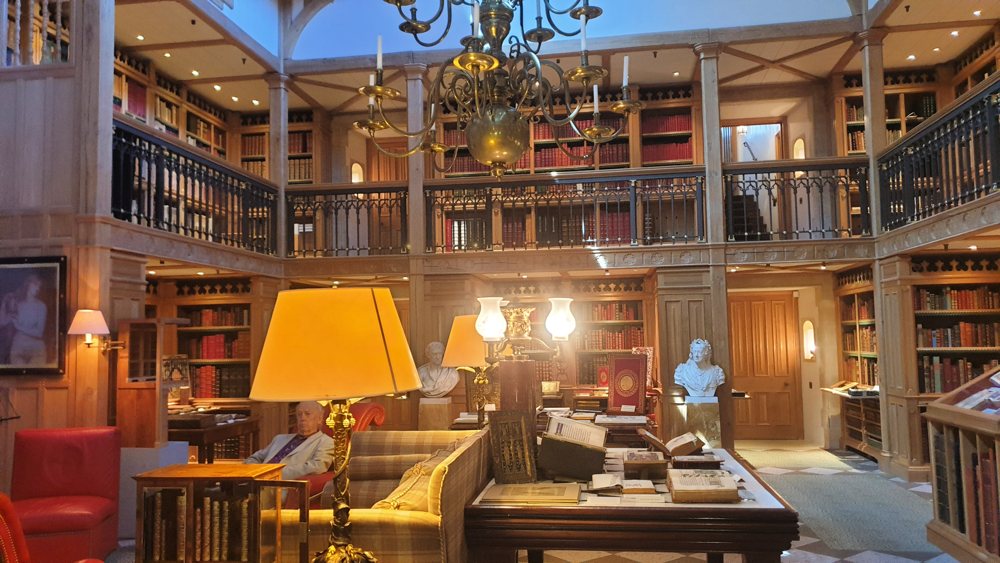
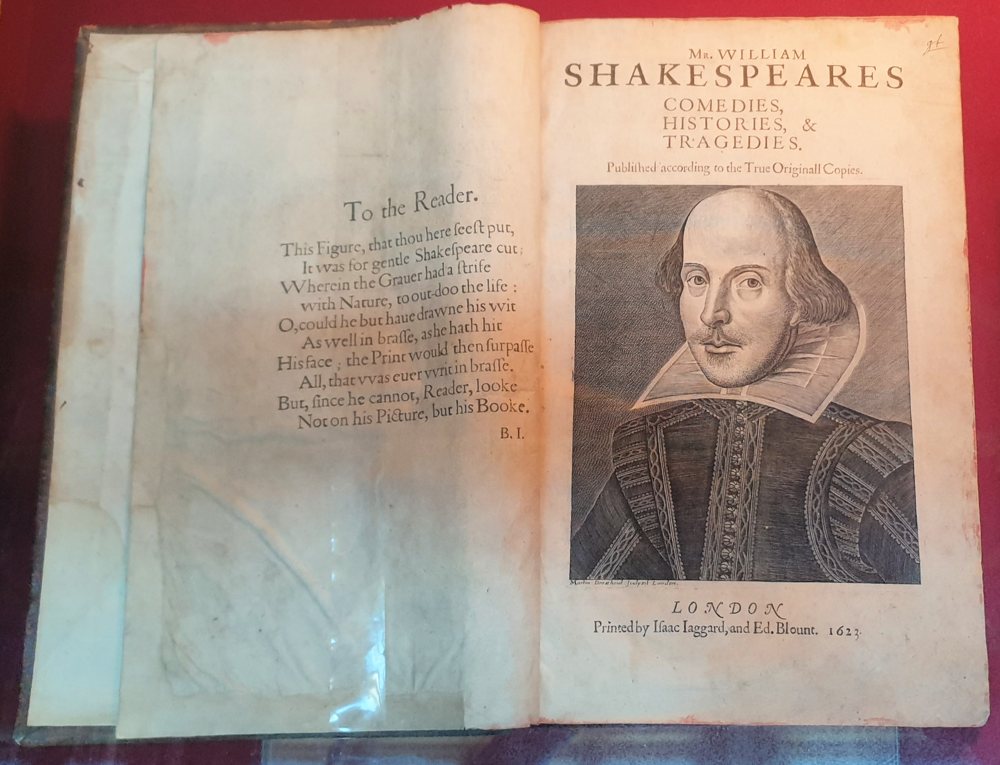
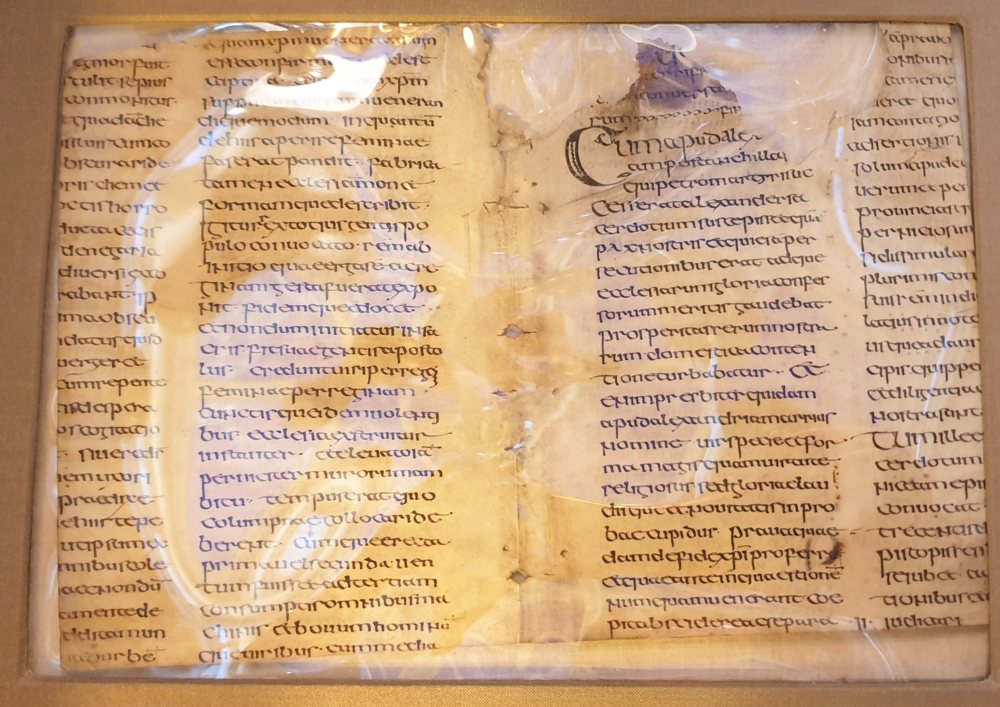
The Library holds a first edition of Caxton’s The Canterbury Tales, Anne Boleyn’s Psalter and a first folio of Shakespeare’s plays. Getty’s library can be visited on pre-booked guided tours, so check the Wormsley Estate website for details. The estate remains a private family home, and belongs to the Getty family.
8. It’s a feast for all the senses
There are plenty of dining options at Garsington Opera, and you can pre-order a lot of it. Pre-performance drinks can be enjoyed at the Champagne Bar on the Lower Terrace of the pavilion, and there is a tea and coffee kiosk beside the steps up to the pavilion. During the long dinner interval of around 90 minutes you can dine in the glass-fronted Boundary Room Restaurant overlooking the cricket ground, order a catered picnic, or bring your own. And if privacy is what you seek, you could bag yourself a private tent or pavilion. Check the dining page for the latest options and how to book.
9. Bring the (well-behaved) kids to Garsington Opera
There’s nothing stuffy about Garsington Opera, so it’s a good place to introduce a younger audience to opera, although I wouldn’t bring anyone younger than 12. Do check the official website for any talks or activities before the performances.
10. You could sleep like a Duke or Duchess
If you’re visiting Garsington Opera, why not treat yourself to a night at Cliveden, a mere 20 minutes away? Cliveden can arrange a picnic hamper as well as luxury car transfer to and from the opera.
Cliveden was once home to George Villiers, 2nd Duke of Buckingham, and was subsequently owned by a Prince, a Countess and Dukes and Duchesses. In 1961 Waldorf and Nancy Astor moved in, and it was at Cliveden’s poolside that John Profumo met Christine Keeler.
If you love country-house opera, see my guide to Grange Park Opera in Surrey, another magical evening of music, picnics and champagne.