Bankside London was once a cacophonous pleasure zone with brothels, bear-baiting, gaming dens and four Tudor theatres: the Globe, the Rose, the Swan and the Hope. Shakespeare and Dickens both knew the area, and Samuel Pepys watched the Great Fire light up the sky from an alehouse on Bankside in 1666. So if you’re visiting, you’ll find it’s steeped in history, a mecca for literary lovers and one of the capital’s top foodie destinations. Here are 15 reasons to visit.
Thank you to Mr Londoner and Visit Bankside for letting me tag along on a tour.
Bankside London: Shakespeare, the Globe and the Rose
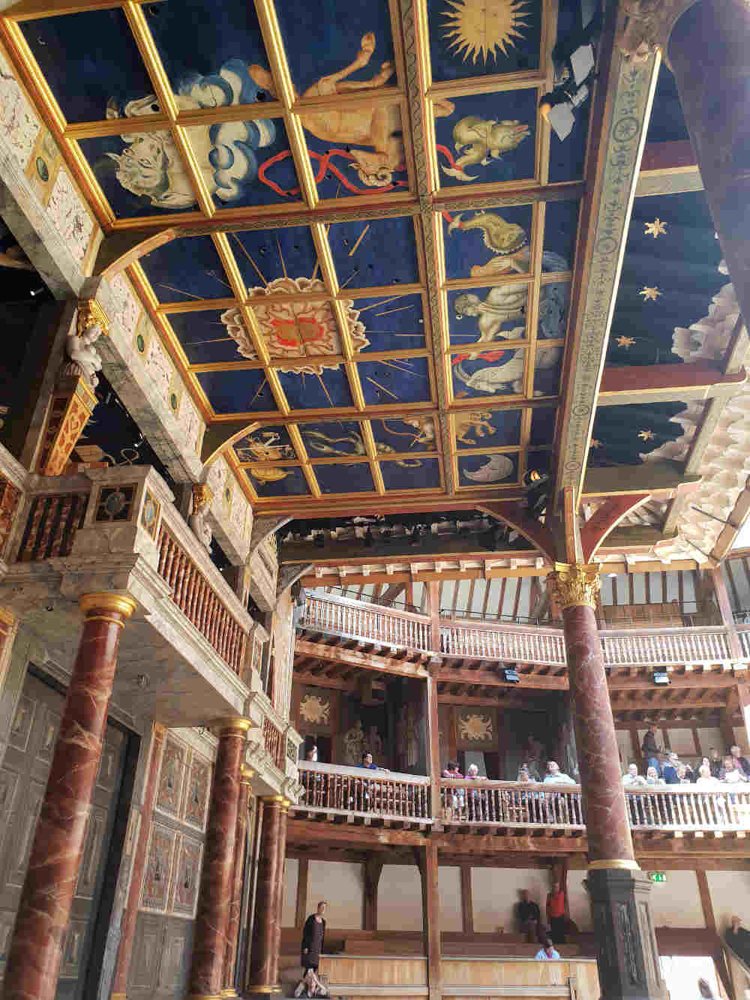
1. Get thee to the Globe. The magnificent Shakespeare’s Globe is a replica of the original 1599 playhouse, part-owned by the Bard himself. The original burnt down in 1613 when a cannon fired during a performance of Henry VIII, and you can see the site of the original Globe on Park Street. Then head to the new Globe for some of the best productions this side of the sixteenth century. I always recommend the standing places in the yard, which soak you in a good dose of Shakespearean atmosphere.
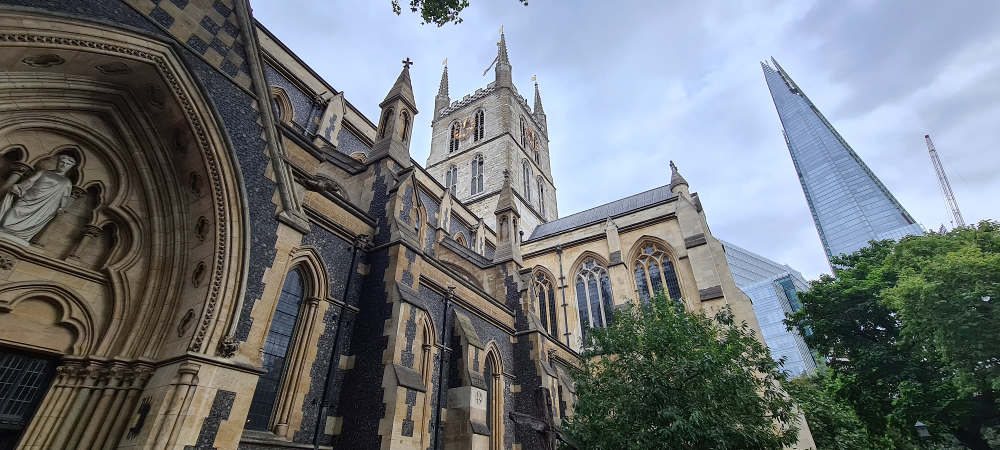
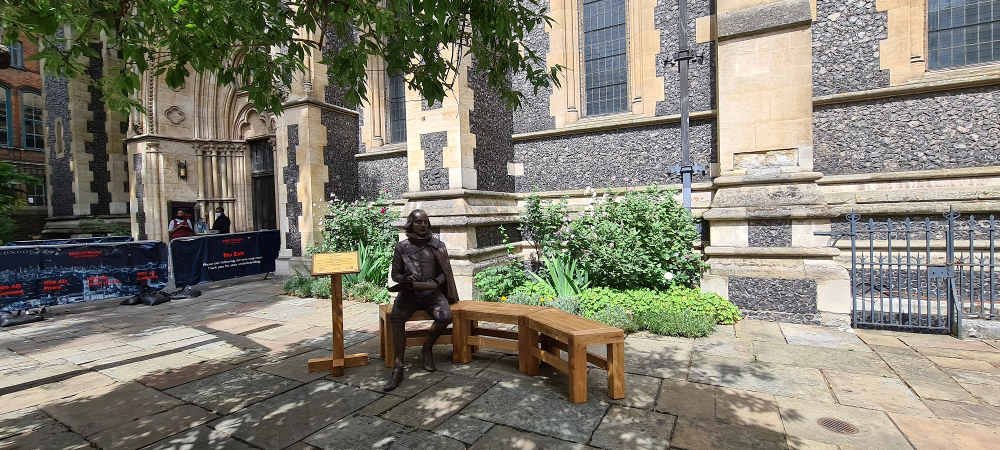
2. Visit Shakespeare’s brother. OK, not Will’s tomb but that of his younger brother Edmund, who was also an actor at the Globe and was buried in Southwark Cathedral, London’s oldest Gothic church building. The exact location of the grave is unknown, but there is a memorial stone in the choir. Look out for the Shakespeare memorial and its stained-glass window, and a wooden effigy of a knight from around 1280.
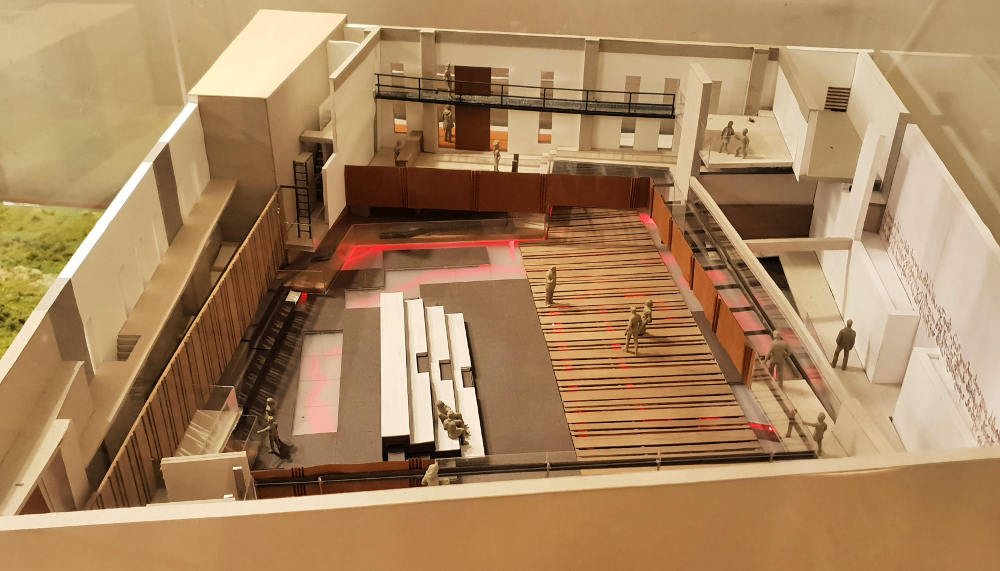
3. Drop in to the Rose Theatre. The Rose was Bankside’s first purpose-built playhouse and staged early Shakespeare plays. It had vanished by the early 1600s, but an excavation in 1989 during an office redevelopment uncovered some of its remains. Today you can visit The Rose and see the stage and courtyard from a viewing platform.
Bankside London: brothels, ghosts and graveyards
4. Follow in Clarice la Claterballock’s footsteps. The City of London didn’t fancy prostitution within its walls, but saw it as a necessary remedy, so the solution was Bankside, a stone’s throw from the respectable side of the river. In 1161 the Bishop of Winchester was granted a licence for brothels in this area, the Liberty of the Clink. The prostitutes were known as Winchester Geese, one of the more famous being Clarice la Claterballock. Henry VIII shut the Bankside brothels centuries later. You can still see the rose window of the bishops’ palace.
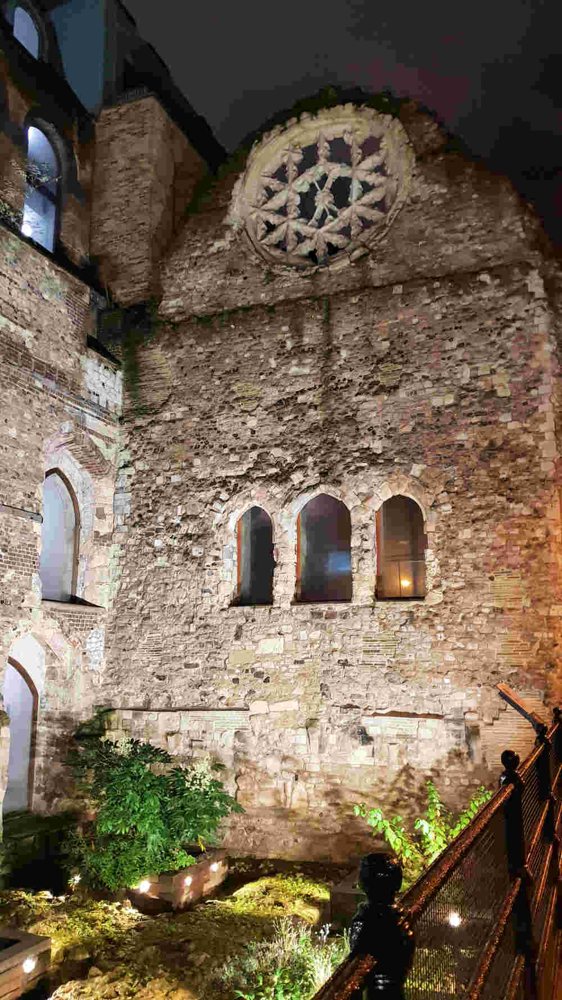
5. Have a tipple at the Boot and Flogger. Back in 1611 James I granted the pub a special dispensation as a “Free Vintner”, which meant it needed no licence until 2000. It’s the perfect pit-stop on your Bankside London walk.
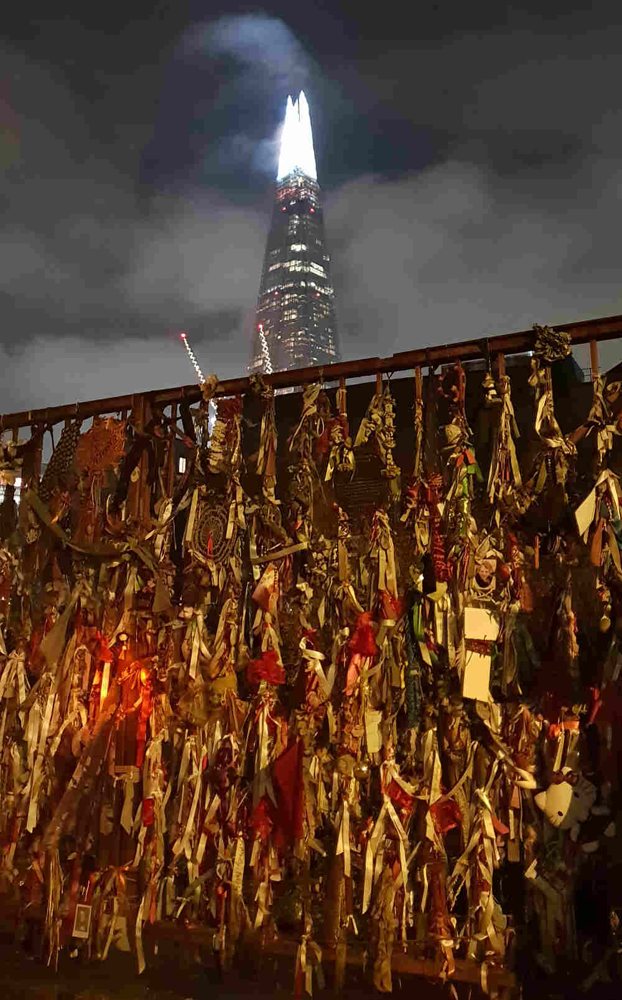
6. See the unhallowed graveyard with stories to tell. Walk along Redcross Way, opposite the Boot and Flogger, and you’ll come across a sea of ribbons tied to railings. This marks the gate to the Crossbones Graveyard, which is thought to contain around 15,000 bodies. It’s unhallowed, so there is no record of who is buried there, but the story goes that it was the resting place for prostitutes and paupers, known as Single Women, who were denied burial in St Saviour’s nearby due to their profession.
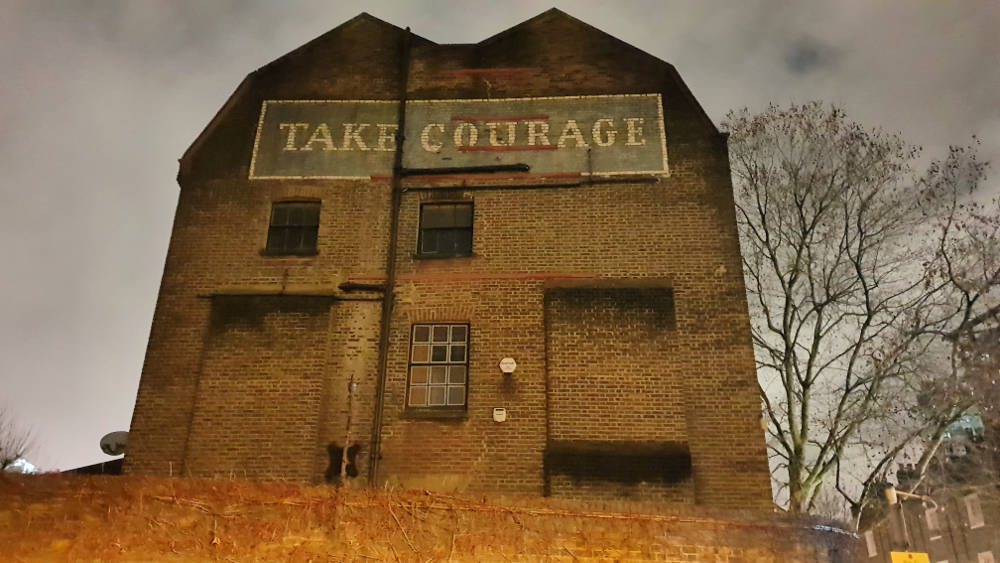
7. Take Courage. Before Banksy, there were ghost signs, and the Take Courage sign on Redcross Way is one of London’s best known. This old advertisement for the famous brewery was designed to lift the spirits, in the liquid sense. You can catch it on foot or by train as you leave London Bridge Station, the city’s oldest station still in use.
Drink with Dickens and spot the old bollards
8. Drink with Dickens. The George Inn is London’s only surviving galleried inn and one of the city’s oldest pubs. Customers once watched plays from its galleries, and Shakespeare may have been among them. Dickens liked a tipple at the George, and the pub gets a mention in Little Dorrit.
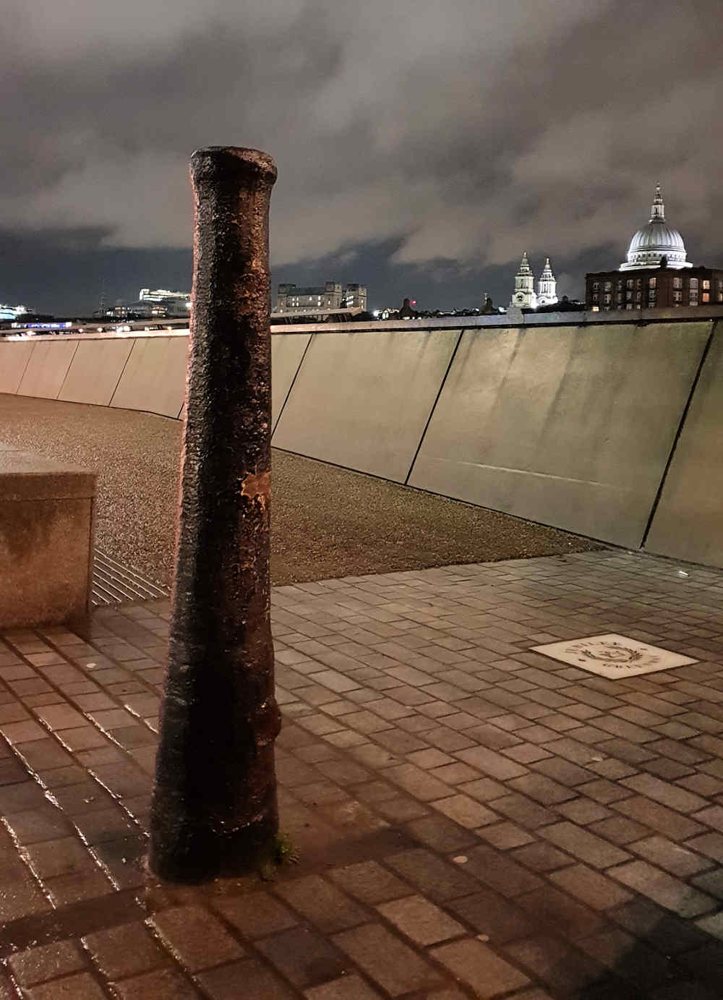
9. View the old bollards of Bankside. After Nelson’s victory at the Battle of Trafalgar, French cannons are said to have been taken home and installed as bollards in London. You can see other examples in Shoreditch, in Boundary Passage.
Bankside London on screen: Harry Potter and Bridget Jones
10. If you’re potty for films… 7 Stoney Street is the door to the Leaky Cauldron in Harry Potter and the Prisoner of Azkaban, where Harry is dropped off after his journey on the Knight Bus. Next door, the Market Porter pub was transformed into the Third Hand Book Emporium.
11. Have a glass of Chardonnay with Bridget Jones. Pop over to the Globe Tavern on Bedale Street. The flat above was Bridget Jones’s singleton digs, although I think by now she’s living the country life with Darcy.
Wren’s fake plaque, Tate Modern and the Wobbly Bridge
12. Check out the place where Christopher Wren didn’t actually live. At No 49 Bankside, next door to Shakespeare’s Globe, a pretty ceramic plaque claims Wren lived here while building St Paul’s, and that Catherine of Aragon took shelter here when she landed in London. But it’s said to be a clever piece of fake news: the owner of the house is said to have put up the plaque in 1945 to save it from a demolition order. Lucky for us, the hoax worked.
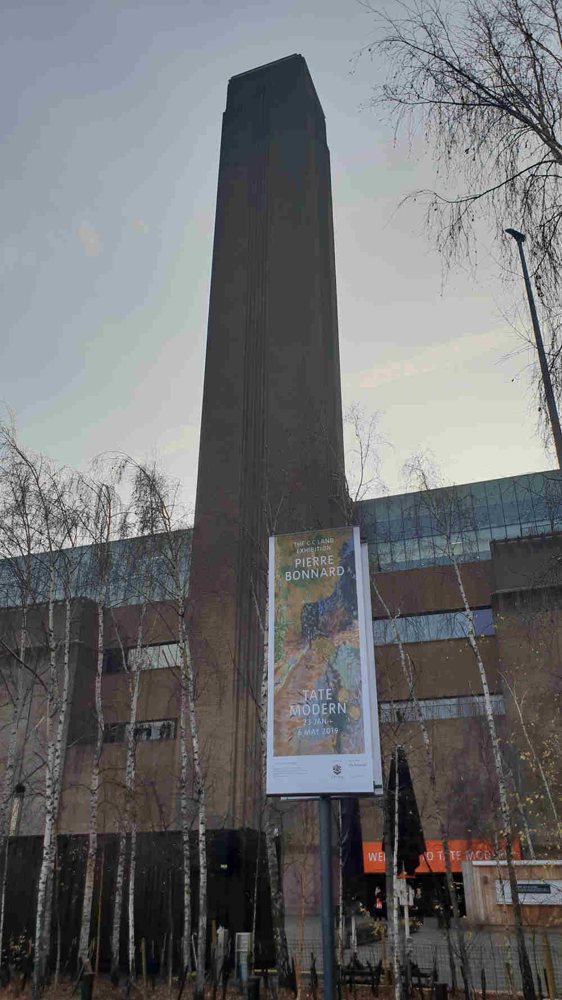
13. Get arty in the museum designed by the red phone box architect. I’m not a big fan of Tate Modern’s titanic, rather unwelcome galleries, but it puts on some stellar exhibitions every year. It was designed by Giles Gilbert Scott, the architect behind the red phone box. You can see the original phone box prototype tucked behind the gates of the Royal Academy.
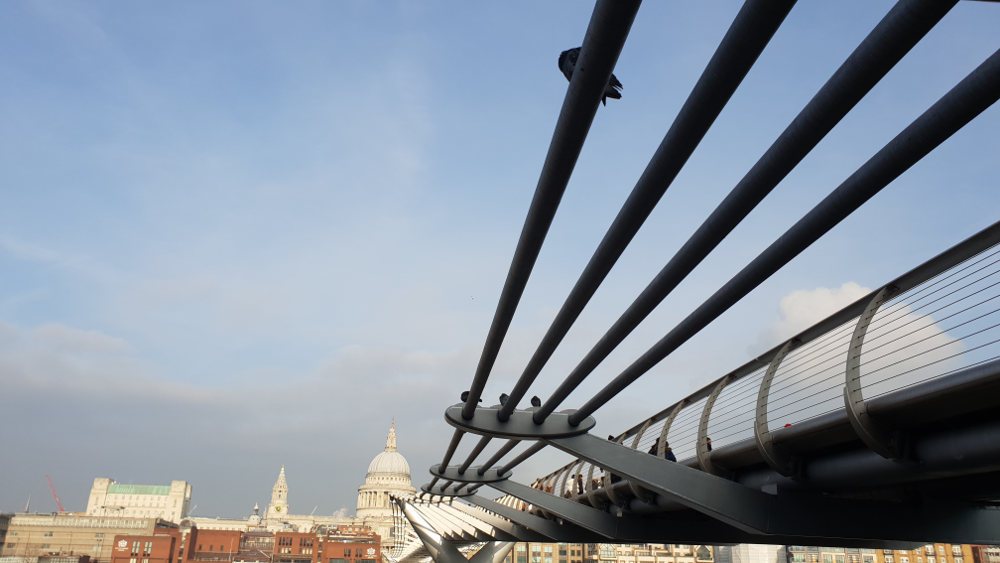
14. Walk along the Wobbly Bridge. The Millennium Bridge connects Bankside to St Paul’s Cathedral. Harry Potter fans will remember it from Harry Potter and the Half-Blood Prince, when the Death Eaters attack London. When it opened on 10 June 2000 it started to sway and was closed for almost two years. It reopened on 22 February 2002 after a £5 million fix. It doesn’t wobble anymore, but I can’t guarantee you won’t meet a Death Eater. For a different view, see it from the river on a Thames Rockets speedboat trip.
Eat at Borough Market
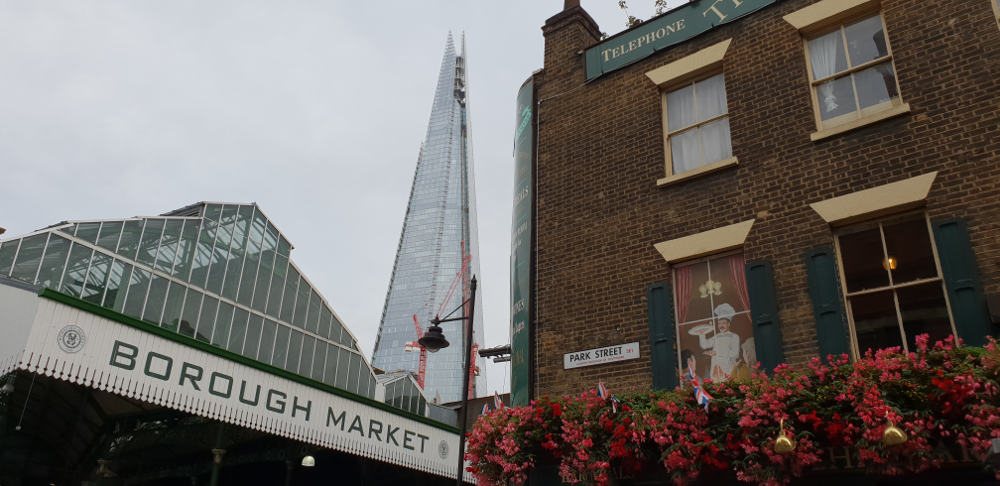
15. Grab some street food in London’s oldest fruit and veg market. Borough Market claims a birthdate of 1014, and by the nineteenth century was one of London’s busiest food markets. These days it’s one of the capital’s top food destinations, with stalls selling fruit, vegetables, cheese, spices and bread. Rest your weary feet in a warren of restaurants and cafes, but expect to queue for the more popular ones.
That’s Bankside London in 15 reasons, so what are you waiting for?