Mykonos may be alluring, Ibiza tantalising and St Tropez swaggering, but the Algarve is my port of call for dreamy, charming and authentic. This Algarve guide is my personal take on Portugal’s southern coast, from the beaches I love to the restaurants worth booking. And the light: at sunrise it is luminescent in shades of cotton candy and bluebells; at sunset it dissolves into a canvas of tangerine and ink.
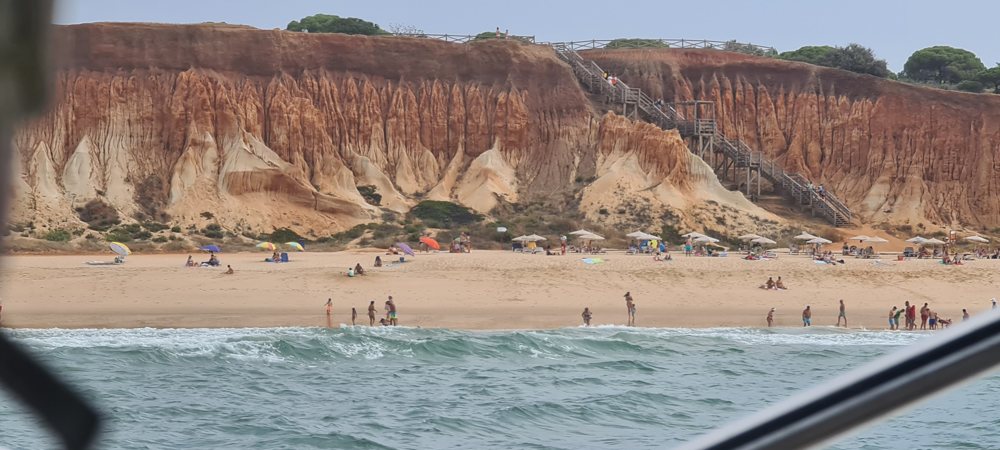
When it comes to July and August, all roads seem to lead to the Algarve for me. It is under three hours from London, summer perfection is almost guaranteed (it averages around 300 days of sunshine a year) and it has some of the most spectacular beaches in Europe. This is a canvas of whitewashed towns and villages, scented orange groves, rugged russet coastline and biscuit-coloured sands.
Quinta do Lago and the Ria Formosa
Quinta do Lago, my sunny perch, is a resort within the picturesque Ria Formosa Natural Park, a network of beaches, marshland, canals and islands that extends 60km along the Algarve coast. It sits within the “Golden Triangle”, renowned for its golf courses (I won’t bore you with those as I know nothing about golf), beautiful coastline and outstanding cuisine.
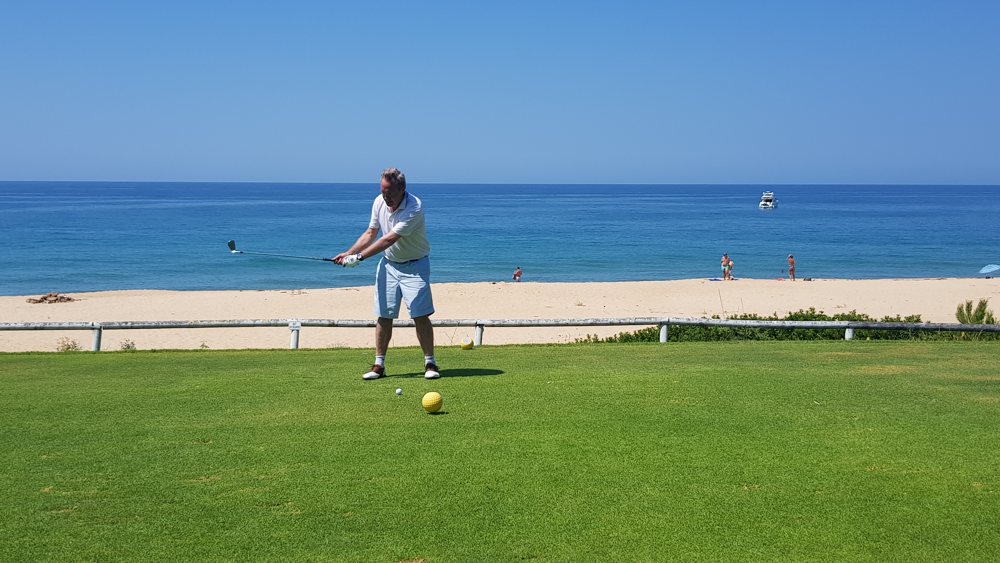
The Ria Formosa is famed for its rare birds and the lagoons that surround it. The area is protected, so you won’t see any construction other than the odd wooden clapboard restaurant dotted here and there.
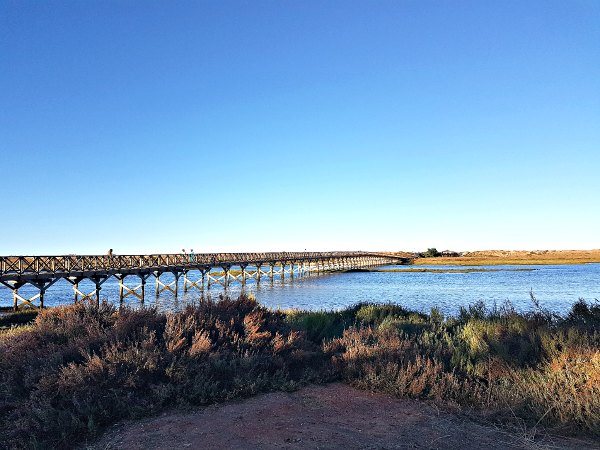
The Quinta do Lago wooden bridge
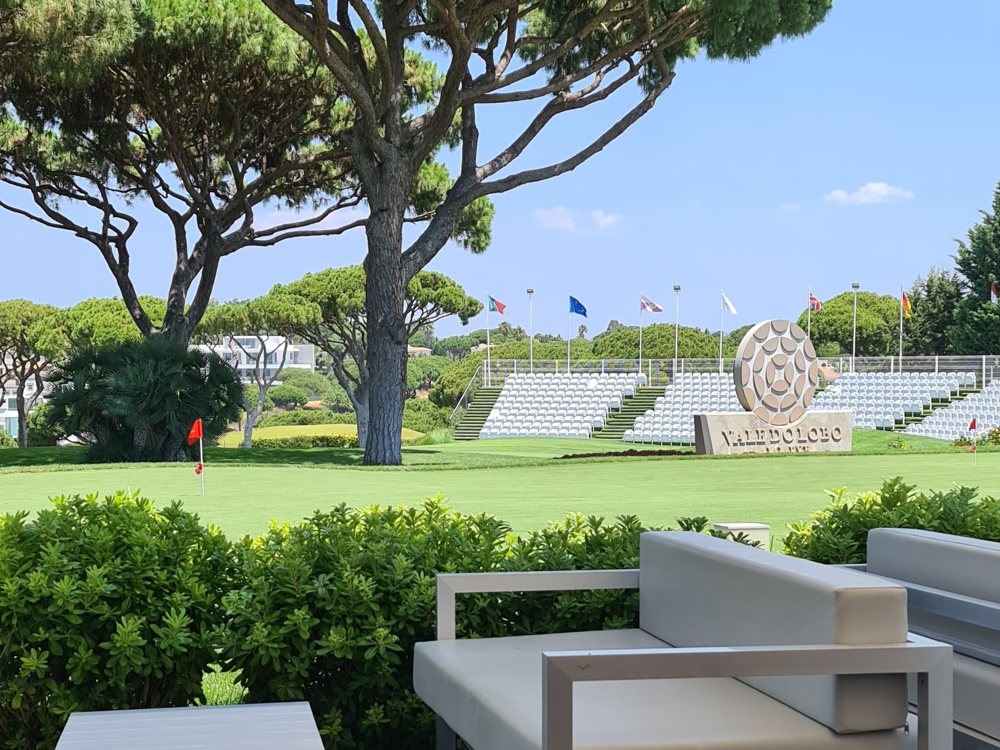
Umbrella pines provide a sheltering sky at Vale do Lobo
Algarve guide to the best beaches
The Algarve has around 200km of drop-dead gorgeous beaches, coves and cliffs, many with the coveted Blue Flag eco-label. It’s the Atlantic here, but there is a Mediterranean feel with echoes of the Hamptons.
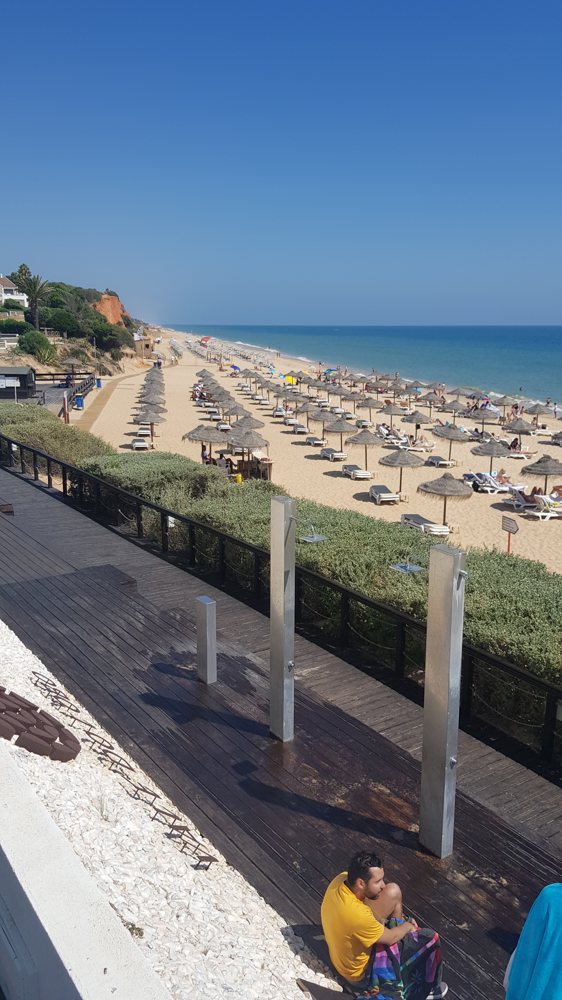
My favourite is Ancão beach, a wild and picture-perfect stretch between Quinta do Lago and Vale do Lobo, bordered by sand dunes at one end. Further along it leads to Gigi’s, a beach restaurant you can reach only on foot along the sand or via the Quinta do Lago wooden bridge. An early morning walk here with Sahara, my Rhodesian Ridgeback, is my favourite way to start the day. Dogs are restricted on many beaches in high season, so check the local signs before you go.
There are more exquisite beaches to explore along the coast. Meia Praia is a vast sweep of sand beside Lagos, Praia da Rocha is the classic golden beach framed by cliffs at Portimão, and Praia do Amado is the main surfing beach on the wilder west coast. Trafal beach, framed by dunes and pine trees, has a naturist stretch and a relaxed, gay-friendly atmosphere.
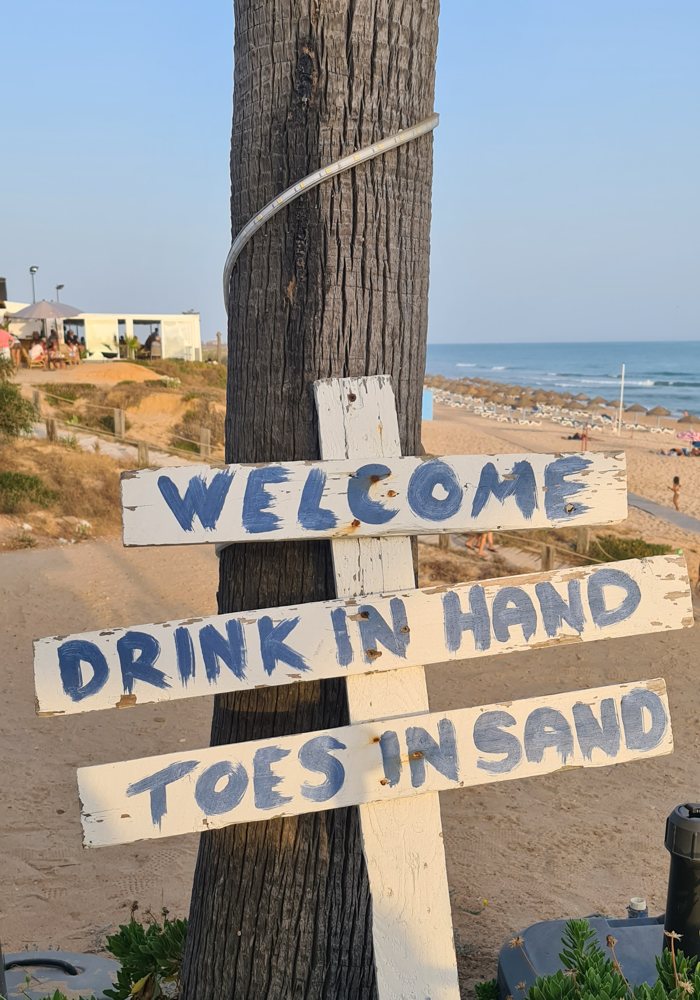
The tangerine sunsets are perfect for sundowners.
My top tips: an Algarve guide to what to do
Explore Faro Old Town. Walk around the Cidade Velha (Old City), visit the Baroque Igreja de Nossa Senhora do Carmo and stop for a drink at Café Aliança, one of Portugal’s oldest cafés, which reopened as a café, restaurant and bar.
Spend a beach day on Ilha do Faro. Join the locals on the sand, then head to MarAmais, a beach bar and restaurant, for fresh juices and caipirinhas. It isn’t officially an island, as it’s linked to the mainland by a narrow road, but you’ll feel like Robinson Crusoe who hit the jackpot.
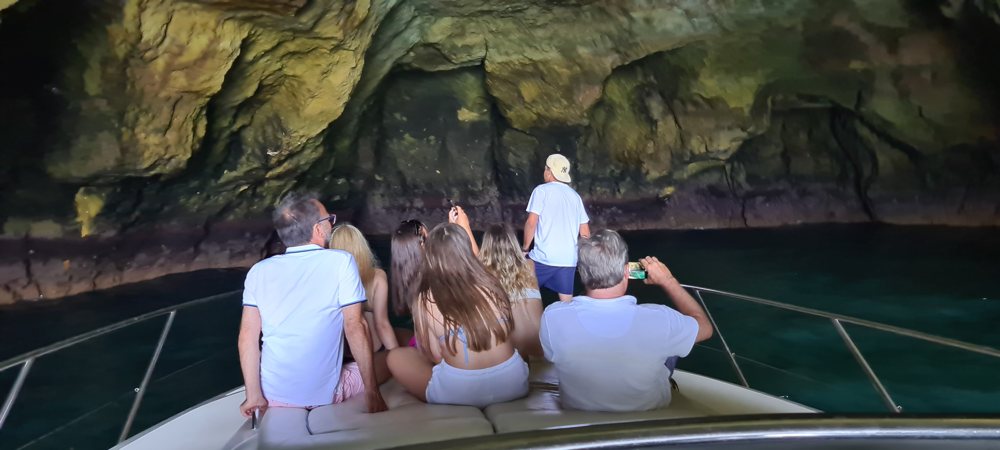
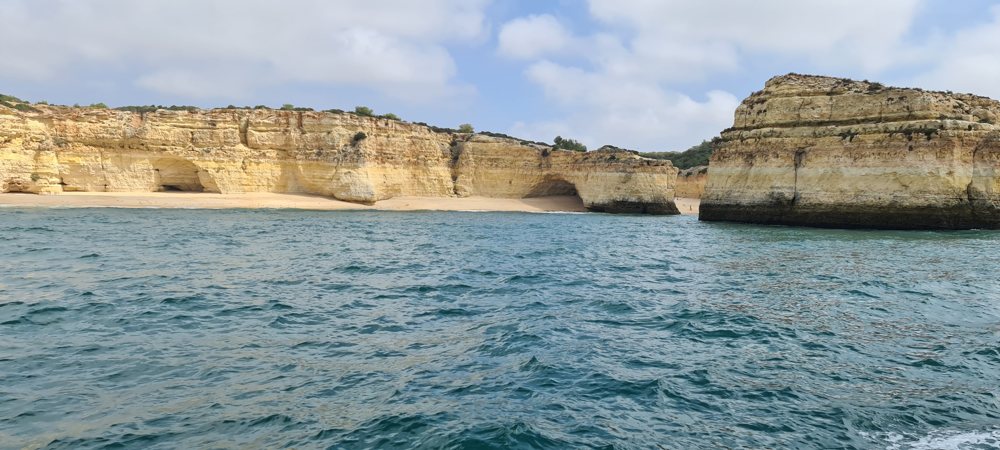
See the coast from the water. A boat trip along the coast shows you sea caves, hidden coves and golden cliffs that you can’t reach from the beach.
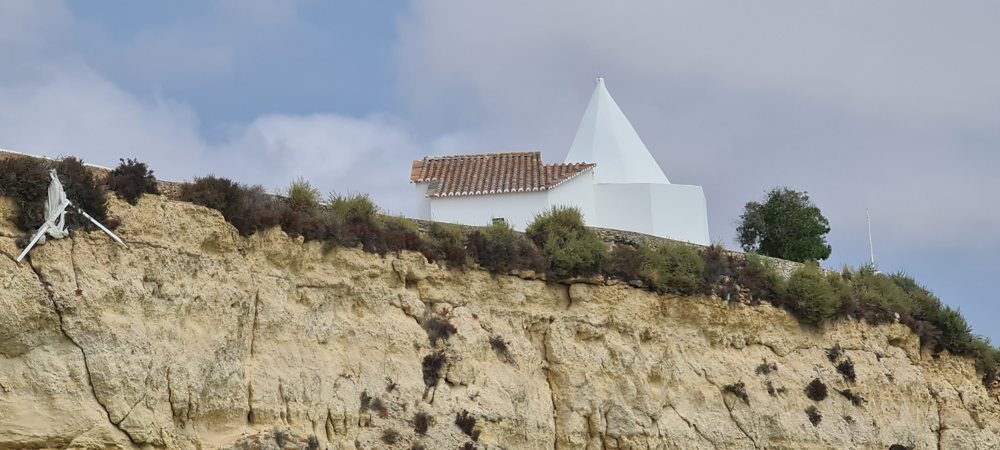
Visit the São Lourenço church in Almancil. The 18th-century Igreja de São Lourenço is a baroque wonder, its interior completely covered in blue and white azulejo tiles. There is a small entry fee.
Go horse riding. Take a sunset or moonlit ride through the pine woods and along the Ria Formosa with Pinetrees Riding Centre, a riding school between Almancil and Quinta do Lago. Contact them first to book.
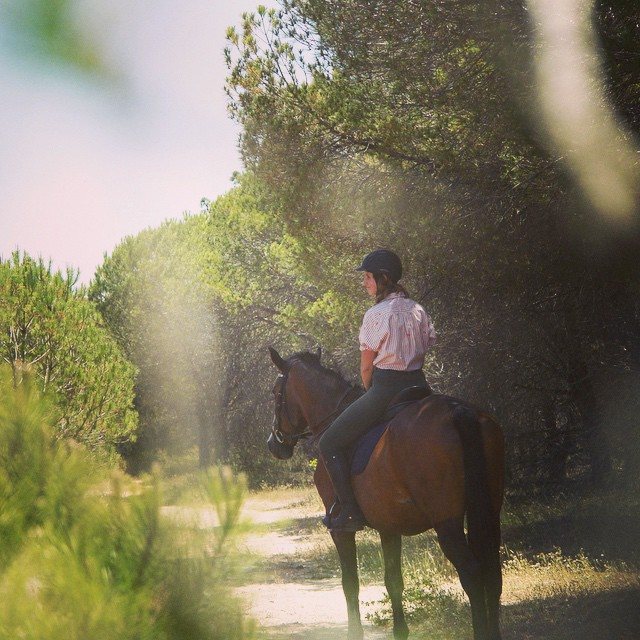
Photo: Pinetrees Riding Centre
Sit under a centuries-old fig tree. Casa do Campo, on the outskirts of Almancil, serves a seasonal farm-to-table menu using produce from its own organic farm. It serves dinner only and is closed on Sundays, so book ahead.
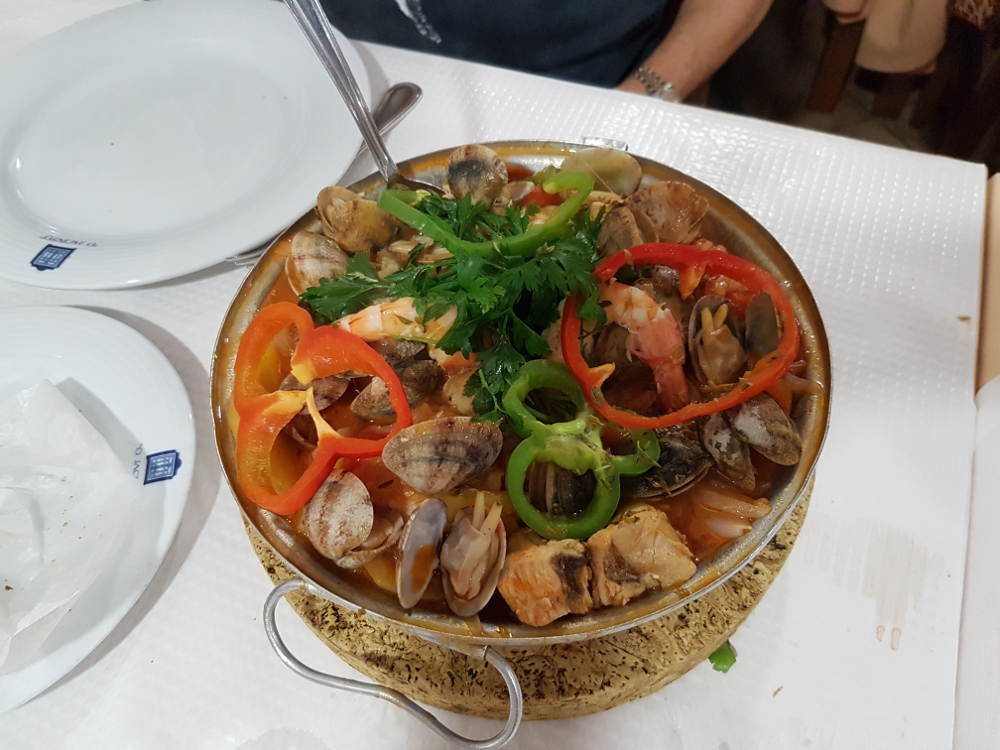
Have a Sunday lunchtime boogie. Maria’s beach restaurant at Praia do Garrão Poente is where I go for a lively lunch, so book well in advance. Try the clams, an Algarvian speciality.
Treat yourself at the Conrad Algarve. The Conrad Algarve is a great stopover for spa treatments and afternoon tea. If you want a fancy-pants dinner, try Gusto by Heinz Beck, open for dinner from Tuesday to Saturday.
Lunch in a Rococo palace. The dusky pink Pousada Palácio de Estoi was built in the 18th century and is now a luxury hotel and spa. It is stuffed full of antiques and has some eye-popping plasterwork and French-inspired gardens.
Shop for pottery. For the prettiest plates, mugs and tiles, head to Porches Pottery. You can watch the artisans painting and glazing on weekdays, and there is a café in the gardens. It is open Monday to Saturday and closed on Sundays.
Portugal on a plate
No Algarve guide is complete without the food, so here are my favourite Portuguese flavours to look out for.
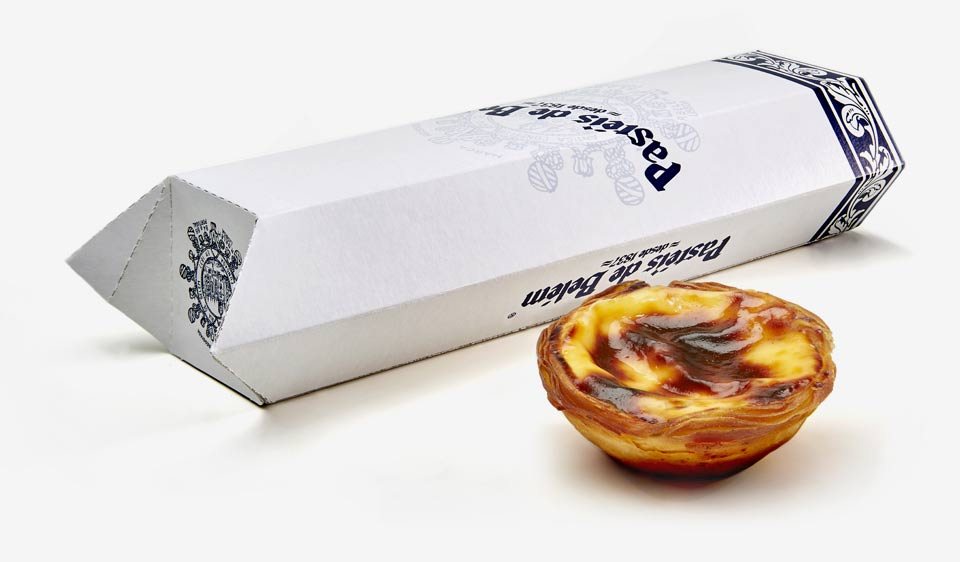
Pastel de nata. Photo: Pastéis de Belém
Natas. Pastéis de nata are available all over Europe now, but when I first started going to Portugal nobody outside the country had heard of these delectable custard tarts. My favourite shop is Pastéis de Belém in Lisbon, but you can find natas in every Algarve café and supermarket. Team them with a bica, a short espresso, or a pingado, an espresso with a small shot of milk, and you’ll see why I can never eat just one.
Piri piri. Piri piri, the African bird’s eye chilli, is also the name of the famous Portuguese hot sauce. Most Portuguese restaurants have their own in-house version, and I have coaxed many a manager into letting me take a bottle home.
Vindaloo. You may think vindaloo is British or Indian, but it originated in Portugal as carne de vinha d’alhos. Portuguese sailors who reached Goa preserved meat in a marinade of garlic and vinegar, and the name morphed into vindaloo.
Queijo do Azeitão. Forget brie and camembert. This artisanal sheep’s milk cheese is made with cardoon thistle rather than animal rennet, so it’s perfect for vegetarians. Take it out of the fridge a few hours ahead, slice off the rind top and spoon it onto bread like honey. It’s even better with a few drops of piri piri oil.
Tea and marmalade. Charles II’s Portuguese wife, Catherine of Braganza, popularised tea at the English court, and she is also said to have brought the quince preserve that morphed into marmalade. If you love Portugal as much as I do, there is more in my Lisbon stories.
I hope this Algarve guide helps you plan your own Algarve summer. Have a great one!